In hotel and office projects, glass door lock selection should not start with the unlocking method.
Many buyers first ask whether the lock supports fingerprint, RFID card, keypad, app control or remote management. These functions are useful, but they are not the first thing to check. For a glass door, the more important question is: what door structure will the lock be installed on?
A frameless glass swing door, a slim aluminum-framed office door, a sliding glass partition and a hotel lobby entrance all create different hardware limits. Glass thickness, door movement, frame width, lock body size, latch position, wiring route and closing accuracy all affect whether the lock can be installed properly and used reliably.
Unlike timber or steel doors, glass panels cannot hide large lock bodies, wires or latch mechanisms inside the door leaf. Frameless tempered glass is even more restrictive because it cannot be drilled or modified after tempering. If the lock is selected too late, the project may face exposed wiring, poor latch alignment, wrong glass cut-outs or a lock body that simply does not fit the door.
For hotel, office and commercial glass door projects, the lock should be selected as part of the full door hardware setup, not as a standalone item.
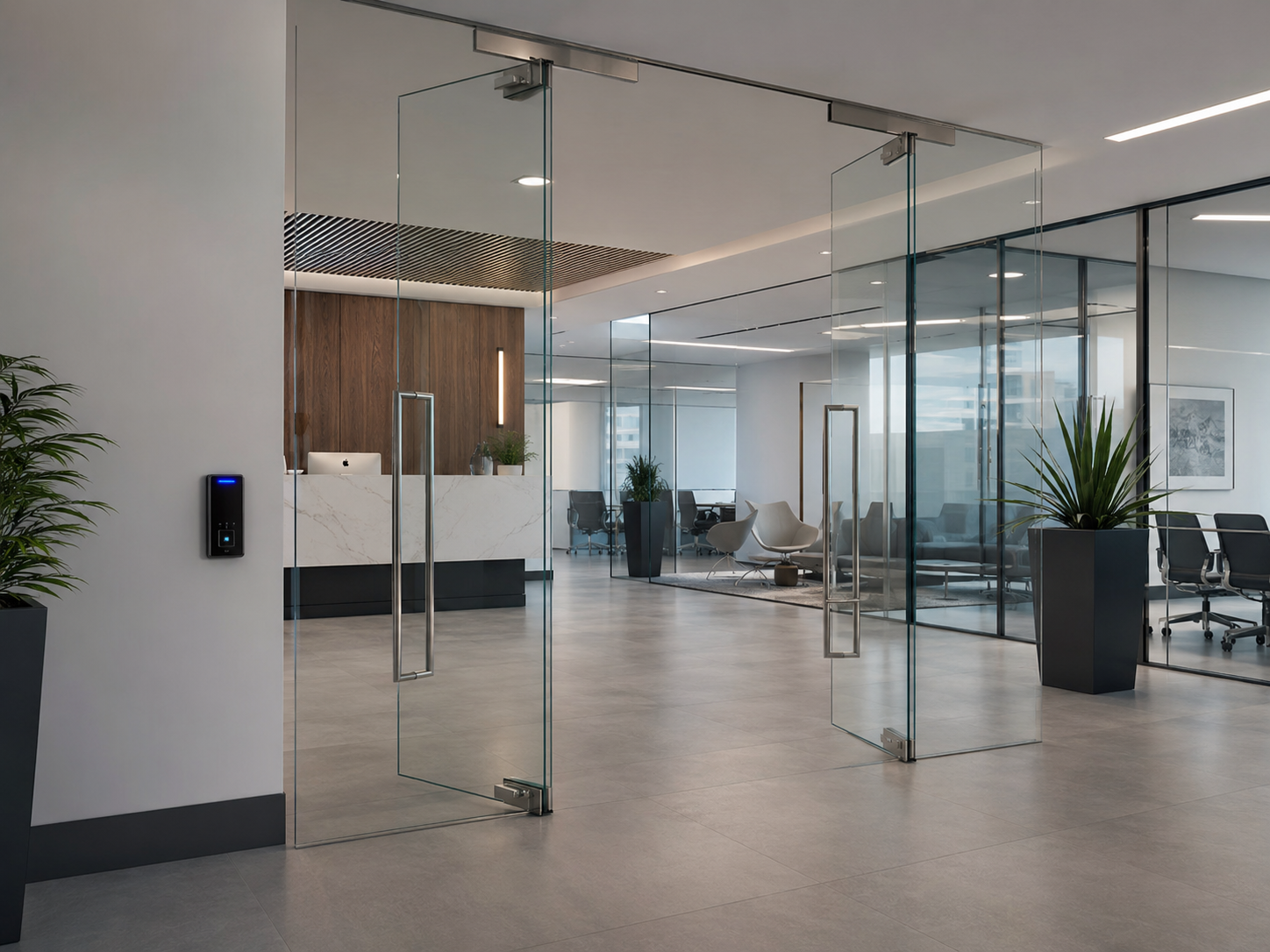
Why Door Structure Dictates Access Control
Access control is not only about the reader, card, fingerprint sensor or keypad. On site, the door structure decides what kind of locking method is practical.
| Door structure | Main hardware limitation | Practical lock direction |
|---|---|---|
| Frameless glass door, usually 10–12mm glass | No internal wiring space; no on-site drilling after tempering | Clamp-on glass lock, patch lock, bottom lock or selected surface-mounted smart lock |
| Slim aluminum-framed glass door | Narrow stile width; limited mortise space | Narrow-profile smart lock or access-control-compatible lock |
| Sliding glass door or partition | Lock must match sliding direction and panel overlap | Sliding glass lock, hook lock or compatible smart lock |
| Hotel or office entrance glass door | Higher traffic and stronger security requirement | Mechanical lock, electric lock or access-control-compatible hardware depending on project |
| Timber or solid door near glass partitions | Standard mortise space available | Traditional mortise lock or smart lock, but not the main glass hardware focus |
This is why lock selection should start from drawings and door details, not from catalog appearance.
A lock that works well on a timber office door may not fit a frameless glass door. A smart lock made for a wide aluminum profile may not work on a slim-frame door. A sliding door lock cannot be selected the same way as a swing door lock.
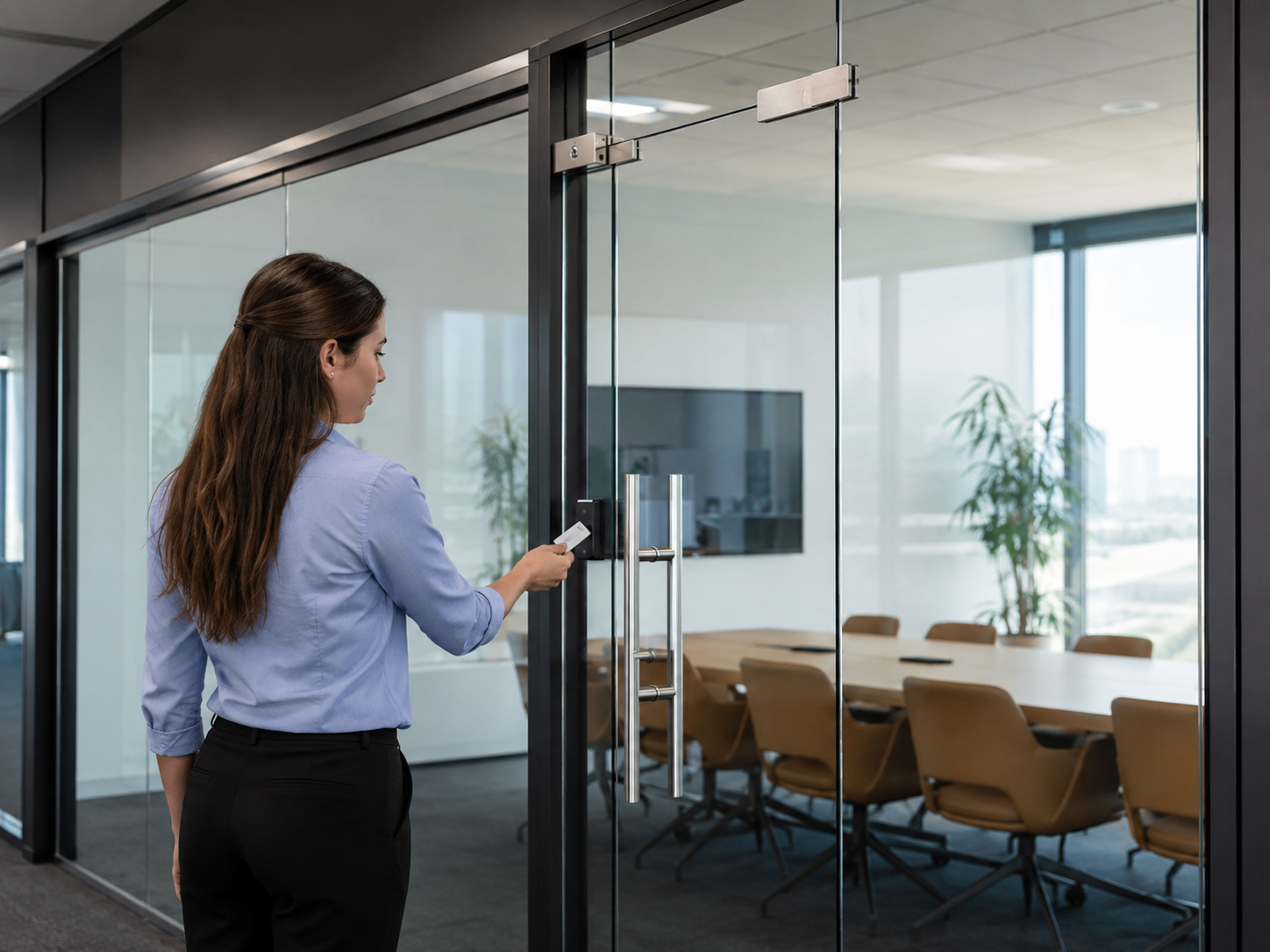
Frameless Glass Doors: Clean Design, Less Room for Error
Frameless glass doors are common in offices, meeting rooms, showrooms and commercial interiors because they keep the space open and clean. But from a hardware point of view, they leave very little room for mistakes.
Most frameless glass doors use 10mm or 12mm tempered glass. Once the glass has been tempered, it cannot be cut, drilled or adjusted on site. Any lock hole, handle hole or patch fitting cut-out must be confirmed before glass production.
For this type of door, buyers should check:
- Glass thickness: 10mm or 12mm are common
- Single door or double door
- Swing or sliding movement
- Existing glass cut-outs, if replacing old hardware
- Lock body size
- Keeper position
- Door gap between panels
- Whether the door needs privacy locking or stronger after-hours security
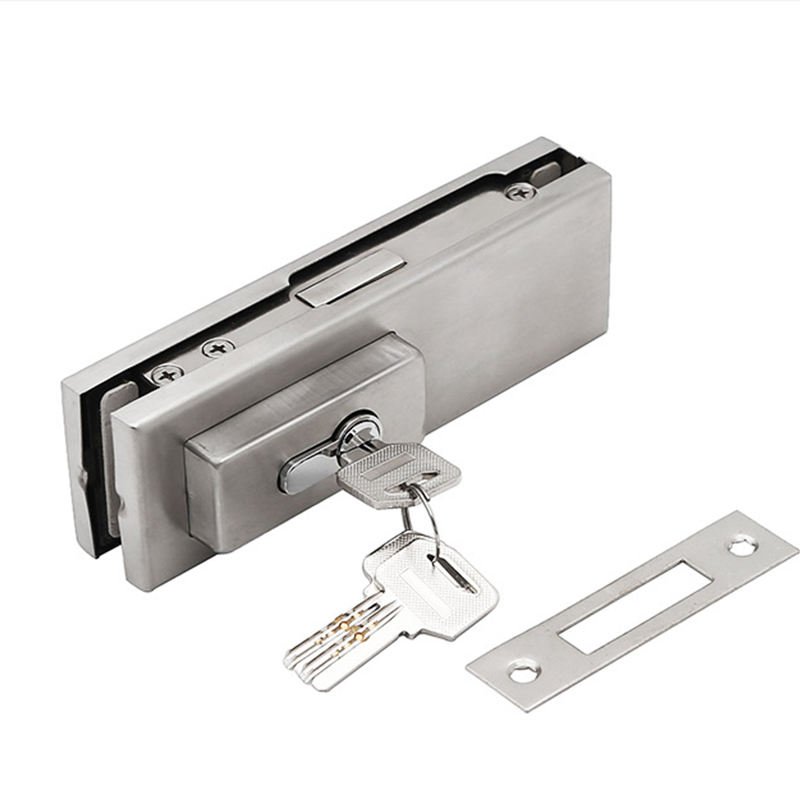
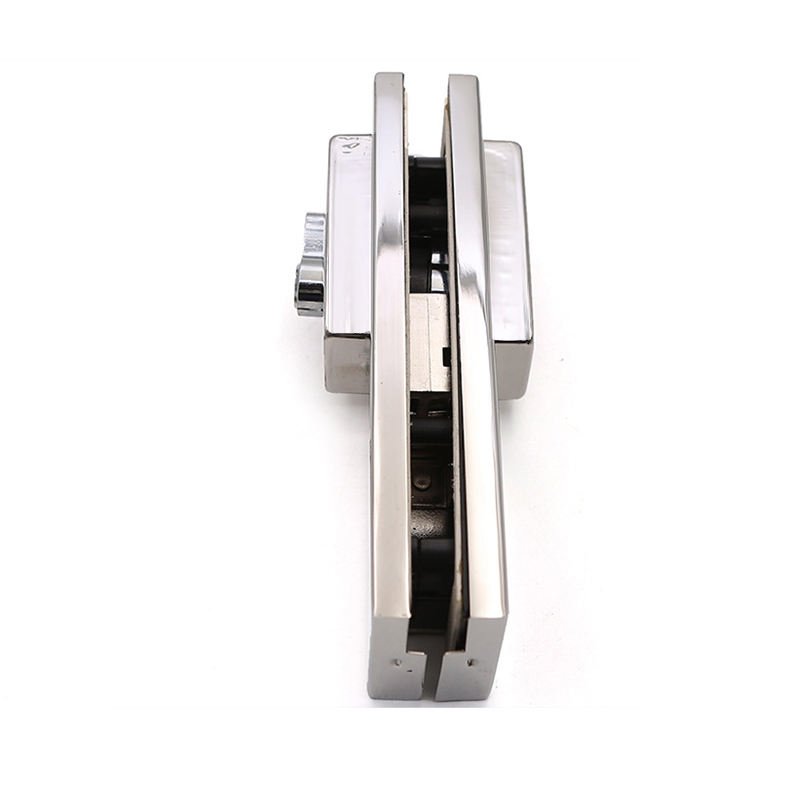
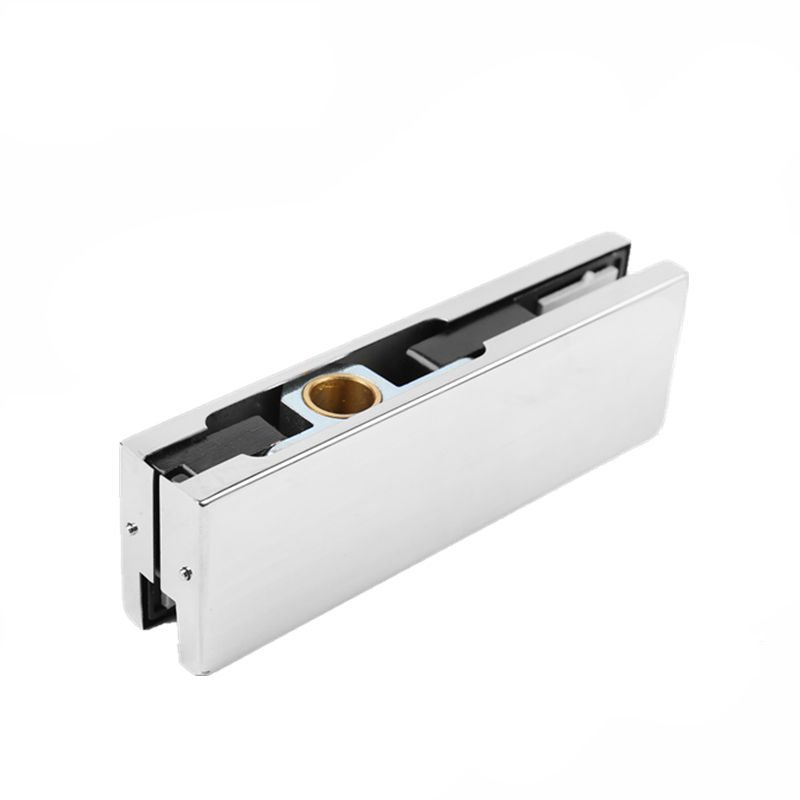
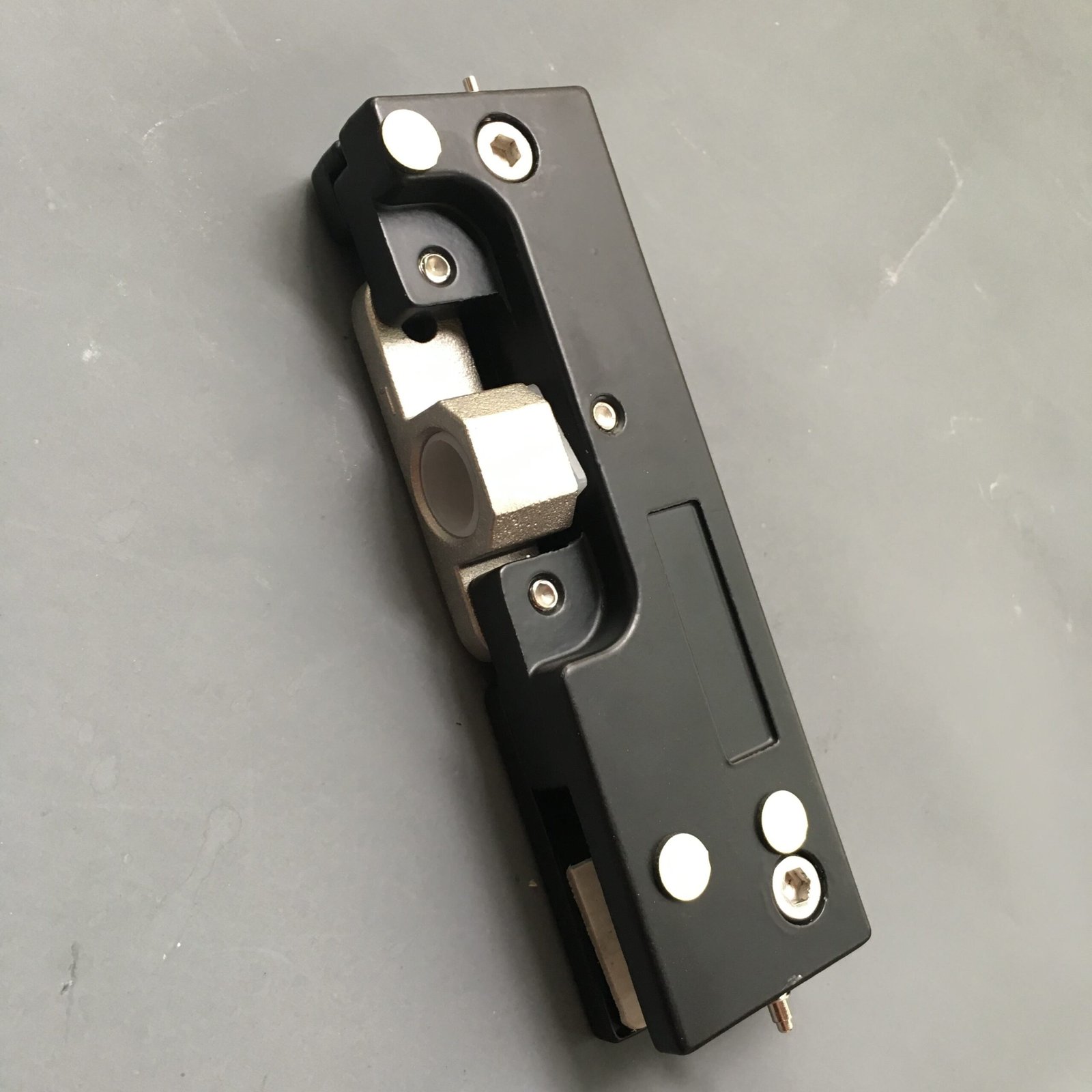
For simple office partitions, a mechanical glass lock or clamp-on privacy lock may be enough. For double frameless glass doors, a patch lock, center lock or floor lock may be more stable. For smart lock use, surface-mounted or clamp-on designs are usually more practical than hidden mortise designs because there is no internal door cavity for wiring.
The key point is simple: do not select a smart function before confirming whether the glass can physically accept the lock.
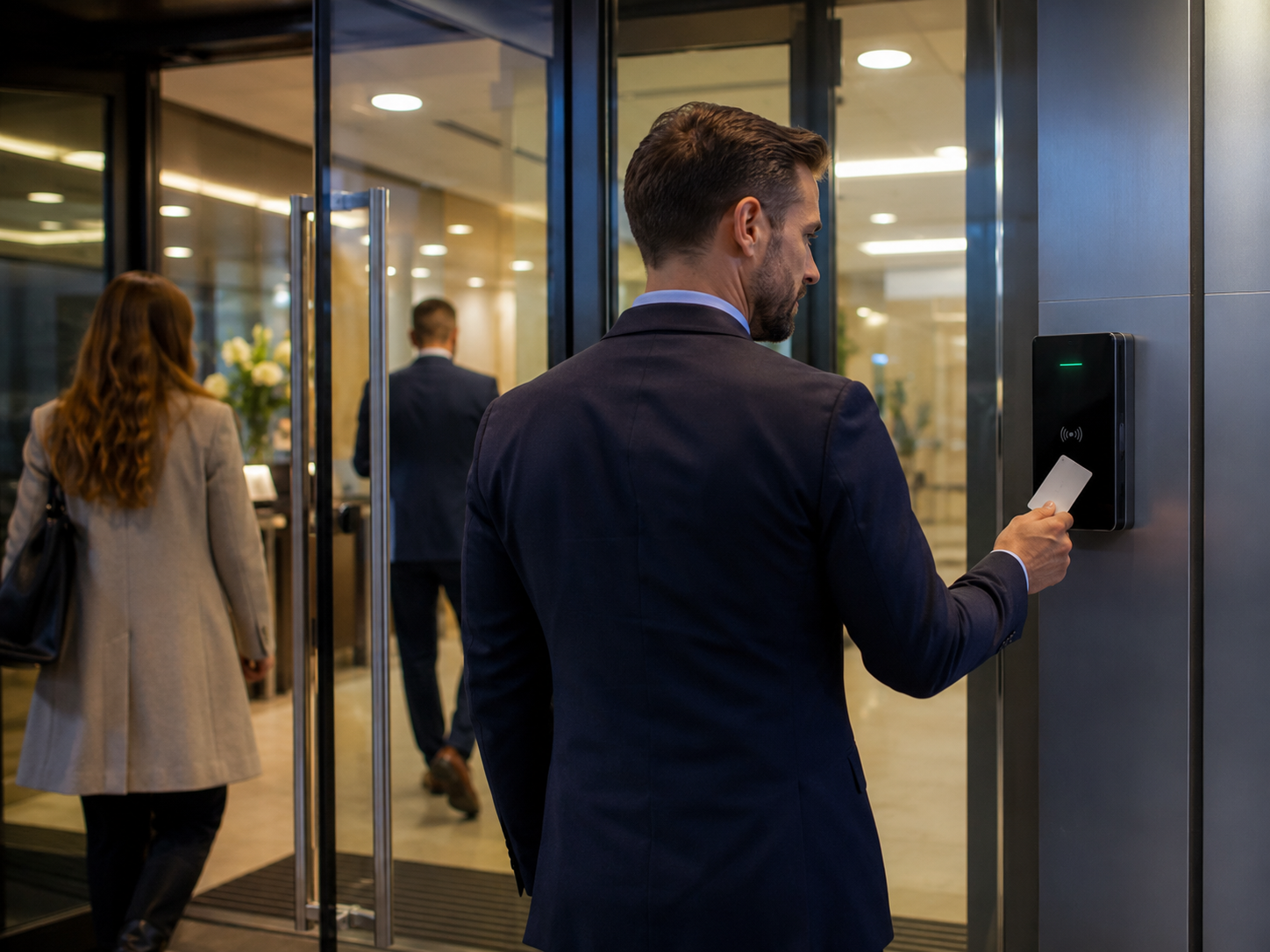
Slim Aluminum-Framed Glass Doors: Backset and Frame Width Matter
Slim aluminum-framed glass doors are widely used in modern offices, hotel public areas and commercial interiors. They combine the transparency of glass with a metal frame that can support more lock options.
However, the aluminum stile is often narrow. Many slim-frame doors use profile widths around 35mm to 50mm, depending on the system. A standard lock with a larger backset may not fit.
Before choosing a smart lock or access-control-compatible lock for this type of door, buyers should confirm:
- Aluminum profile width
- Lock backset requirement, such as 35mm or 50mm options
- Door thickness and frame construction
- Swing direction
- Lock body depth
- Cable route, if electronic access is required
- Handle position and finish
If the frame is too narrow, a standard smart lock may look suitable in photos but fail during installation. This is a common problem in office partition projects where the design calls for thin profiles but the hardware is selected later.
For slim aluminum glass doors, narrow-profile smart locks can be a practical solution, but only when the frame width, backset and wiring path are checked in advance.
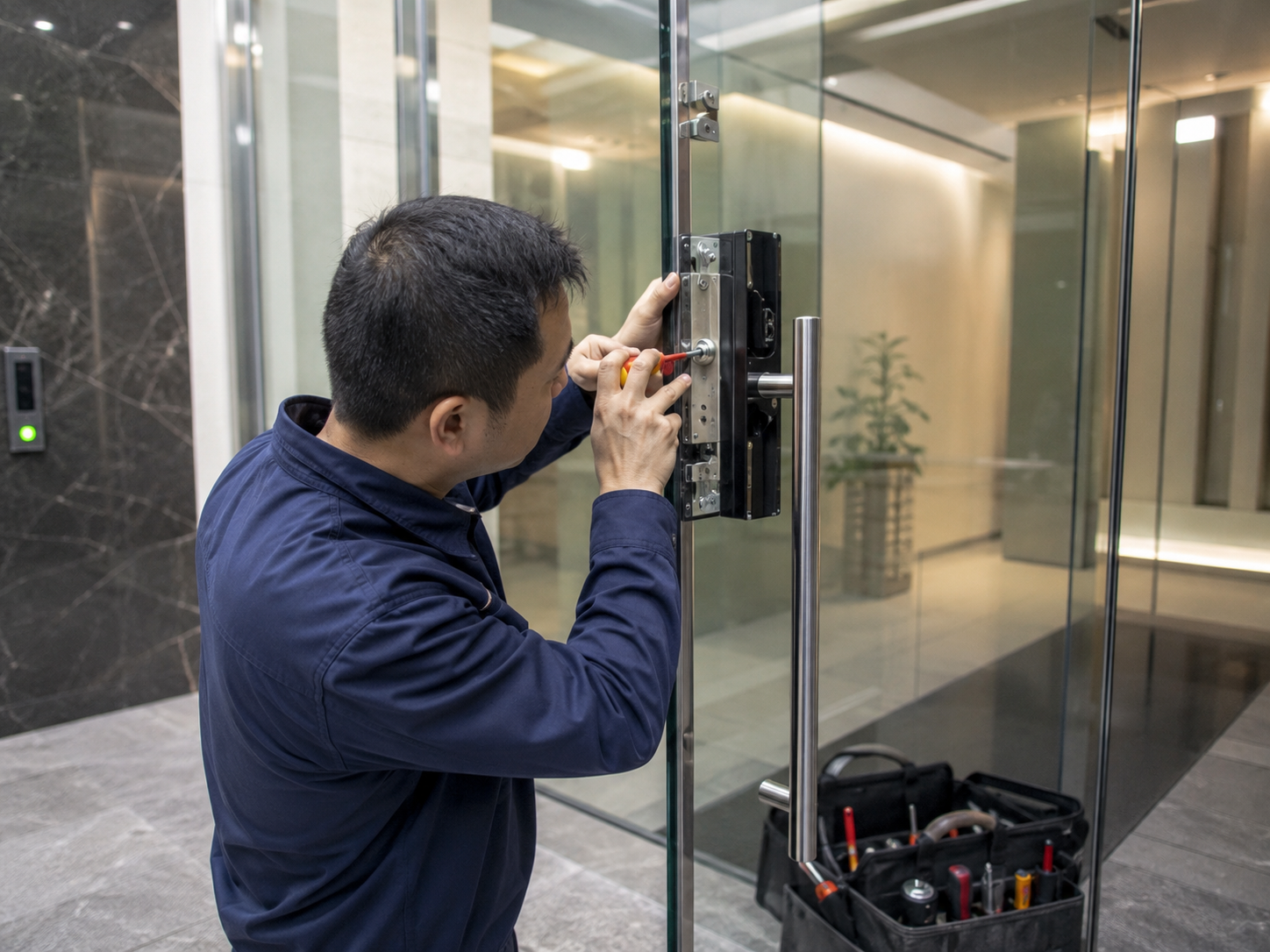
Sliding Glass Doors and Office Partitions
Sliding glass doors are often used in offices, meeting rooms, showrooms and interior partitions. Lock selection for sliding doors is different from swing doors.
The lock must match:
- Sliding direction
- Panel overlap
- Door closing position
- Lock tongue direction
- Keeper position
- Glass thickness or frame profile
- Whether the lock is used for privacy or security
A swing door lock should not be forced onto a sliding glass panel. Even if it can be installed, it may create poor alignment, difficult locking or weak holding strength.
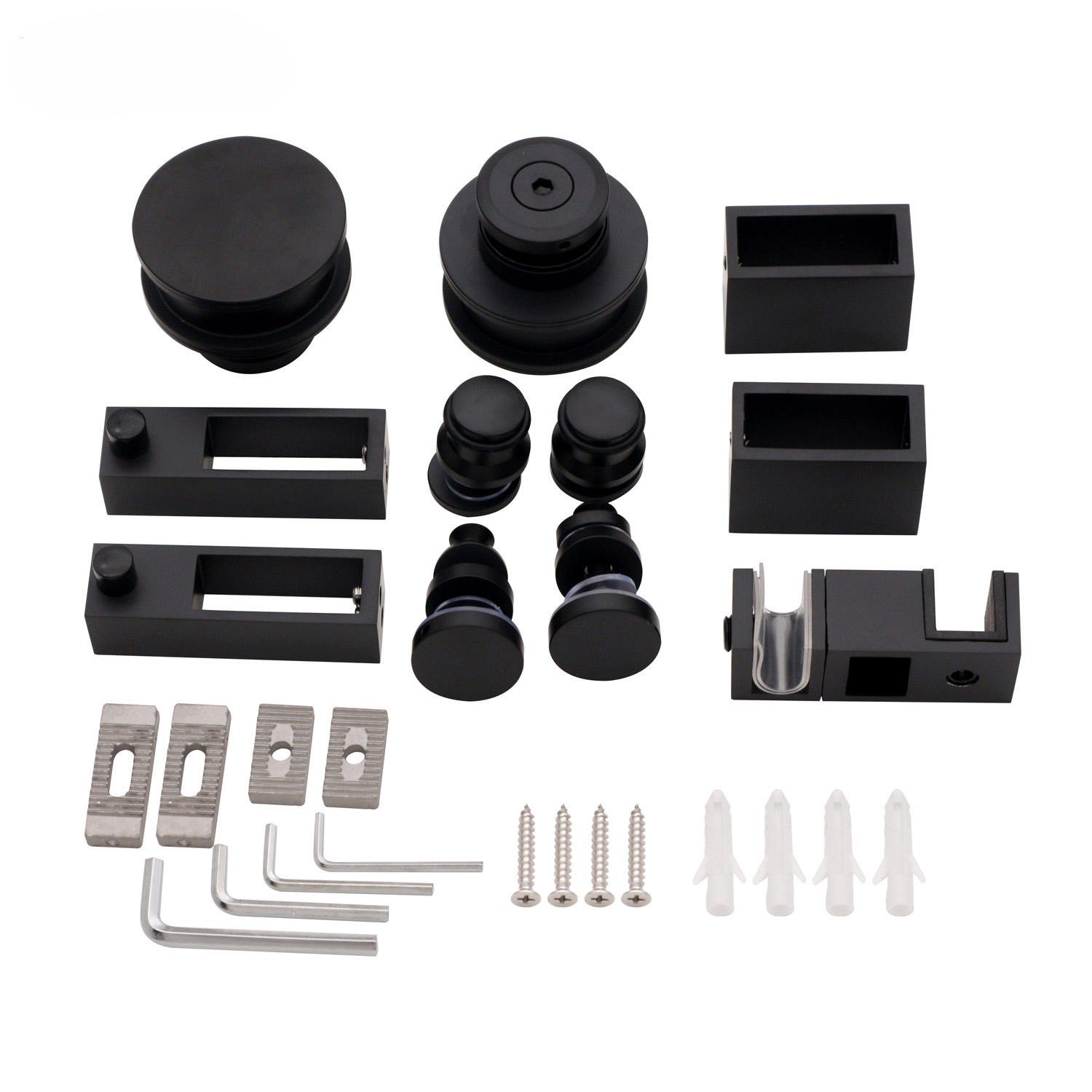
For sliding glass office doors, the best solution is usually a sliding lock, hook lock or selected smart lock designed for sliding movement. If the door is frameless, the installer must also check whether the lock can be clamped securely without damaging the glass edge.
Mechanical Lock, Smart Lock or Access-Control-Compatible Hardware?
Not every hotel or office glass door needs a smart lock. A good hardware schedule uses different lock types in different areas.
| Option | Best for | Main concern |
| Mechanical glass door lock | Small offices, storefronts, simple partitions | Reliable locking and low maintenance |
| Smart glass door lock | Meeting rooms, serviced offices, selected hotel or office areas | Power, lock body size and user management |
| Access-control-compatible lock | Main office entrances, hotel public areas, commercial buildings | Wiring, reader compatibility and safety release |
| Bottom lock or floor lock | Storefronts and commercial glass doors after hours | Floor keeper position and bolt alignment |
| Sliding glass lock | Office partitions and sliding doors | Sliding direction and panel overlap |
A mechanical lock is often the best choice when the project needs simple, stable locking. A smart lock is useful when the space needs user management, temporary access, card access or keypad access. Access-control-compatible locking hardware is more suitable when the door needs to connect with a wider building security system.
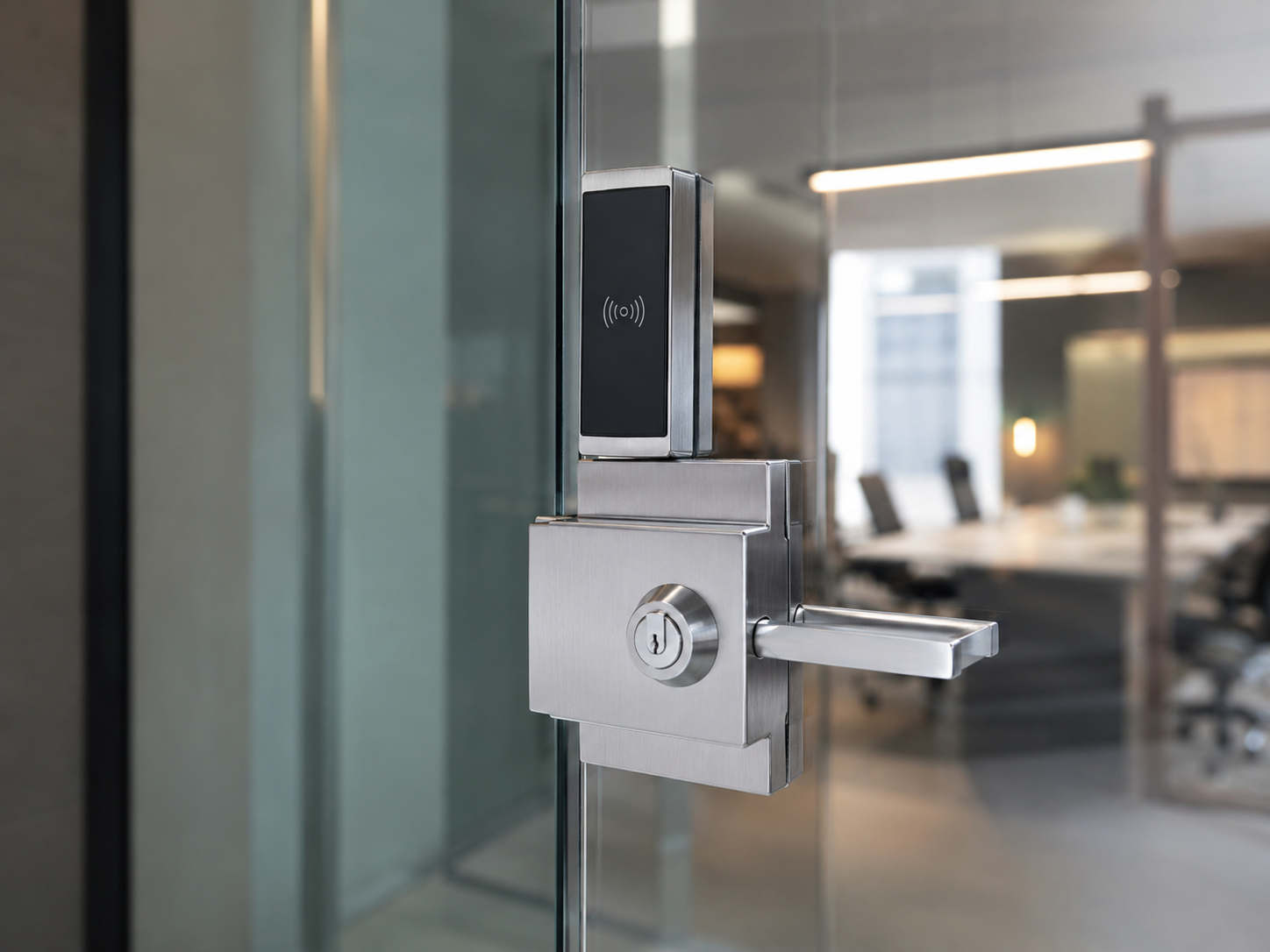
But access control is a system. It may include readers, controllers, power supply, exit buttons, software, wiring and emergency release. These parts should be confirmed with the access control contractor. Metech focuses on supplying compatible glass door locks and related door hardware that match the door structure and project requirement.
Common Problems When Lock Selection Comes Too Late
Lock hardware should be discussed before glass cutting, frame production and door installation. Late lock selection often causes avoidable site problems.
The lock body does not fit the door
This happens when a smart lock is selected without checking glass thickness, aluminum profile width or lock body depth.
The glass cut-out is wrong or missing
For tempered glass, this is a serious issue. Glass cannot be drilled after tempering, so the lock and handle holes must be confirmed before production.
The latch does not align with the keeper
If the door does not close to the same position every time, the latch or bolt may rub, jam or fail to lock smoothly.
Wiring becomes exposed
Electronic locks need power or signal wiring. If the wiring path is not planned early, the finished door may have visible cables or require rework.
The lock conflicts with patch fittings or handles
Glass door locks, handles, patch fittings and hinges need to be coordinated. If each item is selected separately, the final door may look crowded or become difficult to operate.
The finish does not match other hardware
In hotels and offices, visible hardware should look consistent. Locks, handles, patch fittings and door closers should be checked together for finish matching.
Practical Selection by Project Area
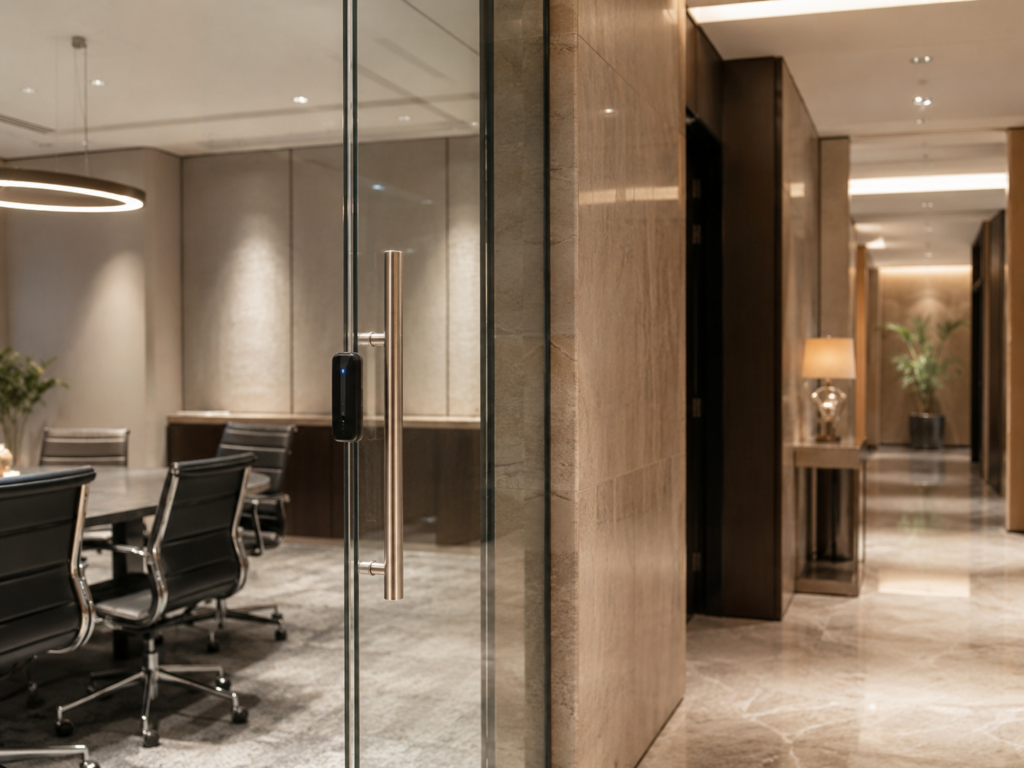
For hotel lobby glass doors, the lock should be durable and easy to use. If the door is part of the main entrance, after-hours security and closing accuracy are more important than adding unnecessary smart functions.
For office entrance doors, access control may be required for staff management. In this case, the lock type, reader position, wiring and emergency release should be checked before ordering.
For meeting rooms, privacy and easy daily use matter more. A smart lock, keypad lock or mechanical privacy lock may be suitable depending on how the space is managed.
For executive offices, the lock should match both security and appearance. If the door uses slim aluminum framing, backset and profile width must be confirmed carefully.
For retail storefronts, the main requirement is usually reliable night locking. A bottom lock, patch lock or center lock may be enough if the door closes accurately and the keeper position is stable.
How Metech Supports Glass Door Lock Projects
Metech Hardware supports hotel, office and commercial glass door projects with mechanical glass locks, selected smart lock options and related glass door hardware.
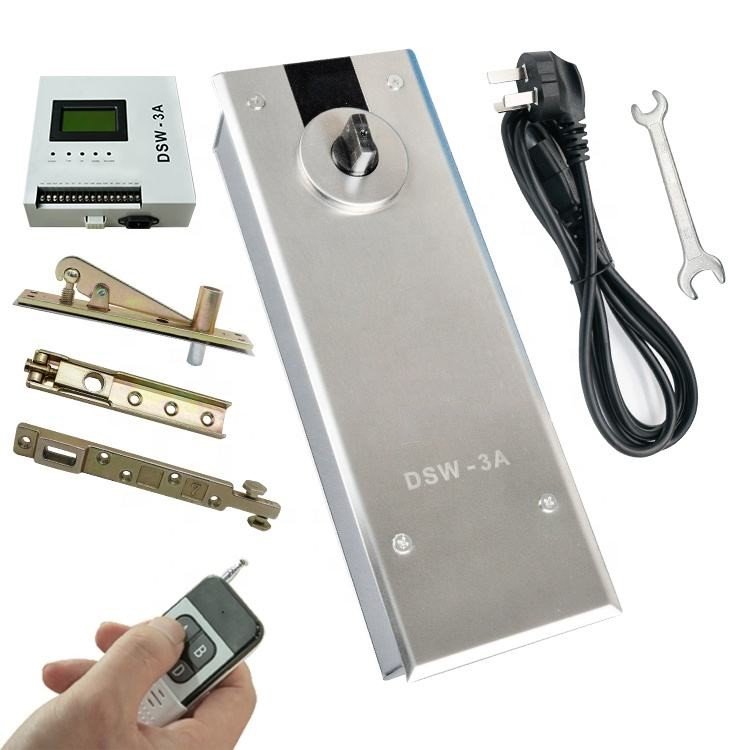
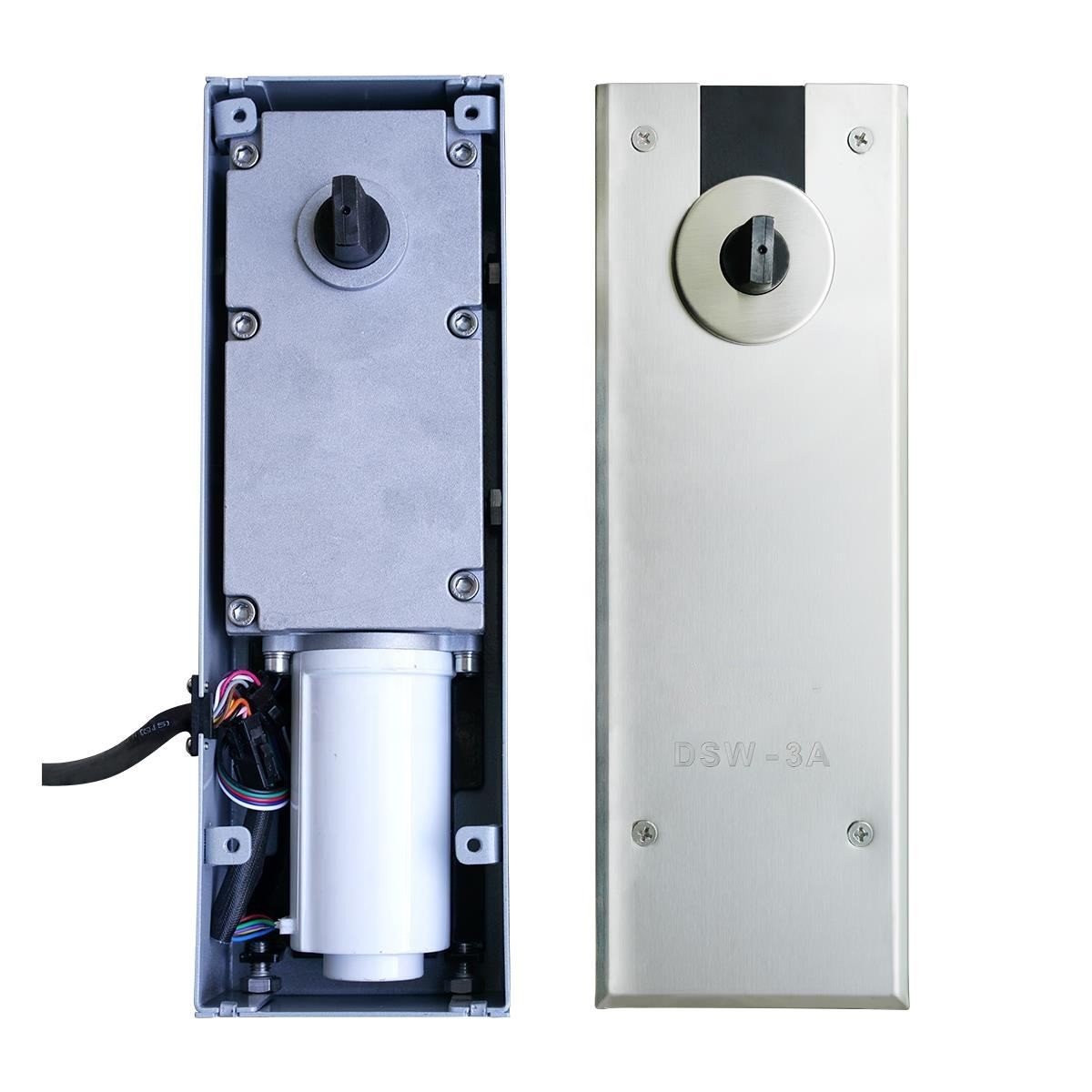
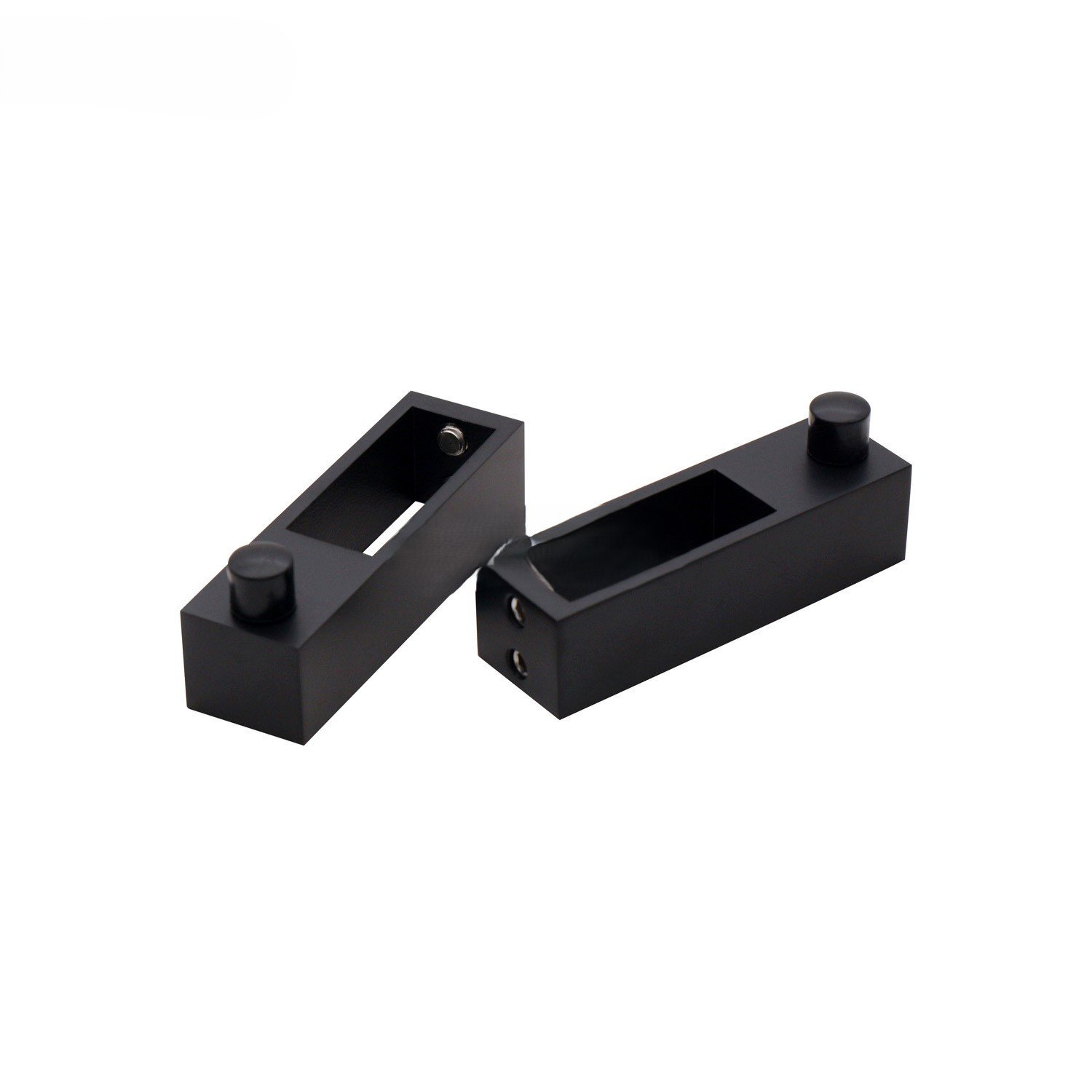
Our product range includes glass patch locks, bottom locks, center locks, sliding door locks, selected smart locks, pull handles, patch fittings, floor springs, door closers and matching hardware for commercial glass doors.
Before recommending a lock, we prefer to check the door type, glass thickness, door size, opening direction, lock position, frame width, handle position, security requirement and finish preference. These details help us suggest a practical hardware combination instead of matching products only by appearance.
For overseas buyers, contractors and distributors, Metech can also support mixed hardware orders, OEM packaging, finish matching and export packing. This is useful when one project needs locks, handles, patch fittings, door control hardware and related glass fittings in the same shipment.
FAQ
Can I install a smart lock on an existing frameless glass door without drilling?
Sometimes yes, but only if the lock is designed for clamp-on or surface-mounted installation. The glass thickness, door gap, lock body size and keeper position must be checked before ordering.
What backset is needed for slim aluminum glass doors?
It depends on the aluminum profile. Many narrow-stile doors require compact lock options such as 35mm or 50mm backset designs. A standard larger backset lock may not fit a slim frame.
Is a smart lock always better than a mechanical glass door lock?
No. For simple storefronts, low-maintenance offices or basic partitions, a mechanical glass lock may be more practical. Smart locks are better when user management, card access, keypad access or temporary access control is needed.
Can access control hardware be used with glass doors?
Yes, but the door structure, lock type, wiring route, reader position and safety release need to be planned together. The access control system contractor should confirm the electronic system, while the glass door hardware supplier should confirm the lock and door hardware compatibility.
Can Metech supply locks together with other glass door hardware?
Yes. Metech can supply glass door locks together with patch fittings, pull handles, floor springs, door closers and related glass door hardware for hotel, office and commercial projects.
Need Glass Door Lock Hardware for a Hotel or Office Project?
Send us the door type, glass thickness, door size, frame width, opening direction, lock position, security requirement and finish preference. Metech Hardware can help recommend suitable glass door lock hardware and matching fittings for your hotel, office or commercial glass door project.