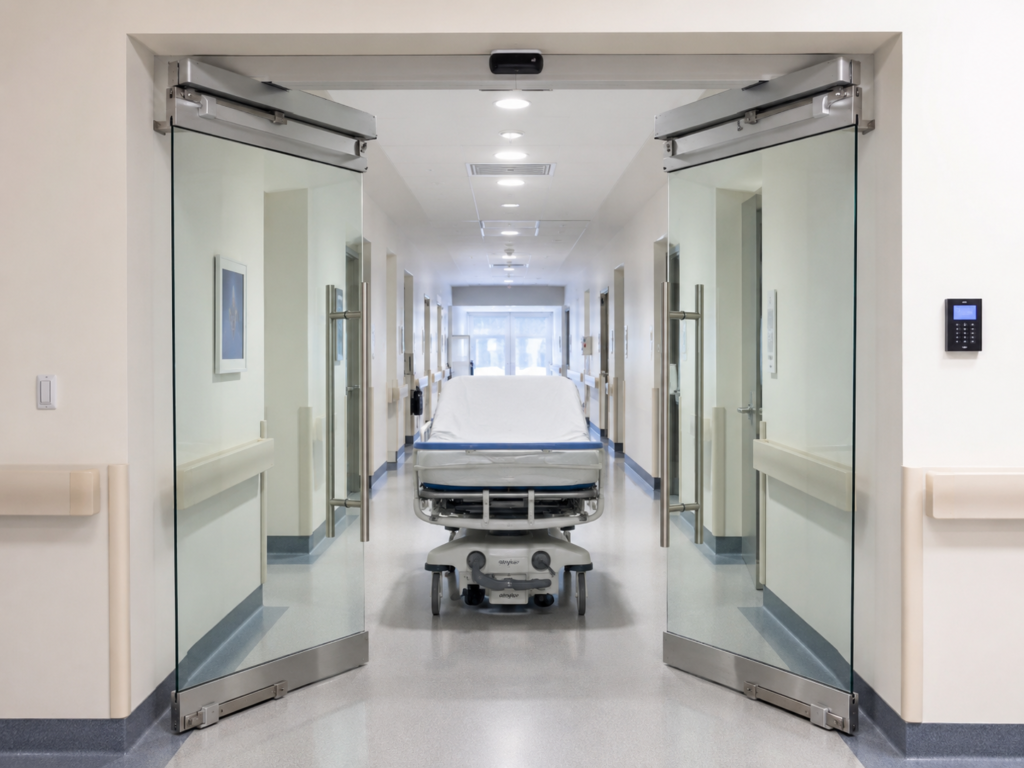
Hospitals, dental clinics, rehabilitation centers, aged care facilities and accessible commercial entrances require doors that are easy, safe and reliable to use.
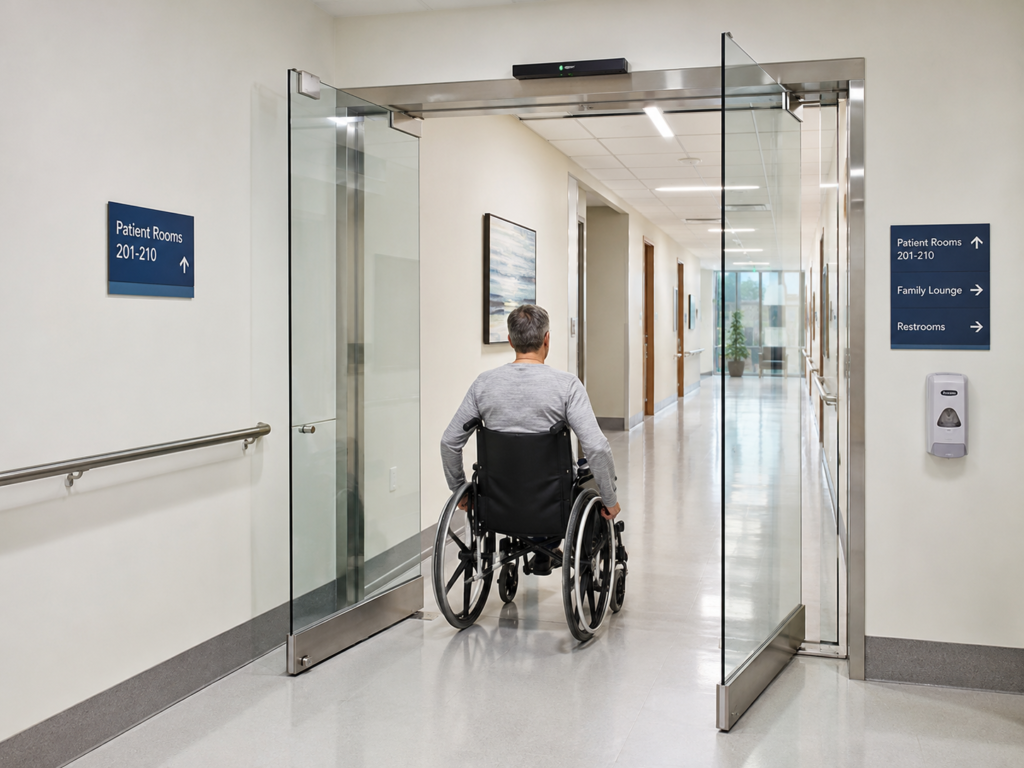
In these spaces, a door is not only a physical opening. It must support patients, visitors, medical staff, wheelchair users, elderly people, trolleys and sometimes stretchers moving through the building smoothly.
A standard manual glass door may look clean and modern, but a heavy frameless glass panel can require considerable force to push open. For users with limited mobility, or for staff pushing medical equipment, this can become a daily obstacle.
In hygiene-sensitive environments, reducing shared touch points is also important. Instead of relying only on pull handles, many healthcare and accessible entrances use automatic swing glass door systems with touchless activation, safety sensors and controlled locking.
However, automating a frameless glass door is not simply adding a motor. The floor operator, glass panel, patch fittings, pivots, sensors, access control, locking hardware and manual backup function must work together as one coordinated system.
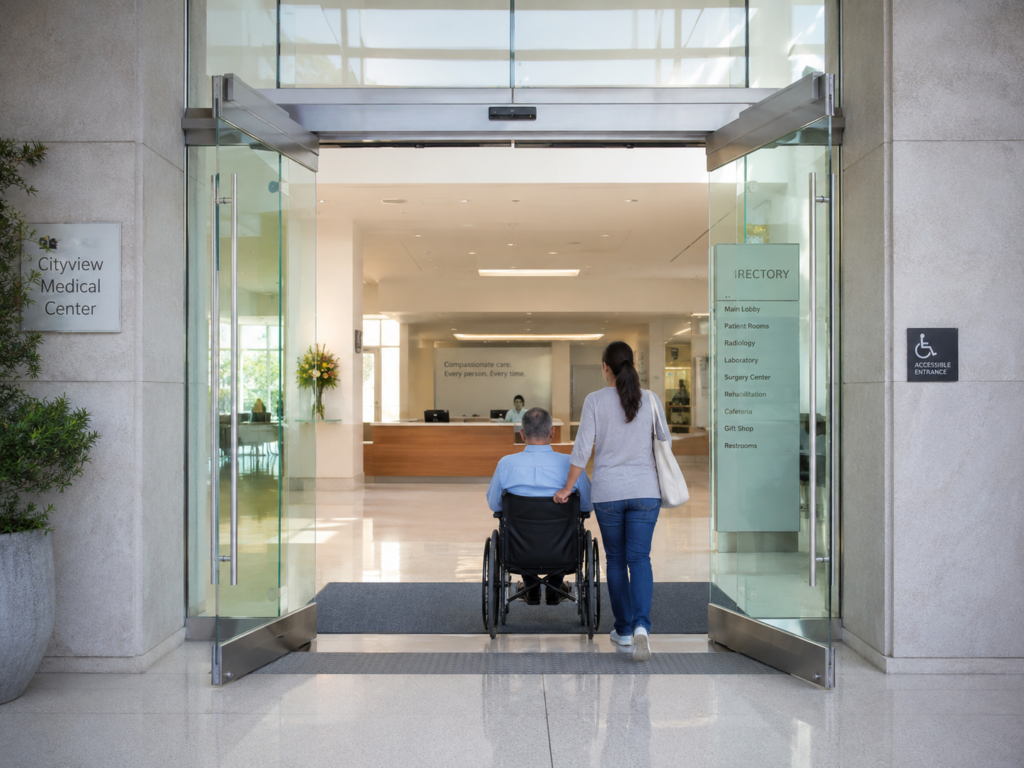
Typical Applications
| Application area | Main requirement |
|---|---|
| Hospitals | Wheelchair, trolley and patient access |
| Dental clinics | Compact automatic entrance with clean appearance |
| Rehabilitation centers | Easier passage for users with limited mobility |
| Aged care facilities | Low-force operation and safer access |
| Accessible commercial buildings | Button, sensor or access-control activation |
| Office or hotel accessible entrances | Premium design with convenient entry |
| Controlled internal areas | Access control and reduced contact |
Not every healthcare or accessible entrance needs an automatic swing door. The correct solution depends on the door opening, available space, traffic flow and project requirements.
Automatic Swing Door or Automatic Sliding Door?
Automatic sliding doors are common in supermarkets, malls and high-traffic retail entrances. They are usually suitable when the opening is wide and there is enough side space for the moving panels.
Automatic swing doors are different. They keep the original hinged or pivoting movement and are often used where the project needs to maintain a swing-door structure.
An automatic swing glass door may be suitable when:
- There is limited side space for sliding panels
- The existing opening is designed for a swing door
- A frameless glass appearance is required
- The entrance has moderate traffic
- Wheelchair or trolley access is needed
- Push buttons, touchless sensors or access control must be added
- The project is a renovation and cannot easily change the opening
For many clinics, accessible office entrances and internal healthcare doors, an automatic swing system can provide automation without changing the full door layout.
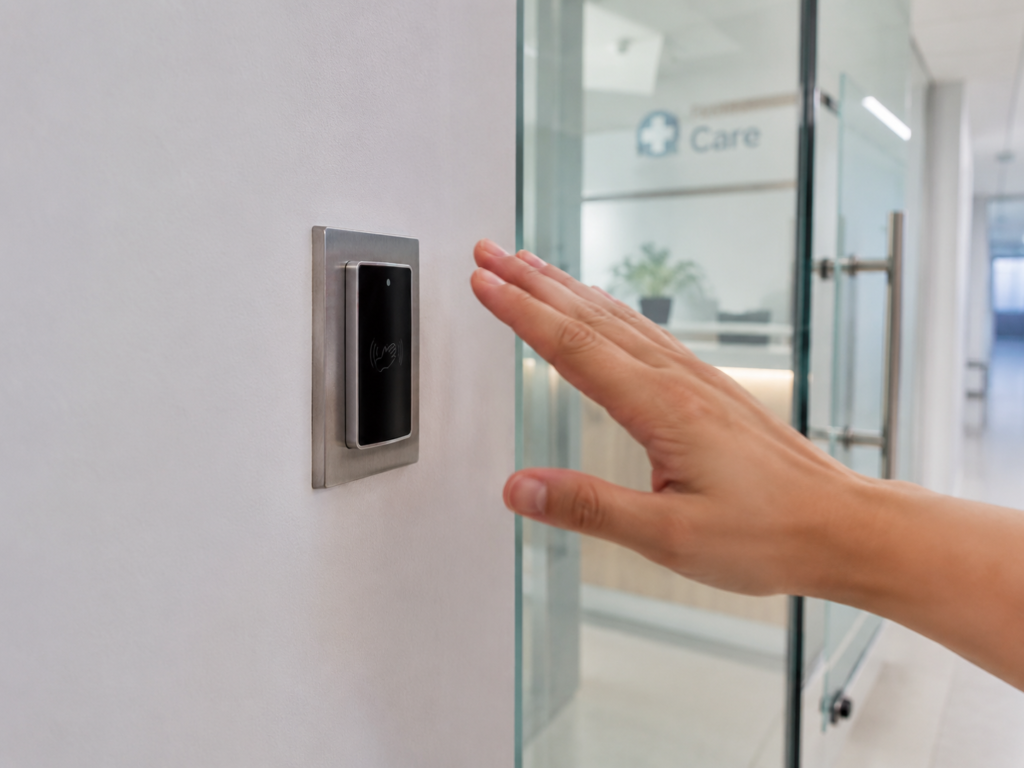
Automatic Floor Operator for Frameless Glass Doors
Frameless glass doors do not always provide the same fixing conditions as timber, steel or aluminum-framed doors. For premium glass entrances, an automatic floor operator is often preferred because it keeps the drive system concealed.
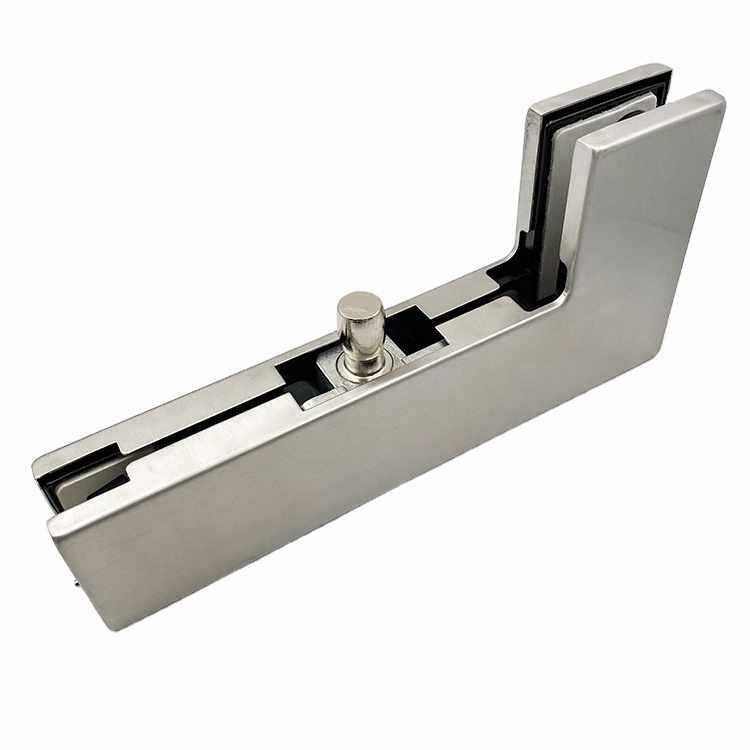
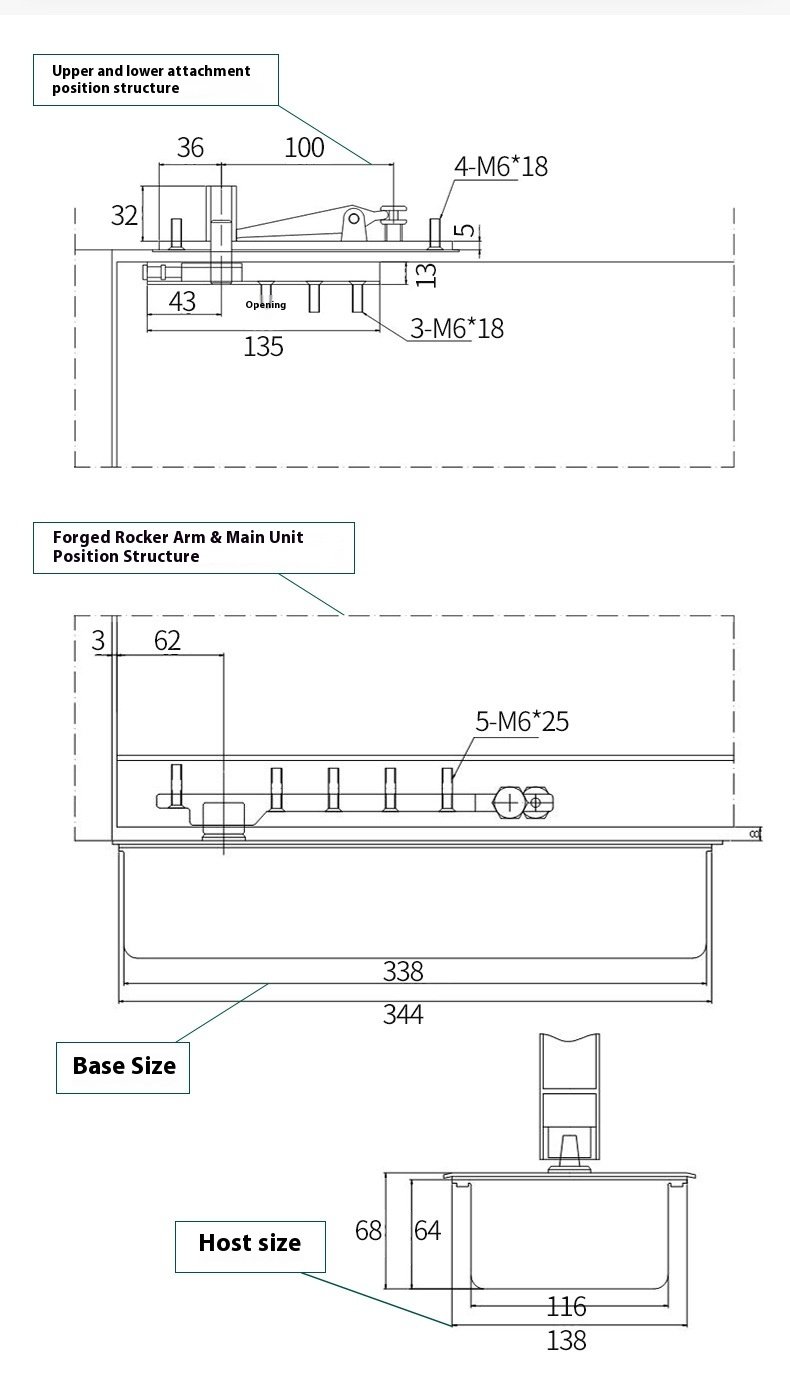
An automatic floor operator is installed at floor level under a stainless steel cover plate. Its spindle connects to the bottom patch fitting of the glass door and drives the door to the configured opening angle.
This design is useful when the project requires:
- A clean frameless glass appearance
- No visible overhead operator
- Motorized swing-door movement
- Integration with sensors and access control
- Stable operation for commercial glass doors
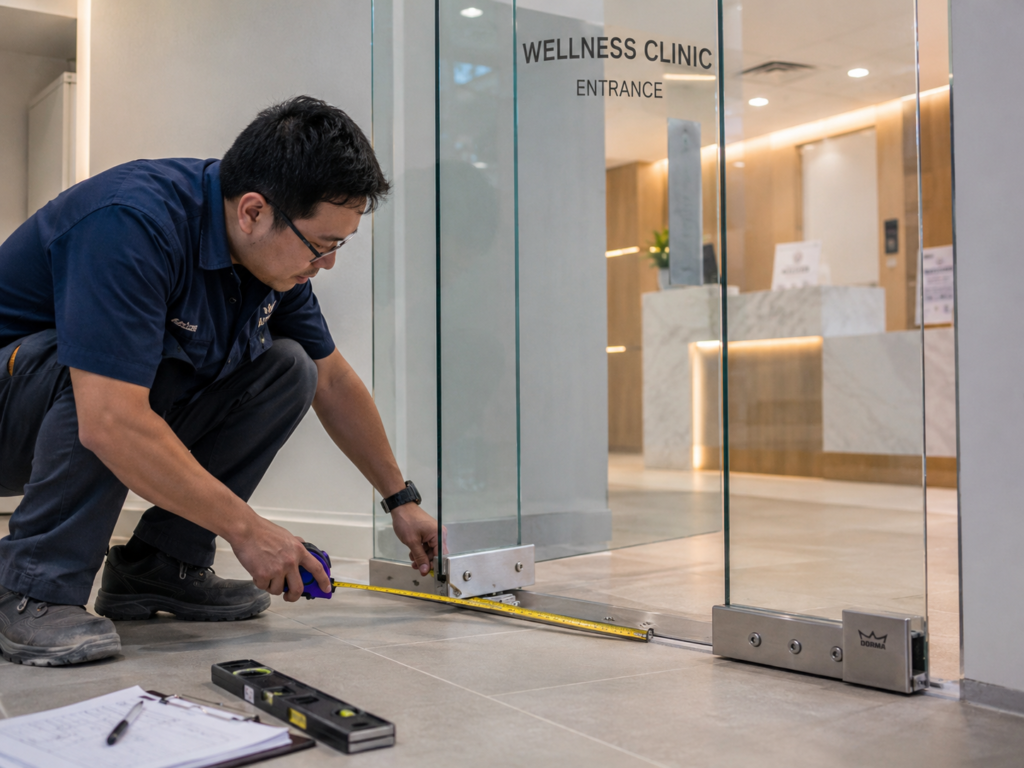
Before selection, the door width, height, glass thickness, estimated weight, opening direction, power supply and floor structure must be confirmed.
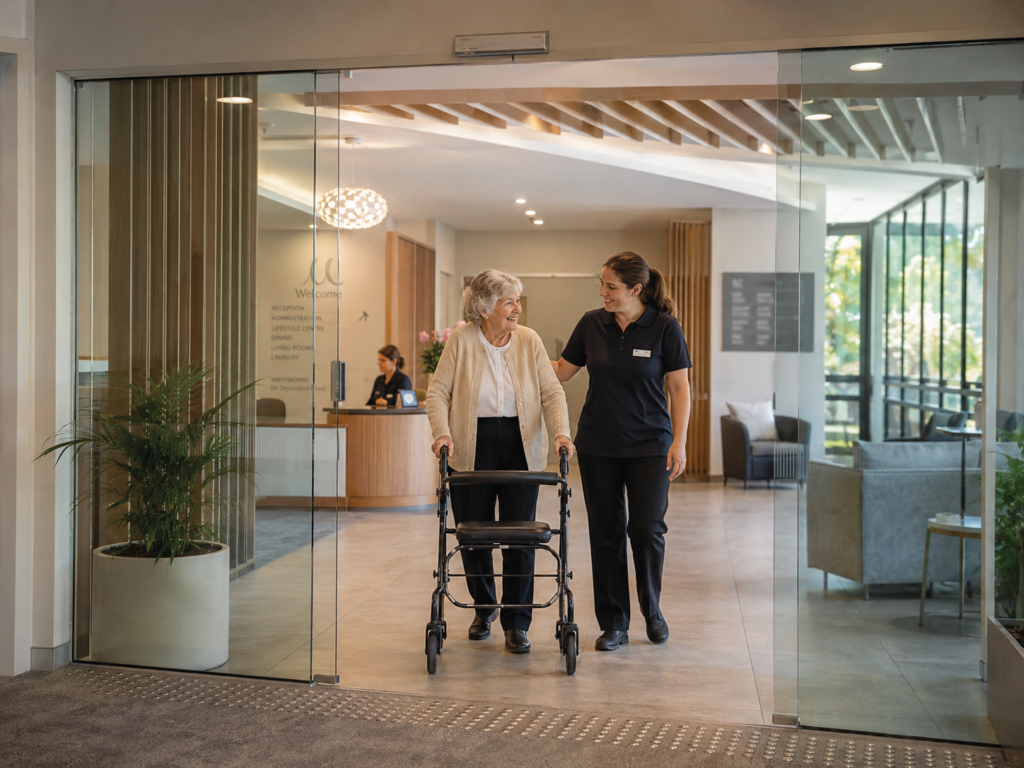
Touchless Activation and Safety Sensors
An automatic door system needs both activation and safety planning.
Activation devices tell the door to open. Depending on the operator and control system, options may include:
- Touchless wave switches
- Push pads
- Foot switches
- Card readers
- Keypads
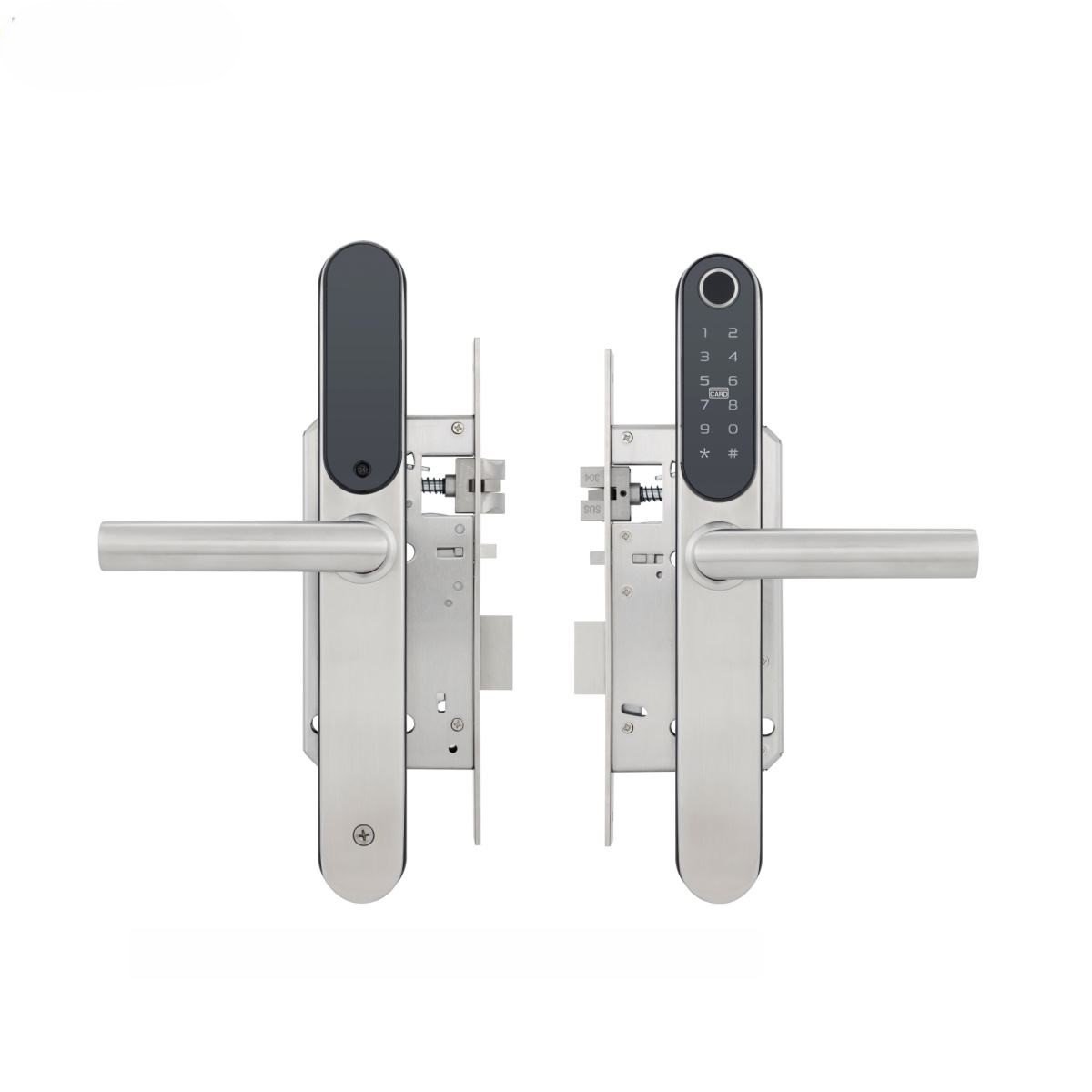
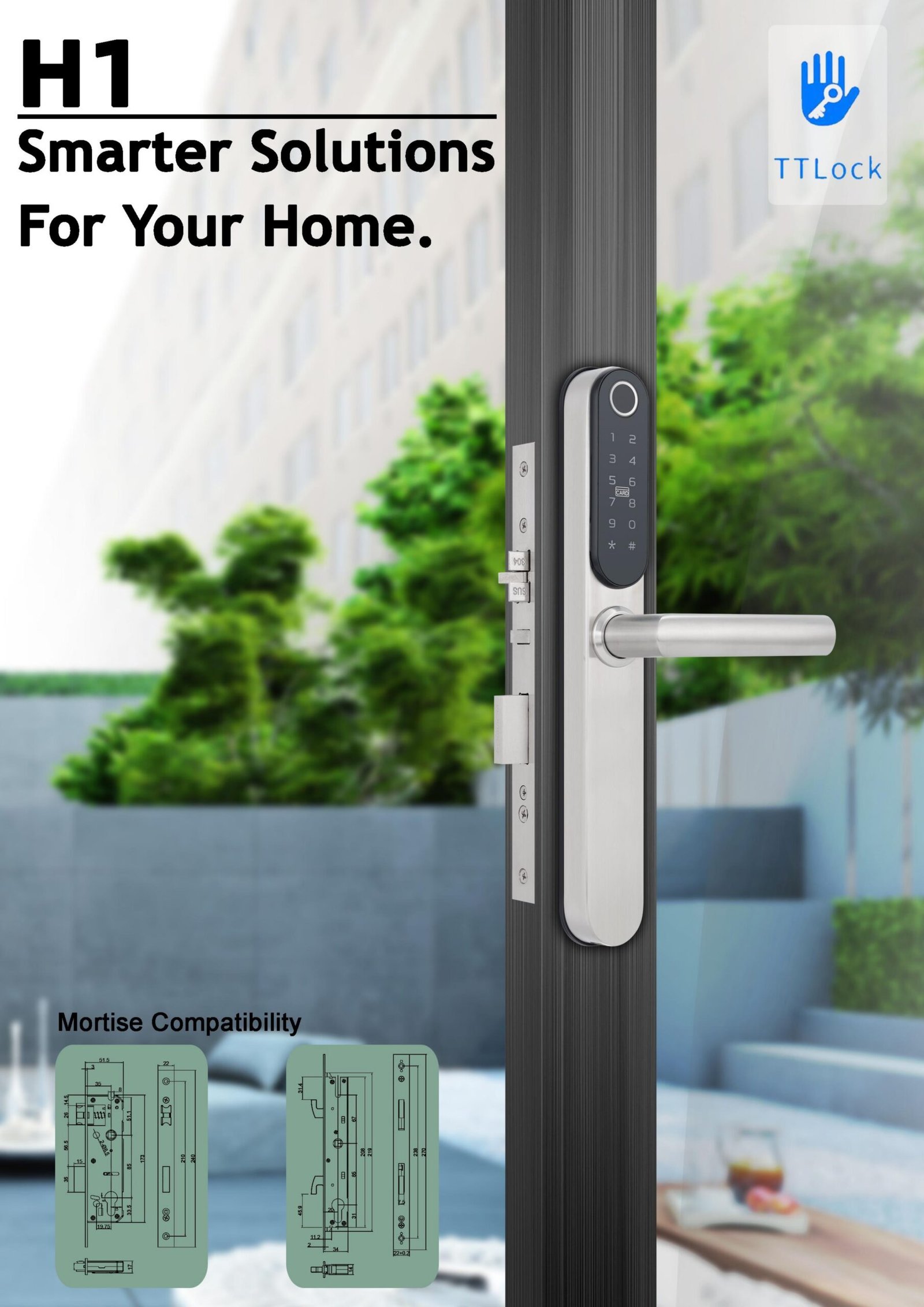
- Fingerprint devices
- Remote-control signals
- Building access-control signals
In healthcare and accessible spaces, touchless activation can reduce the need to touch shared handles or buttons.
Safety sensors have a different purpose. They help monitor the moving door area and reduce the risk of contact with users, wheelchairs, trolleys or obstacles.
For swing doors, the sensor position and coverage should be reviewed according to:
- Door width
- Opening angle
- Traffic direction
- User speed
- Door location
- Surrounding walls or furniture
Activation sensors and safety sensors should not be treated as the same thing.
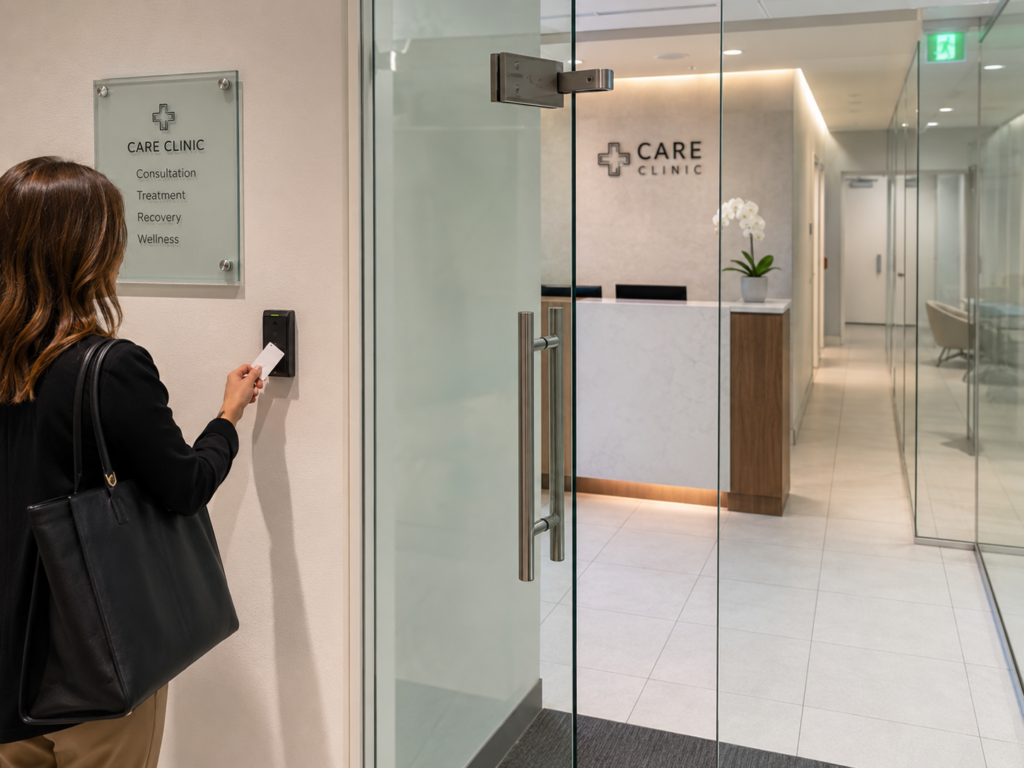
Locking, Access Control and Power Failure
Many healthcare and clinic entrances must remain accessible during working hours but secure after hours. This means the automatic operator, lock and access-control system must be planned together.
Possible locking options may include motorized bolts, electric locks, patch locks or smart access-control hardware, depending on the door structure and project requirements.
The system should confirm:
- How the door unlocks before opening
- How the lock engages after closing
- Whether access control controls one or both door leaves
- What happens during power failure
- Whether manual release or backup power is required
The required fail-safe or fail-secure behavior should be confirmed according to local life-safety, access-control and project requirements. For healthcare and accessible projects, emergency passage and manual operation must be discussed before installation.
Common Specification Mistakes
Selecting the Operator Without Checking the Door
The operator should not be selected by motor power alone. Door width, height, glass thickness, estimated weight, opening direction and traffic level must be checked first.
Treating Activation Sensors as Safety Sensors
A touchless switch may open the door, but it does not automatically protect the full swing area. Safety detection should be reviewed separately.
Forgetting Power and Control Wiring
Automatic floor operators, sensors, access-control devices and electric locks all require power or signal wiring. If this is not planned early, installation may become more difficult and expensive.
Ignoring Water, Cleaning and Floor Conditions
In-ground operators require suitable floor conditions and maintenance access. Entrances exposed to rain, frequent cleaning or wet environments should be reviewed carefully.
Not Confirming Power-Failure Behavior
Power failure, manual release and backup operation should be confirmed before quotation, especially for healthcare and accessible entrances.
Project Information Required Before Quotation
Before recommending a solution, please provide:
- Door width and height
- Glass thickness
- Estimated door weight
- Single or double-door layout
- Indoor or outdoor installation
- Opening direction
- Required opening angle
- Expected traffic level
- Activation method
- Access-control requirement
- Safety-sensor requirement
- Power supply condition
- Floor structure
- Backup power or manual release requirement
- Required finish
- Project quantity
Photos, drawings and door elevation details can help confirm the correct hardware combination.
How Metech Supports Automatic Swing Glass Door Projects
Metech Hardware supplies automatic floor operators and related glass-door hardware for hospitals, clinics, accessible entrances and commercial projects.
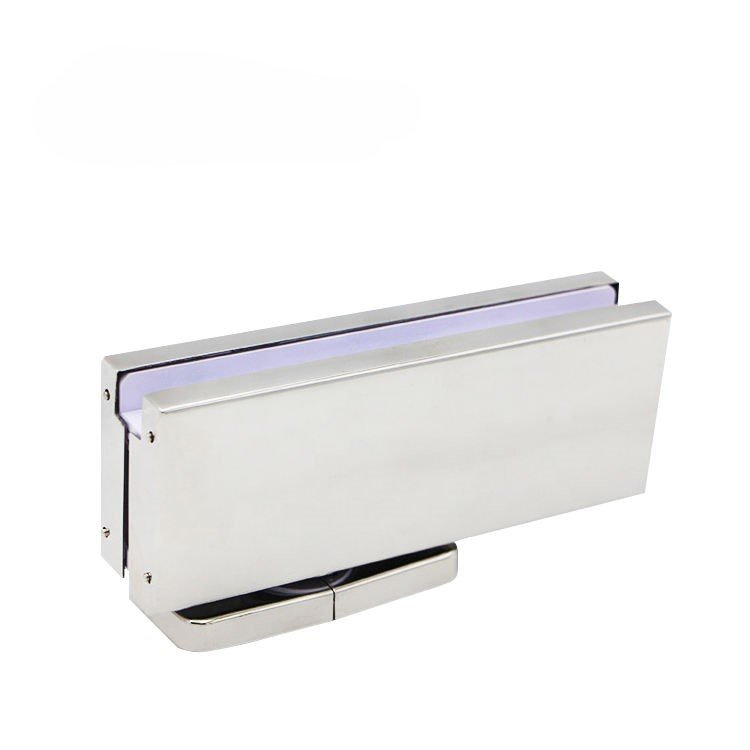
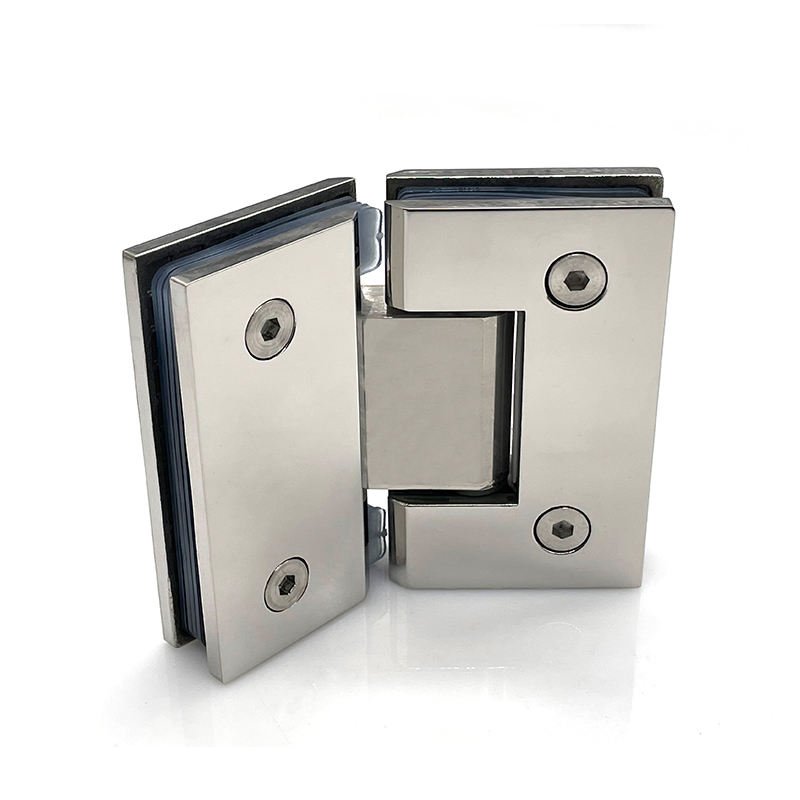
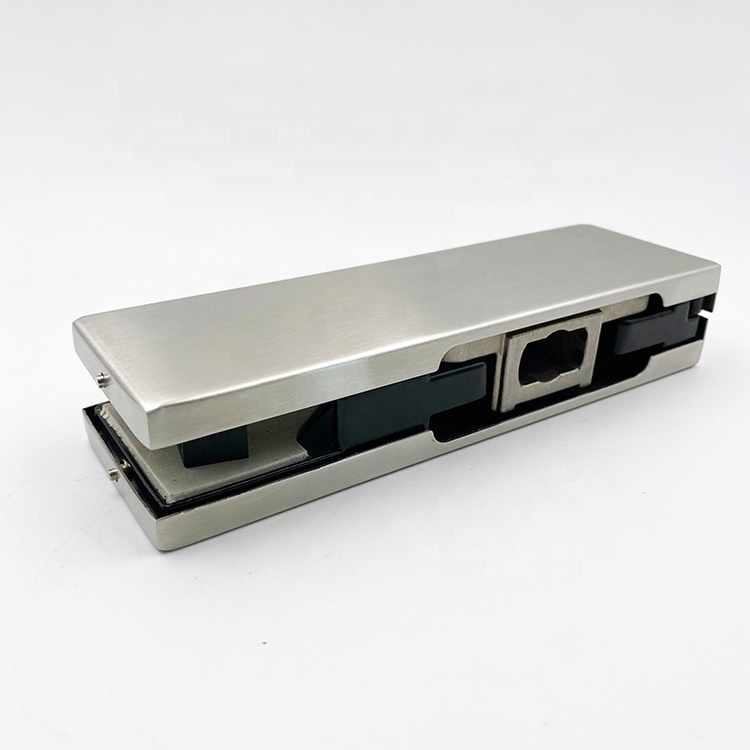
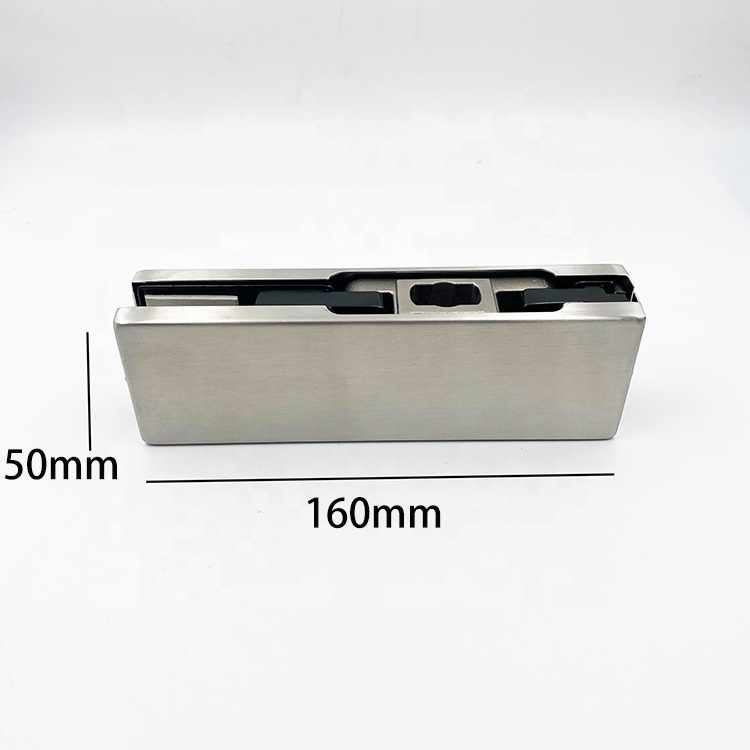
We can coordinate automatic operators, patch fittings, pivots, locks, pull handles, touchless activation devices and access-control hardware according to the project requirement. Door size, estimated weight, installation conditions, sensor needs and locking method can be reviewed before quotation and shipment.
Logo marking, customized packaging and mixed-product purchasing are also available for project and distributor orders.
Frequently Asked Questions
Can a frameless glass door be automated?
Yes. The door weight, width, glass thickness, pivot structure and operator capacity must be checked before selection.
When should I choose an automatic swing door instead of a sliding door?
An automatic swing door is suitable when side space is limited, the opening is already designed for a swing door, or a frameless swing-door appearance must be kept.
Can an automatic swing door work with touchless sensors?
Yes. Touchless switches, push pads or access-control signals can be configured depending on the operator and control system.
Can the system work with electric locking?
Yes, but the operator, lock and access-control system must be compatible. Unlocking, opening, closing and relocking should be reviewed together.
What happens during power failure?
It depends on the operator and lock configuration. Manual operation, release function, backup power and fail-safe or fail-secure behavior should be confirmed before installation.
Need an Automatic Swing Glass Door Solution?
Send us your door size, glass thickness, estimated weight, opening direction, activation method and access-control requirement.
Metech Hardware can help review the automatic floor operator, glass fittings, lock and handle combination for your project.