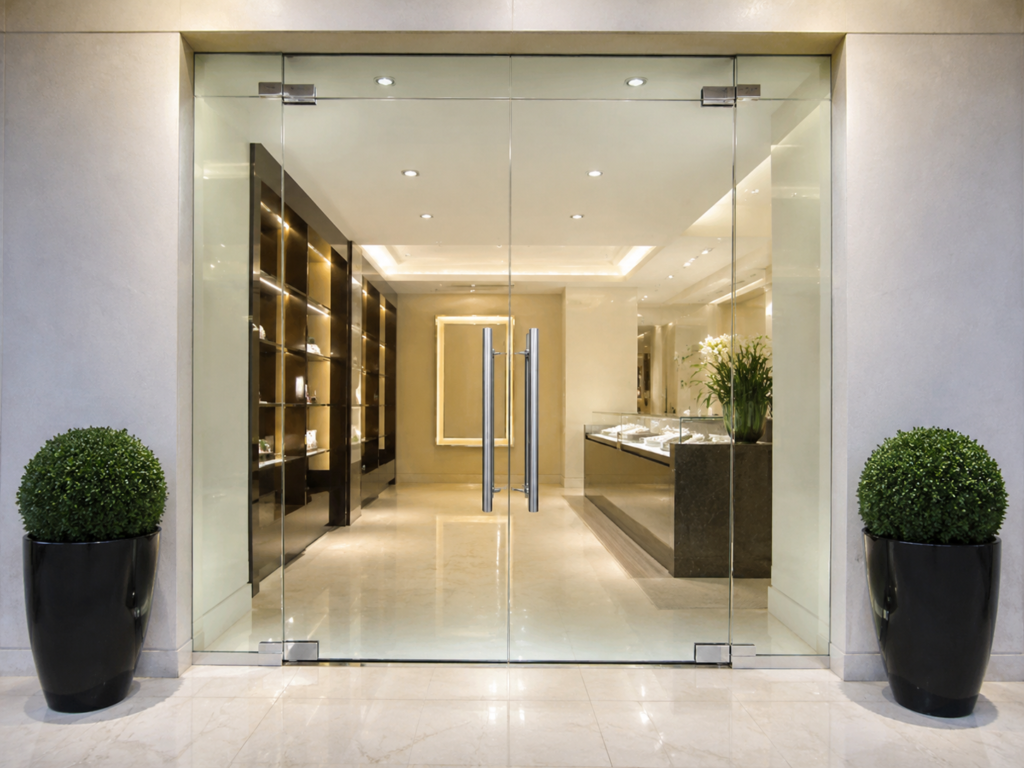
Installing a frameless glass door in a new building is usually straightforward. The contractor can prepare the floor recess, install the floor spring box, process the glass and align the hardware before the entrance is completed.
A renovation project is different.
When upgrading a storefront, hotel entrance, office lobby or shopping mall glass door, the contractor must work with existing conditions. The floor may already be finished with marble or stone. There may be underfloor heating, waterproofing layers, utility lines or structural limitations. The tempered glass panels may already have fixed holes and cut-outs that cannot be changed.
For this reason, commercial glass door retrofit should start with compatibility checking, not only product replacement.
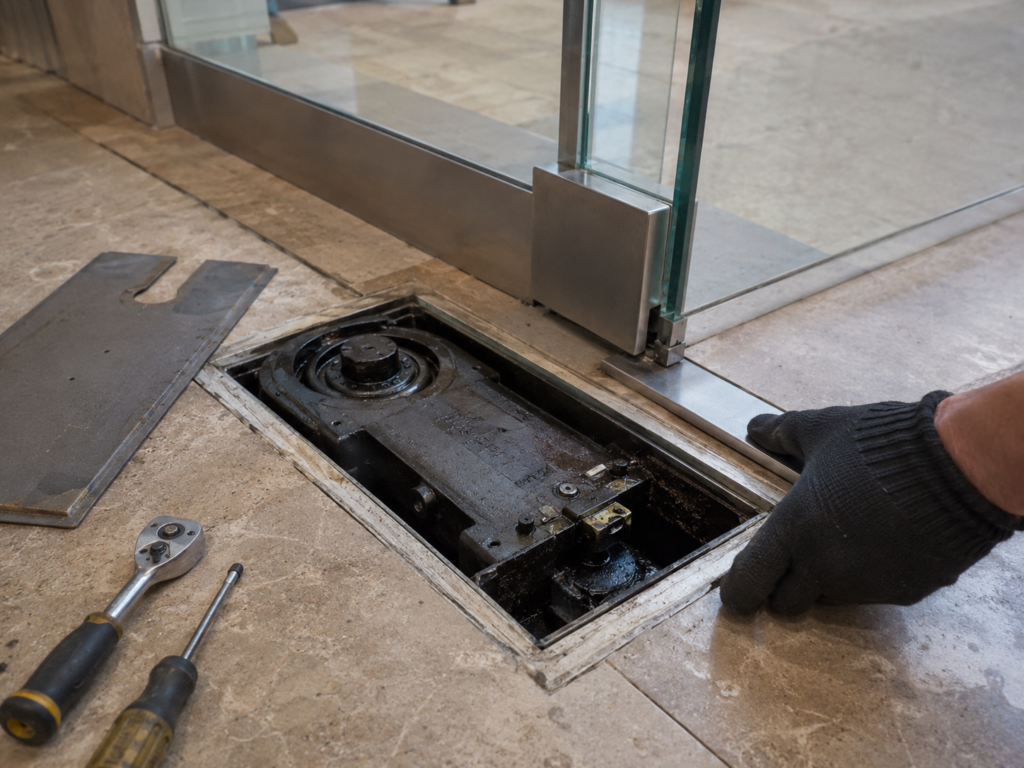
The existing floor box, spindle, glass cut-outs, patch fittings, pivots, locks and finished floor condition all affect which replacement hardware can be used.
Common Problems in Existing Commercial Glass Doors
| Site problem | Possible reason |
|---|---|
| Door does not close fully | Aging floor spring, poor adjustment or pivot misalignment |
| Floor spring leaks oil | Worn hydraulic seals or long-term high-frequency use |
| Door leaf sags | Loose patch fittings, compressed gaskets or worn pivot parts |
| Lock no longer aligns | Poor return-to-center, changed door gap or door sagging |
| Door feels heavy | Damaged floor spring, bearing resistance or installation error |
| Patch fitting becomes loose | Incorrect fixing, unsuitable gaskets or glass thickness mismatch |
| Floor area is damaged | Old floor box corrosion or unstable installation base |
| Uneven door gaps | Top and bottom pivot misalignment or door movement |
A new floor spring may not solve the problem if the top pivot, bottom patch, glass cut-out or lock position is also incorrect.
Retrofit Option 1: Replace with a Similar Floor Spring
Replacing the old floor spring with a similar model is often suitable when the original door structure is still usable.
This option may work when:
- The existing floor box position can still be used
- The door size and weight have not changed
- The bottom patch can match the new spindle
- The top pivot remains aligned
- The main problem is oil leakage, weak closing or poor return
- The finished floor does not require major repair
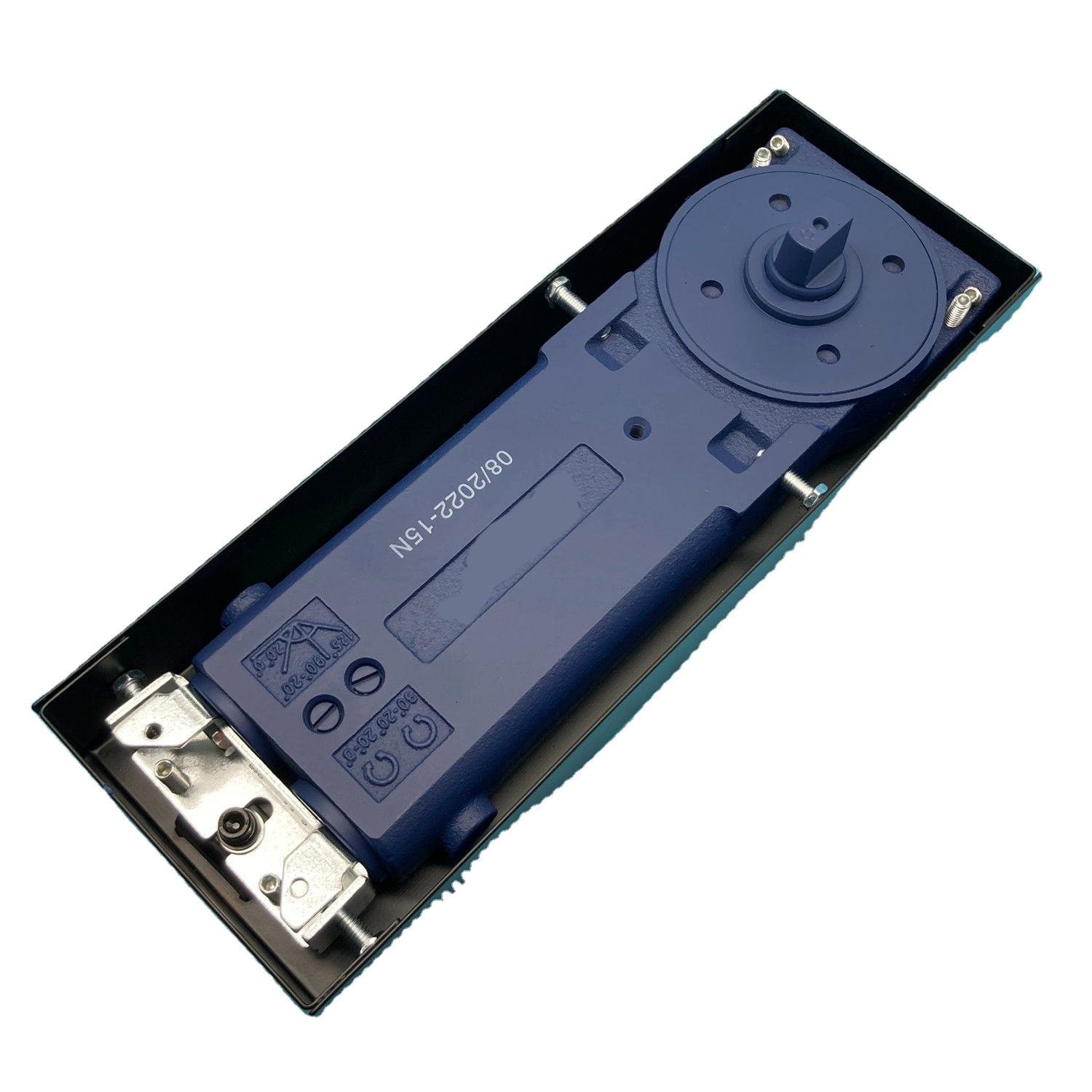
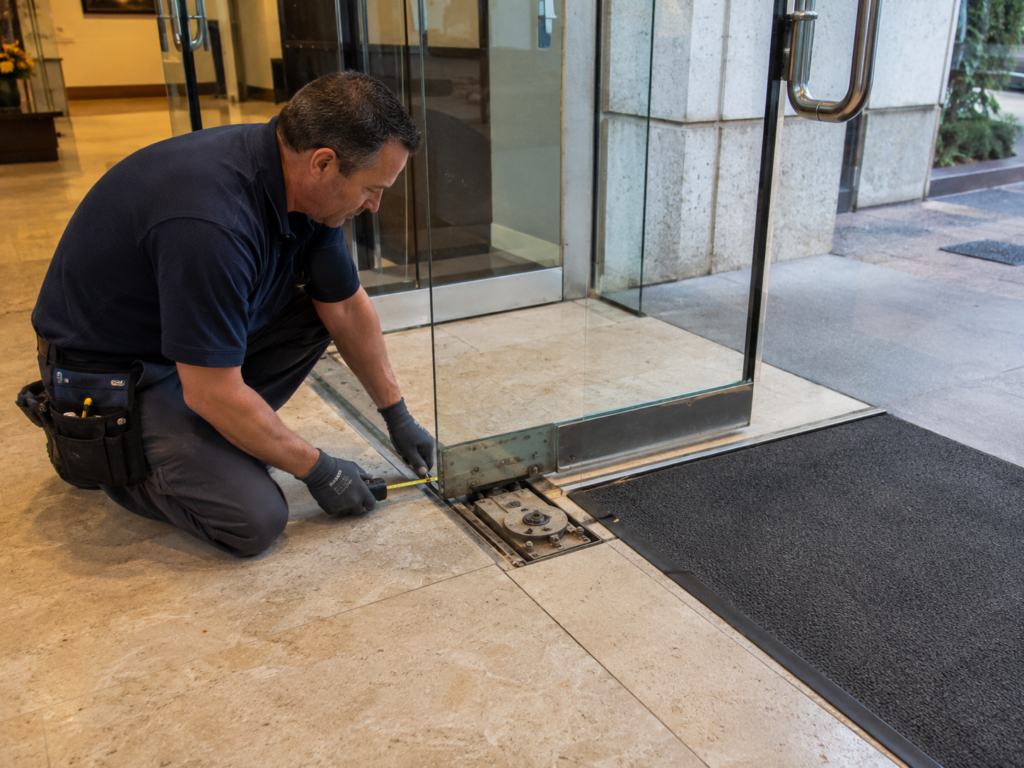
Before selecting a replacement floor spring, confirm the floor spring box size, spindle shape, spindle height, door weight, opening angle, hold-open requirement and bottom patch compatibility.
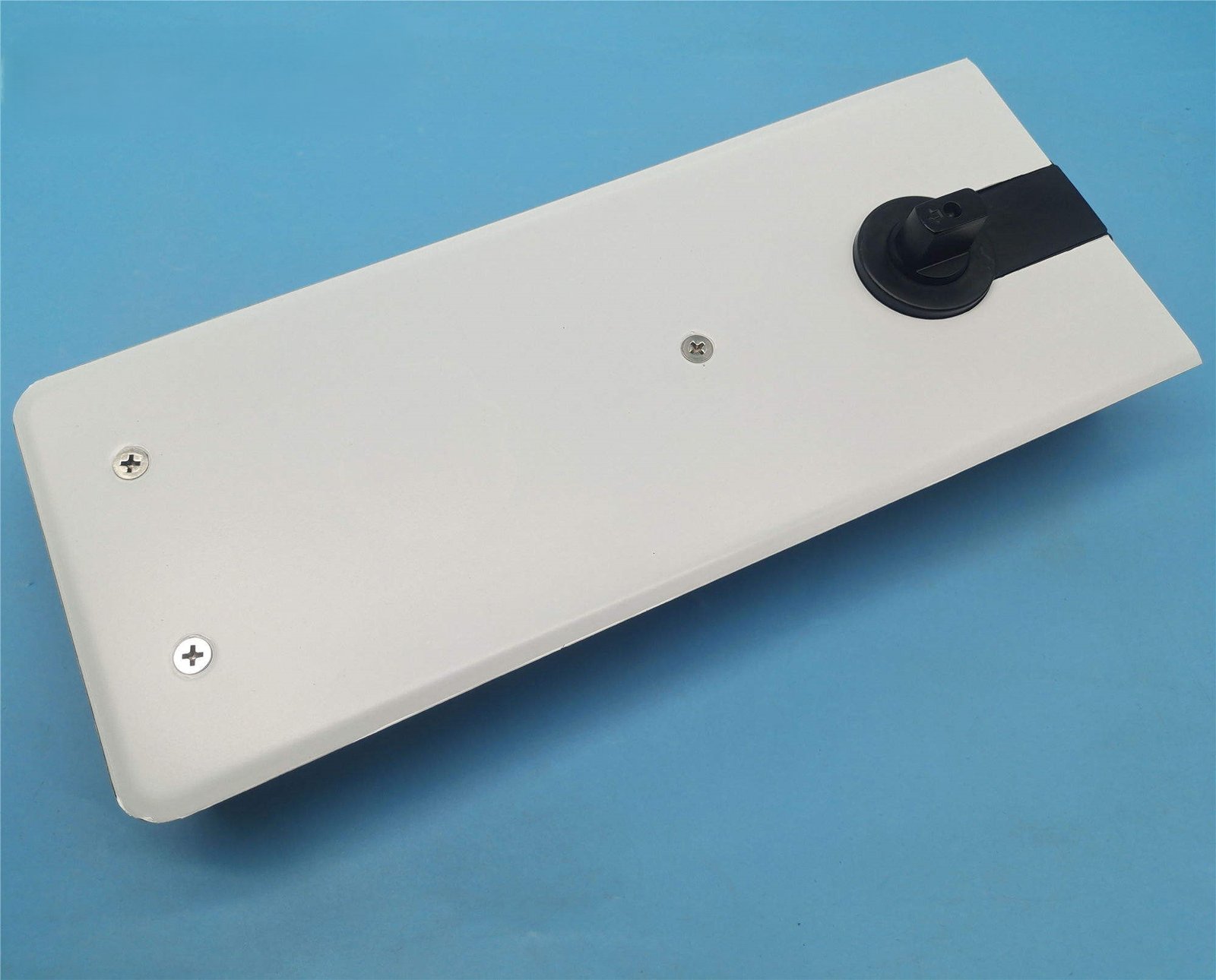
A floor spring may look similar from the cover plate, but the internal body size, spindle profile, load rating and hold-open function may be different.
Retrofit Option 2: Use a No-Dig Hydraulic Patch Fitting
In some renovation projects, cutting the floor again is not practical.
This may happen when the entrance has finished stone flooring, underfloor heating, thin slabs, waterproofing layers or underground services. It may also happen when the project needs to reduce downtime and avoid heavy site work.
A no-dig hydraulic patch fitting may be considered when:
- Deep floor excavation is difficult
- The old floor spring box cannot be reused
- The project wants to protect the finished floor
- The door is light or medium duty
- The glass thickness and door size are suitable
- The existing glass cut-out can match the fitting
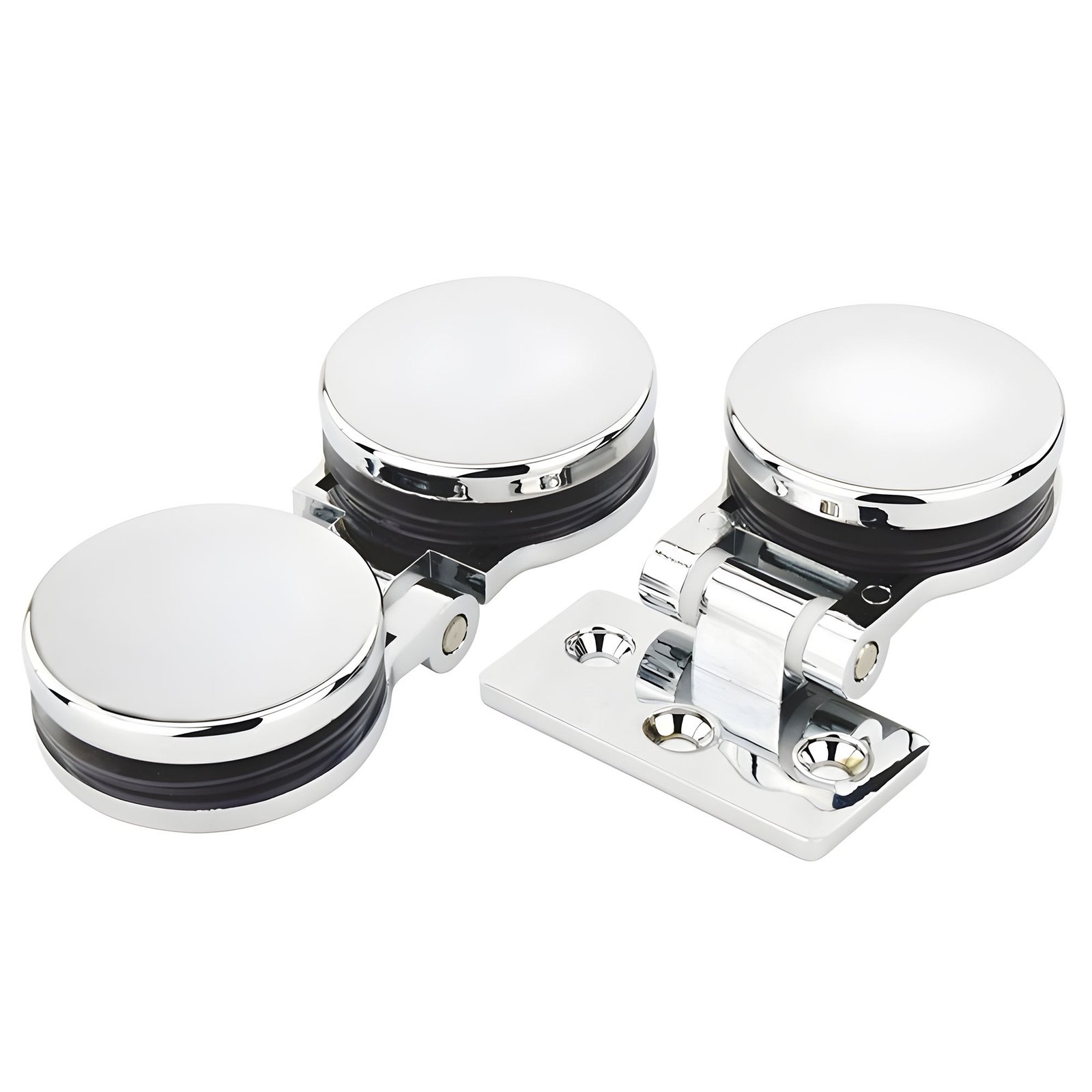
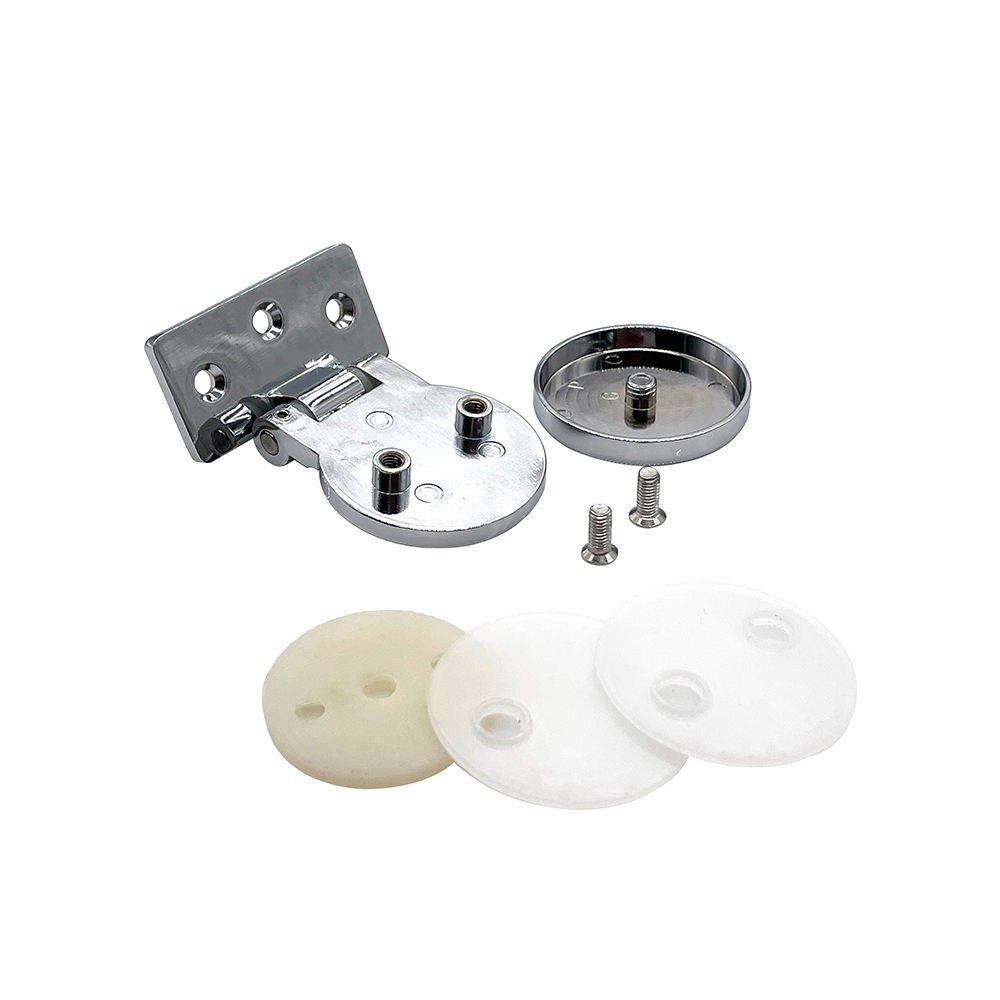
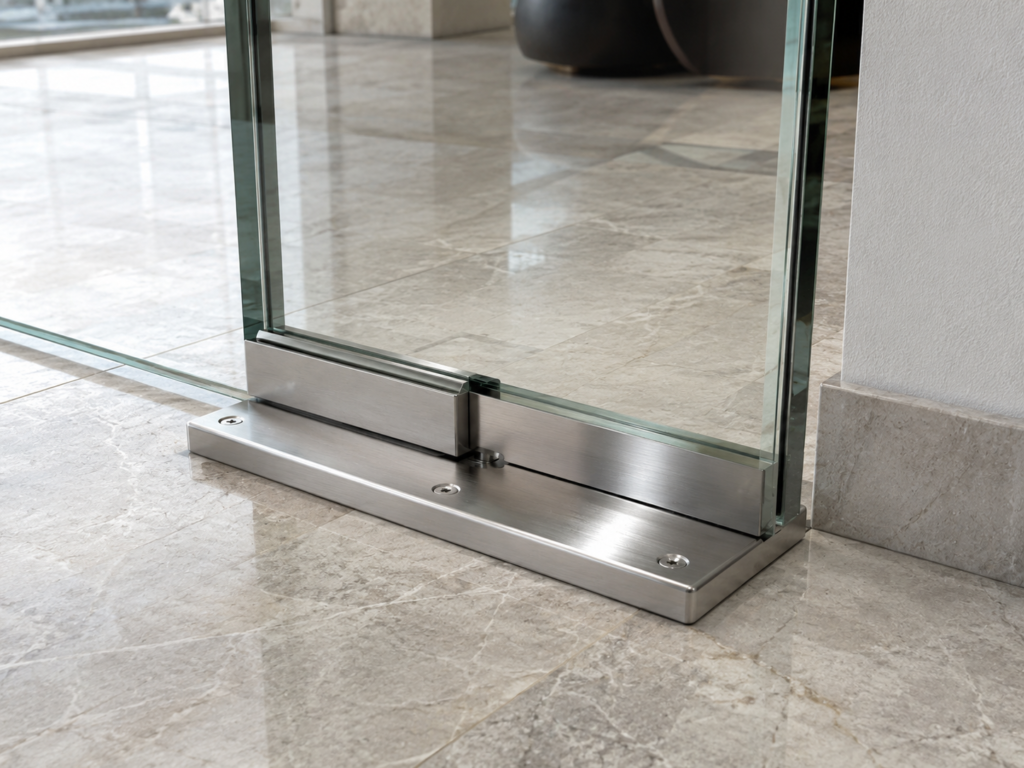
A hydraulic patch fitting combines the closing mechanism with the bottom patch area, so it can reduce the need for a recessed floor spring.
However, it is not a universal replacement for every door. Very heavy doors, oversized exterior entrances or high-wind shopfronts may still require a traditional recessed floor spring or another verified solution.
Retrofit Option 3: Upgrade to Heavy-Duty Hardware
Sometimes replacing the old hardware with the same level of product is not enough.
This may happen when the door is used more frequently than expected, the glass panel is heavy, or the entrance is exposed to wind pressure, repeated impact or continuous commercial traffic.
A hardware upgrade may include:
- Heavy-duty floor spring
- Reinforced bottom patch fitting
- Matching top patch and pivot
- Stronger pull handle
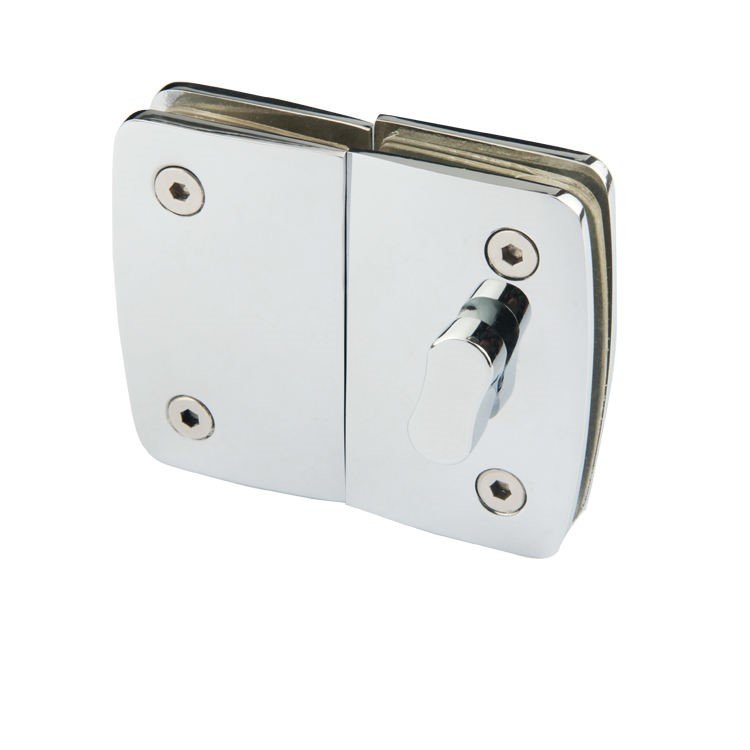
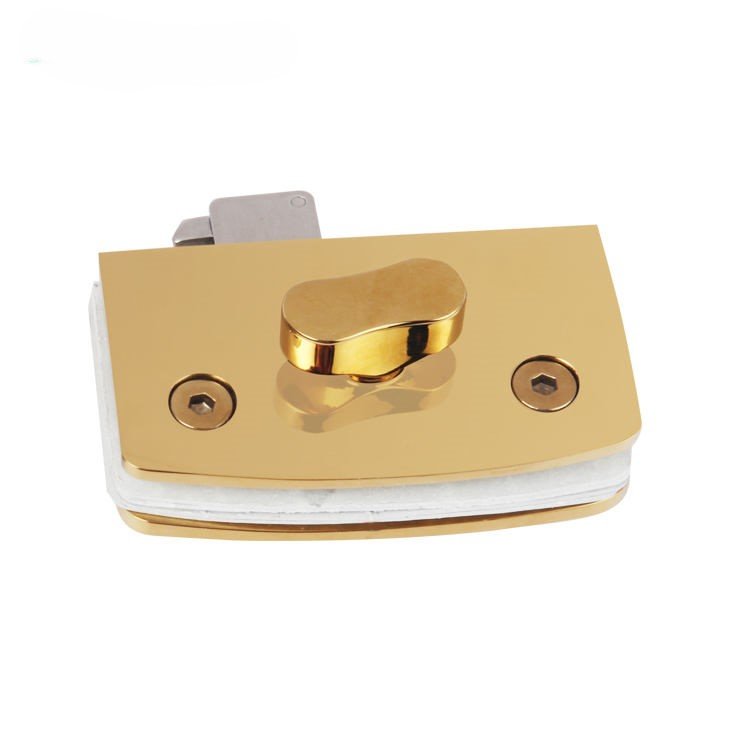
- Better floor lock or patch lock
- Updated gaskets and fixing parts
- More durable surface finish
This approach is useful for shopfronts, hotel entrances, schools, office buildings and other high-traffic commercial doors.
Upgrading is not only about using a stronger floor spring. The bottom patch, top pivot, glass cut-out, lock position and door gaps must also match the new system.
Retrofit Option 4: Overhead Closer or Access-Control Upgrade
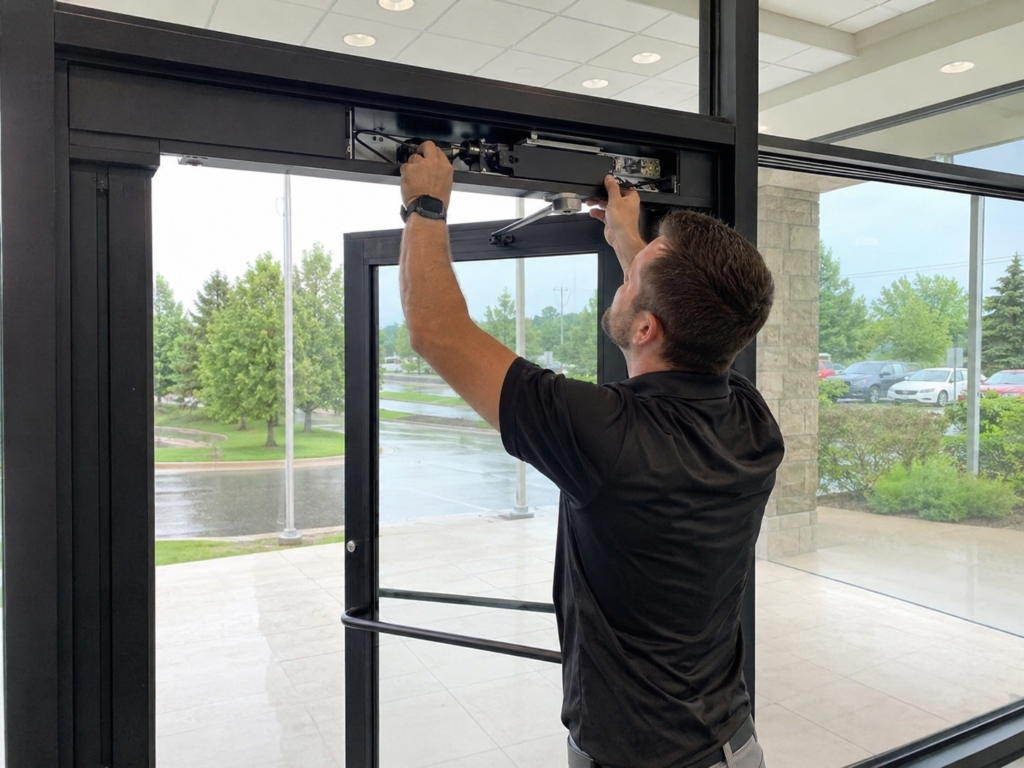
In some framed or transom-supported openings, an overhead concealed closer may be considered when floor work is not practical.
This depends on the strength of the upper structure, door type and project requirement. It is more suitable when the opening has a proper metal frame or transom that can support the closer.
Retrofit projects may also involve access-control upgrades. Depending on the door structure, possible options may include electric drop bolts, patch locks, glass smart locks or other access-control hardware.
For frameless glass doors, wiring, lock position, door gap, glass thickness and existing holes must be checked before selecting any electronic locking system.
Compatibility Checks Before Ordering Hardware
Glass Cut-Out and Hole Position
Tempered glass usually cannot be drilled, cut or modified after production. If the new patch fitting, lock or pull handle does not match the existing holes, the glass may not be reusable.
Spindle Type and Height
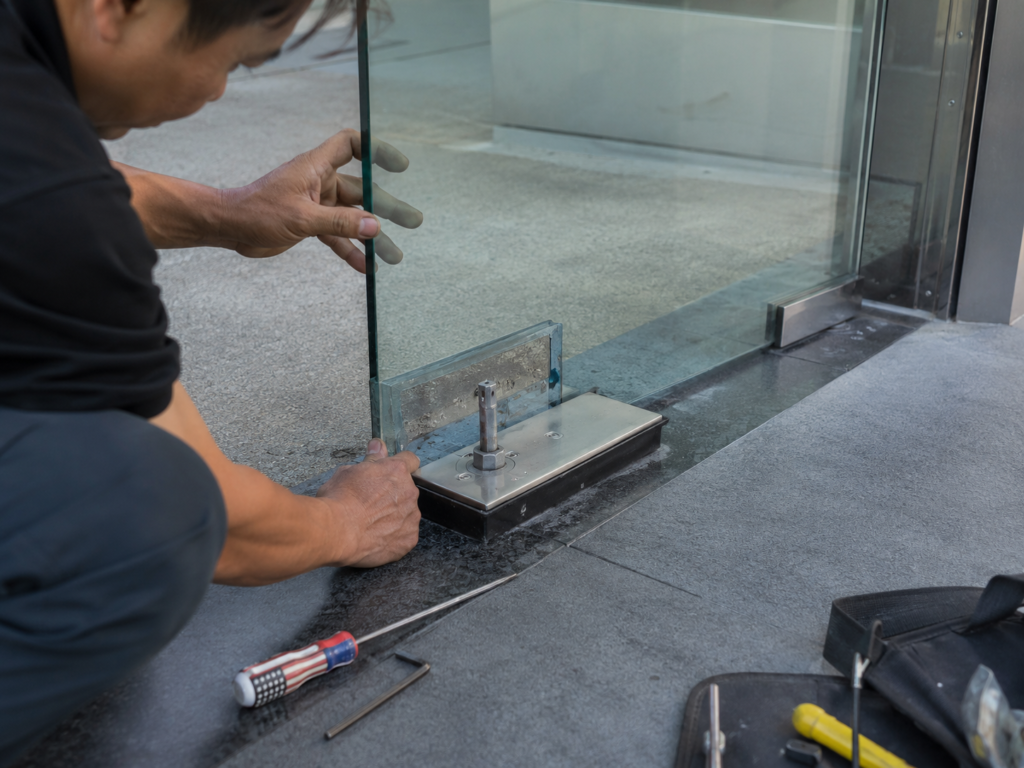
The floor spring spindle must match the bottom patch fitting. The spindle profile, size and installation height should be checked before ordering.
Top and Bottom Pivot Alignment
If the top pivot and bottom spindle are not aligned, the door may feel heavy, return poorly or create uneven gaps.
Glass Thickness and Gasket Package
Different fittings support different glass thickness ranges. The correct gasket set is important for clamping strength and glass protection.
Lock and Handle Position
Changing the door’s return position may affect the floor lock, patch lock, electric lock or pull handle alignment. Existing handle hole spacing must also be checked before replacement.
Floor Box and Substrate Condition
An old floor box may be corroded, loose or installed in a weak base. The surrounding floor and substrate should be checked before reuse.

Common Retrofit Mistakes
Selecting by Cover Plate Size Only
Two floor springs may look similar from the outside, but the box size, spindle, opening angle, hold-open function and capacity may be different.
Forcing Incompatible Hardware onto Old Glass
Even small differences in hole spacing, cut-out shape or pivot position can make a new patch fitting unsuitable for the existing glass.
Replacing Only the Floor Spring
Door sagging, poor closing or lock misalignment may also come from worn pivots, loose patch fittings or incorrect glass clamping.
Using a Low-Capacity No-Dig Option on a Heavy Door
A hydraulic patch fitting should be selected according to verified door weight, width and usage conditions. It should not be used only to avoid floor work.
Ignoring Business Downtime
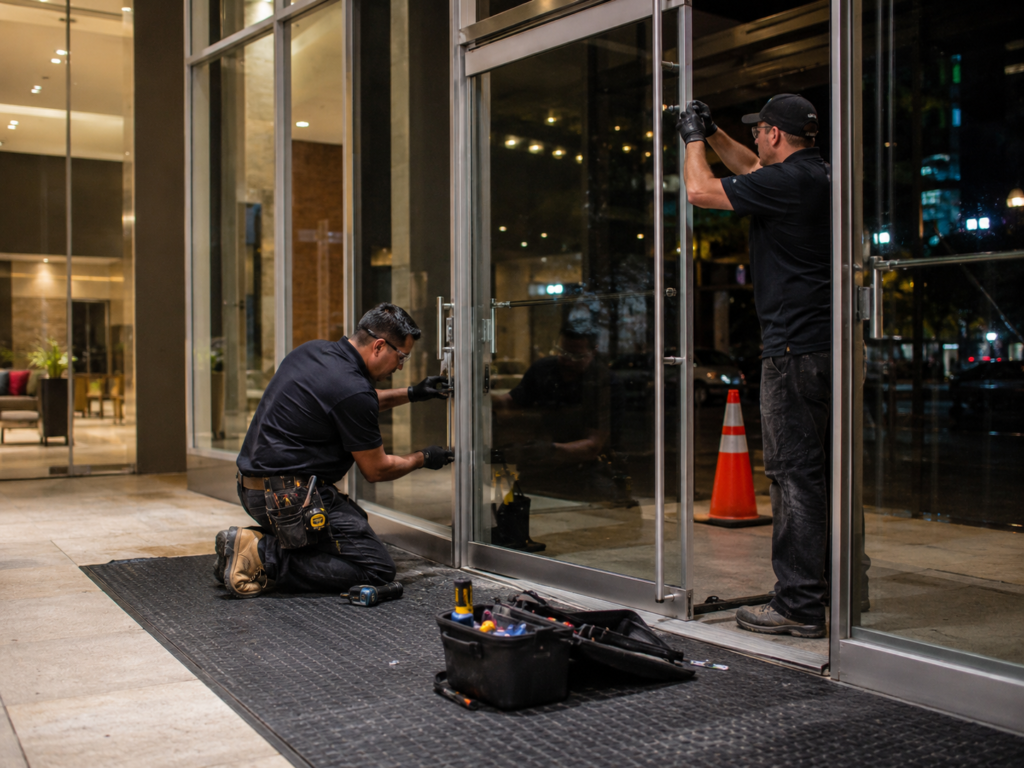
Commercial renovation projects should plan installation time, tools, spare parts and site access in advance, especially when work must be completed at night or during short closing hours.
Project Information Required Before Quotation
Before recommending retrofit hardware, please provide:
- Door width and height
- Glass thickness
- Estimated door weight
- Single or double-door layout
- Current problem, such as oil leakage, sagging or poor closing
- Existing floor spring brand or model, if available
- Floor spring box dimensions
- Spindle photos
- Bottom patch and top patch photos
- Glass cut-out or hole photos
- Existing handle hole distance
- Floor structure and finished surface
- Whether floor cutting is allowed
- Whether a no-dig solution is required
- Whether locks, handles or patch fittings also need replacement
- Required finish
- Project quantity
Clear photos and drawings can help reduce compatibility errors before quotation.
How Metech Supports Glass Door Retrofit Projects
Metech Hardware supplies floor springs, hydraulic patch fittings, top and bottom patch fittings, pivots, glass door locks, pull handles and related hardware for commercial glass door renovation projects.
We help buyers review door size, glass thickness, existing hardware photos, floor conditions and renovation goals before recommending a suitable replacement or upgrade option.
For distributors, contractors and project buyers, mixed-product purchasing, surface finish options, logo marking and customized packaging can also be discussed.
Metech provides hardware selection support, while final site measurement and installation should be handled by qualified local professionals.
Frequently Asked Questions
Can an old glass door be reused during renovation?
Yes, in many cases. The glass thickness, cut-out position, edge condition and compatibility with the new fittings must be checked first.
Can I replace a floor spring without changing the glass door?
Often yes, but the floor box size, spindle type, bottom patch fitting and door weight must be confirmed before ordering.
Can tempered glass be drilled again for new hardware?
Usually no. Tempered glass is a finished product and should not be drilled or cut on site. New hardware should match the existing holes and cut-outs.
When should I use a no-dig hydraulic patch fitting?
It may be considered when floor cutting is difficult or the old floor spring position cannot be reused. Door weight, width and glass condition must still be checked.
Why does the new lock still fail to align after replacement?
The cause may be poor return-to-center, door sagging, pivot misalignment or floor level issues. The lock should be checked together with the door-control system.
Need Hardware for a Commercial Glass Door Retrofit?
Send us your door size, glass thickness, existing hardware photos, floor spring box size, spindle details and renovation requirement.
Metech Hardware can help review whether a floor spring, hydraulic patch fitting, patch fitting, lock or handle replacement is suitable for your project.