A door closer looks like a simple product. In real projects, the right closer depends heavily on what the door is made of, how the door is mounted, and how often it is used.
A wooden office door, an aluminum storefront door and a frameless glass door all need controlled closing, but they do not use the same hardware logic. A closer that works well on a timber corridor door may not fit a slim aluminum stile. A closer designed for a framed door cannot simply be fixed onto frameless tempered glass, because glass has no internal cavity for screws or mortise hardware, and it cannot be drilled after tempering.
Most closer problems do not appear during a quick installation test. They appear weeks or months later: the door closes too hard, the latch does not catch, the closer arm rubs against the frame, the closer looks oversized on a light interior door, or a glass door turns out to need a floor spring instead of the product that was ordered.
For commercial projects, door closer selection should start from the door material and mounting condition, not only from the closing power number on the box.
Why Door Material Changes Closer Selection
The same closing function can be achieved in different ways depending on the door structure.
| Door type | Main hardware limitation | Practical closer direction |
|---|---|---|
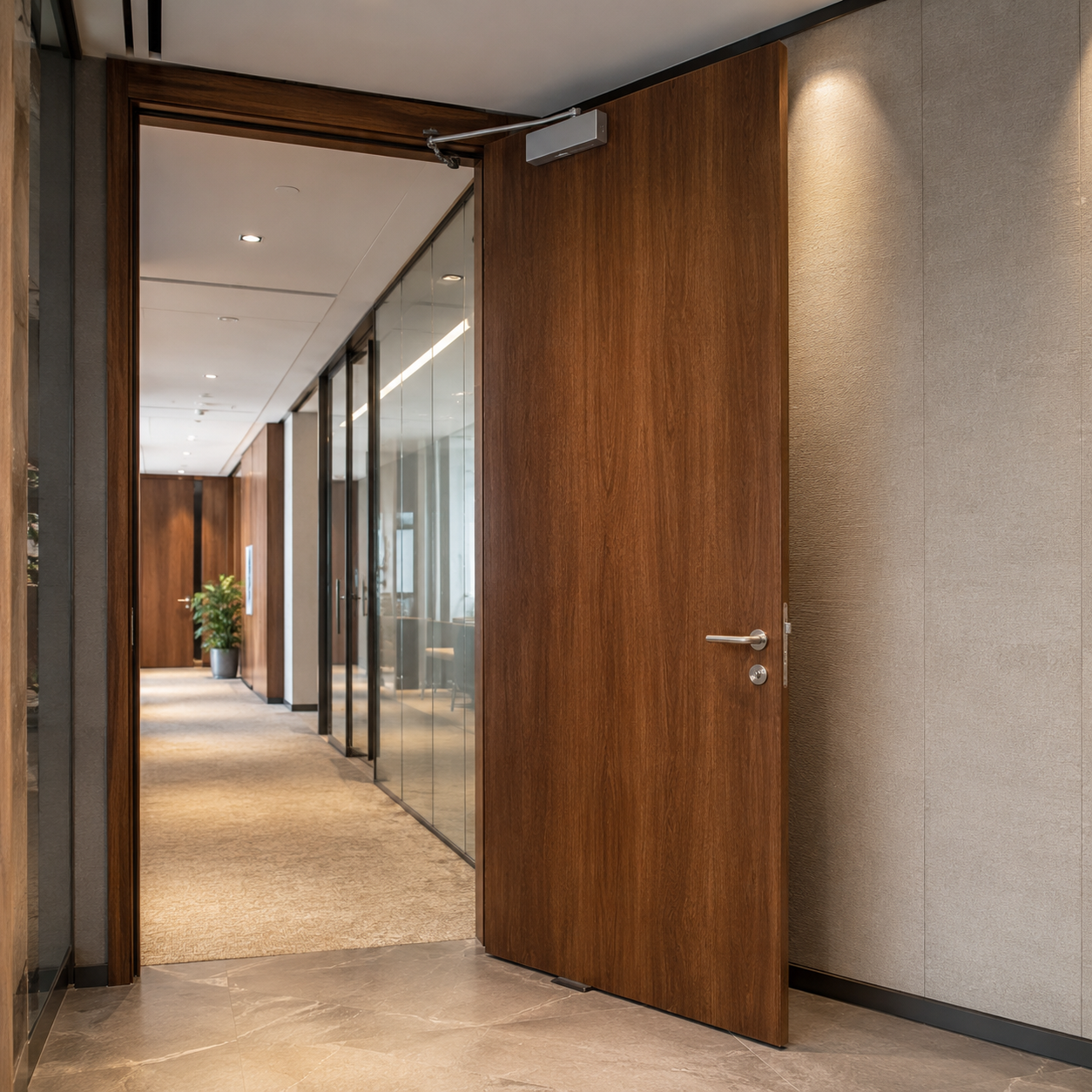
| Wooden / timber doors | Solid leaf allows surface or mortise mounting; weight varies by core type | Surface-mounted overhead closer or concealed closer |
| Aluminum-framed doors | Narrow stile width; frame strength and arm clearance must be checked | Standard or heavy-duty overhead closer matched to frame profile |
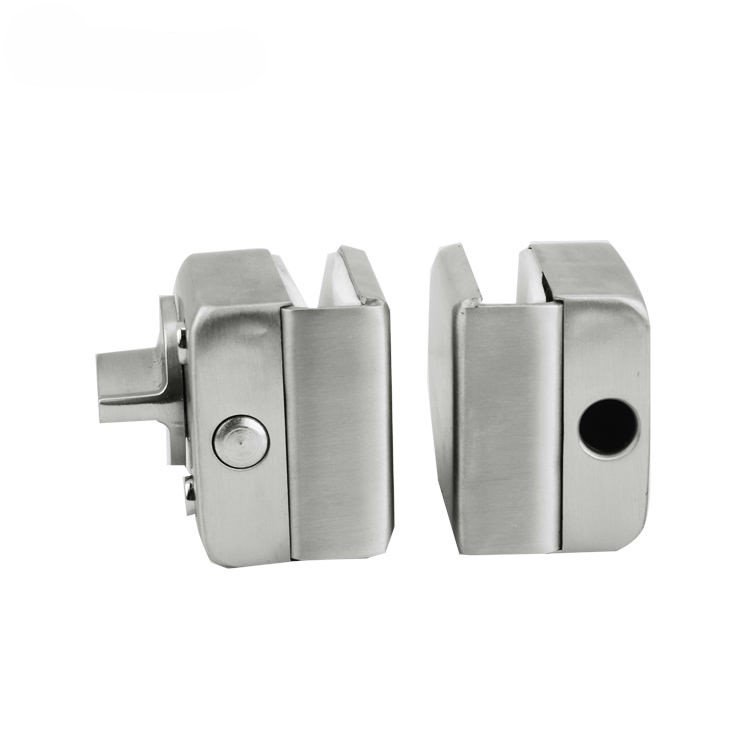
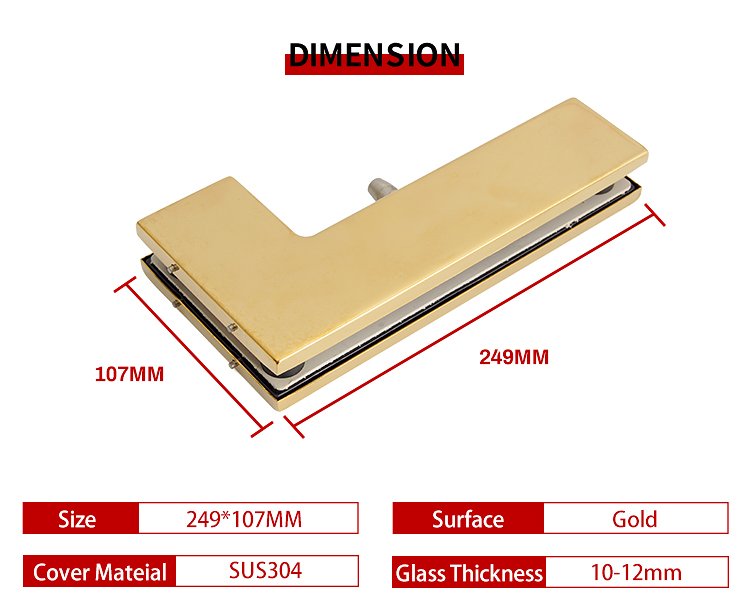
| Frameless glass doors | No internal cavity; cannot be drilled after tempering | Floor spring, hydraulic patch fitting or selected glass-compatible closer solution |
| Fire-rated doors | Must close and latch reliably without manual assistance | Closer selected according to fire-rating and local code requirements |
This is why “what closer do I need?” is really two questions: how heavy and wide is the door, and what is the door mounted into?
Surface-Mounted, Concealed or Floor-Mounted?
Once the door material is confirmed, the next decision is the mounting method.
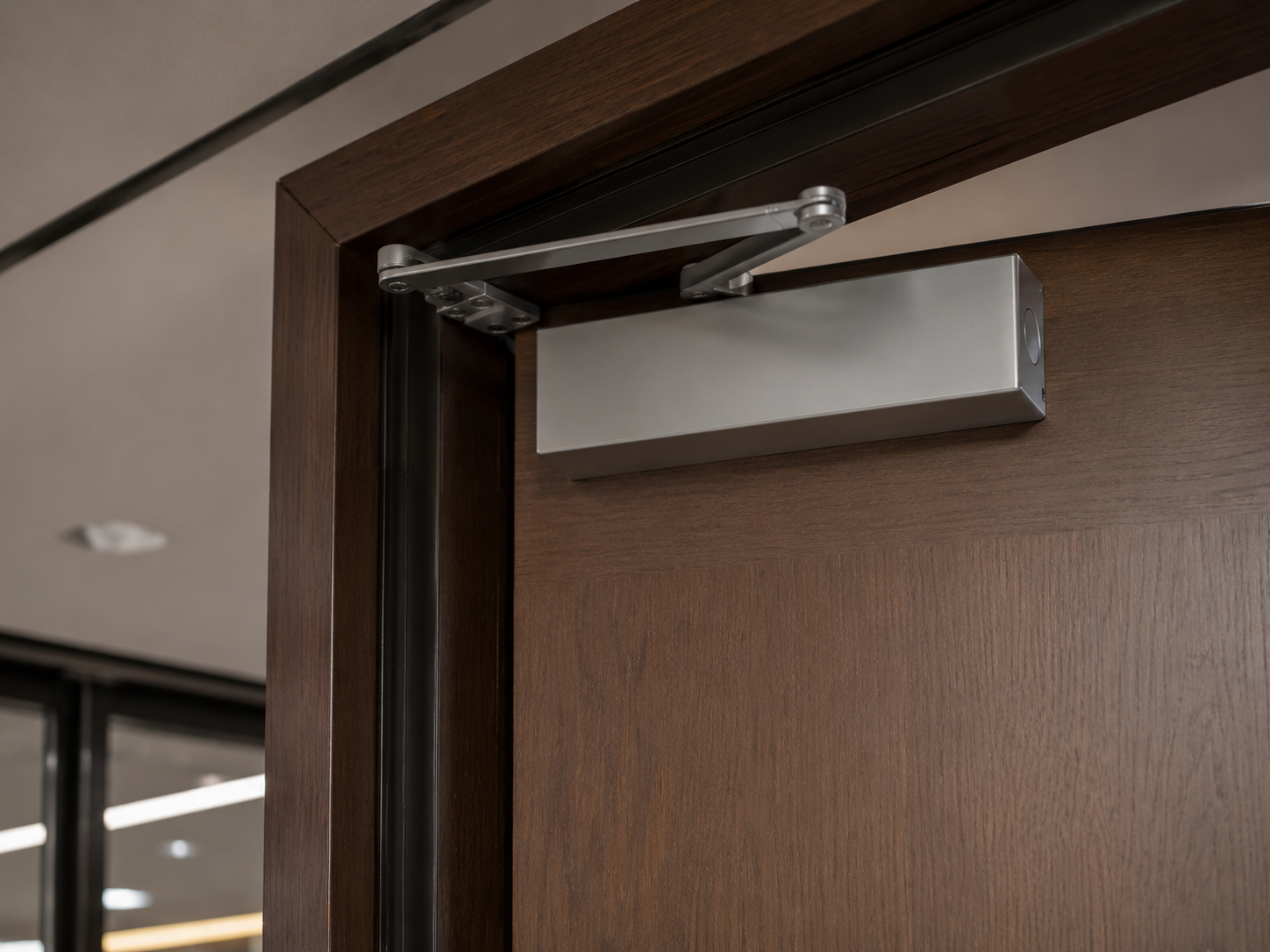
Surface-mounted overhead closers are the most common option for wooden and aluminum doors. They are easier to install, easier to adjust and easier to service. The trade-off is appearance: the closer body and arm are visible.
Concealed or transom closers are used when the project needs a cleaner appearance, especially for premium timber doors, aluminum-framed office doors or hotel interiors. The mechanism is hidden in the door head, transom or frame. This looks cleaner, but it must be planned early. If the frame is already fabricated and there is not enough depth to house the closer body, adding a concealed closer later can become difficult or impossible.
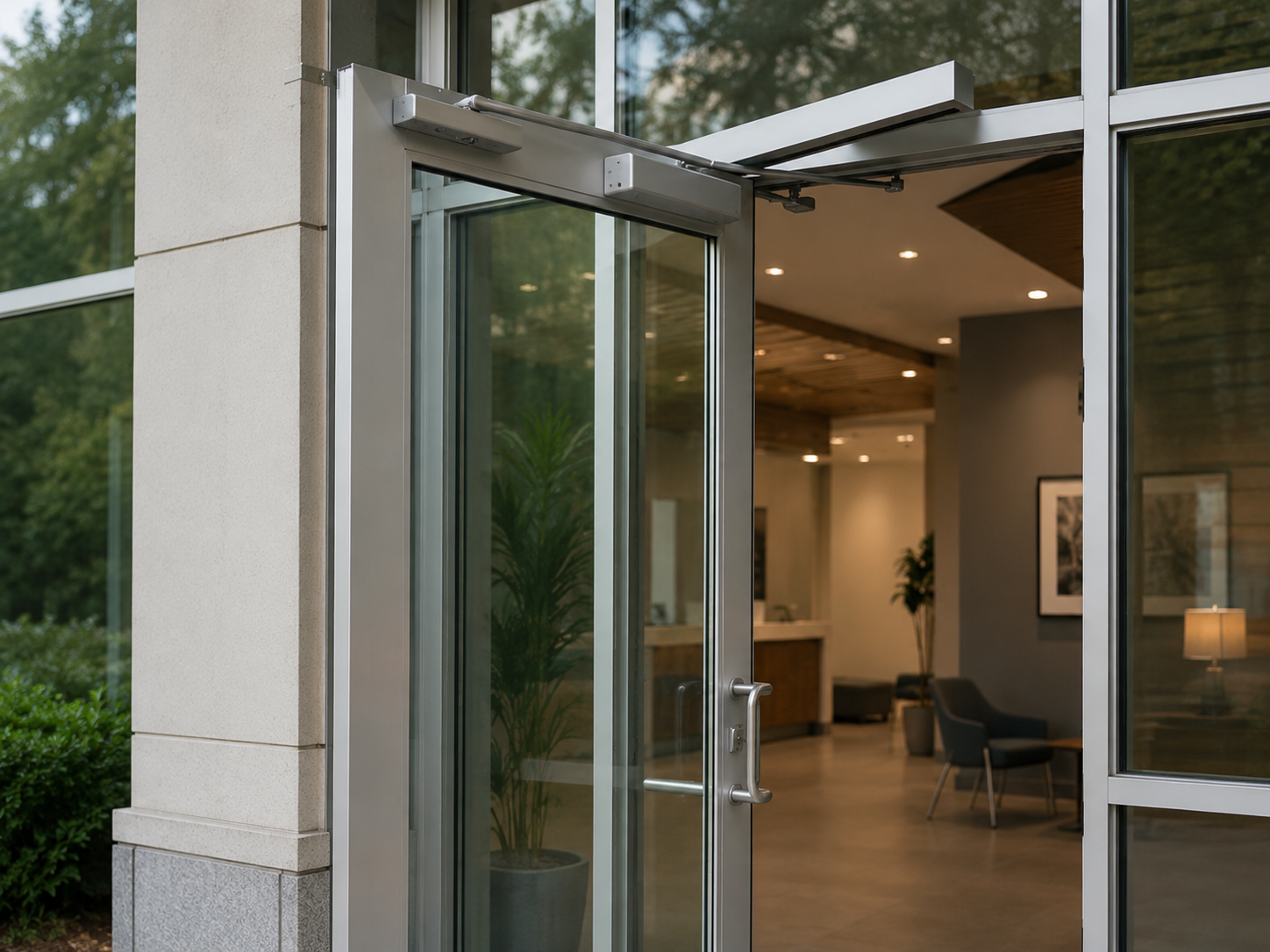
Floor springs are commonly used for frameless glass swing doors and heavier pivoted glass doors. The hydraulic mechanism sits in the floor, so the glass panel does not need a visible overhead closer body.
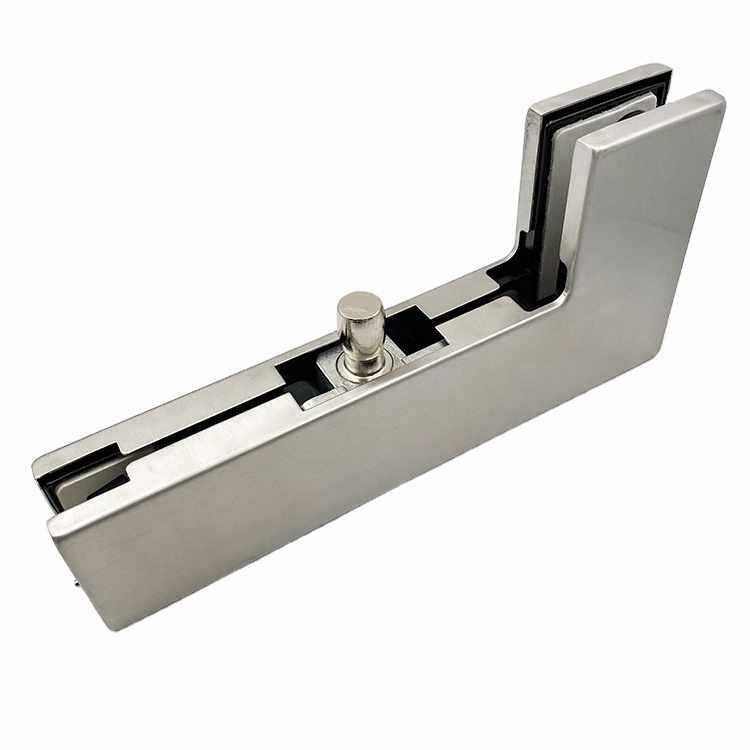
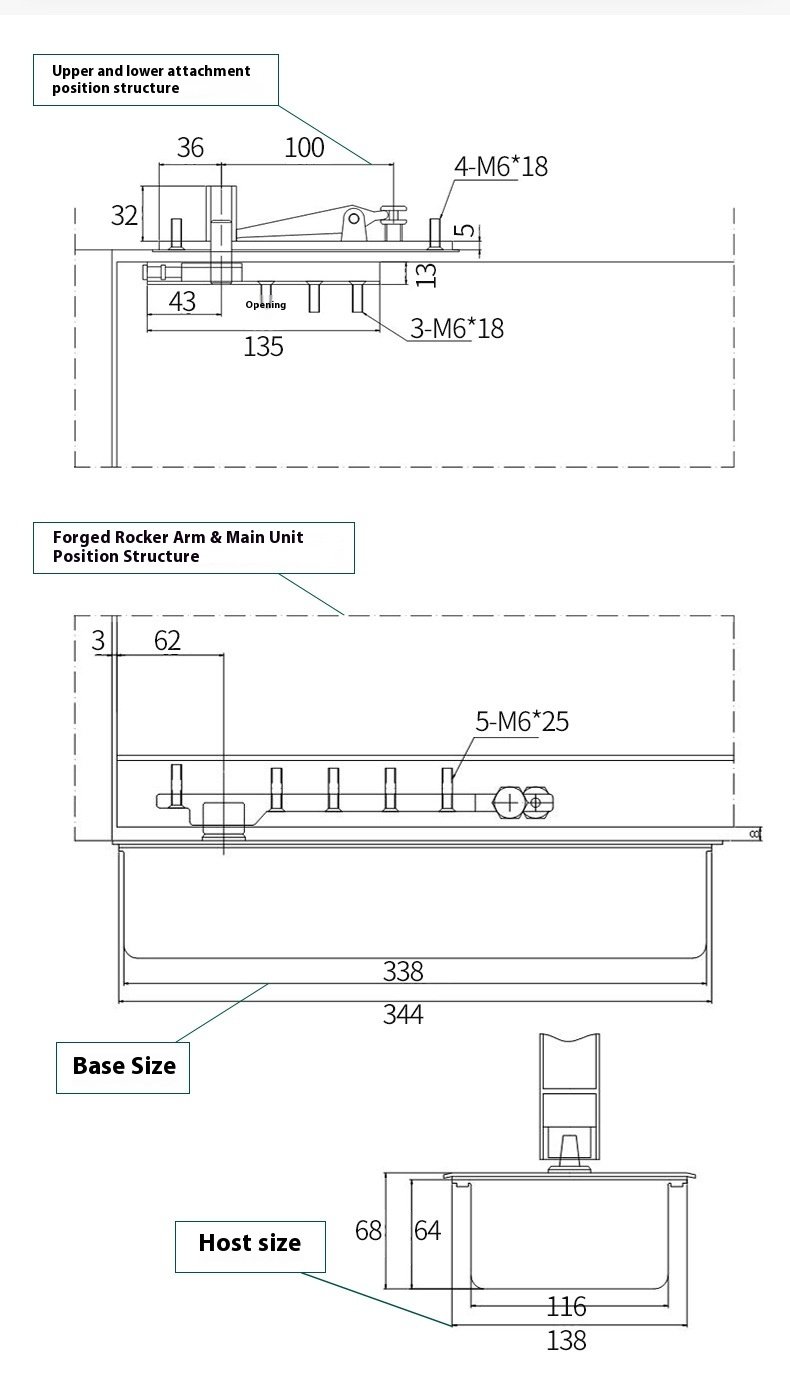
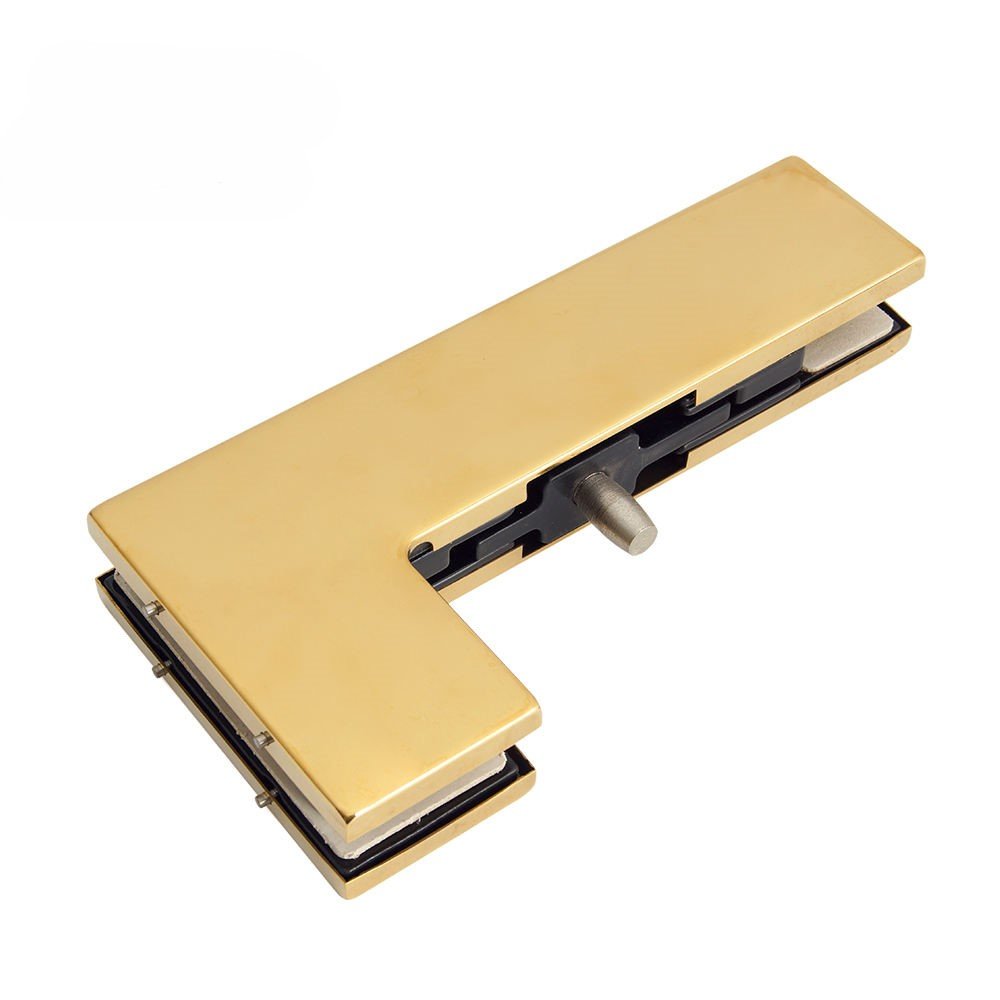
Hydraulic patch fittings are a no-dig alternative for selected glass door projects. The closing mechanism is built into the patch fitting, which is useful when the floor cannot be cut, such as raised access floors, underfloor heating areas or finished stone floors. Depending on the model, the supported door weight may be lower than a full heavy-duty floor spring, so the actual glass weight must be checked.
For wood and aluminum doors, the choice is usually a balance between appearance, budget and service access. For frameless glass doors, the choice is more about what the floor and glass structure can physically accept.
Matching Closer Capacity to Door Weight and Width
Door closer capacity should not be guessed. Door weight, door width and use frequency all affect the correct selection.
The following table gives a rough reference based on common commercial closer ranges. Actual capacity still depends on the closer model, arm type, installation method and manufacturer rating.
| Door weight range | Typical use | Closer category |
| 20–40 kg | Light interior doors, small office doors | Light-duty adjustable closer |
| 30–65 kg | Standard timber or aluminum commercial doors | Standard-duty door closer |
| 45–85 kg | Heavier timber doors, aluminum entrance doors | Heavy-duty or concealed closer |
| 90–150 kg | Large entrance doors, high-traffic commercial doors | Super heavy-duty closer or suitable door control system |
Door width matters as much as door weight. A wide door creates more leverage on the closer arm and fixing points than a narrow door of the same weight. For wide or high-traffic doors, it is usually safer to move up to the next closer category instead of selecting exactly at the rated limit.
For frameless glass doors, the same principle applies to floor springs and hydraulic patch fittings. A rough reference for tempered glass weight is about 2.5 kg per square meter for each 1mm of glass thickness. That means 10mm glass is about 25 kg/m² and 12mm glass is about 30 kg/m² before adding handles, locks or fittings.
For doors used many times per day, leave a reasonable safety margin instead of selecting hardware at its maximum rated capacity.
Key Door Closer Functions Buyers Should Confirm
A commercial door closer is not only judged by load capacity. The adjustment functions also affect daily use.
Closing speed controls the main movement of the door.
Latching speed controls the final closing movement, usually the last 10–15 degrees, so the door can latch without slamming.
Backcheck helps slow the door when it is pushed open strongly. This is useful for corridors, schools, clinics, public buildings and windy entrances.
Delayed action allows the door to close more slowly for a short period. It can help in areas where people carry goods, use trolleys or need more time to pass.
Hold-open function keeps the door open at a set angle. It is convenient in normal areas, but it should be used carefully. If the door is part of a fire-rated route, hold-open should only be used when allowed by the project fire safety design.
Fire-Rated and Code-Compliant Doors
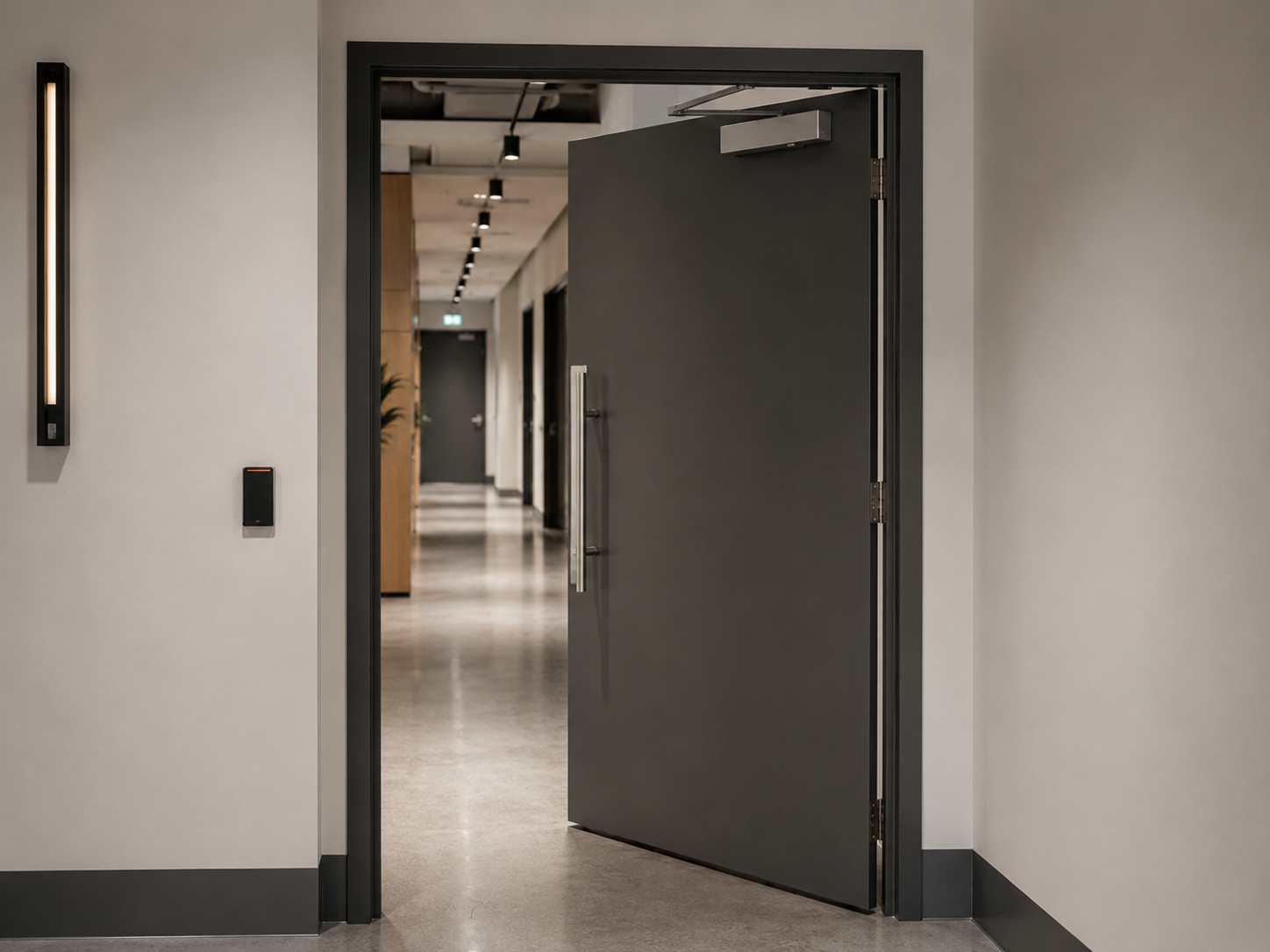
If a closer is installed on a fire-rated door or designated fire-exit route, it is not only a comfort feature. It becomes part of the fire safety performance of the door.
A fire-rated door closer must help the door close and latch reliably without manual assistance. Lightweight decorative closers should not be used in this situation unless they match the project requirement.
The safest approach is to confirm the door’s fire rating and local code requirement before selecting the closer. Depending on the market and project, a certified closer may be required. This affects the closer model, closing force, hold-open function and installation method, not only the appearance.
Common Problems When Closer Selection Comes Too Late
The closer is too strong or too weak
This usually happens when the closer is selected by price or appearance instead of door weight and width. A weak closer may not close the door fully. A strong closer may make the door slam or feel uncomfortable.
The arm conflicts with the frame or nearby hardware
On narrow aluminum profiles or doors close to fixed glass panels, a standard arm or bracket may not clear the frame, handle or side panel.
A concealed closer was specified too late
Concealed closers need enough head or frame depth. If the frame has already been fabricated, changing from a surface-mounted closer to a concealed closer is rarely simple.
A glass door was ordered with the wrong closing system
A frameless glass door normally needs a floor spring, hydraulic patch fitting or glass-compatible pivot solution. If this is not planned early, the project may need to change the bottom hardware or remake the glass.
A fire door uses the wrong closer
This is a compliance issue, not only a performance issue. It is often discovered late, during inspection rather than during ordering.
Practical Selection by Door Type
Wooden / timber doors
A surface-mounted overhead closer is the practical default for most timber office doors, hotel corridor doors and service doors. A concealed closer is worth considering where the project wants a cleaner appearance, but frame depth must be confirmed early.
Aluminum storefront and office doors
Standard or heavy-duty overhead closers are commonly used. The closer should match the door weight, door width and frame strength. For narrow stile profiles, confirm the arm and bracket fit before ordering.
Frameless glass doors
A floor spring is the usual choice for many swing glass doors, especially in commercial entrances. A hydraulic patch fitting is a practical alternative where the floor cannot be cut. The correct option depends on glass weight, door size, opening frequency, floor condition and appearance requirement. This section is also a good place to internally link to the article about no-dig hydraulic patch fittings vs traditional floor springs.
Fire-rated and exit doors
Closer selection should follow the door rating and local code first. Appearance and cost should come after closing reliability and compliance.
How Metech Supports Door Closer Projects
Metech Hardware supplies door closer hardware across light, standard and heavy-duty ranges, including surface-mounted overhead closers, selected concealed closer options, floor springs and hydraulic patch fittings for glass doors.
Before recommending a closer, we prefer to check the door material, estimated door weight, door width, mounting condition, traffic level, fire-rating requirement if applicable, and finish preference. This helps us suggest a closer that matches the actual door condition, instead of matching by catalog photo alone.
For overseas buyers, contractors and distributors, Metech can also support mixed hardware orders, OEM packaging and export packing. This is useful when one project needs door closers together with locks, handles, patch fittings, floor springs or other glass door hardware in the same shipment.
FAQ
How do I know what size door closer I need?
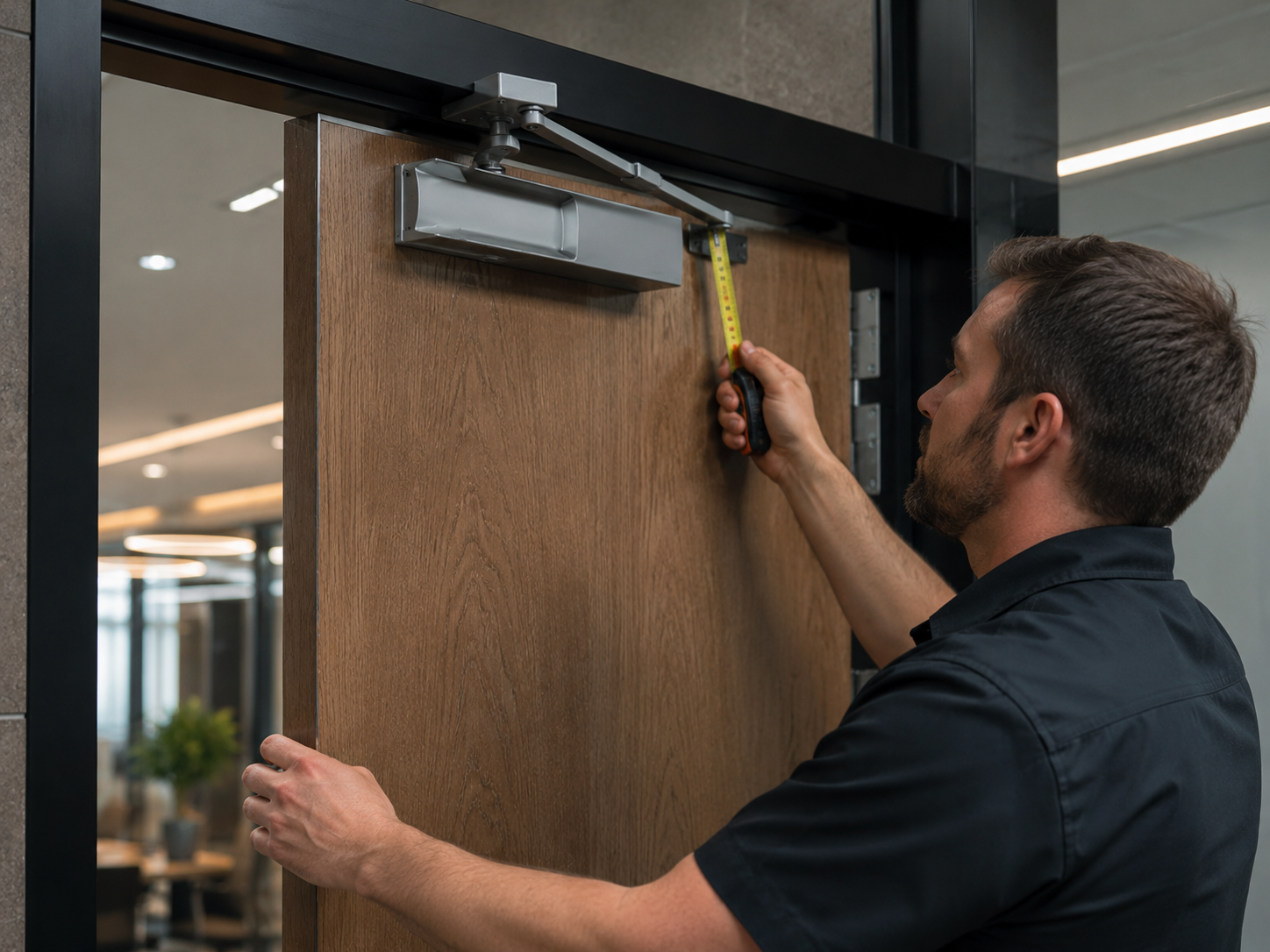
Start with the door weight and door width. A wider door creates more leverage on the closer even if the weight is the same, so wide commercial doors usually need more careful closer selection.
Can the same door closer be used on wooden, aluminum and glass doors?
Not always. Wooden and aluminum doors can often use surface-mounted or concealed overhead closers. Frameless glass doors usually need a floor spring, hydraulic patch fitting or glass-compatible closer solution.
What is the difference between a floor spring and a hydraulic patch fitting for glass doors?
A floor spring places the hydraulic mechanism in the floor and is commonly used for frameless glass swing doors. A hydraulic patch fitting integrates the closing mechanism into the patch fitting, avoiding floor cutting. The choice depends on door weight, floor condition and project appearance requirements.
Does a fire-rated door need a special closer?
Yes. A closer used on a fire-rated door should help the door close and latch reliably and may need to meet the project’s fire-rating and local code requirements.
Can Metech supply door closers together with other glass door hardware?
Yes. Metech can supply door closers together with locks, patch fittings, pull handles, floor springs and related hardware for hotel, office, retail and commercial glass door projects.
Need a Door Closer Recommendation for Your Project?
Send us the door material, estimated door weight, door width, mounting condition, traffic level, fire-rating requirement if any, and finish preference. Metech Hardware can help recommend suitable door closer hardware for your wooden, aluminum or glass door project.