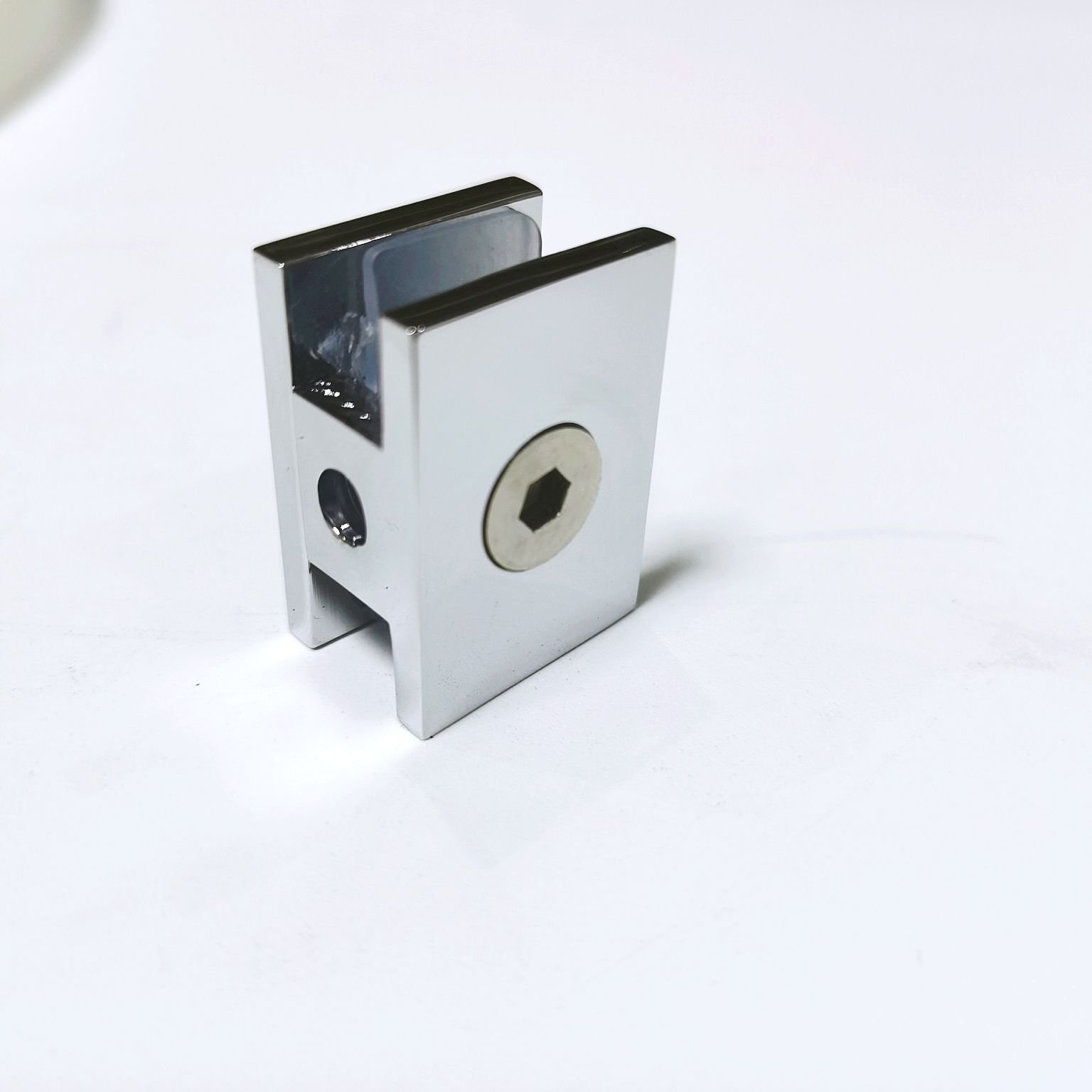
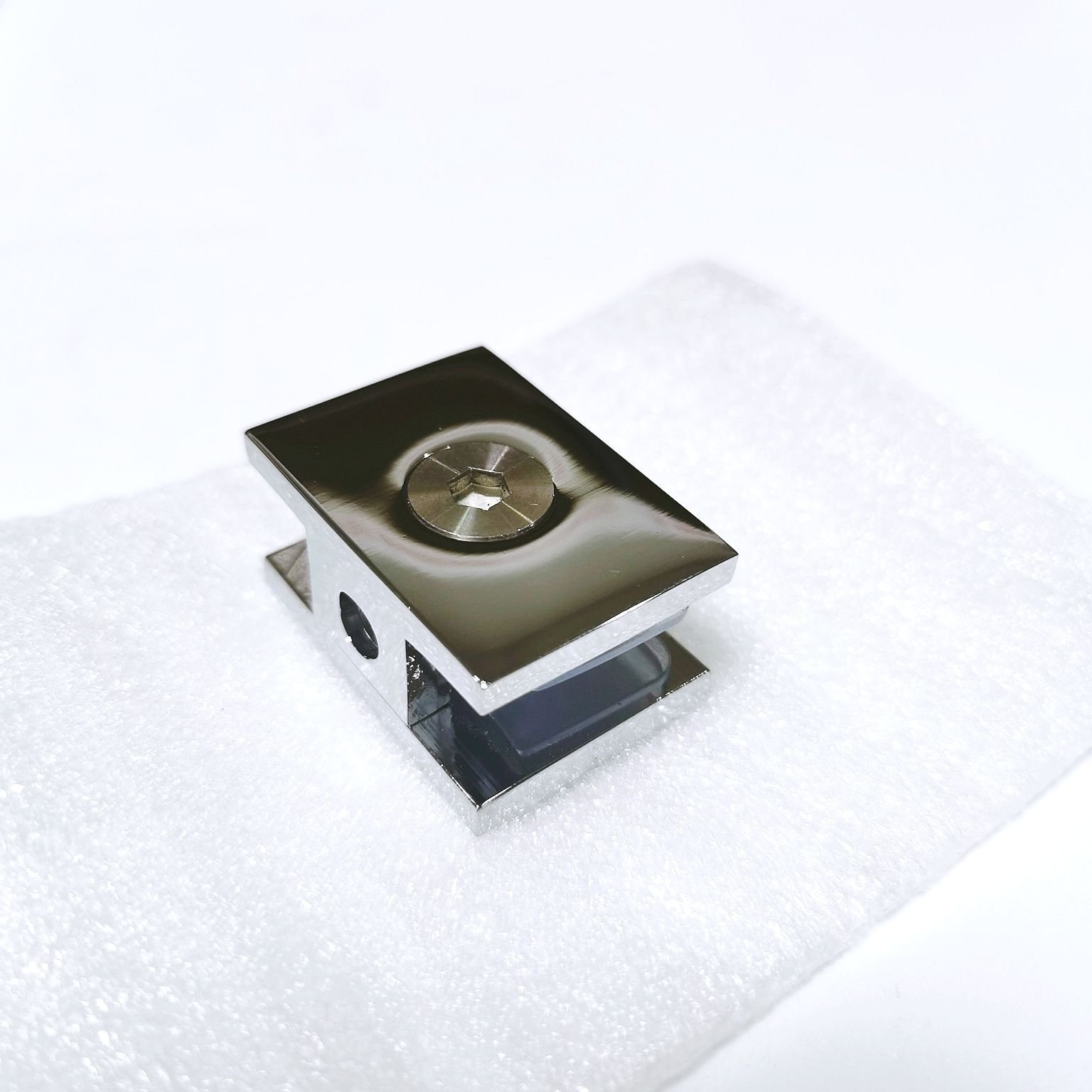
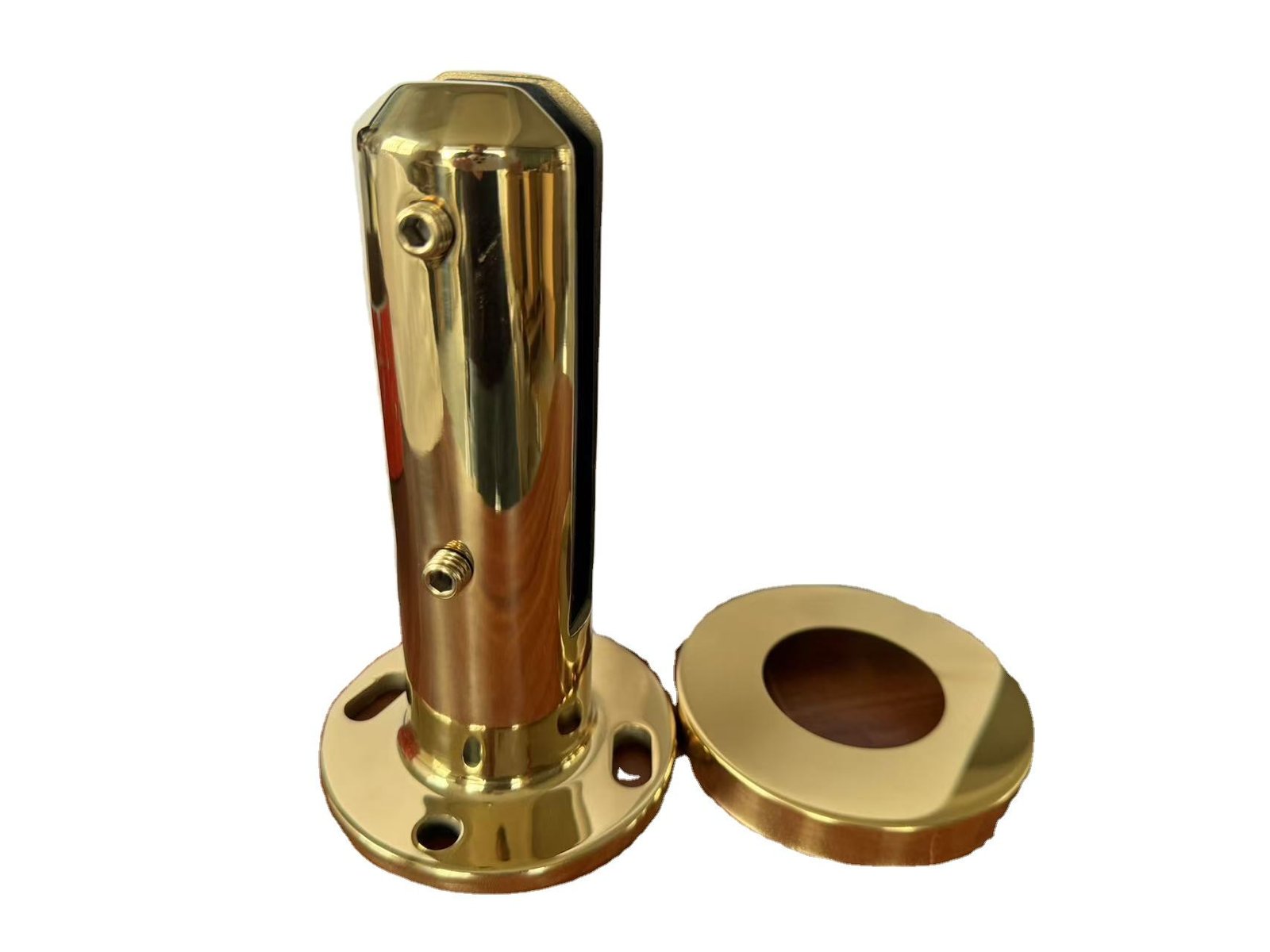
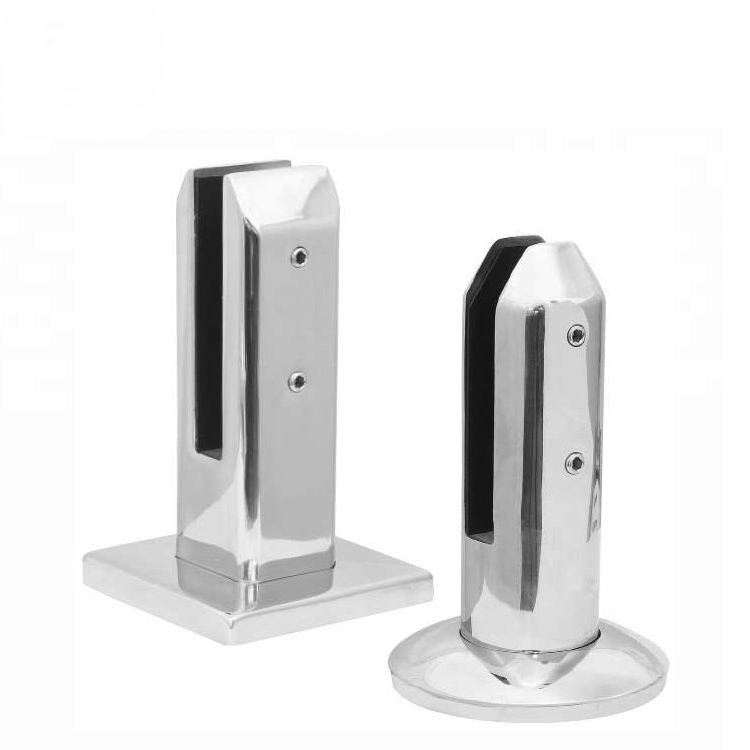
A frameless glass door looks simple because the hardware is minimal. There is no full metal frame around the door leaf, the glass edge is exposed, and the entrance feels clean and open.
But hanging a heavy tempered glass panel and allowing it to swing smoothly is not simple.
Because the glass door has no full metal frame to carry hinges, it relies on patch fittings to create the pivot points and connect with the floor spring system.
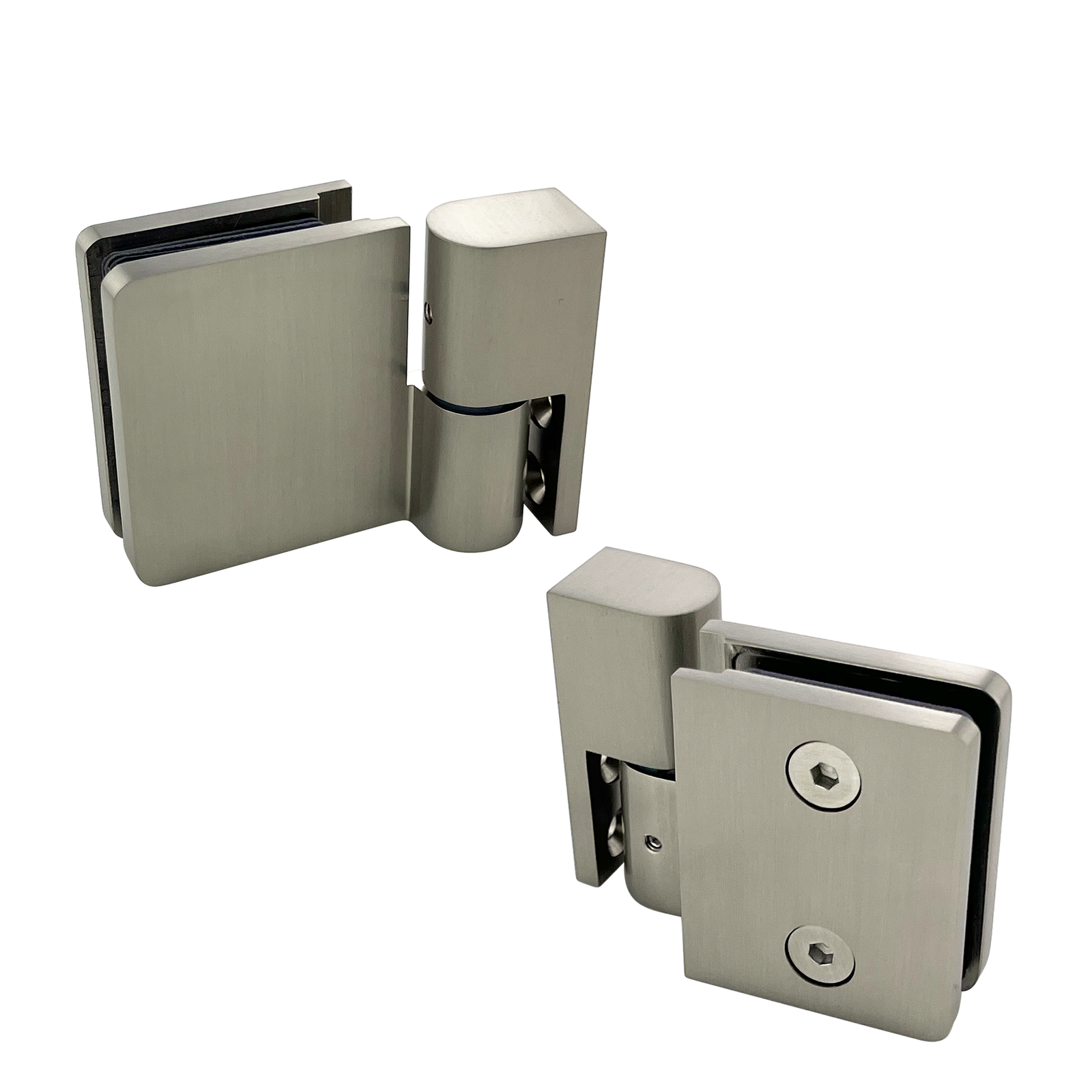
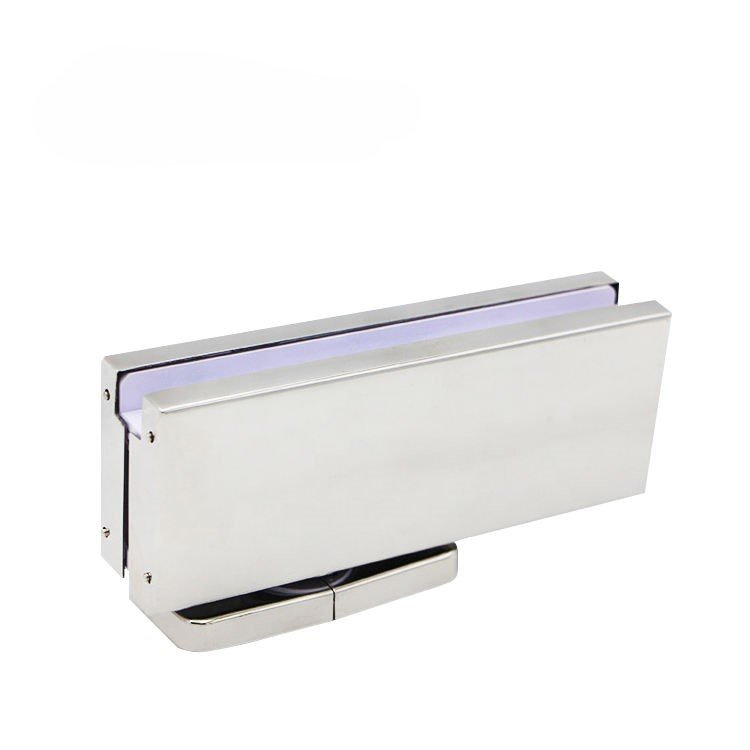
Patch fittings are metal hardware bodies that clamp the glass and provide mechanical interfaces for pivots, floor springs, locks or fixed glass connections. They are not only decorative covers. They are the connection points that allow a frameless glass door to rotate, align, close and lock.
For contractors and project buyers, ordering patch fittings is not just about choosing brushed stainless steel, polished stainless steel or matte black finish. The top patch, bottom patch, overpanel fitting, floor spring and patch lock must work together as an aligned pivot system.
If the wrong fitting is selected, or if the pivot inserts, glass cut-outs or floor spring spindle are not compatible, the door may bind, drag on the floor, fail to return correctly or create premature wear in the floor spring.
This guide explains how top patch fittings, bottom patch fittings, overpanel fittings and patch locks work in a frameless glass door system, and what details should be confirmed before ordering.
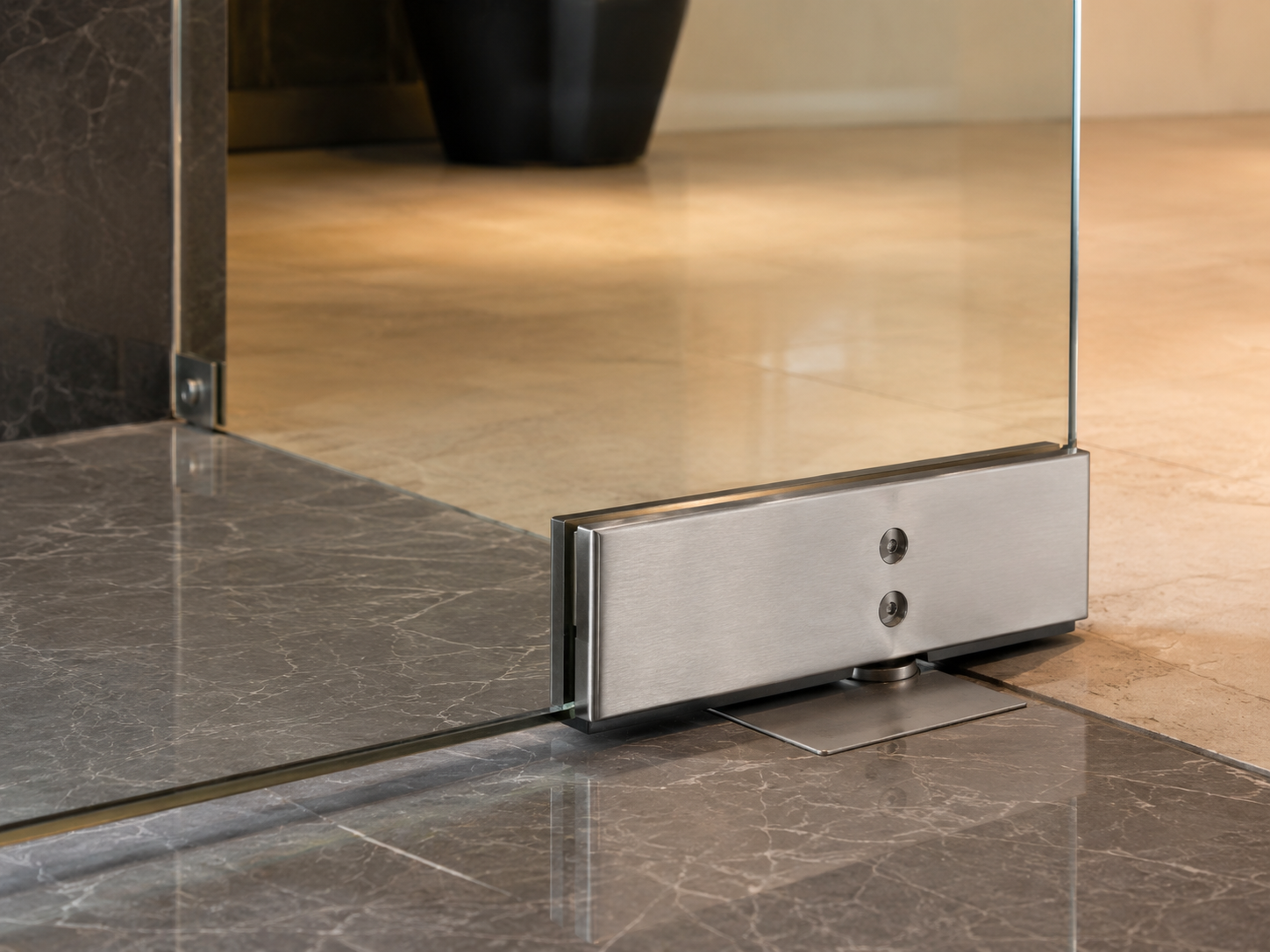
Quick System Overview
| Hardware Part | Main Function | Typical Position |
|---|---|---|
| Top patch fitting | Connects the glass door to the top pivot or overpanel fitting | Top corner of glass door |
| Bottom patch fitting | Connects the glass door to the floor spring or bottom pivot | Bottom corner of glass door |
| Overpanel fitting | Supports fixed glass above the door and provides a top pivot connection | Above door opening |
| Corner patch fitting | Connects fixed glass panels or transom glass | Fixed side glass or top glass area |
| Patch lock | Locks a frameless glass door without a full door frame | Middle or lower area of glass door |
| Floor spring | Controls closing speed and door return | Floor under the door |
| Top pivot | Provides upper rotation point | Header, frame, transom or overpanel area |
| Pull handle | Allows users to open and close the door | Door face |
This table gives a quick overview. In real projects, the correct combination depends on glass thickness, door size, floor spring selection, fixed glass layout, lock requirement and site structure.
What Is a Glass Door Patch Fitting?
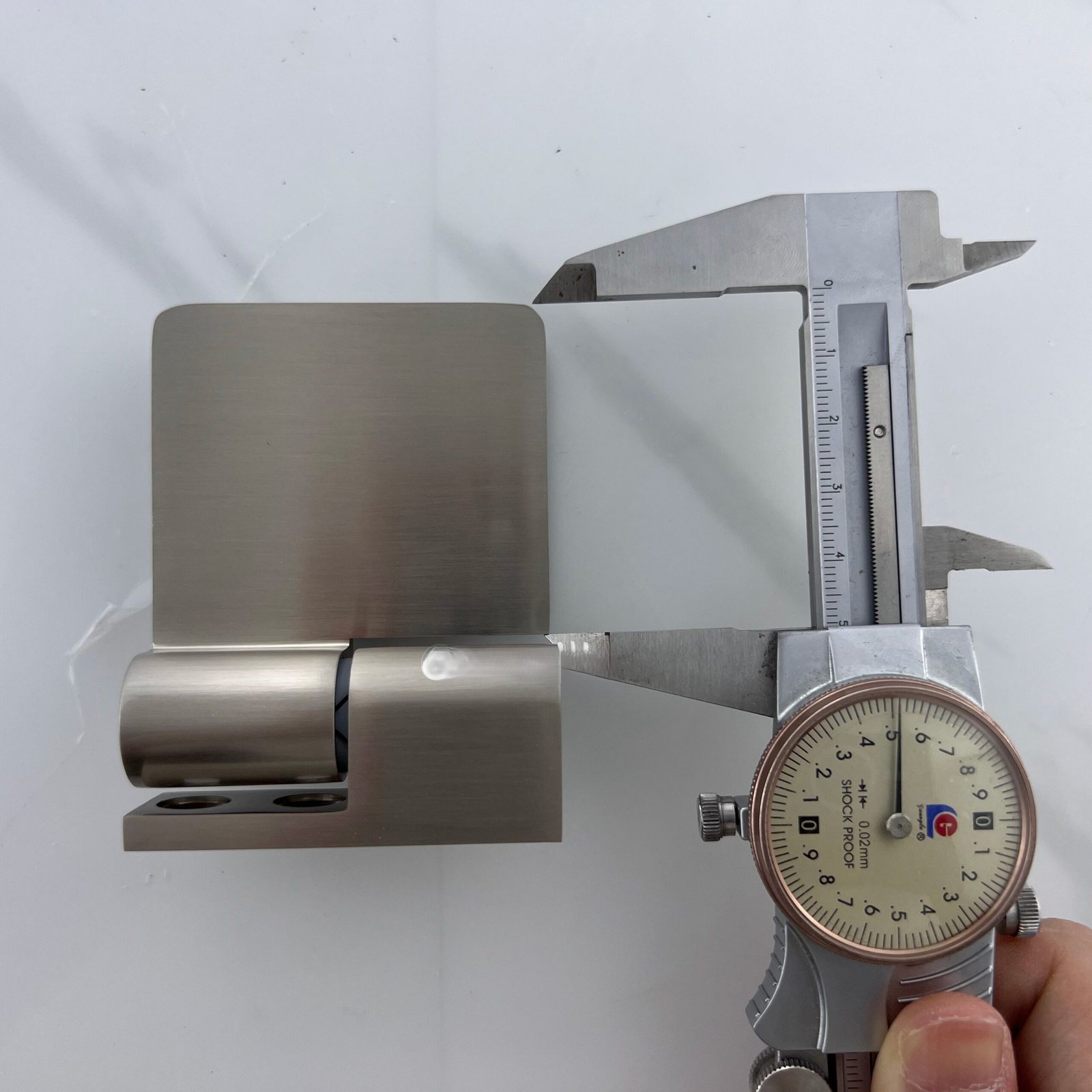
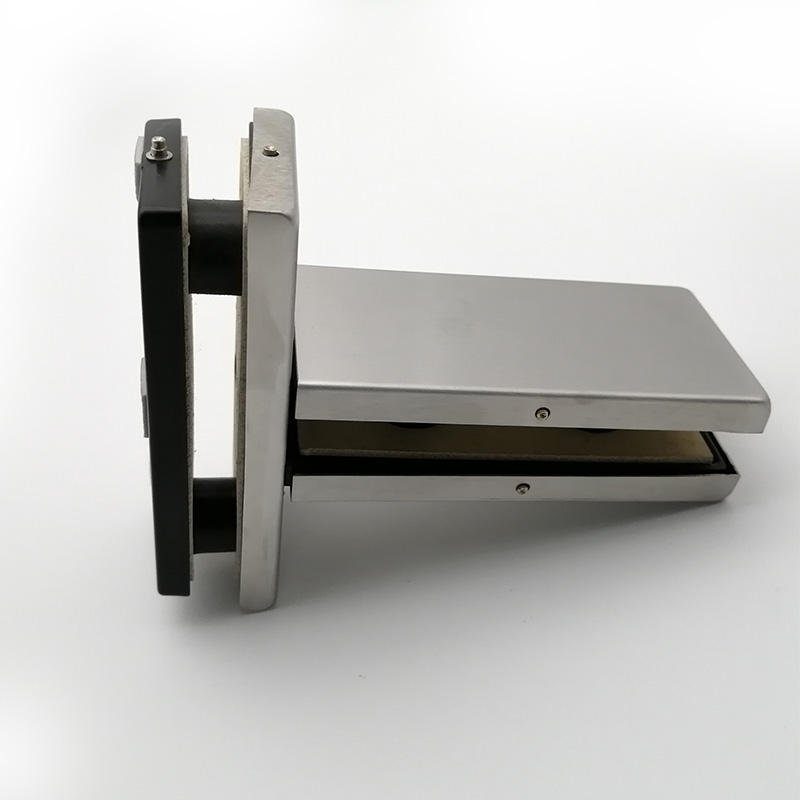
A glass door patch fitting is a hardware component that clamps onto a corner or edge of a frameless glass door. It connects the glass to other hardware such as top pivots, floor springs, fixed glass panels or patch locks.
Patch fittings are commonly used for:
- Frameless glass swing doors
- Commercial glass entrances
- Hotel lobby glass doors
- Office glass doors
- Retail storefront doors
- Interior glass partition doors
- Double glass door systems
- Glass doors with side panels or overpanels
A typical patch fitting may include:
- Metal body
- Stainless steel or aluminum cover plate
- Internal clamping plate
- Rubber, PVC or high-density plastic gasket
- Fixing screws
- Pivot socket or spindle insert
- Lock body, if it is a patch lock
Patch fittings help create the mechanical connection between the glass door and the pivot system. In a floor spring door, the bottom patch transfers the main door load to the floor spring, while the top patch keeps the door aligned at the upper pivot point.
This is why patch fittings should not be selected only by appearance. The model must match the glass thickness, glass cut-out, door size, floor spring spindle, pivot type and opening design.
Bottom Patch Fitting: The Lower Pivot and Floor Spring Connection
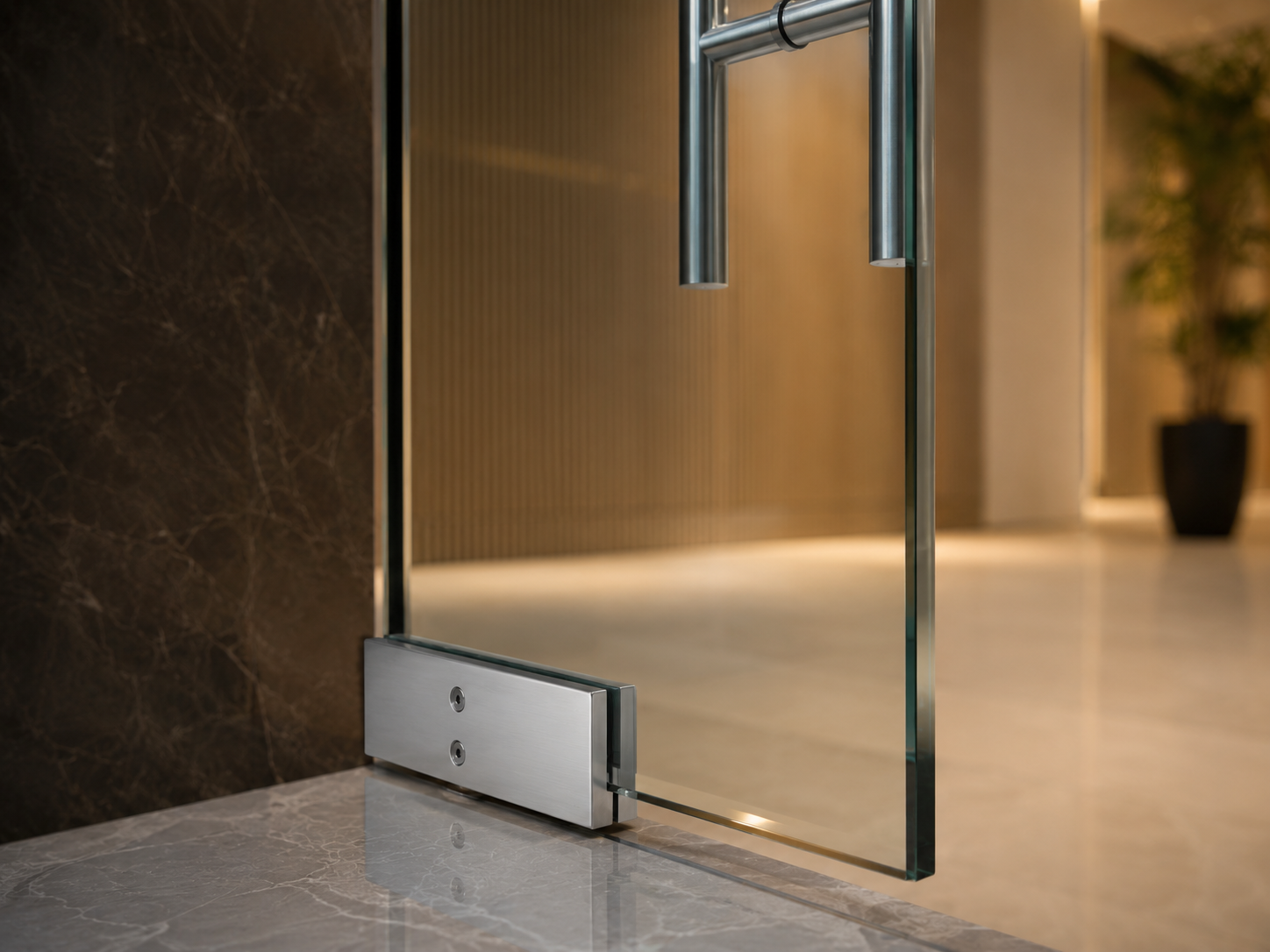
The bottom patch fitting is installed at the lower corner of the glass door. In many commercial frameless glass door systems, it connects directly to the floor spring spindle.
The bottom patch is where the glass door meets the floor-controlled closing system.
Its main role is to connect the heavy glass door leaf to the floor spring or bottom pivot. In a floor spring system, the main vertical load of the door is transferred through this lower connection into the floor spring area.
The bottom patch usually works with:
- Floor spring
- Bottom pivot or spindle
- Glass door leaf
- Bottom clearance
- Door weight and width
- Closing control system
For a commercial frameless glass door, the floor spring controls closing speed, latching speed and return position. The bottom patch transfers that movement into the glass door.
If the bottom patch does not match the floor spring spindle, the connection may have play, feel loose, or fail to locate the door at a stable zero position. Floor spring spindles and bottom patch inserts are not always universal. The spindle shape and insert type should be confirmed before ordering.
Important details include:
- Glass thickness
- Door width and height
- Estimated door weight
- Floor spring model
- Spindle profile or insert type
- Door opening angle
- Single or double door layout
- Indoor or exterior entrance condition
- Traffic frequency
A bottom patch fitting is not just a clamp on the lower glass corner. It is the connection between the glass door and the entire door control system.

Top Patch Fitting: The Upper Pivot Connection
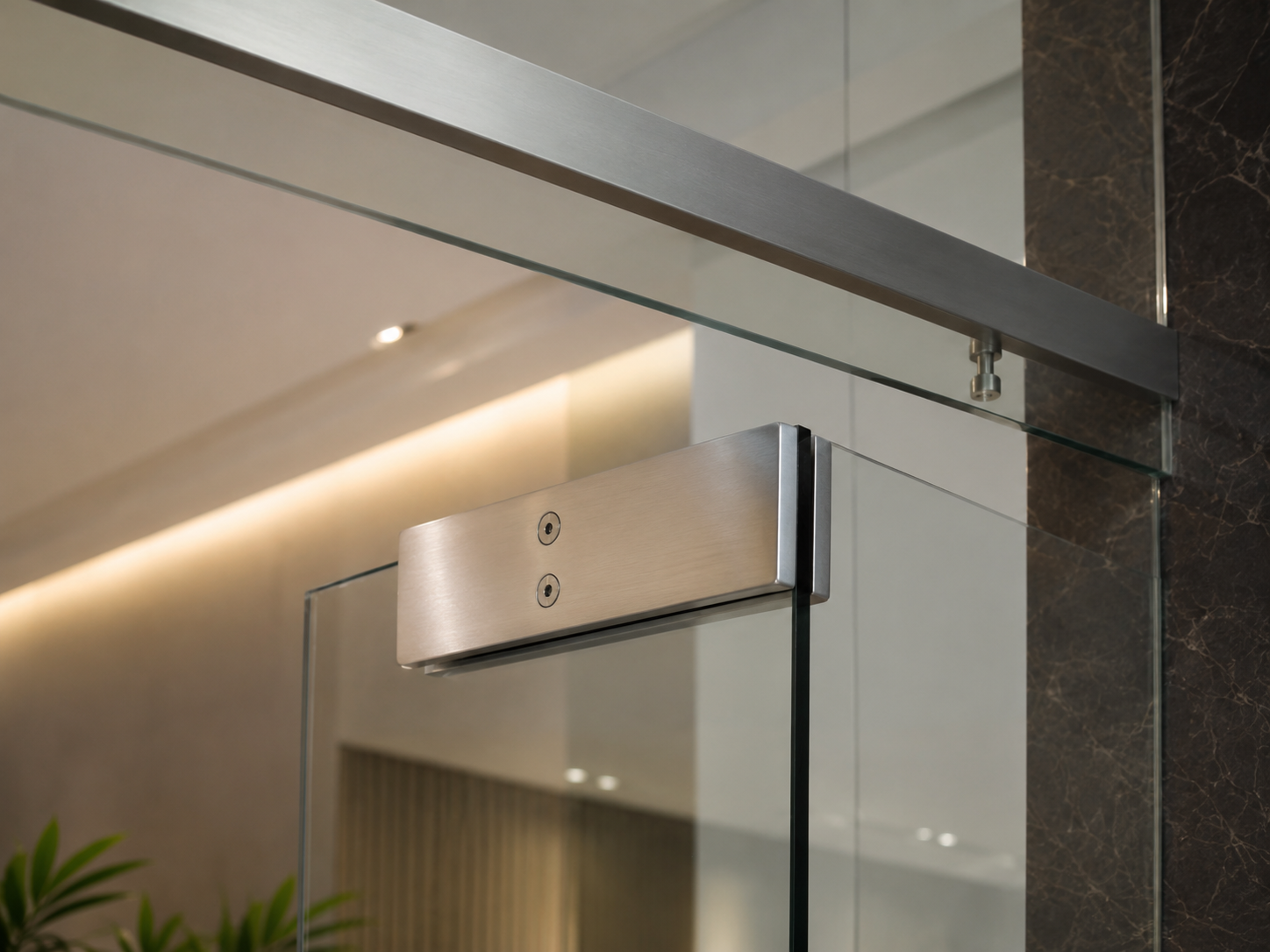
The top patch fitting is installed at the upper corner of the glass door, directly above the bottom patch.
Its main function is to connect the glass door to the upper pivot point. It helps keep the door upright and aligned while the bottom patch and floor spring support and control the main pivot movement below.
Depending on the project design, the top patch may connect to:
- A frame-mounted top pivot
- An overpanel fitting
- A transom patch fitting
- A ceiling or header-mounted pivot
- A fixed glass assembly above the door
The top patch does not usually carry the main vertical weight of the glass door in the same way as the bottom patch and floor spring. Its role is more about alignment, lateral stability and upper pivot control.
The top patch affects:
- Door alignment
- Pivot accuracy
- Opening and closing smoothness
- Clearance around the glass door
- Long-term stability of the door leaf
A good top patch fitting helps the door rotate along a stable axis. But it cannot compensate for poor site measurement, an incorrectly positioned floor spring or a top pivot that is not aligned with the bottom spindle.
The Pivot Plumb Line: Why Alignment Matters
The most important installation principle for a frameless glass door is pivot alignment.
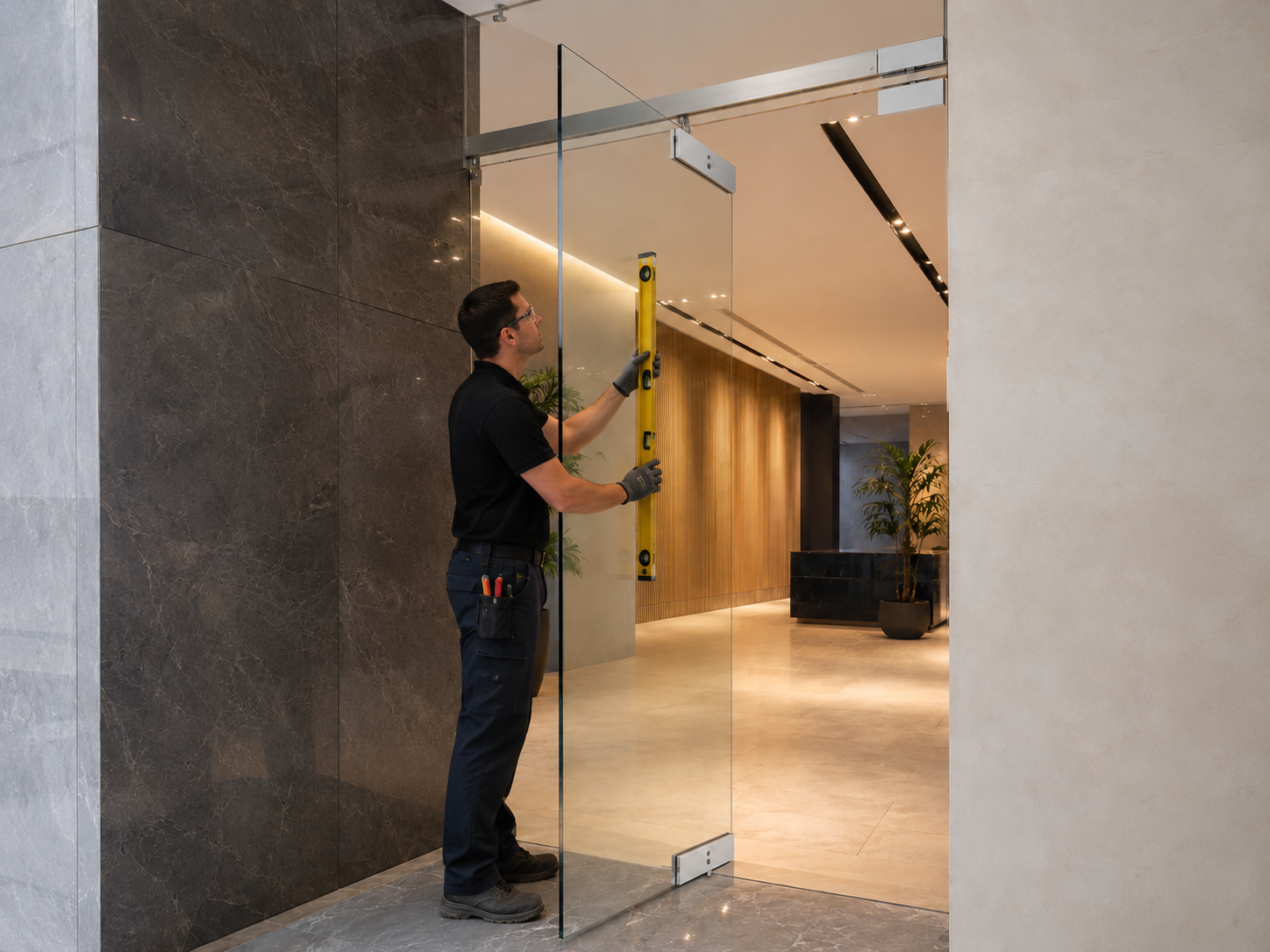
The center of the top pivot pin must be vertically aligned with the center of the bottom floor spring spindle. Together, these two points form the door’s rotation axis.
If the top and bottom points are offset, even by a small amount, the door will not swing on a true vertical axis. This can create several problems:
- The door may swing unevenly.
- The glass may rub against the floor.
- The door may not return to the correct closed position.
- The bottom patch may place extra stress on the floor spring spindle.
- The floor spring may suffer premature wear or hydraulic leakage over time.
- The door gap may become inconsistent.
This is why patch fitting installation requires more precision than a normal timber or aluminum-framed door.
Top patch, bottom patch, top pivot and floor spring should be treated as one aligned pivot system. Selecting good hardware is not enough if the pivot line is poorly set out on site.
Overpanel Fittings: When There Is Fixed Glass Above the Door
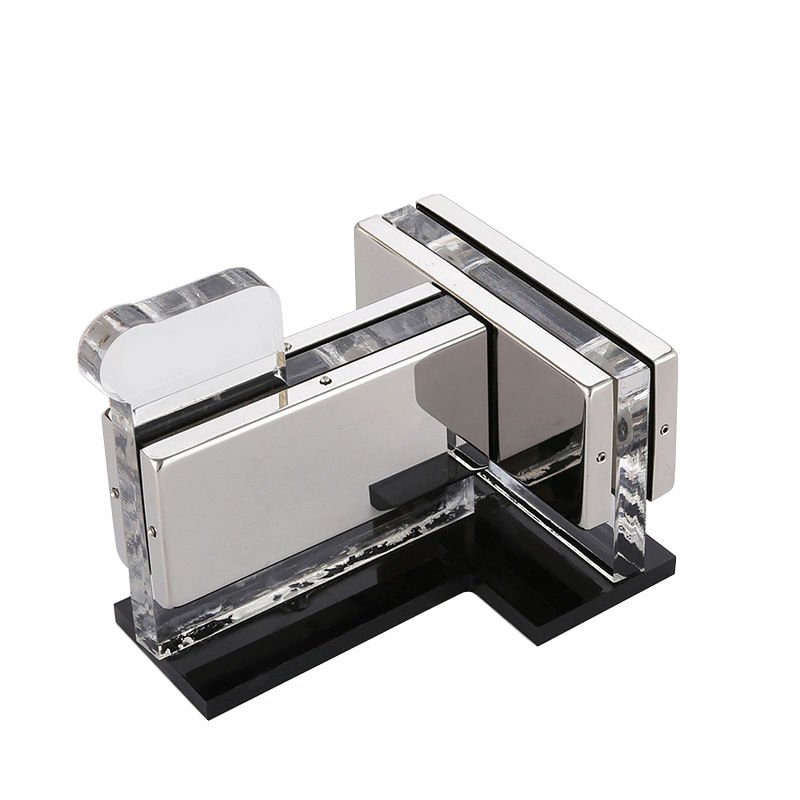
An overpanel fitting is used when there is fixed glass above the moving door leaf. This fixed glass is often called an overpanel or transom glass.
In many commercial glass entrances, the opening may include:
- Moving glass door leaf
- Side fixed glass panels
- Fixed glass above the door
- Top and bottom patch fittings
- Overpanel fittings
- Floor spring
- Pull handle and patch lock
The overpanel fitting helps connect the top pivot area to the fixed glass above the door. It provides a pivot connection when there is no metal frame, ceiling pivot or solid header directly above the door.
Not every frameless glass door needs an overpanel fitting.
If the top pivot is fixed into an aluminum frame, steel structure, wall header or other solid support, a different top pivot arrangement may be used. But if the top pivot must connect to fixed glass above the door, an overpanel or transom fitting becomes important.
Before ordering, confirm:
- Is there fixed glass above the door?
- Is the top pivot fixed to glass, frame or structure?
- What is the overpanel glass thickness?
- Is the door single or double leaf?
- Does the opening include side fixed panels?
- What patch fitting system is used?
The overpanel condition affects the entire top pivot design, so it should be confirmed early.
Corner Patch and Fixed Glass Patch Fittings
Not all patch fittings are installed on the moving door leaf. Some patch fittings are used to connect and stabilize fixed glass panels around the opening.
These may include:
- Corner patch fittings
- Transom patch fittings
- Fixed glass connectors
- Glass-to-glass patch fittings
- Glass-to-wall patch fittings
- Side panel patch fittings
They are commonly used in commercial glass entrances, office partitions, shopfront fixed glass and hotel lobby glass systems.
Their main purpose is to help form the glass opening around the door. They may connect a side fixed panel to an overpanel, support the upper glass area or provide a connection point for the top pivot.
These fittings do not replace the moving door’s top and bottom patch. Instead, they help create the fixed glass structure around the door leaf.
In a simple glass door opening with no side panel and no overpanel, these fittings may not be needed. In a larger commercial glass entrance with multiple fixed panels, they become part of the full system.
Patch Lock: Locking Without a Full Door Frame
A patch lock is a lock designed for frameless glass doors. It allows the glass door to lock without a full metal door frame.
Patch locks may be installed in different positions, depending on the project:
- Center patch lock
- Bottom patch lock
- Corner patch lock
- Glass-to-glass lock
- Glass-to-wall lock
- Double door lock system
A patch lock is not something that should be added at the end of the project. It must be planned before glass production because it may require glass cut-outs or holes.
Important details include:
- Glass thickness
- Lock model
- Glass cut-out drawing
- Door gap
- Strike plate or floor socket
- Single or double door layout
- Fixed glass or wall receiving point
- Handle position
- Access control requirement, if any
If the lock is selected too late, the glass may need to be reprocessed or remade. Tempered glass cannot be cut or drilled after tempering.
Lock planning should happen before glass cutting and tempering.

Glass Cut-Outs and Factory Processing
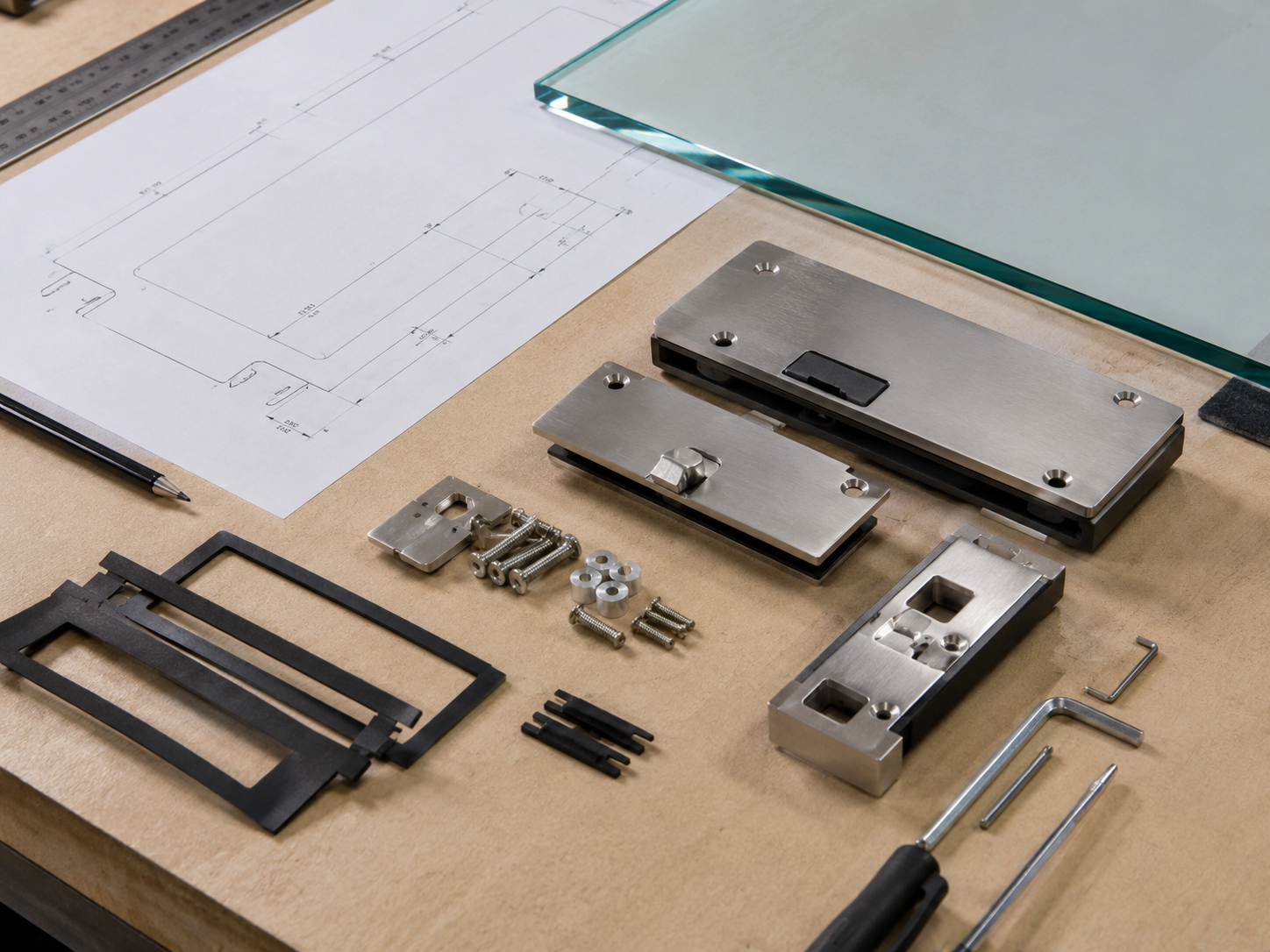
Patch fittings do not always simply clamp onto a flat, unprocessed glass corner. Many true patch fittings for moving glass doors require specific corner cut-outs or holes so that internal bolts, pivots or lock bodies can pass through and hold the glass securely.
This must be planned before the glass is tempered.
Tempered glass cannot be cut, drilled or reshaped on site after it has been through the tempering furnace. This means the exact glass cut-out template should be confirmed before glass production.
Important points:
- Confirm the actual patch fitting model before glass cutting.
- Use the manufacturer’s cut-out drawing, not a generic drawing.
- Confirm whether the patch lock requires additional cut-outs.
- Confirm pull handle hole spacing at the same time.
- Confirm glass thickness and gasket package.
- Confirm whether the project uses single or double doors.
Different hardware manufacturers may use different cut-out shapes, screw locations and insert designs. Sending a generic cut-out drawing to the glass factory before confirming the actual patch fitting can create serious installation problems.
The hardware should be confirmed before the glass is processed, not after.
Gaskets, Washers and Installation Torque
Glass and metal should not be forced into direct hard contact inside a patch fitting.
Direct metal-to-glass contact should be avoided because it can create stress concentration around the glass cut-out and increase the risk of breakage.
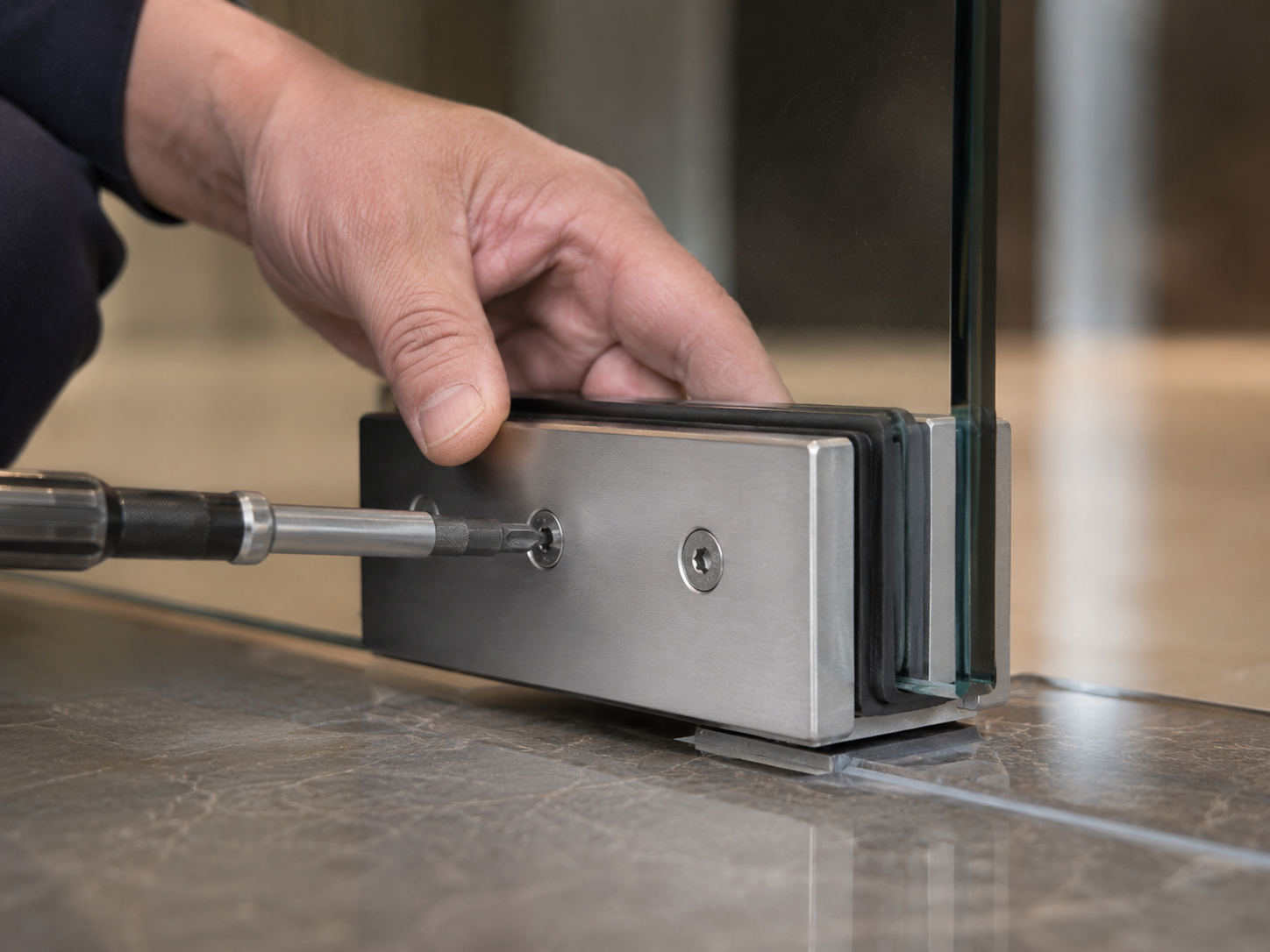
Patch fittings normally rely on rubber, PVC or high-density plastic gaskets to grip and protect the glass. These internal pads help distribute clamping pressure and prevent the metal body from pressing directly against the glass.
Installation also matters.
If the screws are under-tightened, the glass may slowly slip or shift inside the patch fitting. If the screws are over-tightened, stress may concentrate around the cut-out edges. The screws should be tightened evenly and according to the fitting’s installation requirements.
This is especially important for:
- Heavy commercial glass doors
- High-traffic entrances
- Large pull handles
- Exterior or semi-outdoor entrances
- Doors with frequent impact or strong user force
Patch fitting performance depends not only on the product. It also depends on correct gasket use and installation control.
How Patch Fittings Work with Floor Springs
For many frameless glass swing doors, the floor spring is the main door control device. It controls closing speed, latching speed and return position.
The patch fittings connect the glass door to that control system.
A typical floor spring glass door system includes:
- Floor spring under the door
- Bottom patch fitting connected to the floor spring spindle
- Top patch fitting connected to the top pivot
- Top pivot or overpanel fitting above the door
- Pull handle for operation
- Patch lock or glass lock for security
The floor spring and patch fittings must work together.
If the floor spring is undersized, the door may not close properly. If the bottom patch insert does not match the floor spring spindle, the door may feel loose or fail to locate accurately. If the top and bottom pivot line is not aligned, the door may swing unevenly.
A patch fitting cannot fix a wrong floor spring selection. A strong floor spring also still needs correct patch fitting alignment.
For high-traffic doors such as hotel entrances, office building entrances and retail storefronts, both floor spring and patch fittings should be selected according to door weight, door width and expected usage.
Glass Thickness, Door Weight and Door Size
Patch fittings must be matched with the actual glass and door size.
Important details include:
- Glass thickness
- Door width
- Door height
- Estimated door weight
- Single or double door layout
- Indoor or outdoor location
- Traffic frequency
- Floor spring model
- Top pivot condition
- Lock requirement
- Pull handle type
Common glass thickness for frameless glass doors may include 10mm and 12mm tempered glass, depending on project requirement. Some projects may use laminated glass, but the patch fitting model must be checked carefully because laminated glass thickness and interlayer structure may affect compatibility.
Do not assume that one patch fitting fits all glass thicknesses.
Many standard commercial patch fitting systems are used for typical 10mm or 12mm glass doors, while taller, wider or heavier doors may require heavy-duty patch fittings and a matching floor spring. The exact weight rating should always be checked from the specific product specification.

Material and Finish Options
Patch fittings are visible parts of a frameless glass door system. Their finish should match the rest of the door hardware.
Common patch fitting material and finish options may include:
- Aluminum body with stainless steel cover
- Stainless steel cover plate
- Cast body with decorative cover
- Brushed stainless steel finish
- Polished stainless steel finish
- Matte black finish
- Gold or champagne finish
- PVD finish, depending on model and project requirement
The finish should coordinate with:
- Pull handle
- Patch lock
- Floor spring cover plate
- Door clamp
- Glass lock
- Other visible glass fittings
A frameless glass door may look simple, but mismatched finishes can make the whole entrance look inconsistent.
Finish planning should happen before bulk ordering, especially for hotels, retail stores and high-end commercial projects.
Application-Based Patch Fitting Selection
Office Glass Doors
Office glass doors often need a clean and simple hardware set. A typical system may include top patch, bottom patch, floor spring or pivot, pull handle and patch lock.
The main requirements are stable operation, clean appearance and easy maintenance.
Hotel Lobby Glass Entrance
Hotel lobby entrances may use larger or heavier glass doors with high traffic. The system may include a heavy-duty floor spring, matching top and bottom patch fittings, large pull handles, patch locks and overpanel fittings if there is fixed glass above the door.
The main requirements are appearance, durability and smooth operation.
Retail Storefront
Retail storefront glass doors are opened frequently and need reliable locking after business hours. Patch fittings should be matched with a suitable floor spring, pull handle and patch lock.
The finish should also be easy to maintain because storefront hardware is highly visible.
Interior Commercial Glass Partition
Interior glass partitions may include fixed glass panels, a swing glass door and an overpanel or side panel. In this case, the patch fittings are part of a full glass partition entrance system.
The project should check how the moving door leaf connects with the fixed glass around it.
Common Mistakes Before Ordering Patch Fittings
Ordering patch fittings without confirming glass thickness
Different patch fittings support different glass thickness ranges. Always confirm the exact model specification.
Assuming all bottom patches fit all floor springs
Floor spring spindles and bottom patch inserts are not always universal. Confirm the spindle profile and insert type before ordering.
Ignoring floor spring compatibility
The bottom patch must match the floor spring spindle and door control system. Do not select it separately without checking the floor spring.
Forgetting the overpanel condition
If there is fixed glass above the door, the top pivot arrangement may require an overpanel fitting.
Using fixed glass clamps as pivot hardware
Fixed glass clamps or partition clips should not be used as pivot hardware for a moving glass door. A swing glass door needs proper patch fittings designed for pivot movement and door load.
Planning patch locks too late
Patch locks may require glass cut-outs. The lock model and glass drawing should be confirmed before tempering.
Using generic glass cut-out drawings
Patch fitting cut-outs differ between models and manufacturers. Always confirm the actual hardware drawing before glass production.
Mixing finishes from different suppliers
Patch fittings, pull handles, locks and floor spring cover plates should have coordinated finishes.
Poor top and bottom pivot alignment
If the top and bottom pivot line is not vertical, the door may rub, swing unevenly or fail to close accurately.
Practical Selection Guide
If the project uses a frameless glass swing door, confirm:
- Top patch fitting
- Bottom patch fitting
- Floor spring or pivot system
- Glass thickness
- Door width and height
- Estimated door weight
If there is fixed glass above the door, confirm:
- Overpanel fitting
- Transom glass thickness
- Top pivot support
- Connection with side fixed glass
If the door needs locking, confirm:
- Patch lock type
- Glass cut-out drawing
- Strike plate or floor socket
- Door gap
- Lock receiving point
If the door is used in a high-traffic area, confirm:
- Heavy-duty floor spring requirement
- Suitable patch fitting model
- Door weight and door width
- Finish durability
- Maintenance access
A frameless glass door should be selected as a complete hardware system, not as separate parts chosen one by one.
How Metech Supports Glass Door Patch Fitting Projects
Metech Hardware supports frameless glass door hardware selection for offices, hotels, retail storefronts, commercial entrances, interior partitions and building projects.
Our product range may include:
- Top patch fittings
- Bottom patch fittings
- Overpanel fittings
- Corner patch fittings
- Patch locks
- Floor springs
- Door clamps
- Pull handles
- Glass locks
- Related frameless glass door hardware
Before recommending a hardware set, we prefer to check:
- Glass thickness
- Door width and height
- Estimated door weight, if available
- Single or double door layout
- With or without overpanel
- With or without side fixed glass
- Floor spring model or requirement
- Floor spring spindle profile, if already selected
- Lock requirement
- Pull handle requirement
- Finish preference
- Quantity
- Drawings or site photos
For overseas buyers, contractors and distributors, Metech can help match top patch, bottom patch, overpanel fitting, patch lock, floor spring and related glass door hardware according to the actual project layout.
We can also help coordinate glass cut-out templates, matching gaskets, compatible inserts and visible finishes across the full door set, including patch fittings, pull handles, locks and floor spring cover plates.
FAQ
What is a glass door patch fitting?
A glass door patch fitting is a metal fitting that clamps onto a frameless glass door and connects it to pivots, floor springs, locks or fixed glass panels.
What is the difference between top patch and bottom patch?
A top patch fitting connects the upper corner of the glass door to the top pivot or overpanel fitting. A bottom patch fitting connects the lower corner of the glass door to the floor spring or bottom pivot.
Does a bottom patch fitting always need a floor spring?
Not always. If self-closing is not required, some doors may use a free-swinging bottom pivot bearing instead of a hydraulic floor spring. For commercial entrances, floor springs are commonly used for controlled closing.
When do I need an overpanel fitting?
You need an overpanel fitting when the top pivot connects to fixed glass above the door rather than to a frame, wall or structural header.
Do patch fittings require holes or cut-outs in the glass?
Many true patch fittings for moving glass doors require specific corner cut-outs or holes. These must be processed before the glass is tempered.
Can patch fittings be used with 10mm and 12mm glass?
Many patch fittings are designed for 10mm or 12mm tempered glass, but the exact glass thickness range depends on the specific model. Always confirm before ordering.
What is a patch lock?
A patch lock is a lock designed for frameless glass doors. It locks the glass door without requiring a full metal door frame.
Can patch fittings be used for double glass doors?
Yes. Patch fittings are commonly used for double frameless glass doors, but the correct lock, pivot, floor spring and door gap details must be confirmed.
Can Metech help match patch fittings with floor springs and handles?
Yes. Send us your glass thickness, door size, overpanel condition, floor spring requirement, lock requirement and finish preference. Metech Hardware can help recommend a suitable frameless glass door hardware set.
Need Patch Fittings for a Frameless Glass Door Project?
Send us your glass thickness, door width, door height, door type, overpanel condition, floor spring requirement, lock requirement and finish preference. Metech Hardware can help match suitable top patch, bottom patch, overpanel fitting, patch lock, floor spring and related frameless glass door hardware for your project.