When a heavy frameless glass door starts scraping against the floor tiles, fails to return to center or causes the floor lock to miss its hole, the first assumption is often simple:
The patch fitting is defective.
The floor spring has failed.
The glass door hardware is not strong enough.
Sometimes product quality is part of the problem. But in many commercial glass door projects, the visible hardware is only one part of a larger system.
A frameless glass door depends on correct geometry, glass preparation, spindle compatibility, gasket pressure, pivot alignment and floor spring condition. If one part of this system is wrong, the door may sag, scrape the floor, fail to close properly or become difficult to lock.
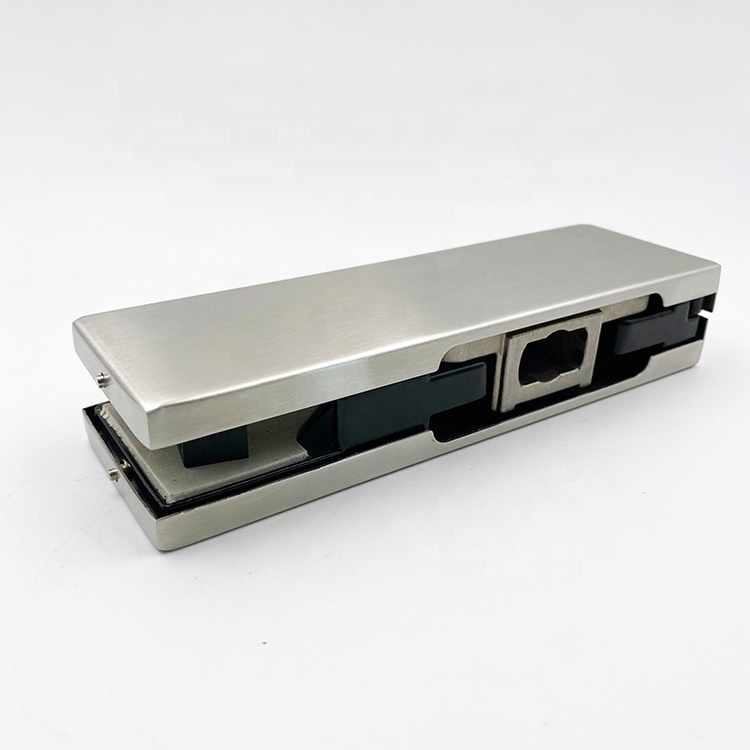
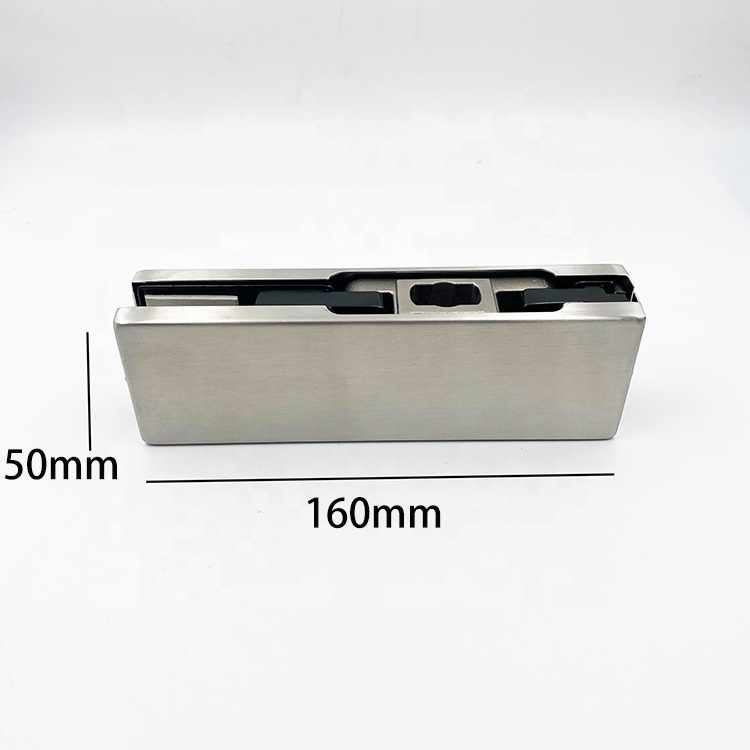
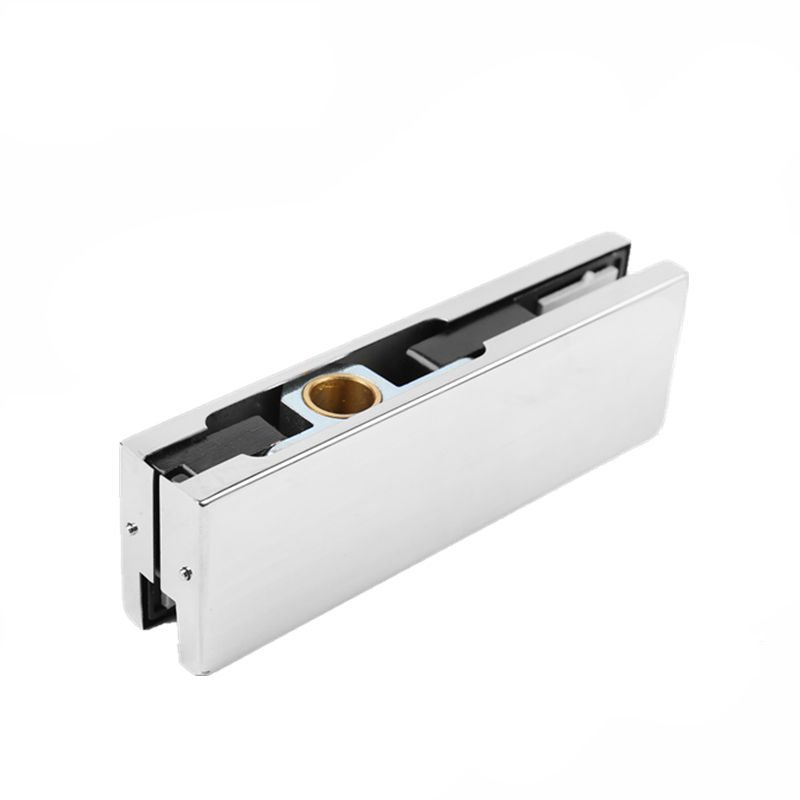
A patch fitting is not just a metal cover on the glass.
It is the connection point between the glass panel, floor spring, pivot system and locking hardware.
For new installations and retrofit projects, avoiding common patch fitting installation mistakes is essential for long-term door performance.
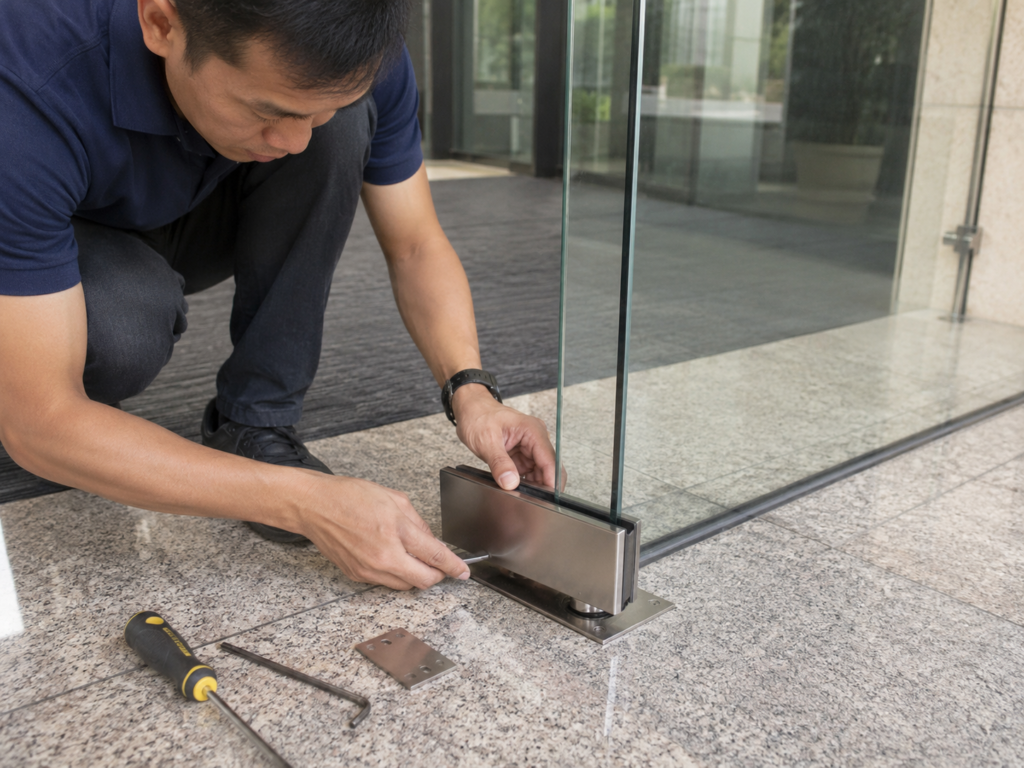
What Does a Patch Fitting Actually Do?
A patch fitting connects a frameless glass door to the surrounding door-control system.
Depending on the door design, patch fittings may be used to:
- Clamp the tempered glass panel
- Connect the door to the floor spring spindle
- Connect the door to the top pivot
- Transfer door weight and operating force
- Protect the glass cutout area with gaskets
- Support patch locks or floor locks
- Work with overpanels, sidelights or double-door systems
- Help the door rotate around the correct pivot axis
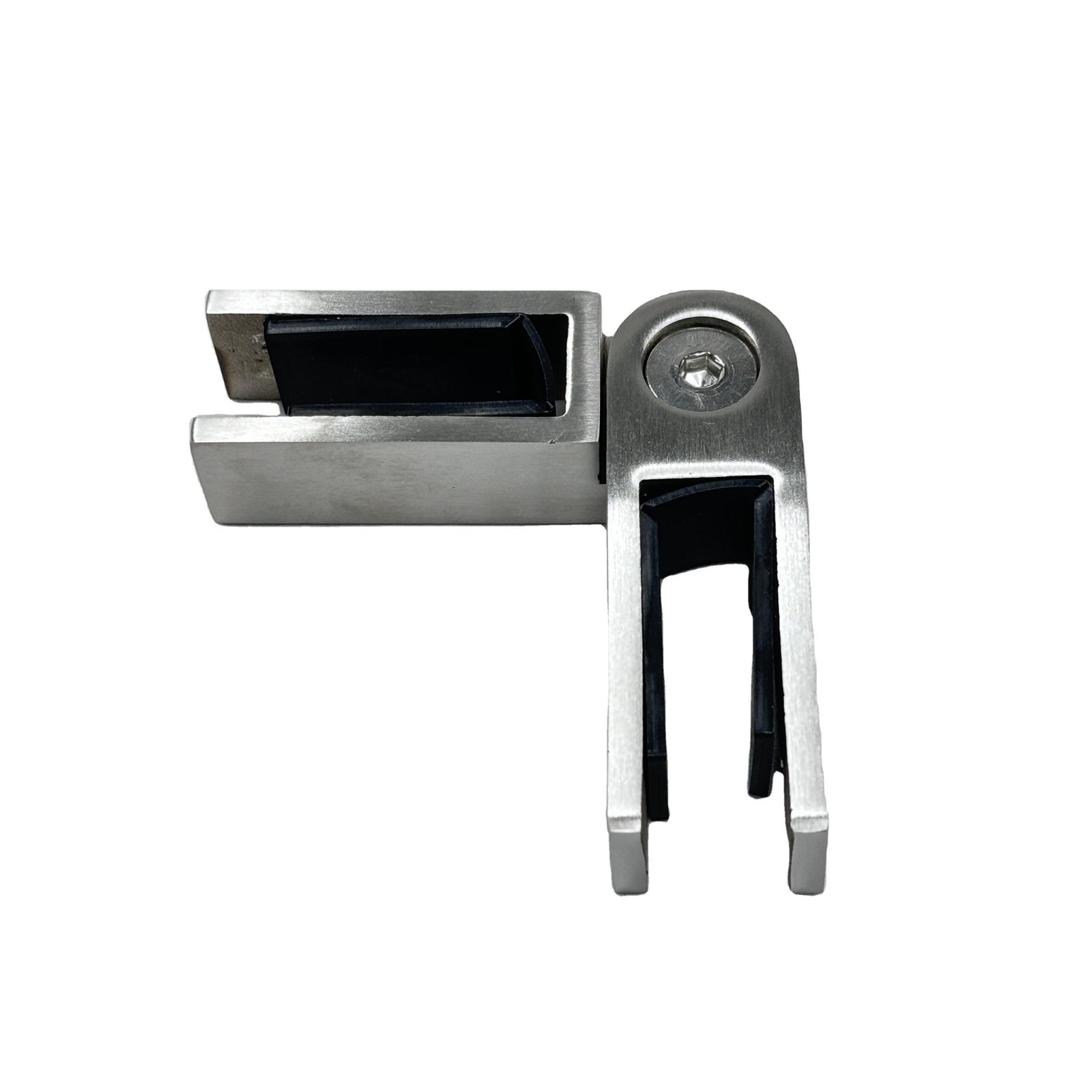
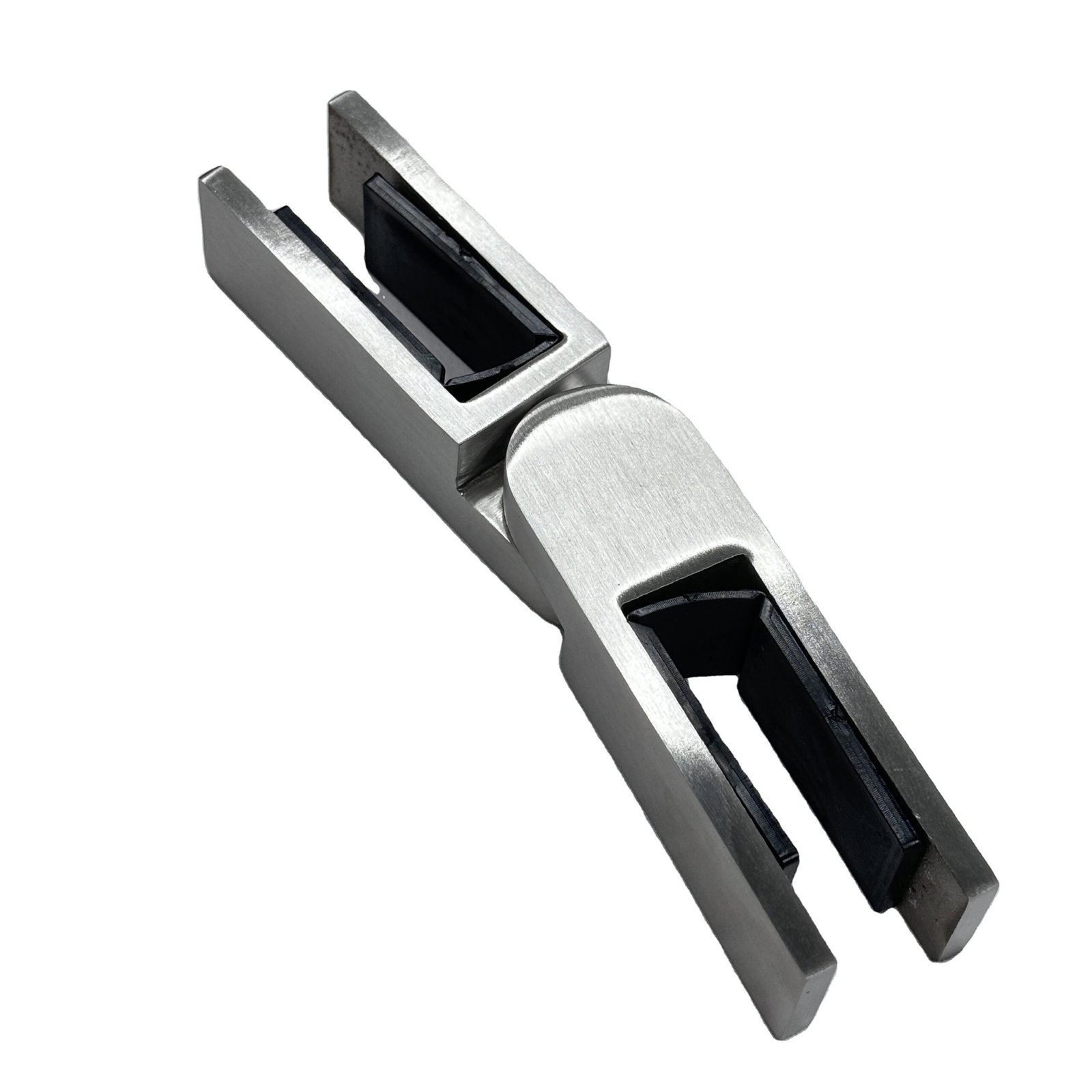
Common types include bottom patch fittings, top patch fittings, overpanel fittings, corner patch fittings and patch locks.
The key point is simple:
A patch fitting must match the glass, the floor spring, the pivot and the door layout.
Even a strong patch fitting cannot perform correctly if the glass cutout is wrong, the spindle does not match or the top and bottom pivot points are misaligned.
Mistake 1: Pivot Misalignment
One of the most serious installation mistakes is failing to align the top pivot and the bottom floor spring spindle on the same vertical axis.
A frameless glass door swings around an invisible vertical hinge line. This line connects the center of the top pivot to the center of the floor spring spindle.
If these two points are aligned, the door weight transfers correctly into the floor spring and pivot system.
If the top pivot is offset from the bottom spindle, the door rotates on a tilted axis. Even a small offset can create side load on the spindle, bottom patch, top patch and floor spring bearing system.
Over time, pivot misalignment may cause:
- Door not returning to center
- Floor spring working under extra side stress
- Door gap changing during movement
- Patch fitting receiving uneven load
- Door scraping against the floor
- Lock or floor bolt misalignment
- Faster wear in pivot or floor spring components
- Higher risk of oil leakage in hydraulic floor springs
This is why installers should not rely only on visual alignment.
For commercial glass doors, a laser level, plumb line or heavy plumb bob should be used to confirm that the top pivot is directly above the floor spring spindle before the glass door is finally installed.
A good floor spring and a good patch fitting cannot solve a wrong pivot axis.
Mistake 2: Glass Cutout Mismatch
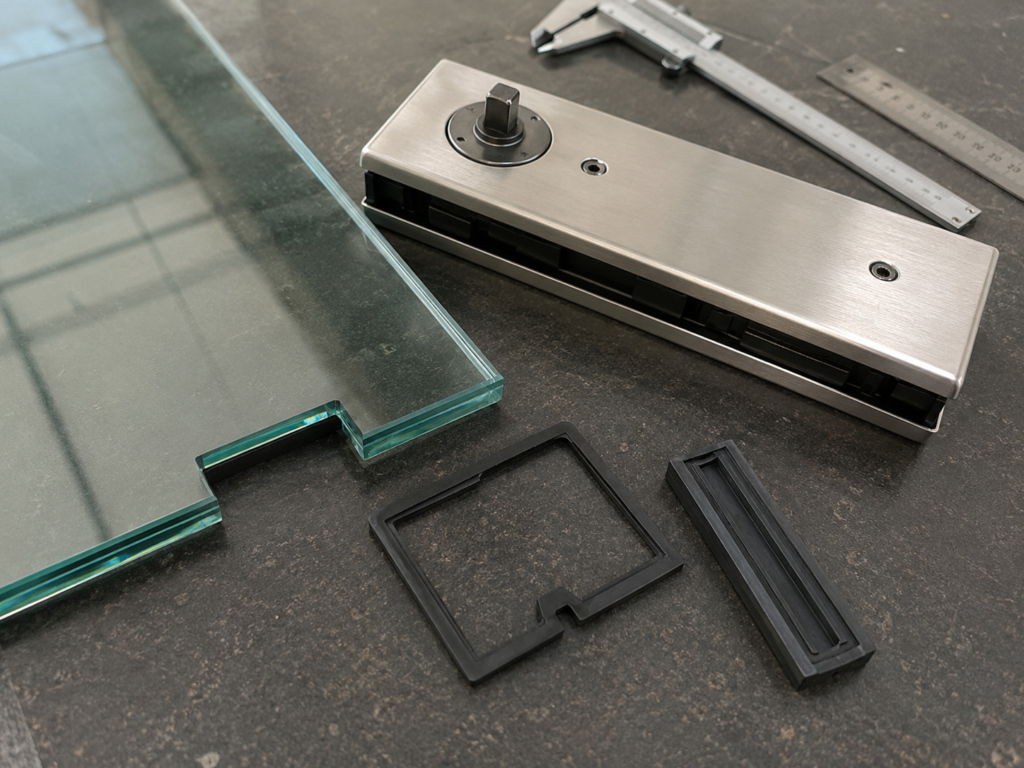
Patch fittings do not simply clamp onto a flat piece of glass.
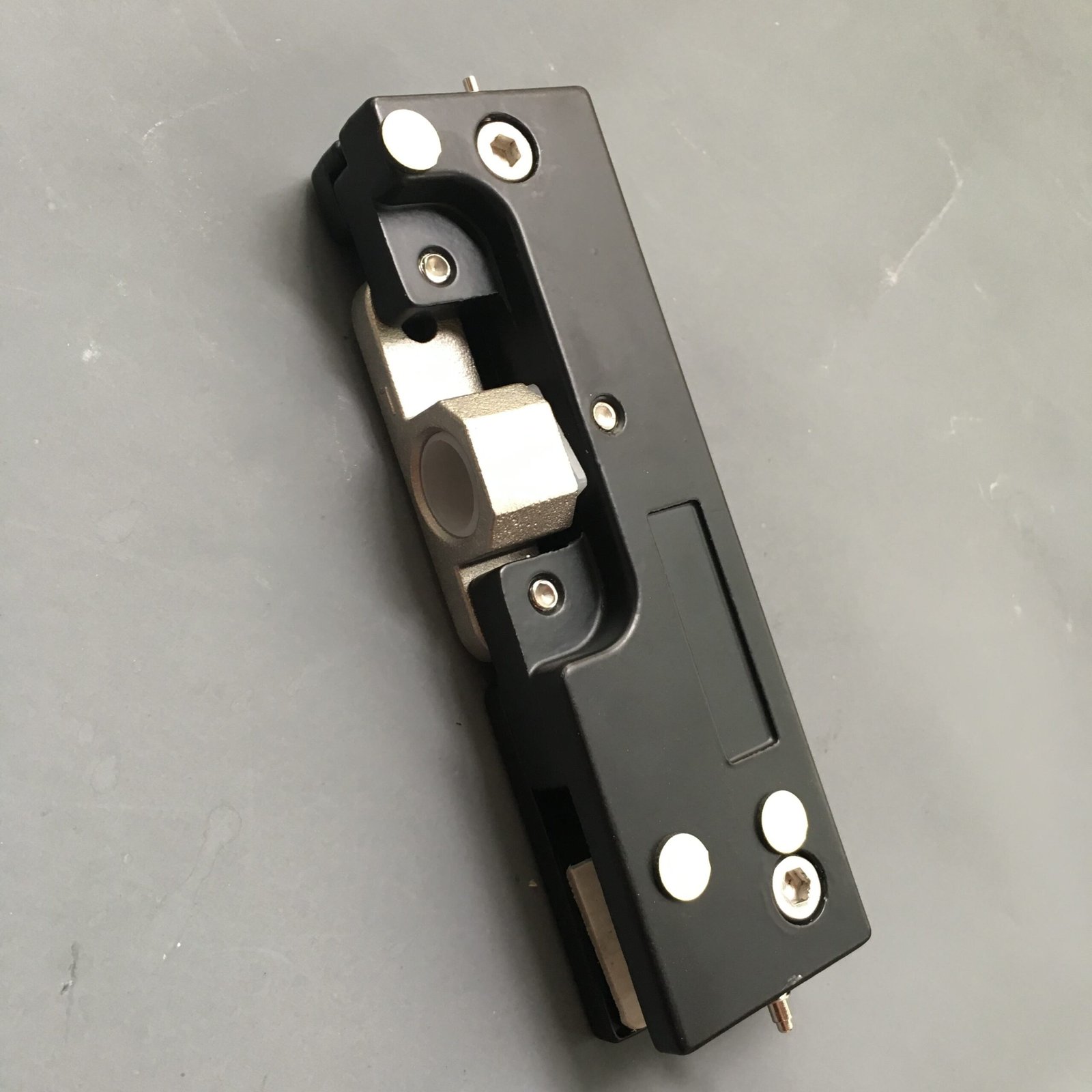
Most commercial patch fittings require physical cutouts, notches or holes in the tempered glass panel. Internal plates and bolts must sit correctly inside these cutouts.
This creates an important rule:
The patch fitting must match the glass cutout.
Tempered glass cannot normally be drilled, cut or modified after tempering. Once the glass door has been produced, the cutout shape and hole positions are fixed.
Before ordering patch fittings, buyers and installers should confirm:
- Glass thickness
- Cutout shape
- Cutout size
- Hole distance
- Bolt position
- Distance from glass edge
- Notch shape
- Internal plate position
- Required cutout drawing
If the cutout does not match the patch fitting, the fitting may not sit correctly. Bolts or internal metal parts may press against the glass cutout edge, creating local stress. The gaskets may not cover the correct pressure area. The fitting may appear installed, but the clamping force may be uneven.
For new glass doors, the exact cutout drawing should be confirmed before the glass is tempered.
For retrofit projects, the existing cutout should be measured before selecting replacement patch fittings.
If the patch fitting does not match the glass cutout, the problem cannot be solved by tightening the screws harder.
Mistake 3: Wrong Gaskets and Clamping Pressure
Patch fittings should not clamp directly onto bare glass with metal pressure.
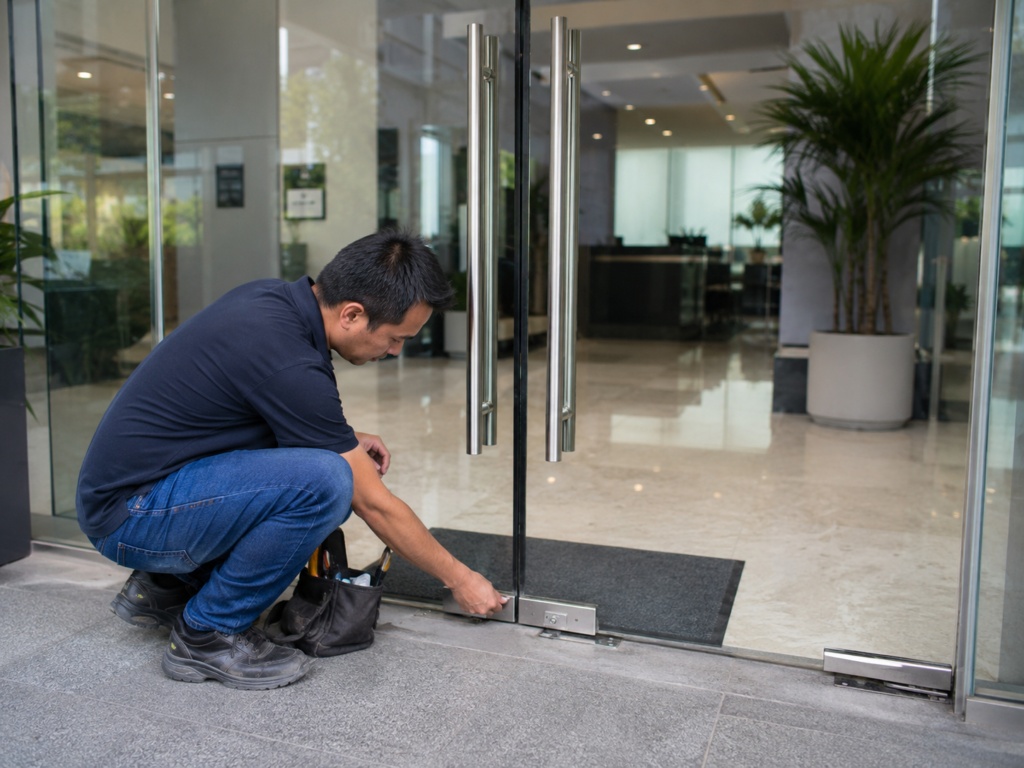
Gaskets are used to separate metal from glass, distribute pressure and increase friction between the fitting and the glass surface.
The gasket set must match the glass thickness and the fitting design.
Common gasket mistakes include:
- Using the wrong gasket for 10mm or 12mm glass
- Reusing old compressed gaskets
- Missing gasket pieces
- Using gaskets that are too hard or too soft
- Tightening screws unevenly
- Applying pressure only on one side
- Allowing metal-to-glass contact inside the fitting
If the gasket is too thin or incorrectly placed, the outer cover plates may tighten against each other before the glass is properly clamped.
This can create a slow sag problem.
At first, the door may look normal. But after repeated opening and closing, the heavy glass panel may slowly slide downward inside the patch fitting. Eventually, the bottom edge of the glass may scrape the floor, touch the floor spring cover plate or misalign with the lock.
Door sag is often caused by a combination of glass weight, gasket compression and insufficient clamping stability.
For commercial doors, installers should use the correct gasket set, tighten bolts evenly and confirm the glass remains stable after adjustment.
Mistake 4: Spindle Insert Mismatch
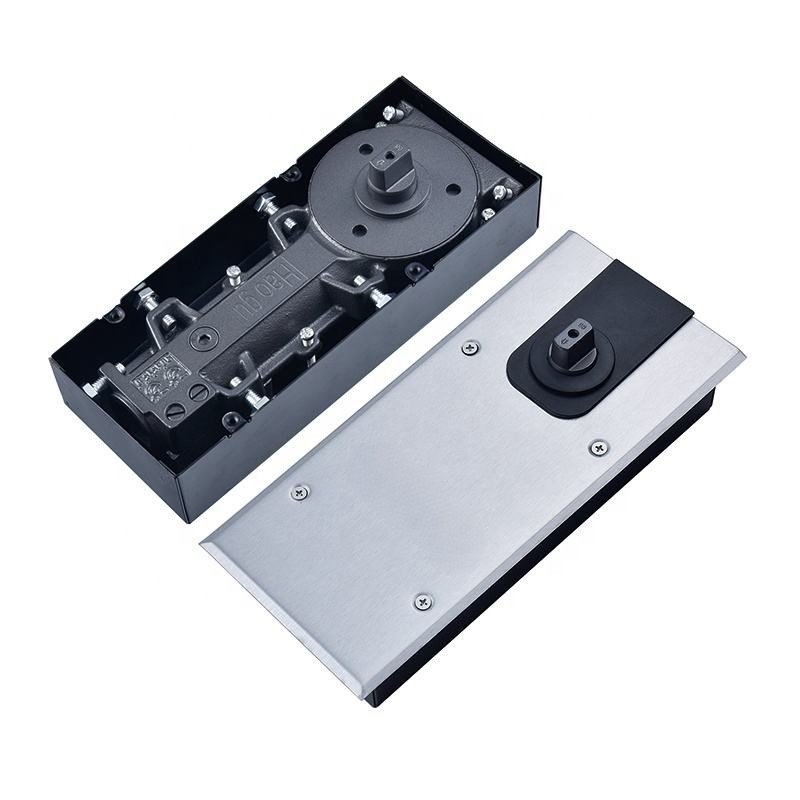
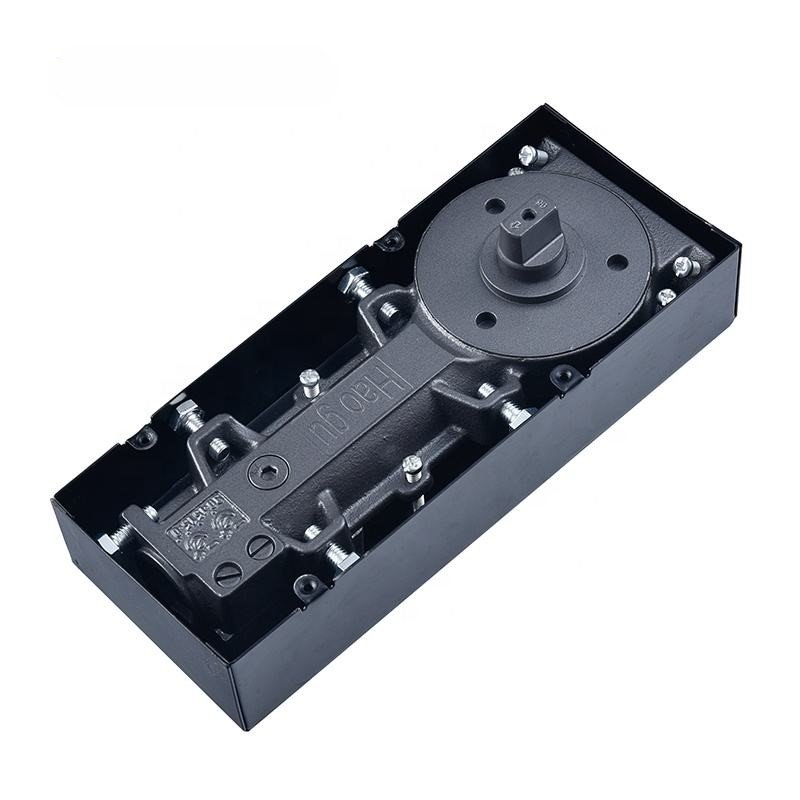
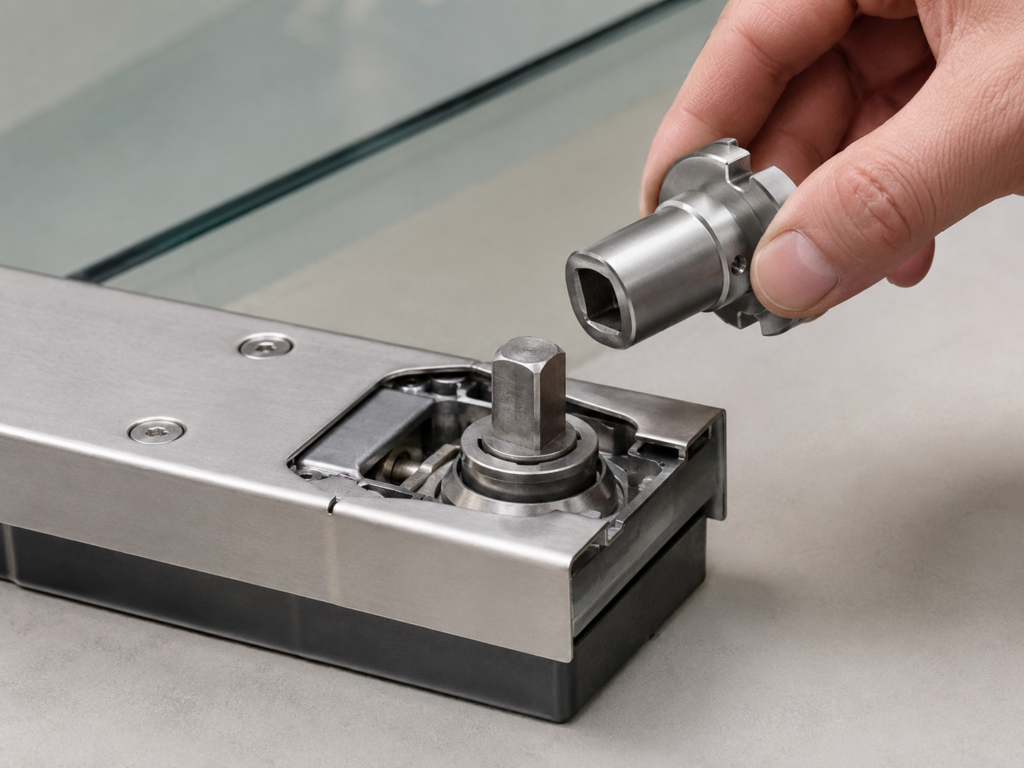
The bottom patch fitting must connect correctly to the floor spring spindle.
This small connection is critical because it transfers closing force from the floor spring to the glass door.
Different floor spring models may use different spindle profiles. Common examples may include:
- Flat-tapered spindle
- Square spindle
- Spline-type spindle
- Other market-specific spindle designs
The bottom patch fitting usually uses an insert or internal block that must match the spindle profile.
If the spindle and insert are not compatible, the door may still be installed, but the connection may have mechanical play.
This can cause:
- Door wobbling at the closed position
- Poor return-to-center accuracy
- Lock or floor bolt not aligning
- Double doors not meeting evenly
- Loose feeling at the bottom patch
- Extra wear between floor spring and patch fitting
For glass doors with floor locks, patch locks or electric drop bolts, zero-position accuracy is very important.
A bottom patch fitting and floor spring should be selected as a matched connection, not two separate parts bought only by appearance.
Before ordering replacement bottom patches, buyers should provide photos or measurements of the existing spindle whenever possible.
Mistake 5: Replacing Patch Fittings Without Checking Door Weight
Not every patch fitting is suitable for every glass door.
A small interior office glass door and a heavy commercial entrance door may both use patch fittings, but the load and usage conditions are very different.
Before replacing patch fittings, buyers should check:
- Glass thickness
- Door width
- Door height
- Estimated door weight
- Single or double-door layout
- Indoor or outdoor use
- Traffic frequency
- Wind or air-pressure condition
- Pull handle size
- Locking requirement
- Floor spring capacity
A light-duty patch fitting used on a heavy commercial door may lead to repeated adjustment problems.
The door may sag, screws may loosen, gaskets may compress quickly, or the lock may become difficult to use.
For high-traffic doors in shopping malls, hotels, schools and office buildings, the patch fitting should be selected together with the floor spring, top pivot, lock and handle system.
Mistake 6: Ignoring Lock Alignment and Double-Door Gaps
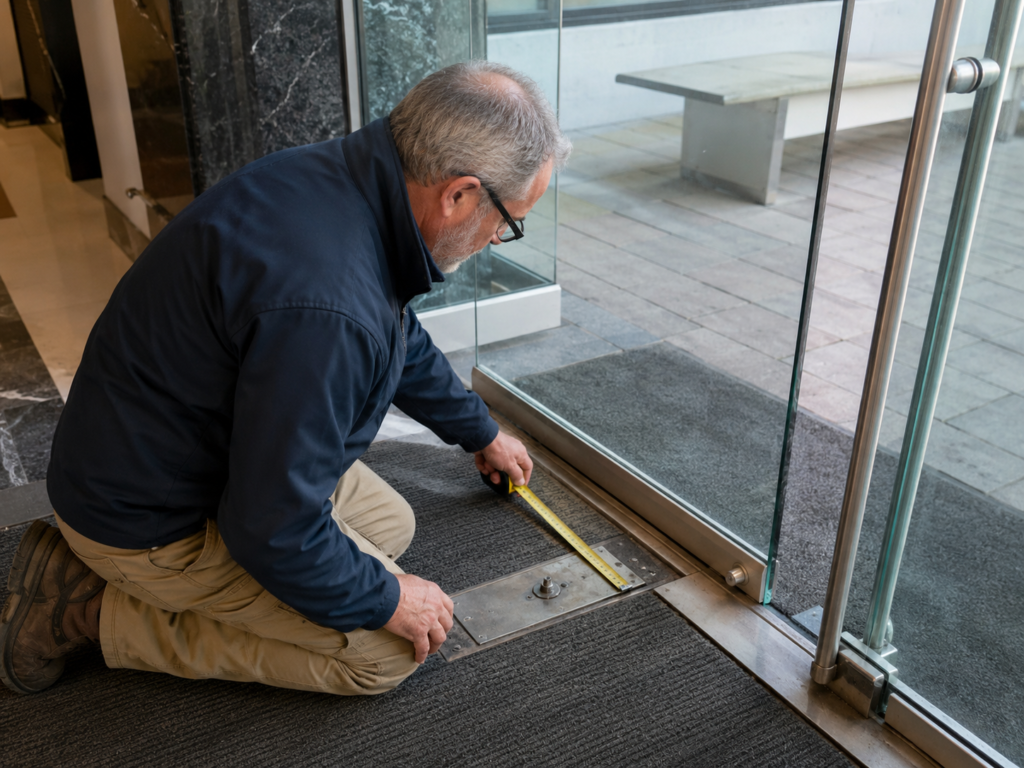
Many glass door problems become visible at the lock.
The door may still swing, but the lock does not engage smoothly.
This can happen when:
- The door does not return to center
- The floor spring is worn or poorly adjusted
- The bottom patch is loose
- The top pivot is misaligned
- The glass door has sagged
- The floor lock hole is not aligned
- Double-door leaves are not level
- The patch lock position does not match the keeper
For double frameless glass doors, alignment is even more sensitive.
Both leaves must return to the correct closed position. If one leaf drops slightly or returns at a small angle, the center gap changes and the lock may fail to engage.
This is why lock problems should not be diagnosed by looking at the lock alone.
The patch fitting, floor spring, top pivot, door sag and return-to-center accuracy should all be checked together.
Mistake 7: Treating Retrofit Projects Like New Installations
Retrofit projects are more complicated than new installations.
In a new project, the glass cutout, patch fitting, floor spring, top pivot and lock can be selected together.
In a retrofit project, many conditions are already fixed.
The glass has already been tempered. The cutout cannot be changed. The cement box is already in the floor. The top pivot may be worn. The old patch fitting may follow an older standard. The existing door may already be sagging, rubbing or failing to close.
This means the existing site condition often decides what replacement hardware can be used.
In retrofit projects, buyers should not order patch fittings only from a front-cover photo.
They should check the old fitting dimensions, glass cutout, glass thickness, floor spring spindle, top pivot and actual problem before confirming a replacement.
In many retrofit projects, the existing glass cutout decides what hardware can be used.
Installation Checklist for Frameless Glass Doors
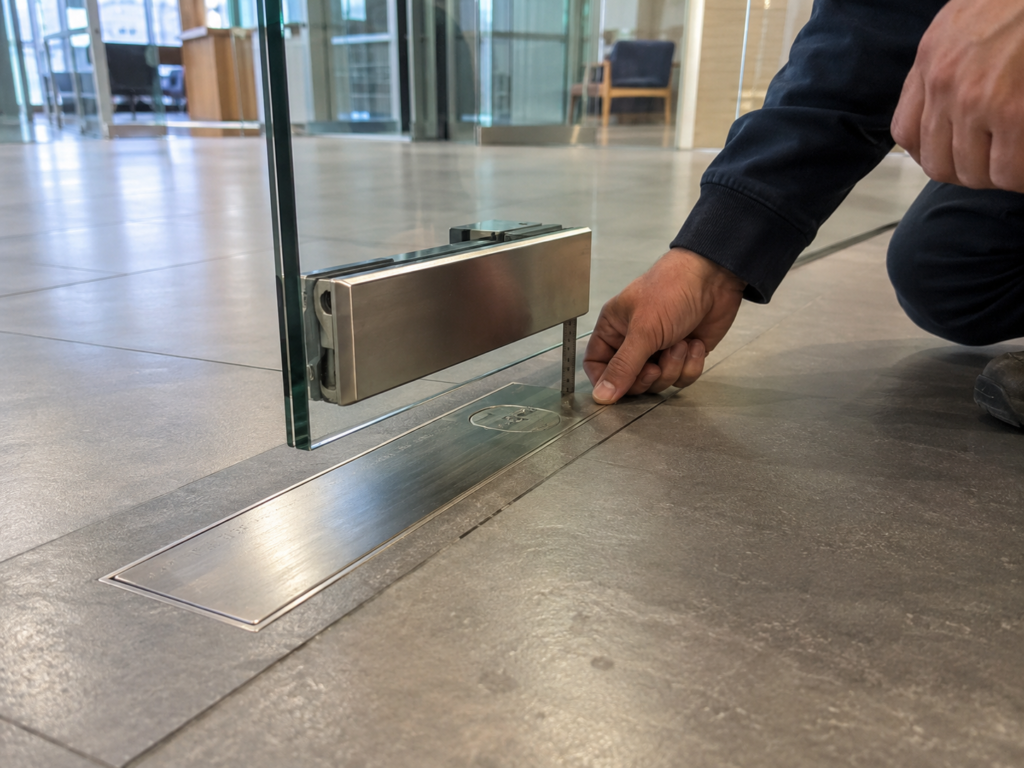
To reduce the risk of door sag, poor closing and hardware mismatch, project managers and installers should check the following items on-site:
| Check item | Why it matters |
|---|---|
| Dry-fit patch fittings before hanging | Confirms bolts and plates fit the glass cutout |
| Check glass thickness | Ensures correct gasket and fitting compatibility |
| Confirm gasket set | Prevents loose clamping or glass slip |
| Align top pivot and bottom spindle | Prevents tilted pivot axis and uneven load |
| Confirm spindle insert | Ensures bottom patch matches floor spring spindle |
| Tighten bolts evenly | Helps distribute clamping pressure |
| Check floor clearance | Prevents glass from scraping floor or cover plate |
| Check return-to-center | Important for locks and double doors |
| Test lock alignment | Confirms door closes into the correct position |
| Inspect after adjustment | Ensures the door remains stable after repeated movement |
This checklist is useful for new projects, retrofit projects and commercial glass door maintenance.
Project Information Required Before Quotation
Before recommending replacement patch fittings, please provide:
- Photos of the full glass door
- Photos of the old patch fittings
- Photos of the floor spring or cover plate
- Photos of the top pivot
- Glass thickness
- Door width and height
- Single or double-door layout
- Glass cutout dimensions
- Hole distance
- Old patch fitting dimensions
- Floor spring spindle photo or dimensions
- Whether the door is sagging
- Whether the door is dragging on the floor
- Whether the door fails to return to center
- Whether the lock does not align
- Indoor or outdoor installation
- Finish requirement
- Quantity
- Whether matching floor springs, locks or handles are needed
Clear photos and measurements can reduce the risk of ordering incompatible replacement hardware.
How Metech Supports Patch Fitting Replacement Projects
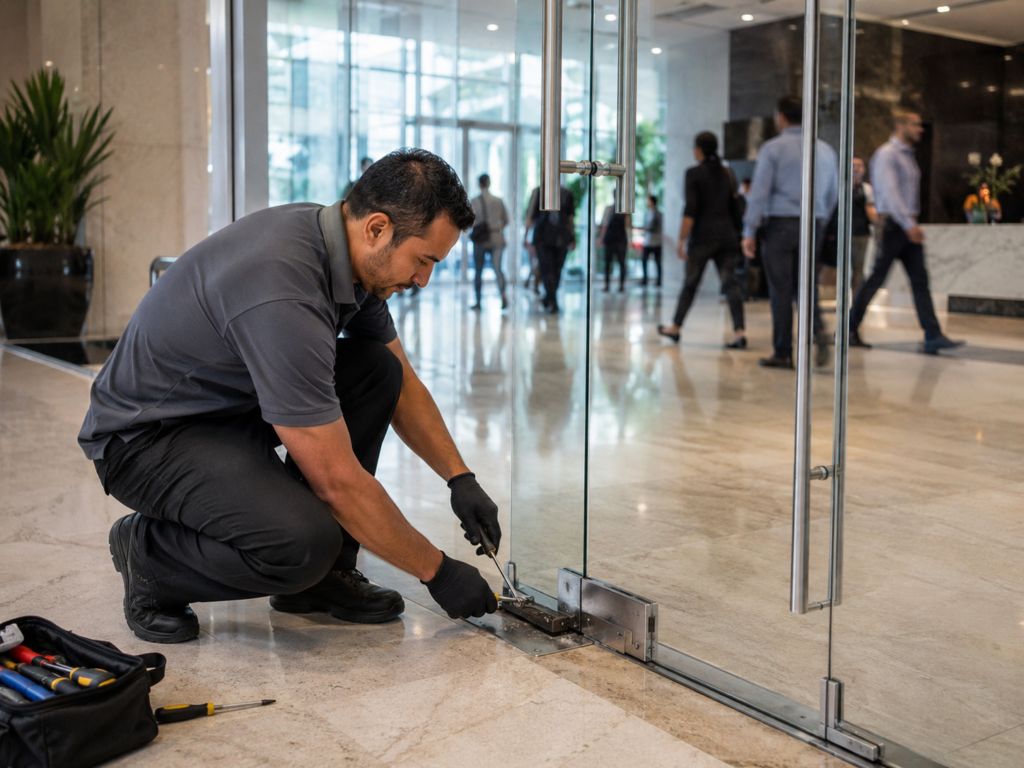
Metech Hardware supplies top patch fittings, bottom patch fittings, overpanel fittings, corner patch fittings, patch locks, floor springs, pivots, glass door locks and pull handles for commercial glass door projects.
We help buyers review glass thickness, cutout dimensions, door size, old hardware photos, floor spring spindle type and project environment before recommending suitable patch fitting options.
For new projects, cutout drawings can be provided according to the selected patch fitting model. For retrofit projects, replacement suitability depends on the existing glass cutout and site condition.
Surface finish options, logo marking, packaging and mixed-product purchasing can also be discussed according to order needs.
FAQ
Can I replace patch fittings without replacing the glass?
In some cases, yes. But the new patch fitting must match the existing glass cutout, glass thickness and hardware connection. The cutout should be checked before ordering.
Can tempered glass be drilled again for a new patch fitting?
Usually no. Tempered glass cannot normally be drilled or cut after tempering. If the existing cutout does not match the new fitting, new glass may be required.
Can I fix a sagging glass door by adjusting the floor spring?
Sometimes minor adjustment may help, but not always. If the glass has slipped inside the patch fitting, or if the top pivot and bottom spindle are misaligned, floor spring adjustment alone will not solve the problem.
Why does my glass door not return to center?
Possible causes include floor spring adjustment, worn floor spring parts, pivot misalignment, incorrect bottom patch connection, uneven floor or excessive door weight.
How do I know if a bottom patch matches my floor spring?
Check the floor spring spindle shape, size, height and insert type required by the bottom patch fitting. Photos and measurements are useful for confirmation.
Why does my glass door lock not align?
The door may not be returning to the correct center position, or the door may have sagged. Pivot alignment, floor spring adjustment, patch fitting stability and lock position should all be checked.
Why is my glass door making a popping or grinding noise?
A popping or grinding noise should be checked carefully. It may come from metal contact around the glass cutout, pivot bearing wear, loose fittings or misalignment. Continued use without inspection may increase the risk of further damage.
Do patch fittings need maintenance?
In high-traffic commercial entrances, periodic inspection is recommended. Bolts, gaskets, pivot alignment, floor clearance and lock alignment should be checked as part of routine door maintenance.
Need Help Replacing Patch Fittings for a Glass Door?
Send us photos of your existing patch fittings, glass thickness, door size, cutout dimensions, floor spring spindle and problem description.
Metech Hardware can help review suitable replacement patch fittings and matching glass door hardware for your project.