Home » Applications » Pool Fence Hardware Standardization Solutions for Villa & Residential Development Projects
Pool Fence Hardware Standardization Solutions for Villa & Residential Development Projects
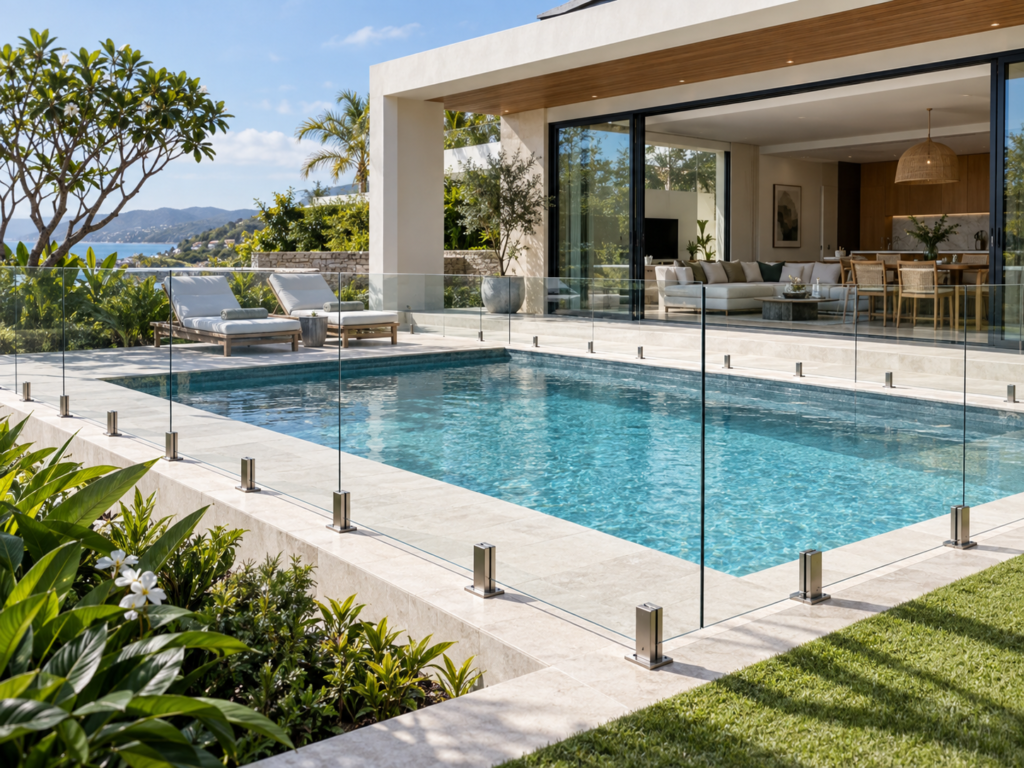
Choosing hardware for one private pool is relatively simple.
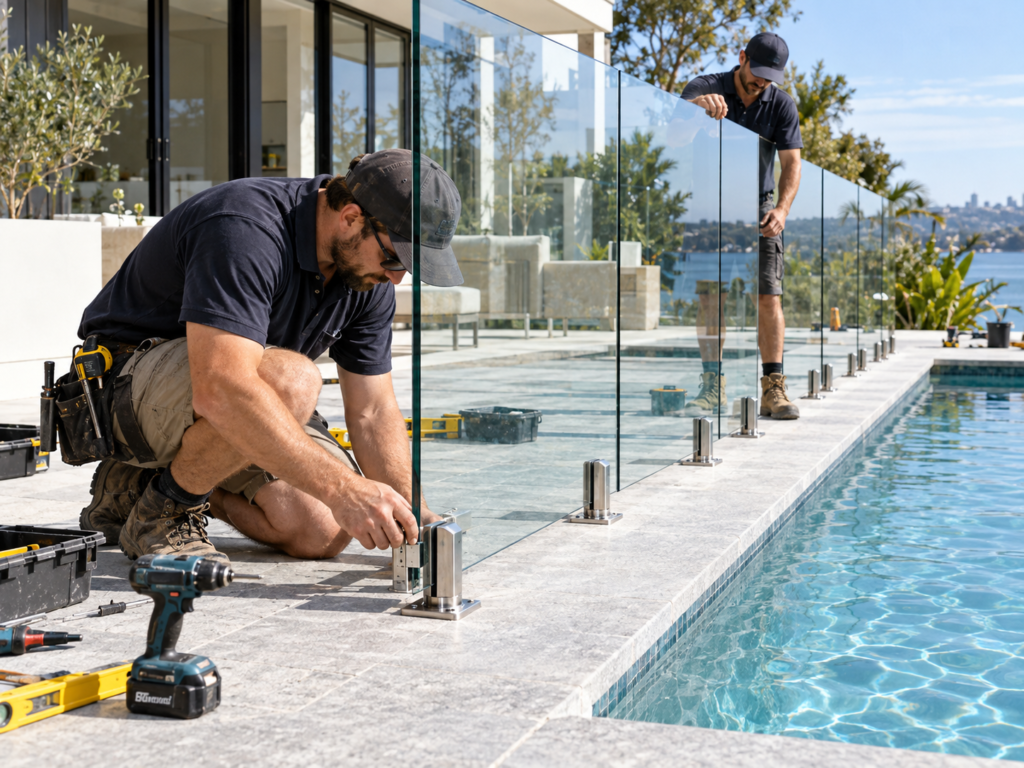
A contractor can review the site, select a suitable spigot system, coordinate the glass and complete the installation around that individual property.
A development containing 30, 50 or 100 villas creates a different problem.
If similar homes use different spigots, gate hinges, finishes or glass specifications, the number of SKUs quickly increases. Installation teams need to work with several fixing methods, procurement becomes harder to control, and the property-management team inherits a larger and less predictable spare-parts inventory after handover.
For developers, contractors and project buyers, the objective is therefore not to customize every pool independently.
The objective is to create a repeatable pool fence hardware standard for the site conditions that genuinely repeat across the development, while keeping necessary engineering differences clearly documented.
Why Multi-Villa Developments Need Hardware Standardization
A controlled hardware schedule can improve the project in four important areas.
Repeatable Installation
Where villas share the same deck condition and fence design, installers can use the same approved hardware system instead of making new product decisions at every property.
More Consistent Appearance
Spigots, gate fittings and exposed finishes can follow the same architectural language throughout the development.
This becomes especially important when villas are delivered in several construction phases.
Easier Procurement
Using a limited number of approved product families makes quantity planning, purchasing and replenishment more manageable.
Simpler Property Management
Several years after handover, the estate or HOA maintenance team should be able to identify the correct gate hinge, latch, spigot component or replacement fitting without starting the specification process again.
However, good standardization does not mean forcing one product into every location.
It means:
Repeated conditions should use repeated solutions. Genuine site differences should remain separate.
Standardize Repeated Site Conditions First
The pool fence hardware should follow the actual project condition.
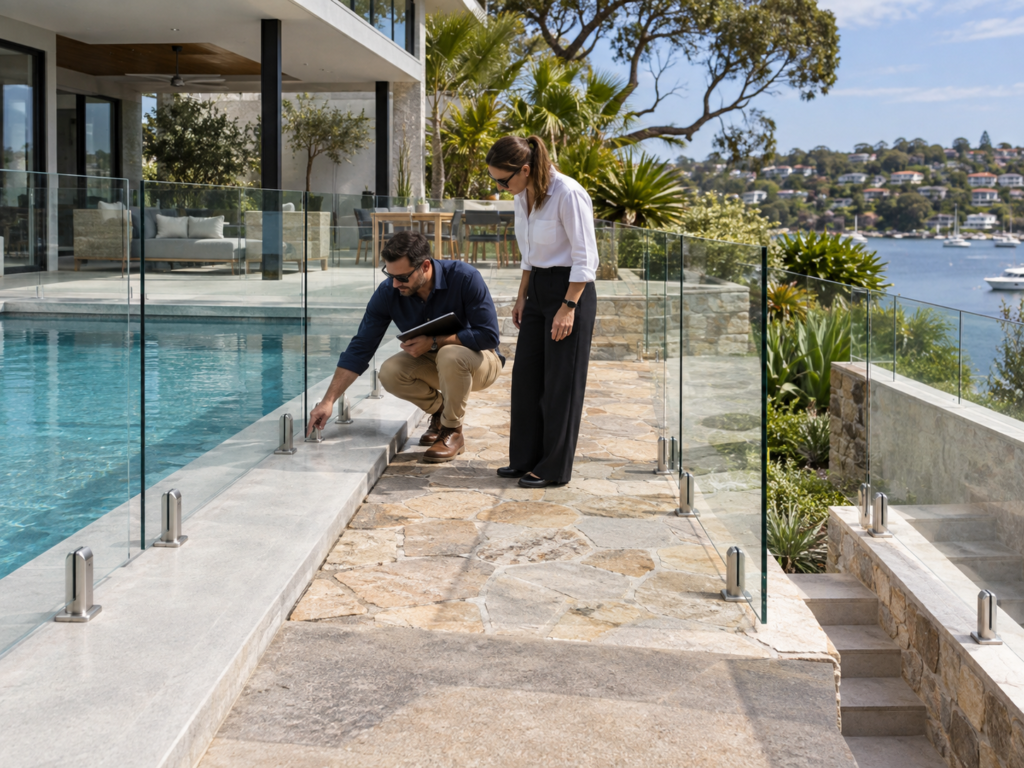
The developer should first review:
fence layout;
straight runs and corners;
pool-deck construction;
level changes;
edge conditions;
glass-panel dimensions;
gate locations;
access routes.
The same residential development may include several villa types.
Some may use a conventional structural concrete deck, while another area may have a raised edge, special landscape detail or side-mount condition.
Hardware standardization should therefore begin by grouping similar structural conditions rather than forcing the landscape design to suit one preferred spigot.
Build a Limited Spigot Family Around Repeated Substrates
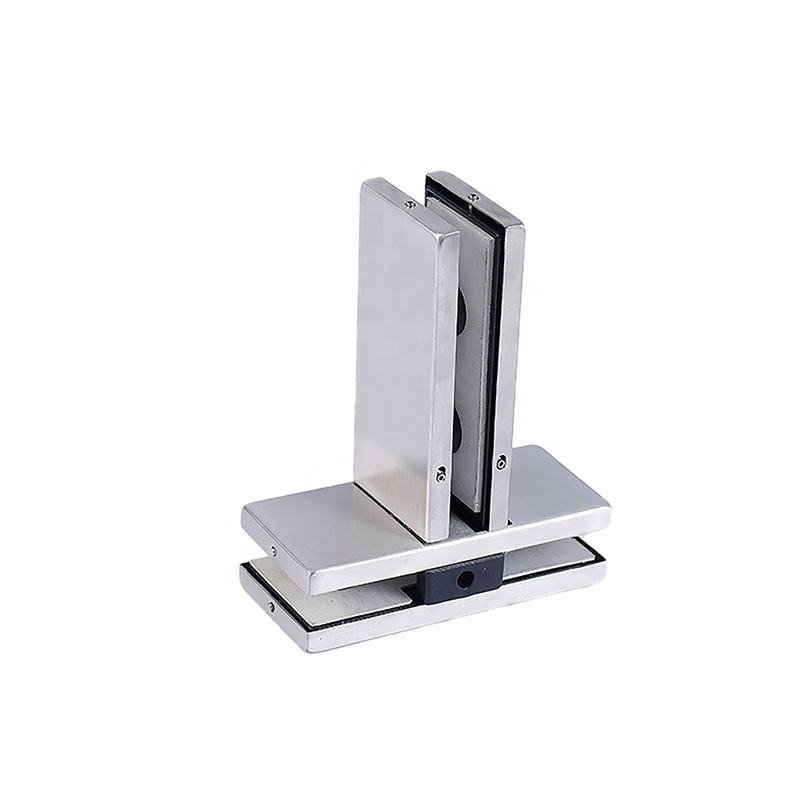
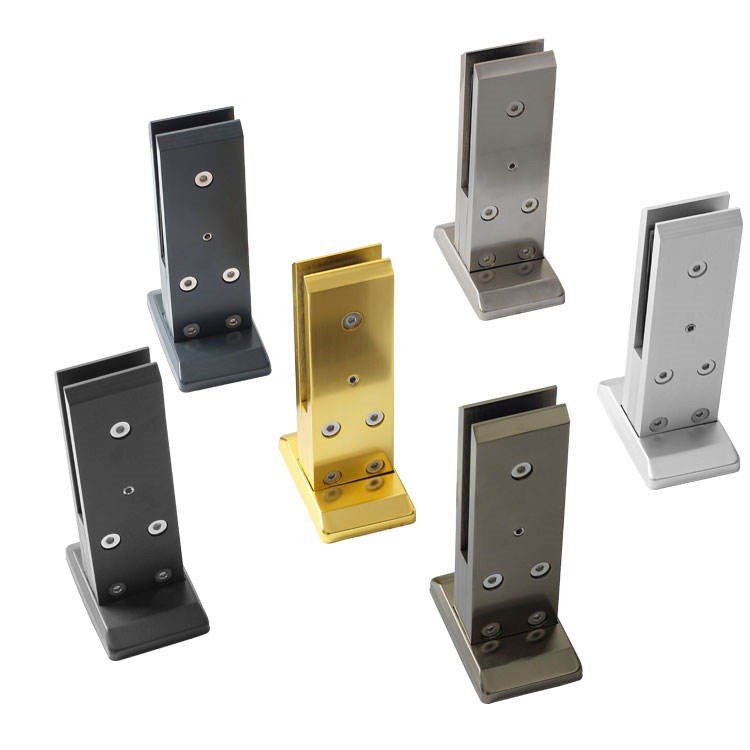
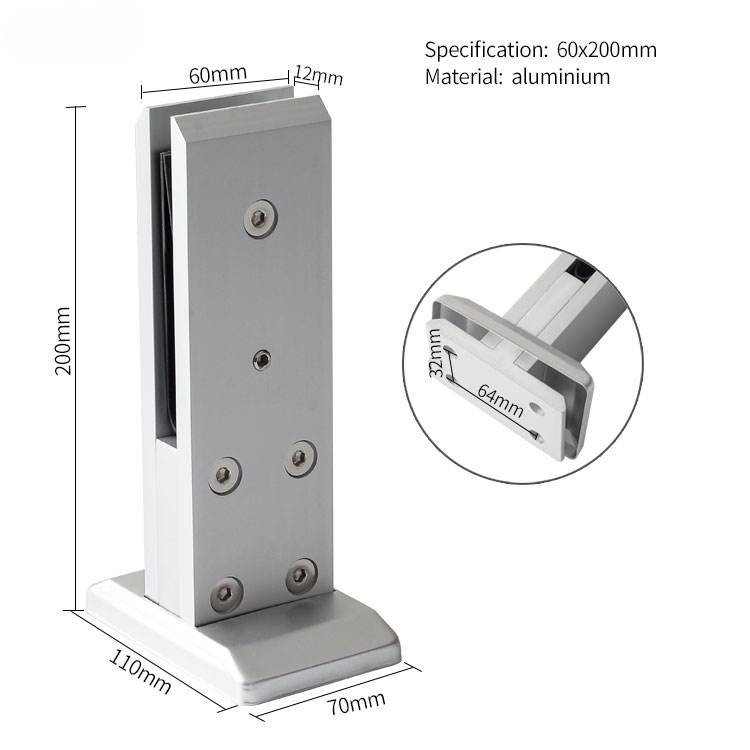
Spigots are one of the most repeated pieces of hardware in a frameless pool fence.
If the same structural deck condition appears across many villas, selecting one approved spigot family can simplify both installation and purchasing.
For example, similar concrete-deck conditions may use the same approved mounting system, while special edge locations may require a second solution.
The objective is not:
one spigot for the entire development.
A more practical rule is:
one approved spigot solution for each repeatable base condition.
Where possible, the selected product families should also keep related elements consistent, such as:
glass compatibility;
wedge or gasket system;
cover style;
visible finish;
replacement references.
This reduces the number of variations the installer and future maintenance team need to manage.
Standardize Glass Specifications Where Practical
The glass and spigots should be treated as one fence system.
Where technical and local requirements allow, a project may simplify:
glass thickness;
typical panel height;
common panel-width ranges;
edge treatment;
gate-panel preparation.
Fewer glass variations can make ordering, production and replacement easier.
However, glass specifications should never be standardized only for purchasing convenience.
Fence height, panel dimensions, wind loads, local safety requirements and structural design still take priority.
The correct principle is to reduce unnecessary glass variations after the technical requirements are known.
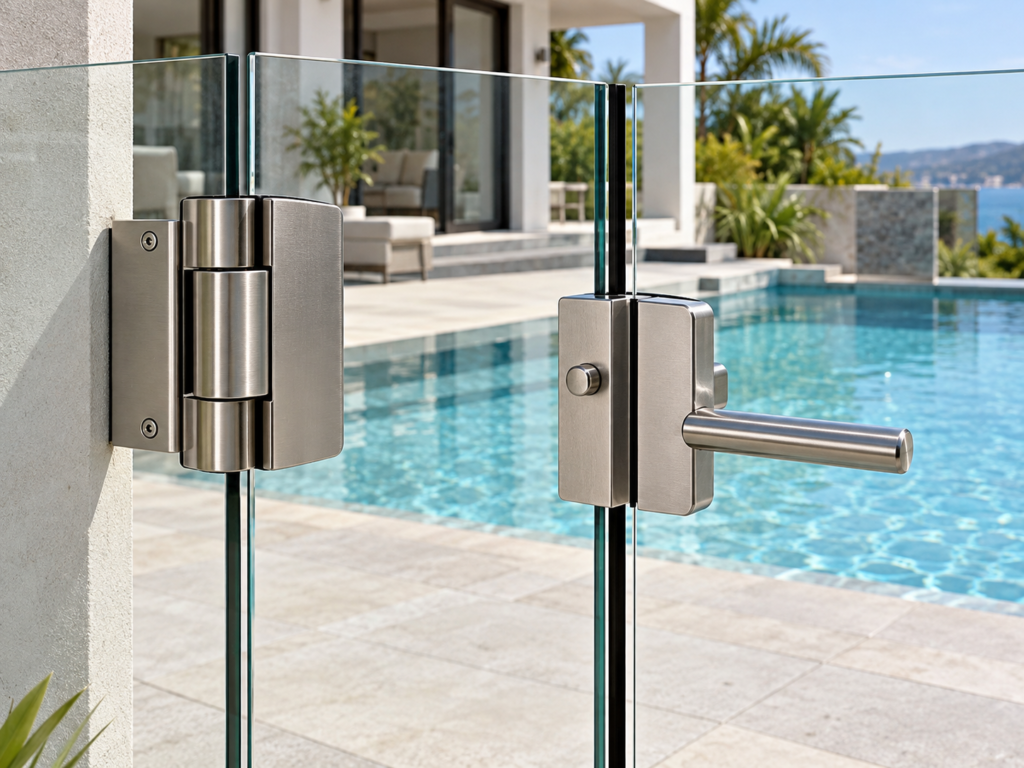
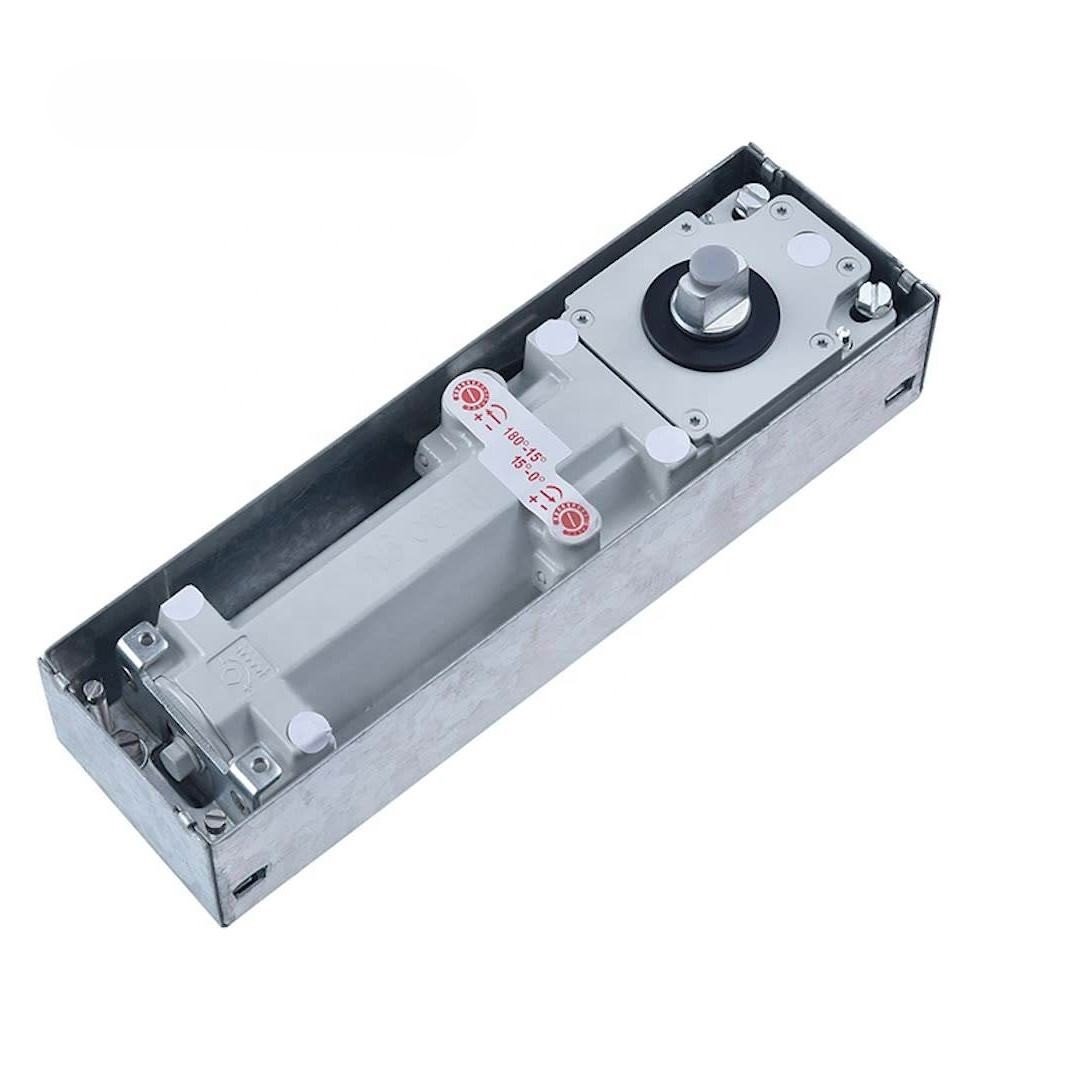
Treat Pool Gates as a Separate Dynamic Hardware Package
A pool gate is not simply another fixed glass panel.
It is opened and closed repeatedly and normally carries additional functional and safety requirements.
A typical gate package may involve:
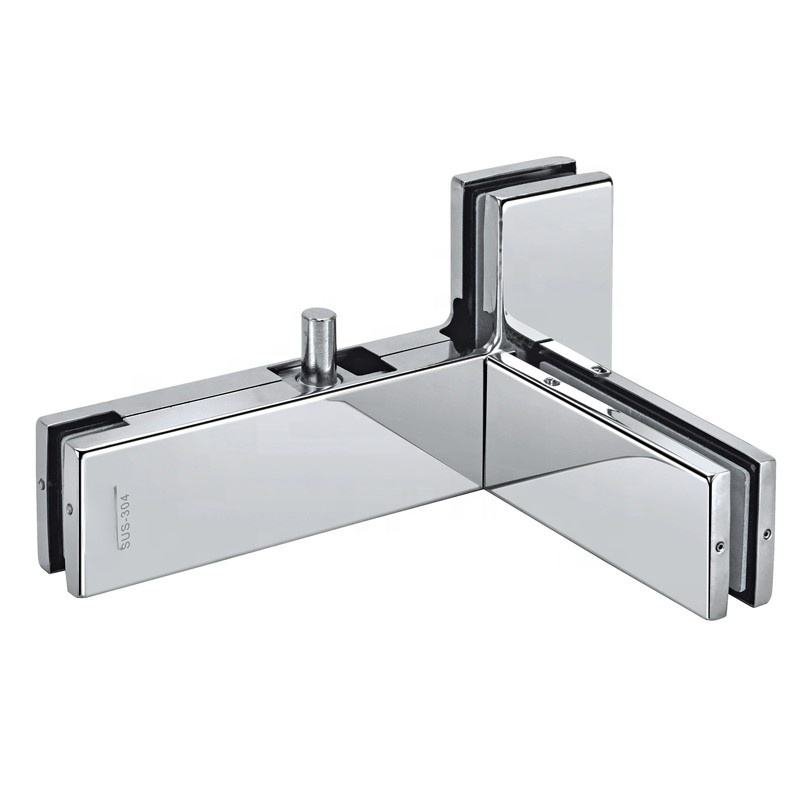
gate hinges;
latch;
handle;
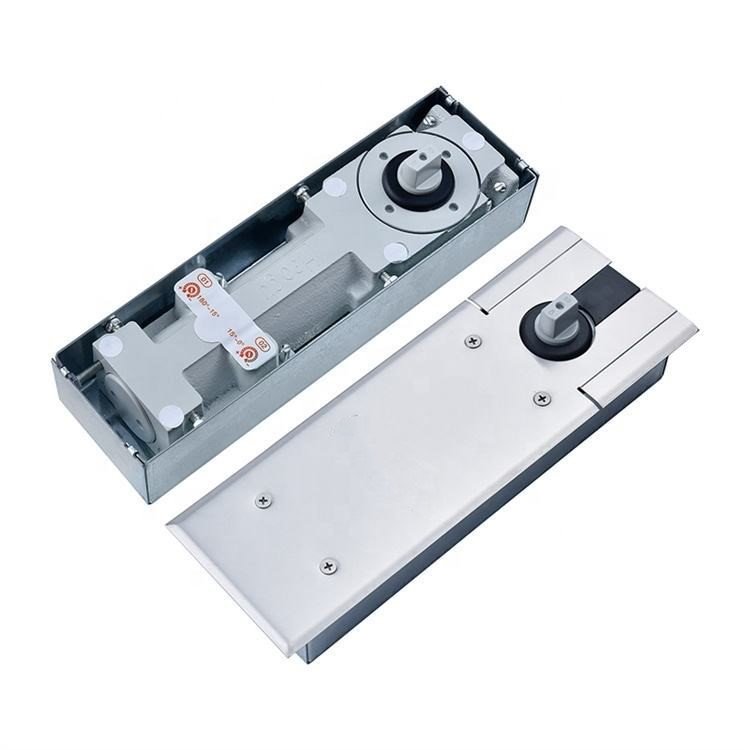
closing mechanism;
glass preparation;
supporting fixed panels.
For repeat villa types, the development should maintain one approved gate-hardware schedule wherever the conditions are the same.
Many pool-safety regulations require self-closing and self-latching pedestrian gates, but the exact requirements depend on the project location and local code.
For this reason, gate hardware should be selected together with the applicable safety requirements rather than assuming that one hinge or latch automatically makes the complete barrier compliant.
Standardize the Gate Hardware Family
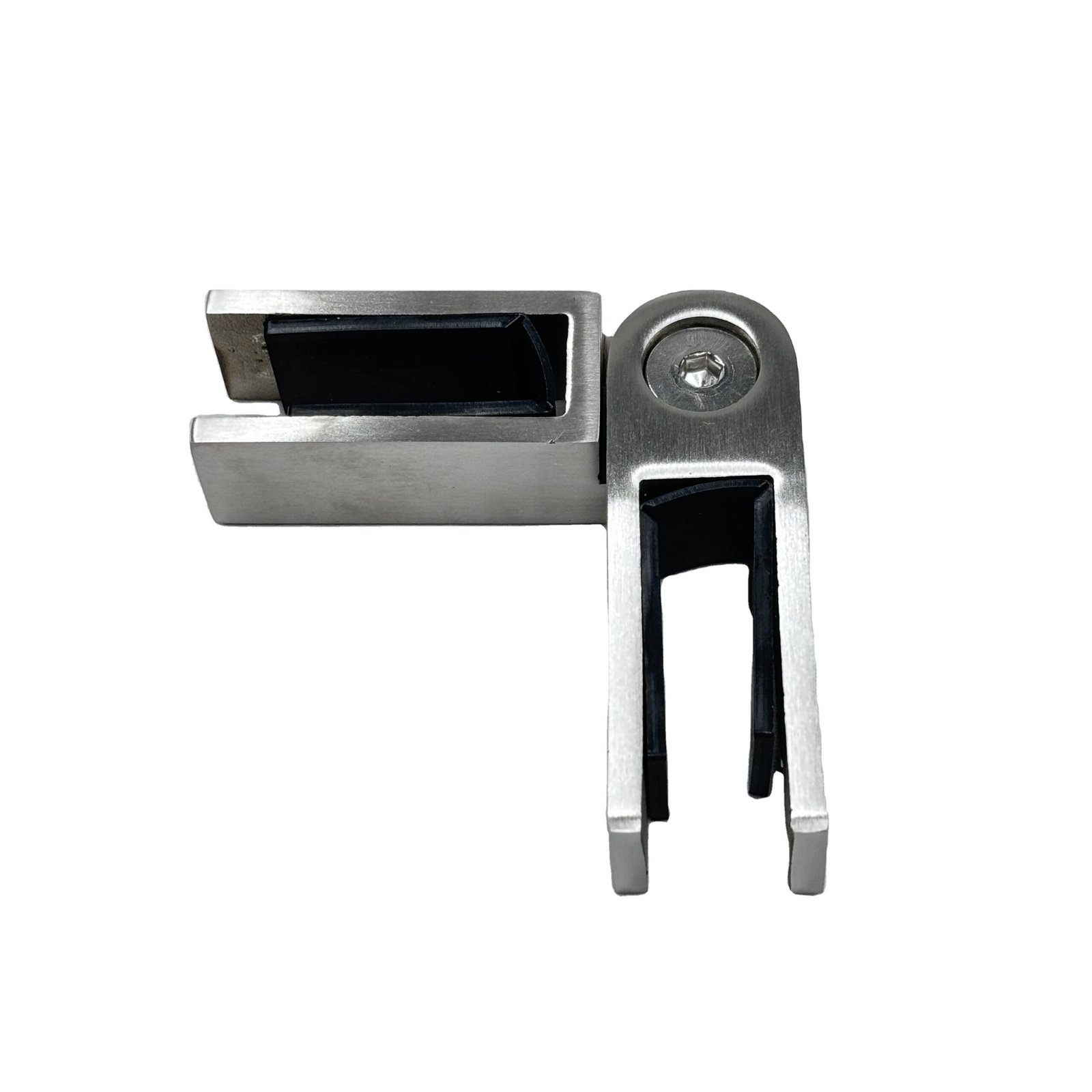
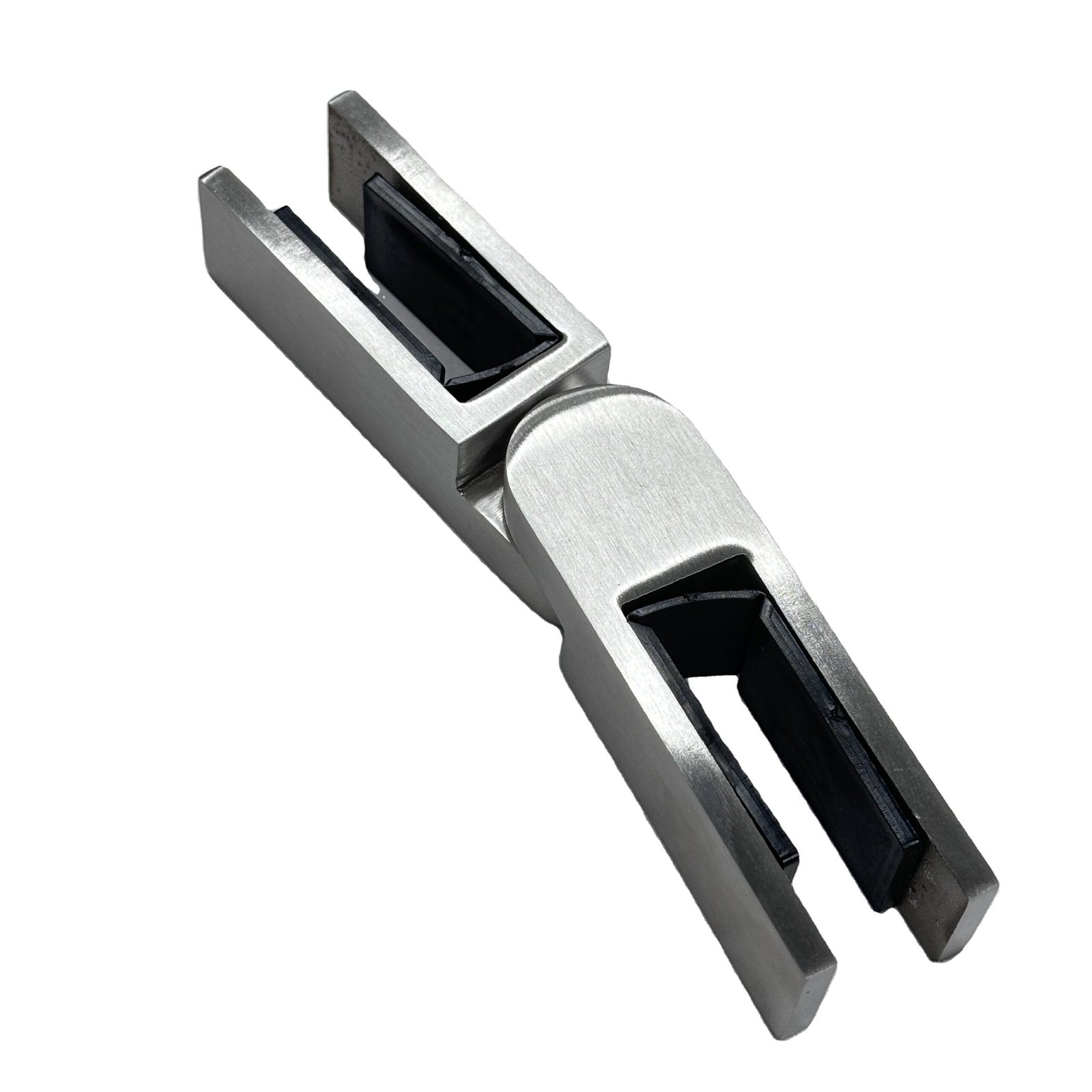
Using the same approved gate hinge and latch family across repeated villas can make adjustment and replacement more predictable.
Several years after handover, the property-management team should know which replacement components belong to the standard pool gate instead of diagnosing every gate from the beginning.
Coordinate Gate Glass Preparation and Hardware Drawings
Most standard spigot-mounted fence panels do not necessarily require different CNC glass preparation simply because the base fixing changes.
Gate hardware can be different.
Gate hinges, latches and some specialized fittings may require specific holes or cutouts in the glass.
For repeat production, the glass fabricator should receive the approved hardware drawing before processing these panels.
Useful information may include:
exact hinge model;
latch model;
glass thickness;
hole or cutout geometry;
mounting position;
approved drawing revision.
This prevents a hardware change late in the project from creating incompatible tempered glass.
Define Material Requirements by Exposure Zone
Pool hardware is exposed to water, outdoor weather and regular cleaning, but environmental severity can vary significantly.
An inland residential project has different conditions from:
a beachfront development;
a coastal villa estate;
a high-chloride environment;
a location exposed to frequent salt spray.
Material selection should therefore follow the project environment.
SS316 may be suitable for many pool-fence applications, while Duplex 2205 may be considered where higher chloride resistance, increased strength or more severe exposure justifies the specification.
The project should also review related components, including:
fasteners;
anchors;
screws;
internal gate hardware.
Using a corrosion-resistant spigot body does not solve the complete durability problem if associated components are unsuitable.
Material choice, surface condition and maintenance should be considered together.
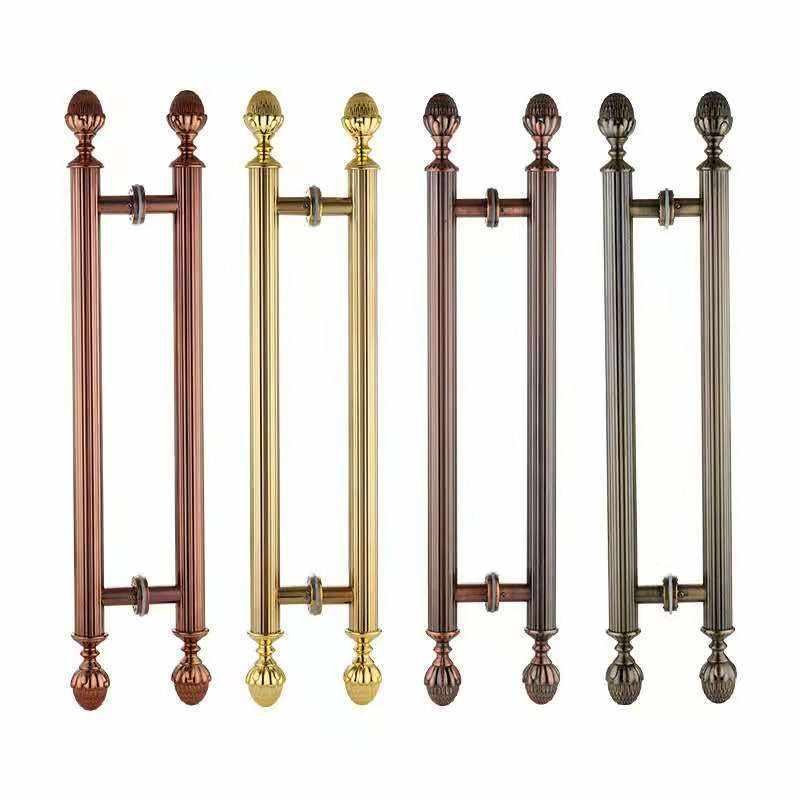
Control Finish Consistency Across Development Phases
Villa developments are often supplied in several stages.
A finish approved in Phase 1 may need to be reproduced months later in Phase 2 or Phase 3.
Terms such as:
brushed stainless;
polished;
matte black;
bronze;
gold tone
do not always define an exact visual appearance.
Different materials and finishing processes can create differences in tone, texture or gloss.
For this reason, an approved physical finish sample is useful as a project reference.
Visible components such as:
spigots;
gate hinges;
latches;
clamps;
cover plates
should be reviewed together where practical.
For coloured outdoor hardware, the coating system should also be selected according to the actual exterior exposure rather than colour name alone.
The goal is coordinated project appearance, not an unrealistic promise that products manufactured from different materials will look completely identical under every condition.
Approve One Complete Fence and Gate Mock-Up
Approving a spigot sample alone is not enough.
Before installation is repeated across dozens of villas, a representative fence section or full pool-gate mock-up can help confirm:
glass alignment;
spigot position;
panel gaps;
fixing appearance;
cover plates;
finish;
gate movement;
self-closing behaviour;
latch engagement.
The principle is simple:
Do not approve only the individual hardware. Approve the installed fence system.
A suitable spigot can still be installed poorly. A correct gate hinge cannot compensate for incorrect glass alignment or latch positioning.
The approved mock-up then becomes a practical reference for the wider project.
Standardization vs. Site-Specific Variation
Reducing SKUs is valuable only when it does not compromise the project.
Usually Worth Standardizing
May Need to Vary
Approved spigot family
Mounting method
Finish family
Structural base condition
Glass specification where practical
Special panel dimensions
Gate hardware family
Gate opening configuration
Fastener material requirements
Edge or side-mount conditions
Replacement references
Local structural or safety requirements
Good standardization removes unnecessary variation.
It does not remove necessary engineering differences.
Plan the Property-Management Handover
The long-term value of standardization becomes clearer after the development has been occupied.
The property-management or HOA team may eventually need to replace:
gate hinges;
latch components;
spigot covers;
wedges or gaskets;
screws and small fittings;
damaged glass panels.
The handover information should therefore include practical replacement references such as:
approved hardware models;
gate-hardware schedule;
relevant drawings;
finish reference;
spare-parts list;
supplier reference.
A development does not necessarily need to stock a large quantity of every component.
The important point is that future maintenance personnel can identify what was originally installed.
Use Packaging and Site Identification to Reduce Installation Errors
Large residential developments may receive hundreds or thousands of individual hardware components.
Even when the product specification is correct, hardware can still reach the wrong villa or installation area.
Where practical, products can be grouped according to:
villa type;
standard fence system;
gate package;
special mounting location.
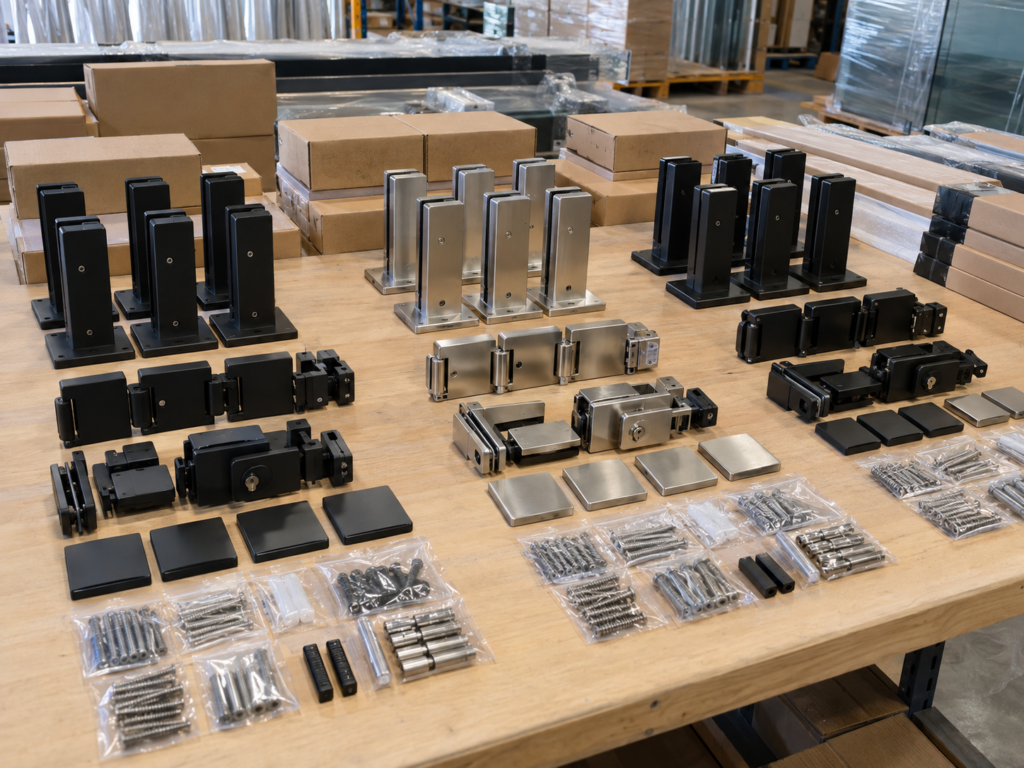
Gate hinges, latches and related small components are particularly useful to keep together as one project set.
Good packaging therefore supports installation control as well as transportation.
Common Mistakes in Multi-Villa Pool Fence Projects
1. Selecting the Spigot Before Confirming the Base Condition
The visible deck finish does not always reveal the structure available for fixing.
2. Forcing One Mounting Method Across Different Site Conditions
Standardization should follow repeated conditions, not ignore genuine differences.
3. Using Too Many Similar Spigot Models
Small product differences create unnecessary complexity in purchasing and replacement.
4. Choosing Glass Specifications Only to Simplify Procurement
Structural and local safety requirements still come first.
5. Treating the Pool Gate Like a Fixed Fence Panel
Gate hinges, latches and closing behaviour require separate coordination.
6. Assuming One Stainless-Steel Grade Fits Every Environment
Material selection should reflect exposure severity and project requirements.
7. Ordering by Finish Name Without an Approved Sample
Different production methods can create visible finish differences.
8. Starting Full Installation Without a Mock-Up
A product can look correct individually and still create problems once the complete fence is assembled.
What Buyers Should Prepare Before Ordering
For a more accurate proposal, provide:
pool-fence layout;
total fence length;
glass requirements;
base or substrate condition;
mounting method if already specified;
gate quantities;
project location;
environmental exposure;
preferred material;
finish requirement;
number of villas;
quantities by villa type;
drawings or BOQ;
applicable local project requirements.
If several villa types use different fence layouts, separate the quantities rather than combining everything into one total.
How Metech Supports Villa and Residential Developments
Metech Hardware works with selected production partners to support developers, contractors, glass companies, fence installers and overseas distributors with pool-fence hardware.
Our supply range can include:
pool fence spigots;
glass clamps;
gate hinges;
latches;
related glass railing fittings.
For multi-villa developments, we can help coordinate hardware according to the glass system, mounting condition, project environment, finish and quantity.
Depending on the project, support can include:
spigot and gate-hardware coordination;
material comparison;
finish sample coordination;
technical drawings where available;
mixed hardware sourcing;
project packing;
replacement-reference planning;
pre-shipment checking;
export order coordination.
The objective is not to force one hardware product into every pool.
It is to create a clearer and more repeatable supply standard for the site conditions that genuinely repeat throughout the development.
FAQ
Should Every Villa Use the Same Pool Fence Spigot?
Not necessarily. Similar villas with the same glass and base conditions can often use one approved spigot family. Different structural conditions may require another mounting solution.
Can Different Spigot Base Types Be Used in the Same Development?
Yes. If the structural conditions differ, using more than one mounting system may be the correct solution. The project can still maintain a consistent product family and finish where practical.
Is Duplex 2205 Necessary for Every Pool Fence Project?
No. SS316 may be suitable for many applications. Duplex 2205 can be considered for more severe chloride or coastal exposure, higher strength requirements or project-specific durability targets.
Should Pool Gate Hardware Be Standardized Separately?
Yes. Gates are moving components and should have their own approved hinge, latch and glass-preparation specification.
Can Pool Gate Hardware Alone Guarantee Code Compliance?
No. Compliance depends on the complete installed barrier, including gate direction, closing and latching performance, dimensions, gaps and local regulations.
What Information Is Needed for a Pool Fence Hardware Quotation?
Drawings, glass requirements, base conditions, gate quantity, project location, environmental exposure, finish and quantities by villa type are all useful.
Planning Pool Fence Hardware for a Villa or Residential Development?
Send us your pool fence drawings, glass specifications, base conditions, gate quantities, project location and finish requirements.
Metech Hardware can help review the hardware combination and prepare a coordinated pool fence hardware proposal for repeat residential developments.