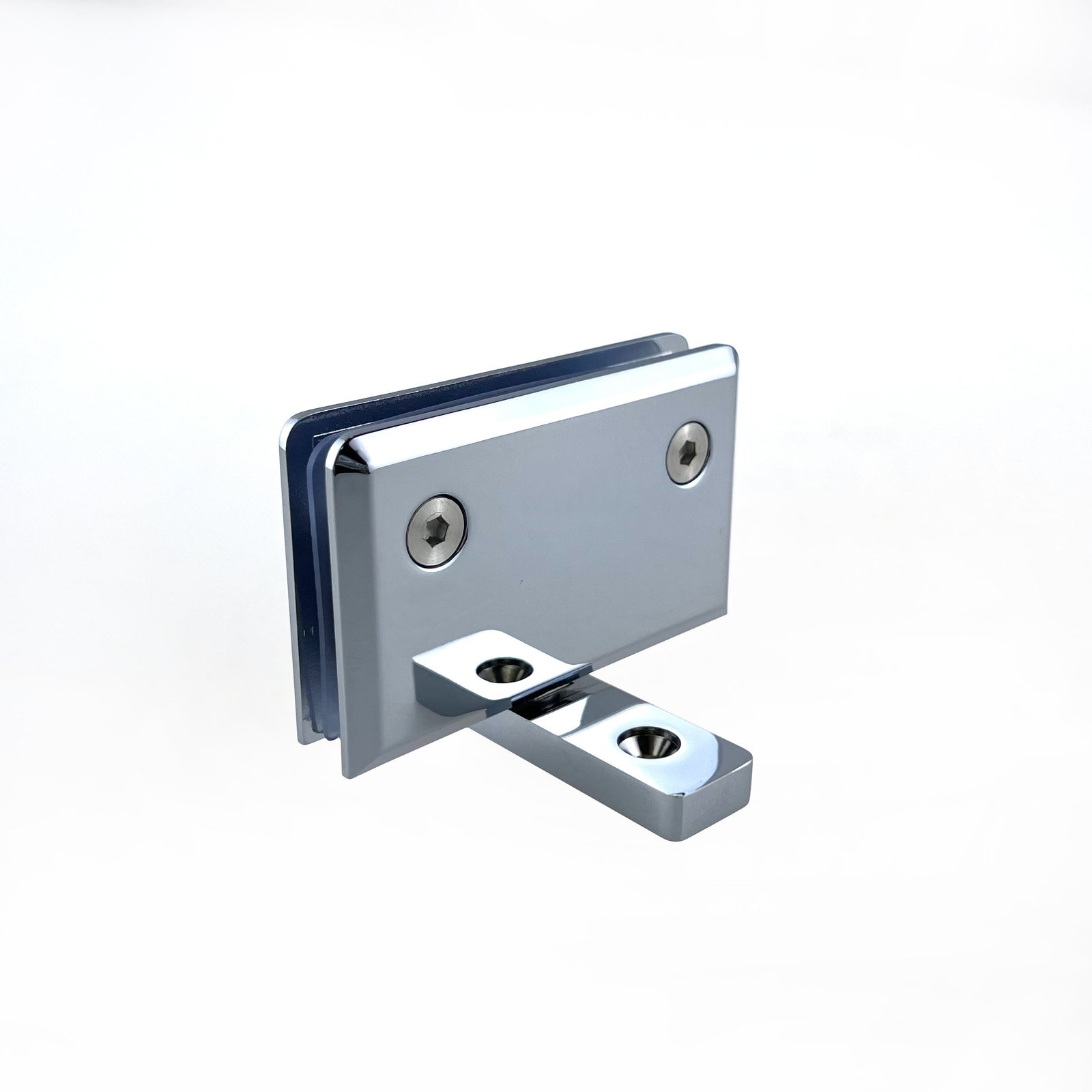
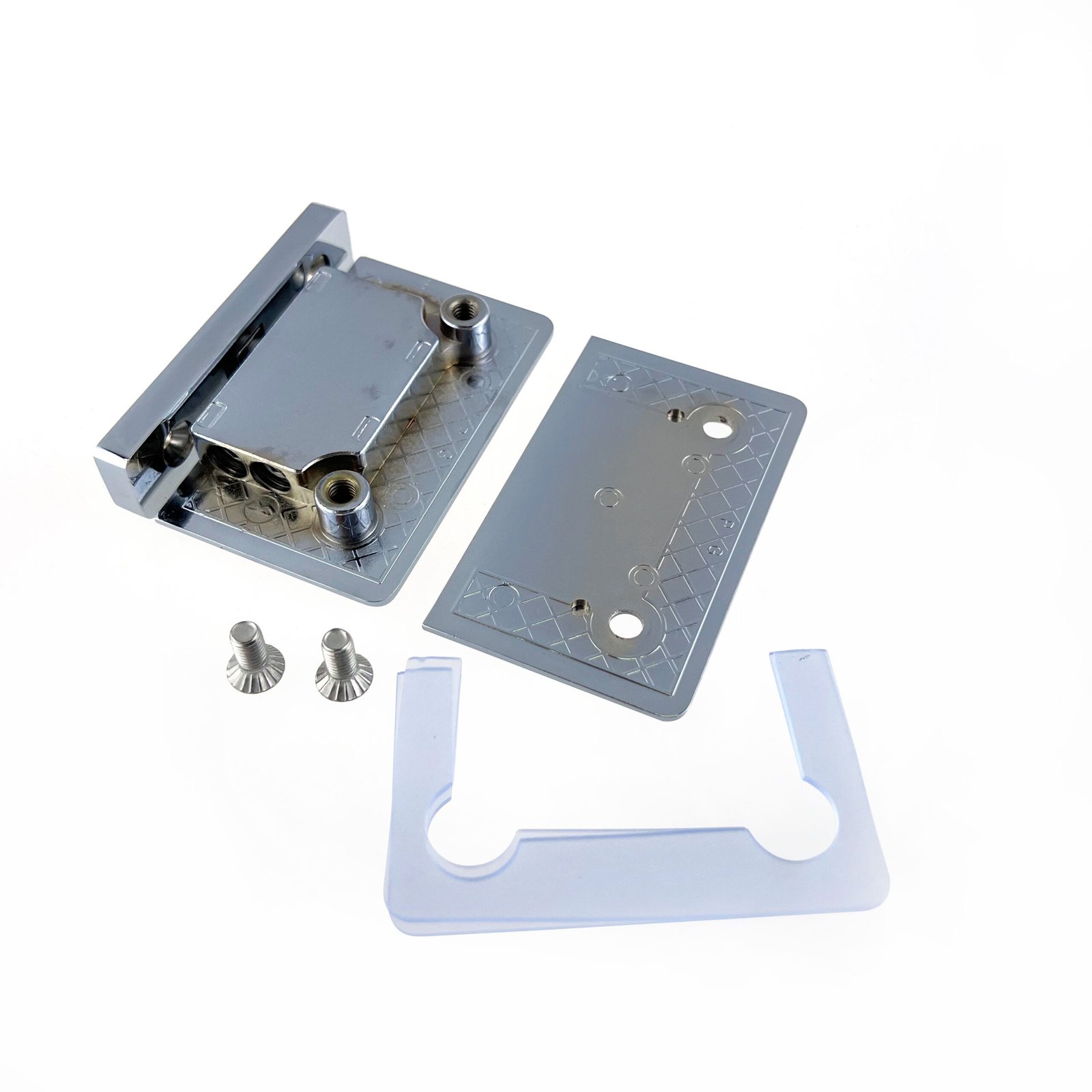
For a homeowner, a frameless glass pool fence is mainly an architectural and safety feature. For installers, contractors and distributors, it is also a supply-chain decision.
On-site labor, missing accessories, product substitutions, warranty callbacks and slow-moving inventory can all reduce the margin on an otherwise successful project. A spigot that is difficult to adjust, a gate hinge that does not match the prepared glass, or a repeat order that arrives with a noticeably different finish can create costs far beyond the original unit price.
For trade buyers, the right pool fence hardware supplier should therefore offer more than individual products. The real value is a repeatable supply structure that can be sampled, stocked, installed and reordered with less uncertainty.
That means building a controlled product range, understanding which installation-friendly features matter, matching materials to the market, checking repeatable quality details and keeping product references stable from one order to the next.
Different Buyers Need Different Supply Models
| Buyer Type | Main Purchasing Priority |
|---|---|
| Installer | Compatibility, availability and easier installation |
| Contractor | Project quantity, schedule and specification control |
| Distributor | Core SKUs, repeat stock and product range |
| Importer / Wholesaler | Batch consistency, packing and export logistics |
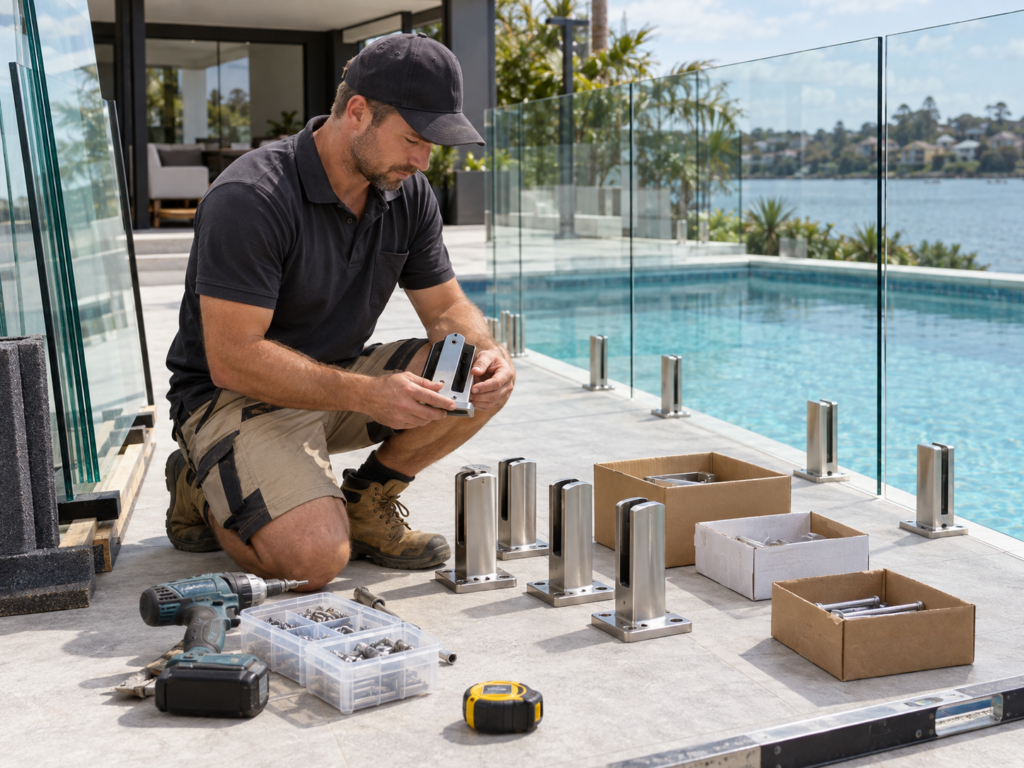
Installers usually want hardware that arrives complete and works with the specified glass and site condition. Contractors focus more on project quantities and delivery stages. Distributors need products that are easy to stock, explain, quote and reorder.
A good B2B supply program should reflect how the customer actually sells or installs the hardware.
Build a Core SKU Range Before Expanding Inventory
A larger catalog does not automatically create a better distribution program.
Too many nearly identical spigots, hinges and latches can tie up warehouse capital and make product selection harder.
A practical core range may include:
- the main spigot families used in the target market;
- selected mounting variations;
- approved pool-gate hinges and latches;
- commonly requested finishes;
- selected clamps and accessories.
Project-specific products can then be added for special finishes, unusual mounting conditions or architectural requirements.
The goal is to separate products that deserve permanent stock from one-off project SKUs.
Choose Installation-Friendly Products Where They Fit the Market
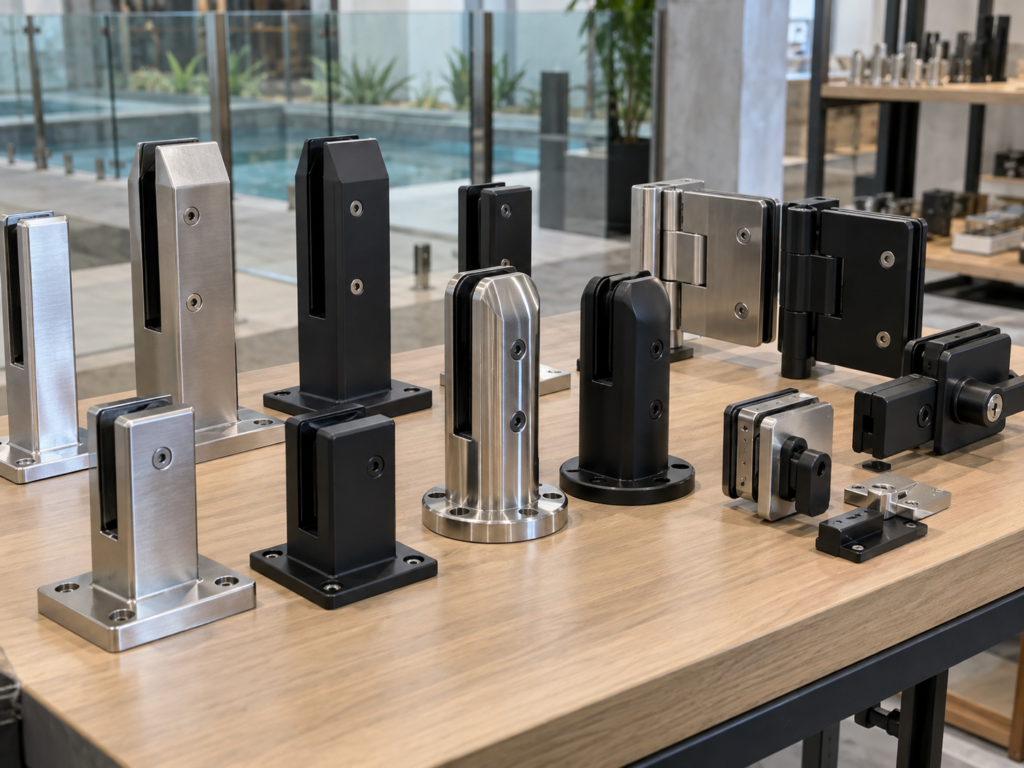
For contractors, installation time is a real cost.
Hardware that allows easier positioning, adjustment and replacement can improve site efficiency, provided it suits the actual application.
Friction-Fit Spigots
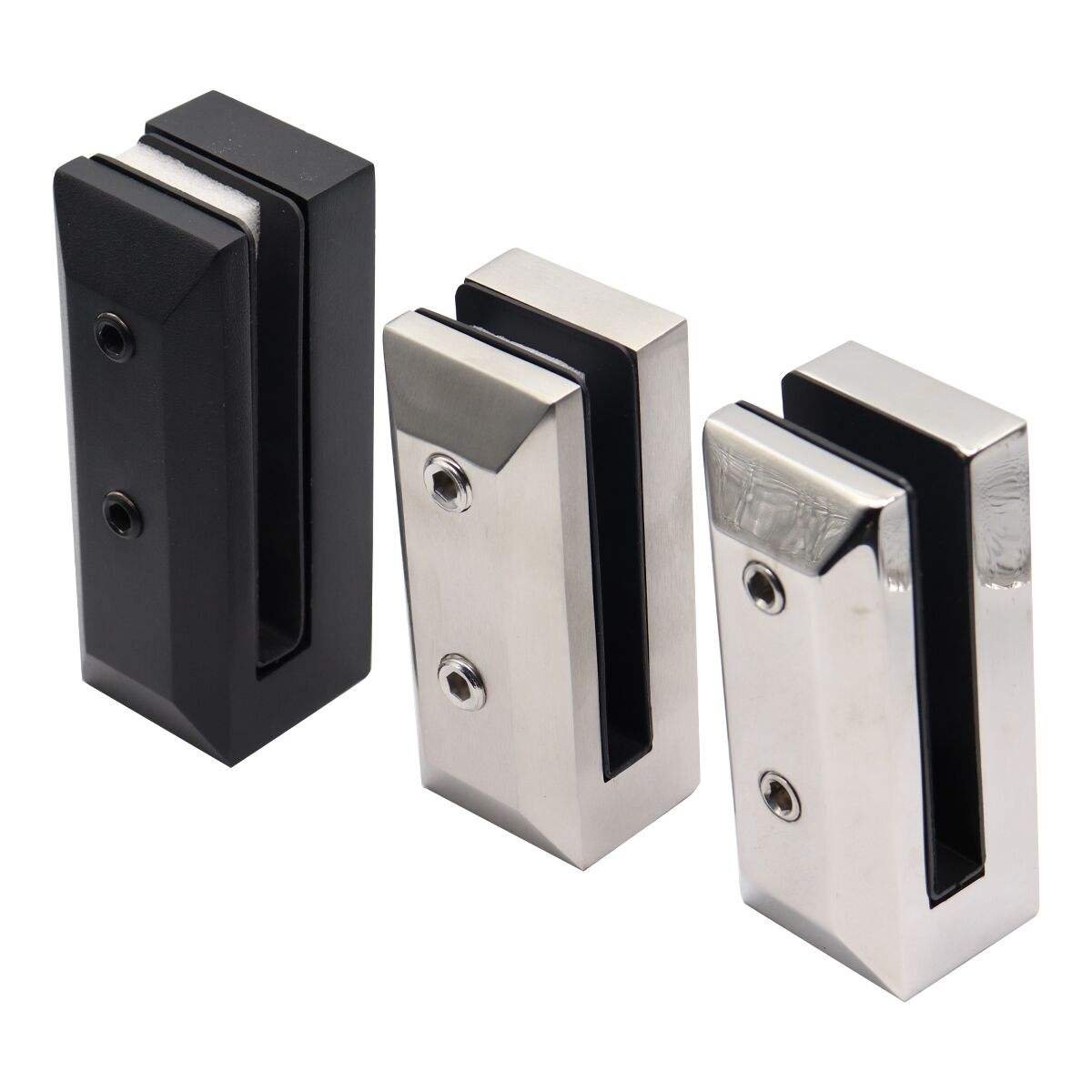
Certain friction-fit systems secure the glass without drilled holes or cutouts, using the product’s designed pressure, wedge or gasket system.
For installers, this can reduce glass-preparation complexity and provide useful adjustment during positioning.
However, friction-fit should not be treated as the only correct solution. The distributor should still confirm:
- compatible glass thickness;
- mounting method;
- wedge or gasket arrangement;
- adjustment method;
- fixing components.
Leveling and Site Adjustment
Pool decks are not always perfectly level.
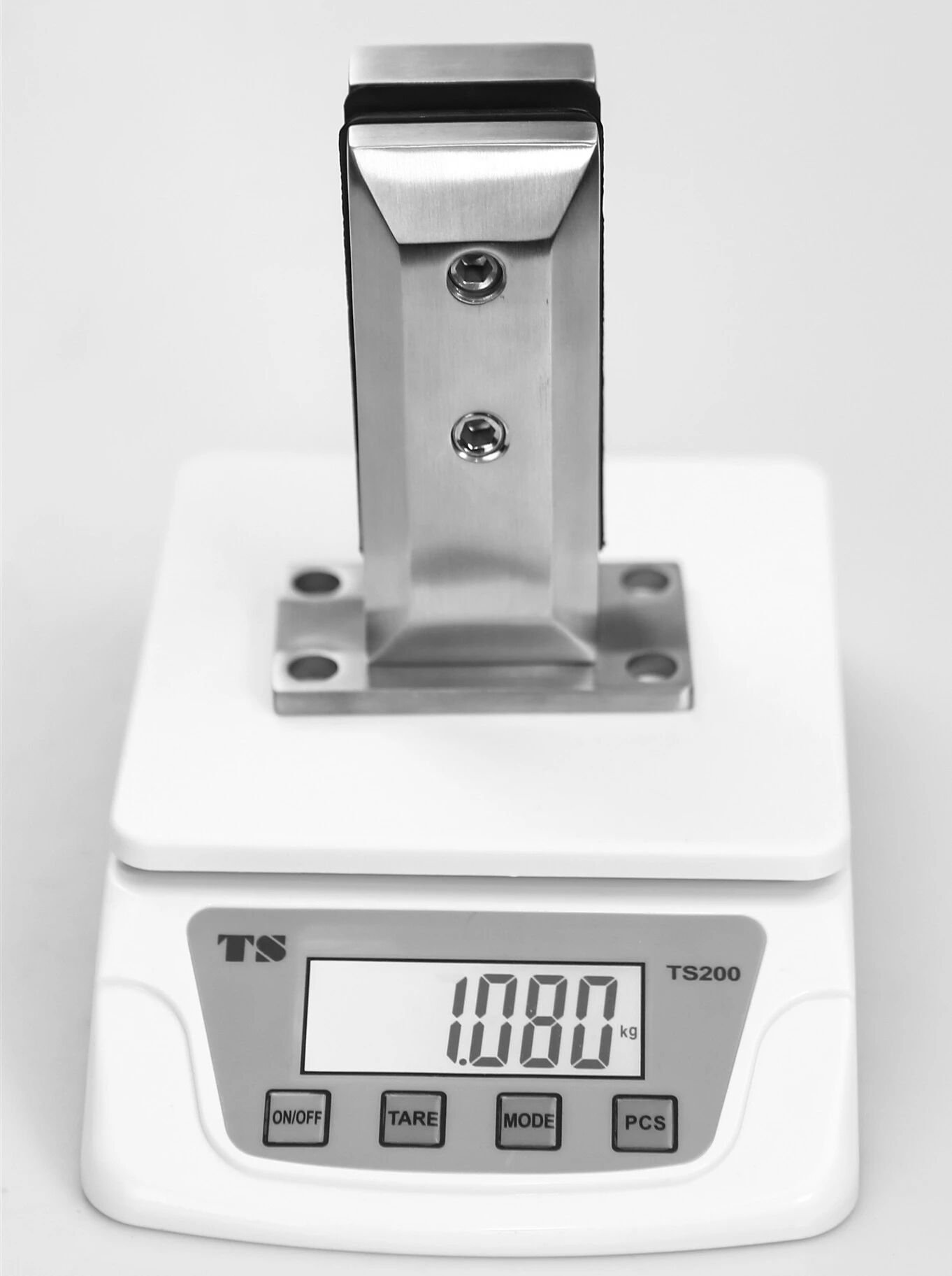
Some surface-mount systems include leveling features or can be used with approved shim systems to compensate for minor site variation.
These details can be valuable, but they should be verified during sample testing rather than assumed from appearance alone.

Use Multi-Compatibility SKUs Only Where the Product Supports Them
SKU consolidation is useful only when the hardware is designed for more than one configuration.
Some products may support different glass ranges through model-specific wedges, gaskets or clamping components. Others are designed for a narrower glass thickness.
Distributors should not force one product to cover several applications simply to reduce stock.
A better rule is:
Use a wider-compatibility SKU when the product specification supports it; keep separate SKUs where the engineering requirement is genuinely different.
Match Material Options to the Market and Environment
A distributor serving inland residential projects may need a different stock strategy from one supplying coastal or high-chloride environments.
SS316 may be suitable for many pool-fence applications, while Duplex 2205 can be relevant where higher chloride resistance, greater strength or more demanding exposure justifies the specification.
The same logic applies to gate hinges, fasteners and related components.
Where material grade is commercially important, buyers should not rely only on a product description. Technical documentation or additional verification may be appropriate for selected projects.
Compatibility Matters More Than Product Appearance
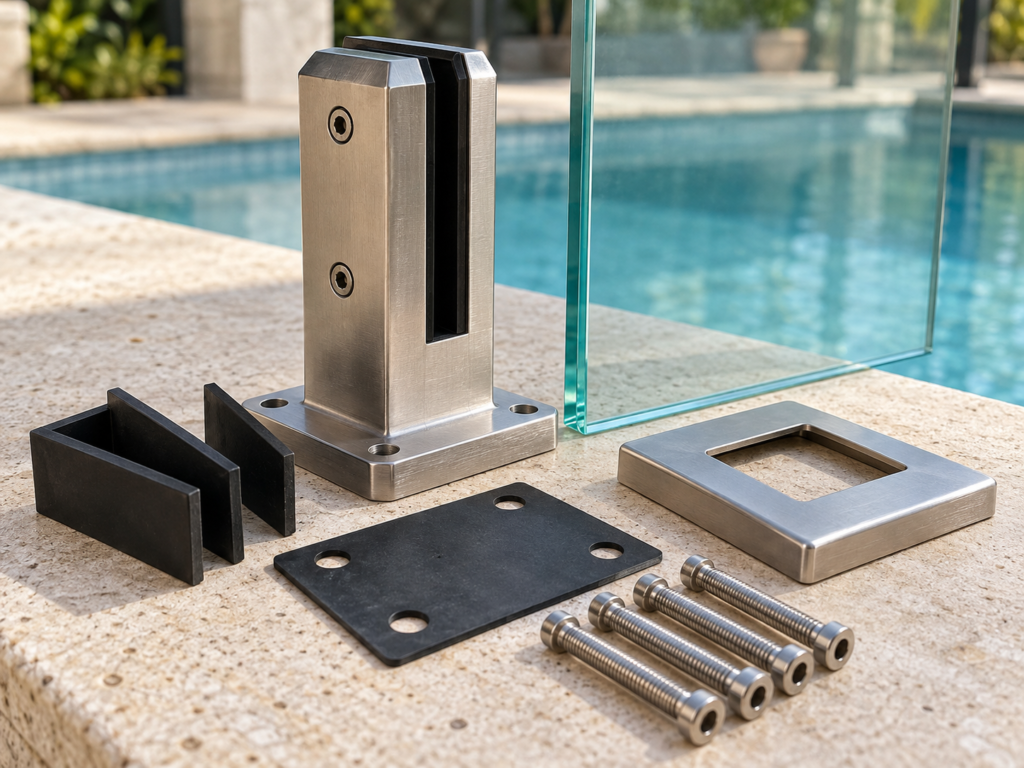
Trade buyers should avoid identifying pool fence hardware only by photographs.
For spigots, check the glass range, mounting method, wedge or gasket system, cover plate and fixing components.
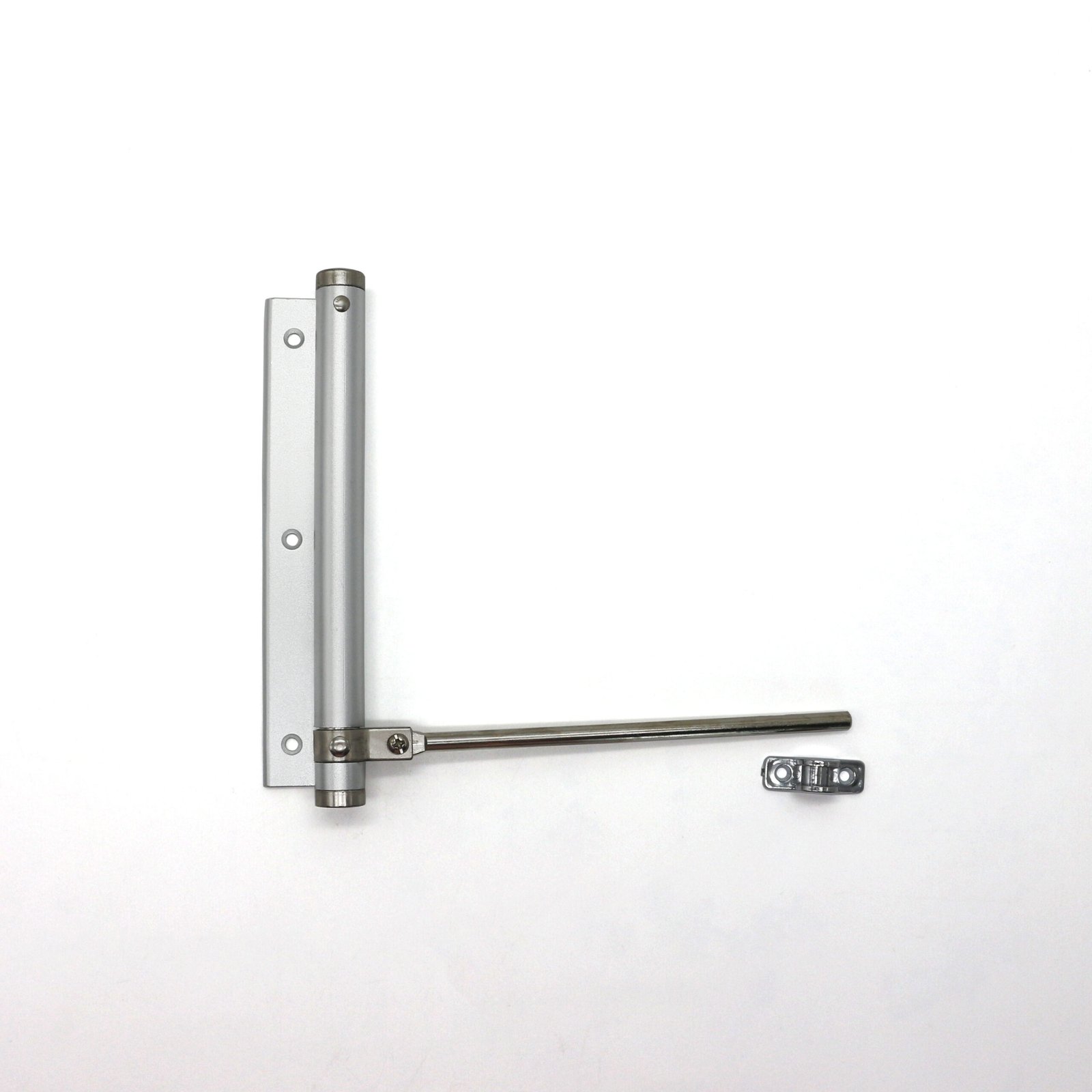
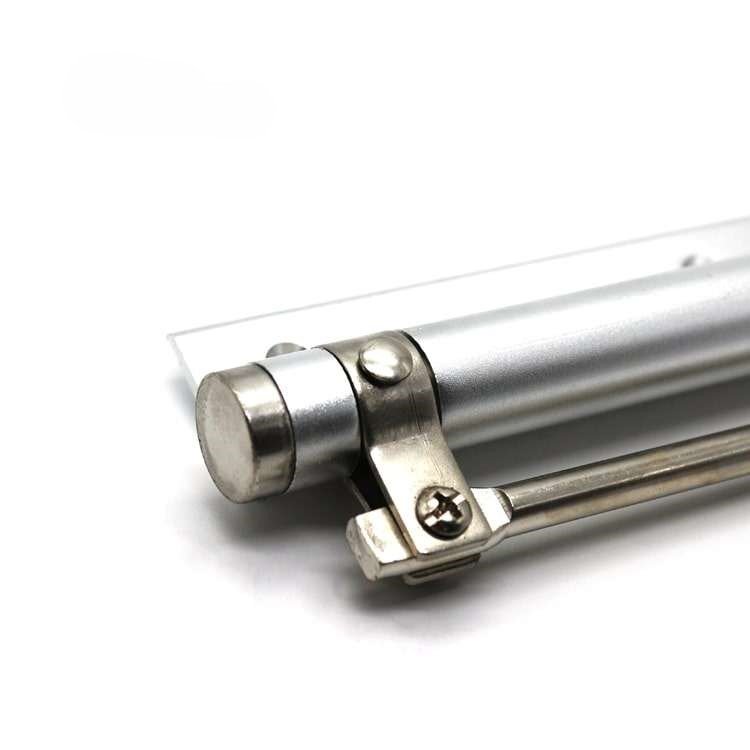
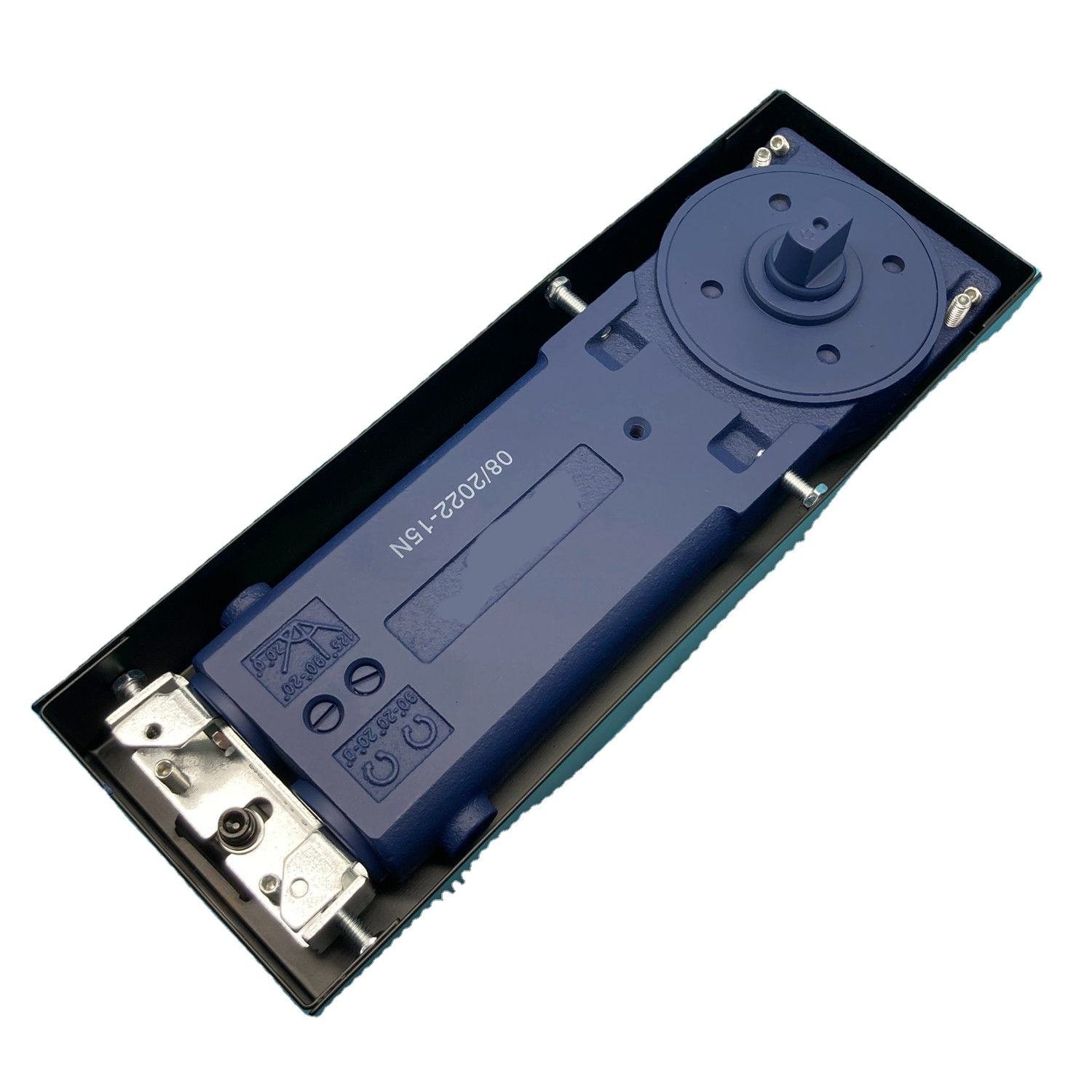
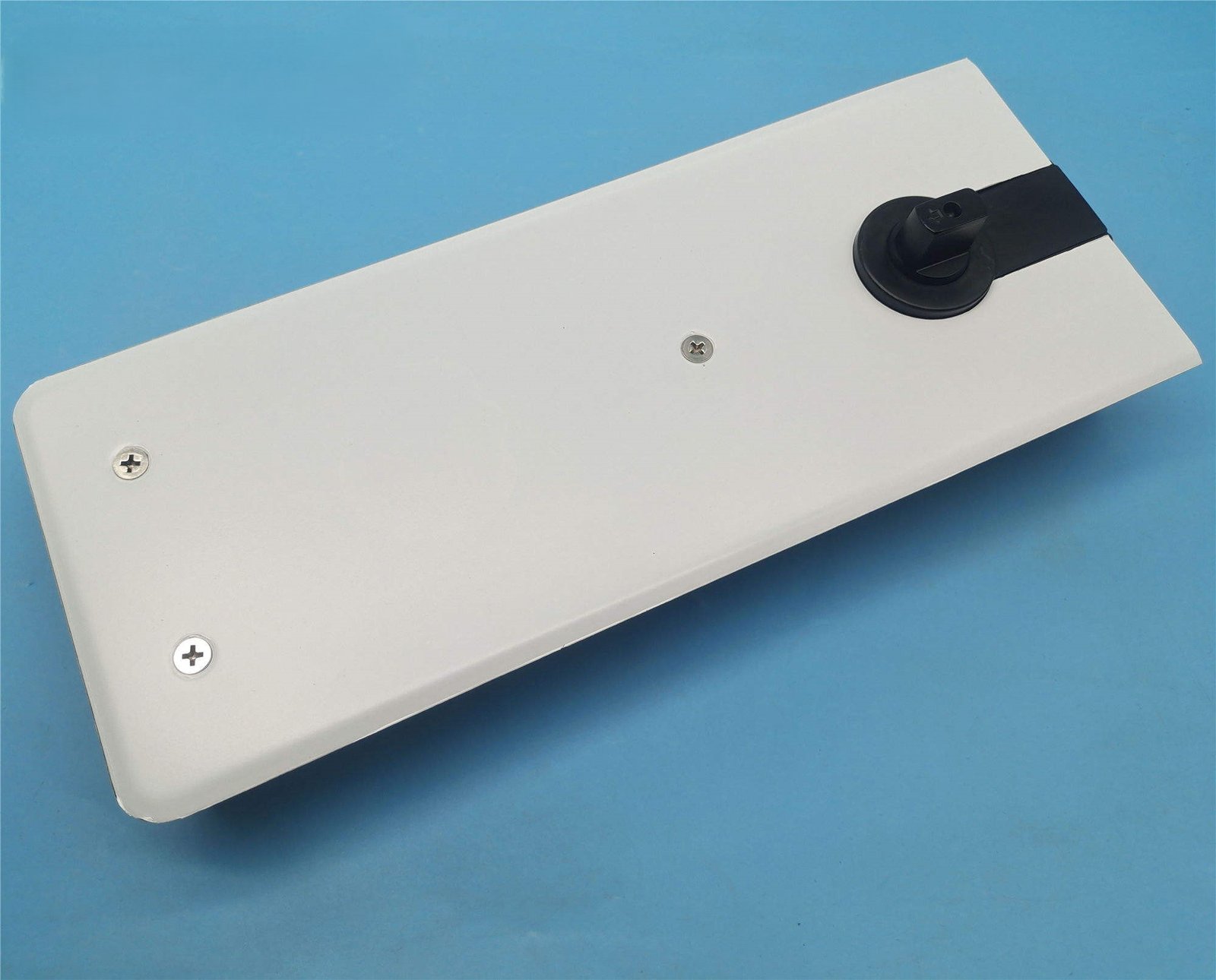
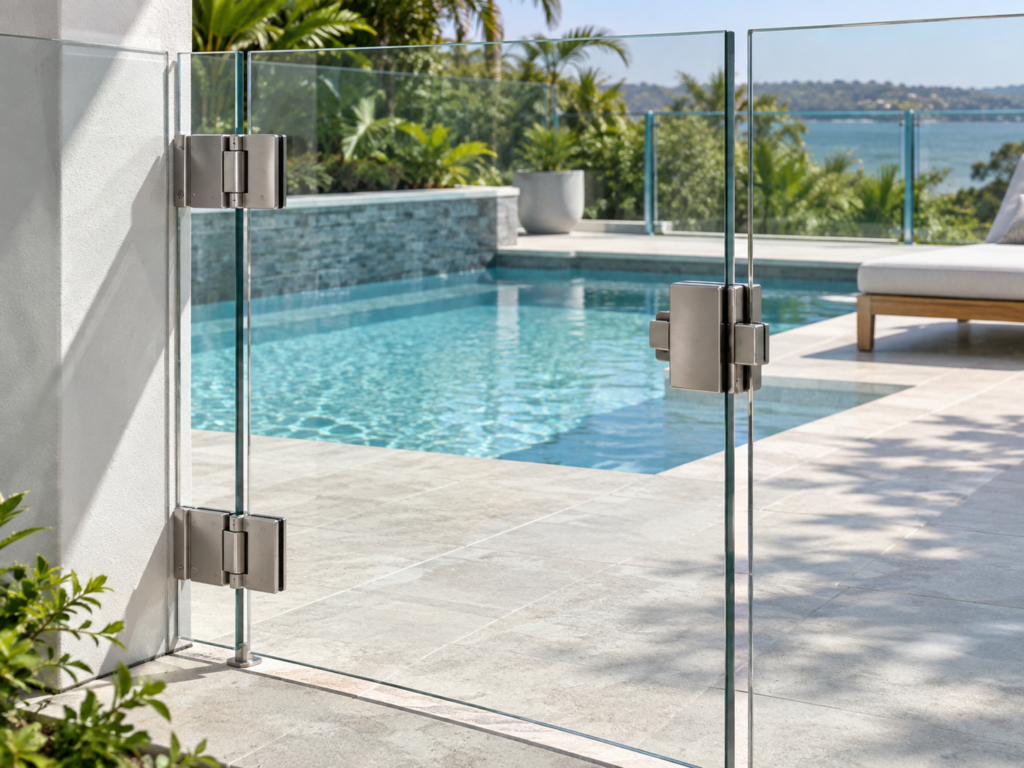
For gate hinges, check glass thickness, gate dimensions, glass preparation and closing function.
For latches, confirm the mounting arrangement and gate configuration.
Products that look almost identical may not share the same replacement parts or installation requirements. A visually similar replacement is not automatically a compatible replacement.
Coordinate Finishes for Repeat Stock
The first order is only the beginning of a B2B supply relationship.
When a buyer reorders brushed, polished or matte-black hardware months later, finish consistency becomes important.
Finish names alone do not guarantee an identical appearance. Tone, gloss and texture can vary with substrate, process and production batch.
For repeat-stock items, retain:
- approved model and finish references;
- previous order records;
- samples or comparison photos where useful;
- specification notes.
If visible components come from different production sources, they should still be coordinated against an approved finish reference where practical.
PVD may be an option for selected decorative finishes, but the appropriate finish system depends on the base material, exposure and product design.
Mixed-Order Consolidation Can Simplify B2B Procurement
Installers and distributors rarely buy only one type of hardware.
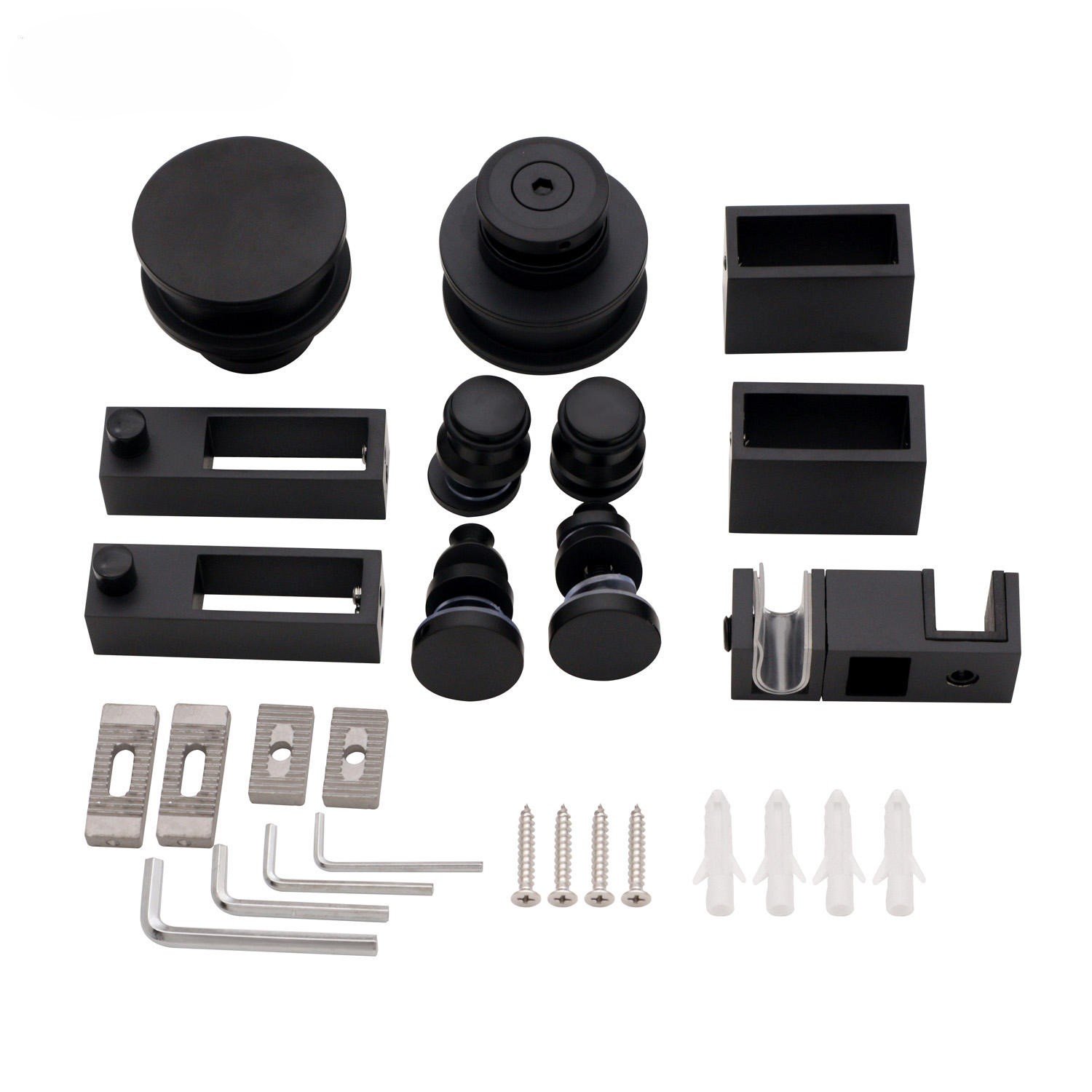
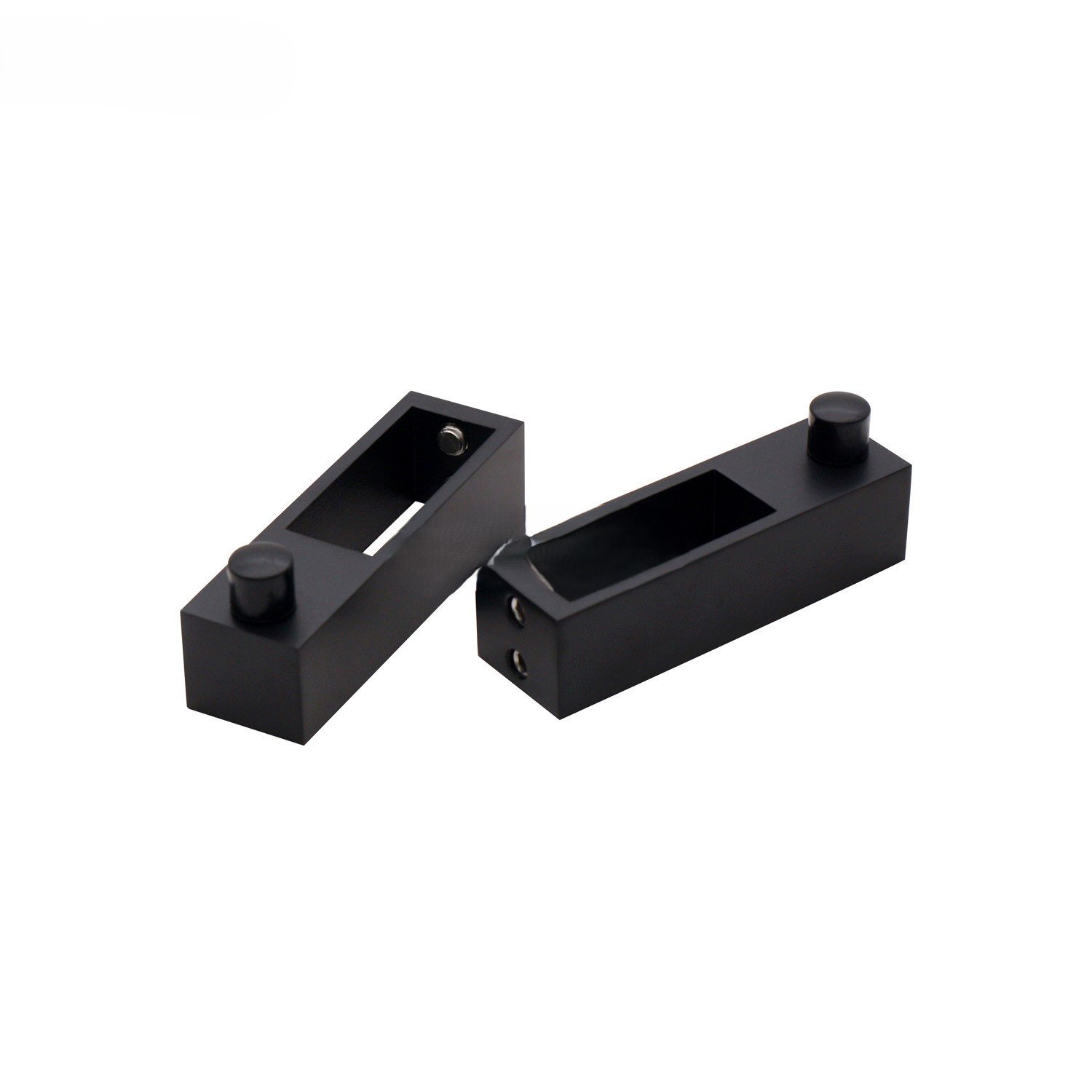
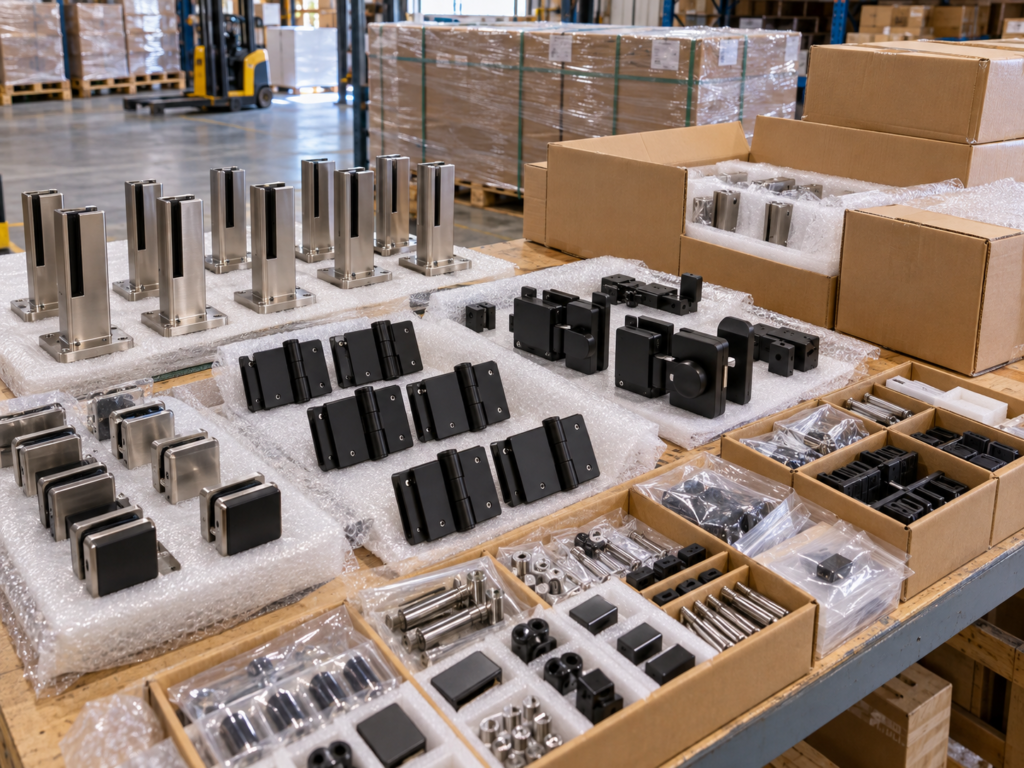
A typical purchase may combine spigots, gate hinges, latches, clamps, fasteners, cover plates and related railing fittings. Some distributors may also purchase shower or other architectural glass hardware within the same export cycle.
Coordinating mixed-category orders can reduce purchasing fragmentation and simplify export logistics.
The value is not simply putting different products into one shipment. Each item still needs clear model references, compatible accessories, suitable packing and quality checks.
Quality Control Should Focus on Repeatable Details
“High quality” is too general to guide B2B purchasing.
| QC Item | What to Check |
|---|---|
| Dimensions | Consistency with the approved model |
| Glass clamping area | Machining and specified glass range |
| Finish | Tone, texture and visible surface defects |
| Fasteners | Correct type, material and quantity |
| Gaskets / wedges | Correct configuration and complete set |
| Gate hardware | Movement, adjustment and closing behaviour |
| Packaging | Correct model and accessory combination |
A first order, new finish or custom product may justify more detailed checking than a repeat order of an established model.
The inspection plan should focus effort where purchasing risk is highest.
Approve Samples Before the First Bulk Order
A catalog photo cannot confirm installation fit, adjustment range, accessory completeness or finish consistency.
Before the first large order, buyers should normally approve samples of the key products.
Sample review can include:
- dimensions and glass compatibility;
- mounting and adjustment;
- wedge or gasket configuration;
- finish;
- fasteners and accessories;
- installation testing where practical.
For gate hardware, movement and closing behaviour may also be reviewed.
Sample approval creates a practical reference for the bulk order and can reveal unnecessary SKUs before inventory becomes too complicated.

Packaging Should Match the Customer’s Business Model
Installers may benefit from hardware grouped by project, gate set or installation package.
Distributors may prefer clear individual model separation so stock can be received, counted and picked for different customers.
Small accessories deserve particular attention. A spigot or hinge can be correct but still create a site problem if the required wedge, gasket, screw or cover is missing.
Packaging should help ensure the complete accessory set stays with the main product.
Stable Product References Matter for Repeat Orders
For distributors, reorder stability can be more valuable than a small first-order price difference.
Useful records include:
- product code;
- dimensions;
- material;
- finish;
- compatible glass range;
- gasket or wedge configuration;
- accessory list;
- drawing or sample reference.
If the product changes, the difference should be reviewed before it is treated as an equivalent replacement.
A customer asking for “the same spigot as last time” should not receive a different product simply because it looks similar.
Plan Spare Parts Around Real After-Sales Needs
Not every component needs to be stocked in large quantities.
Depending on the product range, useful service stock may include wedges, gaskets, covers, selected fasteners, latch components and gate-hinge service parts where applicable.
Installers may keep a small service stock, while distributors can maintain replacement components for their main product families.
The correct quantity depends on the installed base and sales volume.

Common Supply Problems for Installers and Distributors
1. Choosing a Supplier Only by Unit Price
A low first-order price can lose its advantage if accessories are incomplete, repeat orders change or callbacks increase.
2. Stocking Too Many Similar SKUs
More SKUs do not always mean better market coverage.
3. Reordering From a Product Photo
Stable product codes and specifications are safer than visual matching alone.
4. Assuming One Product Covers Several Glass Specifications
Only use multi-compatibility products where the model is designed for those applications.
5. Ignoring Small Accessories
Missing wedges, gaskets, covers or fasteners can stop installation.
6. Placing a Large First Order Without Sample Approval
A small specification problem becomes expensive when multiplied across a bulk shipment.
What Buyers Should Provide When Requesting a Quotation
For installers and contractors, useful information includes project drawings, glass thickness, mounting condition, gate quantity, finish, project environment and required quantity.
For distributors and wholesalers, provide the target product range, preferred product families, material, finish, expected quantity, packaging requirements, target market and repeat-stock priorities.
Clear purchasing information helps separate immediate project requirements from long-term inventory needs.
How Metech Supports Pool Fence Hardware Buyers
Metech Hardware works with selected production partners to support pool fence installers, contractors, importers, distributors and building-material buyers.
Our supply range can include pool fence spigots, gate hinges, latches, glass clamps and related architectural glass fittings.
Depending on the customer’s business model, we can help with:
- product comparison and core SKU planning;
- installation-oriented product selection;
- sample coordination;
- material and finish comparison;
- mixed-category sourcing;
- accessory and compatibility checking;
- OEM and packaging coordination where required;
- pre-shipment quality checking;
- consolidated export orders;
- repeat-order references.
For distributors, the objective is to build a manageable product range that can be replenished with less uncertainty. For installers and contractors, the priority is to coordinate hardware that arrives complete and creates fewer avoidable compatibility problems on site.
FAQ
What Pool Fence Hardware Should a Distributor Keep in Stock?
Start with a limited core range that covers the most common glass, mounting and finish requirements in your target market. Keep unusual finishes or special systems as project-specific items until demand justifies permanent stock.
Are Friction-Fit Spigots a Good Core SKU?
They can be, particularly where no-hole glass installation and on-site adjustment are valued. The actual glass range, mounting method and accessory system should still be confirmed for each model.
Should a Distributor Stock SS316 or Duplex 2205?
It depends on the markets served. SS316 may suit many projects, while Duplex 2205 can be useful for more severe coastal, chloride or higher-strength applications.
Can Installers Order Different Hardware Categories in One Shipment?
Yes, depending on the products and order arrangement. Spigots, gate hardware, clamps and other architectural glass fittings can often be coordinated within a mixed export order.
Can Pool Gate Hardware Be Used for Code-Driven Projects?
Self-closing hinges and self-latching systems can support code-driven pool-gate designs, but final compliance depends on the complete installed barrier, gate geometry, latch position and local regulations.
Can Metech Provide Gate Hardware Drawings?
Model-specific technical drawings or glass-preparation references can be coordinated where available. The exact hardware model should be confirmed before glass processing.
Looking for a Pool Fence Hardware Supply Partner?
Send us your target product range, project drawings, glass specifications, material and finish requirements, or distributor stock plan.
Metech Hardware can help review suitable pool fence hardware options and coordinate samples, mixed orders and repeat supply.