Home » Applications » Commercial Floor Spring Supply Solutions for Glass Door Contractors & Distributors
Commercial Floor Spring Supply Solutions for Glass Door Contractors & Distributors
For architects, a floor spring is mostly an invisible door-control mechanism.
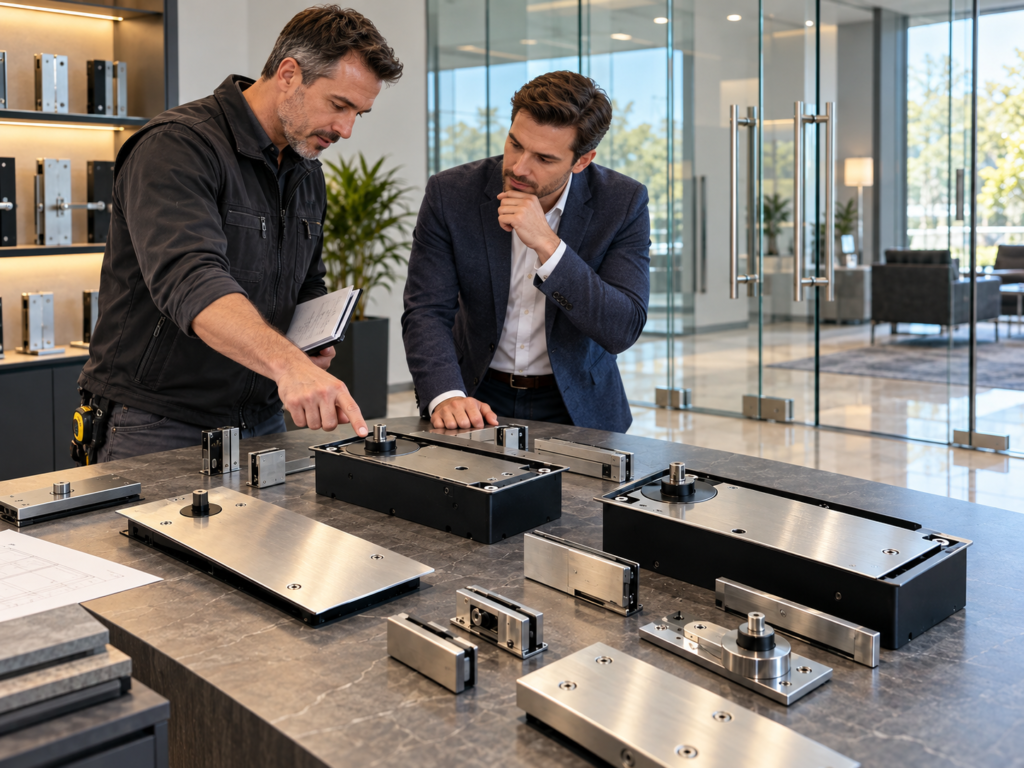
For glass door contractors and hardware distributors, it is also an inventory, installation and after-sales issue.
A product that is difficult to adjust can increase site work. A floor spring that does not match the bottom patch or spindle can delay installation. Too many similar models can tie up warehouse stock, while an unreliable hydraulic unit can create expensive service callbacks.
For trade buyers, the objective is therefore not to stock every available floor spring.
The better approach is to build a controlled product range that covers the door conditions customers actually encounter and can be reordered with consistent specifications.
Different Buyers Need Different Supply Models
Buyer Type
Main Priority
Installer
Compatibility, adjustment and complete accessories
Contractor
Project specification, quantity and delivery
Distributor
Core models, stock turnover and repeat supply
Importer
Stable specifications, QC, packing and logistics
Installers mainly care about whether the product works correctly on site.
Distributors need to think further ahead: which models should remain in stock, which should stay project-specific, and whether the same product can still be supplied months or years later.
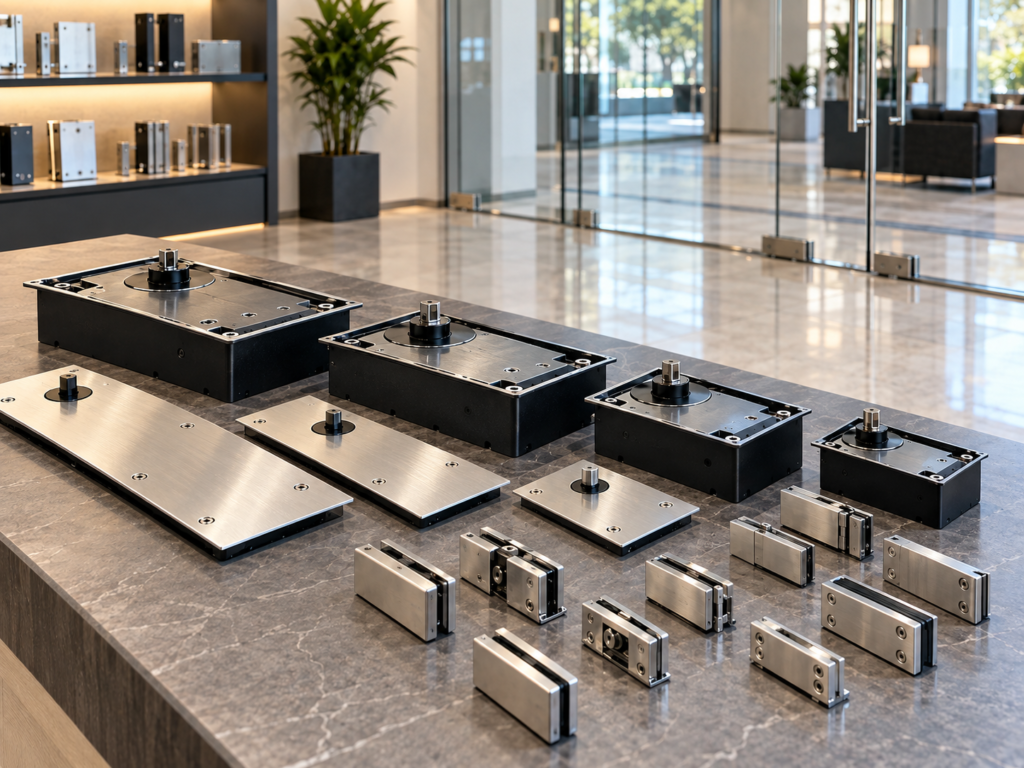
Build a Core Floor Spring Range
More models do not always create better market coverage.
A practical product structure normally separates:
Core commercial models for repeated office, retail and general glass-door applications.
Higher-capacity models for wider or heavier doors.
Project-specific models for oversized entrances, unusual pivot arrangements or special functional requirements.
The goal is to avoid adding a new permanent SKU every time an unusual project appears.
A distributor should stock according to repeat demand, not simply according to the size of a supplier’s catalog.
Adjustable Closing Force Can Reduce SKU Overlap
Some floor spring series provide adjustable closing force across a defined range.
For distributors, this can reduce overlap between several fixed-power products.
Instead of carrying multiple models that cover only small differences in application, an adjustable model may support several nearby door conditions.
For contractors, adjustable force can also provide additional commissioning flexibility on site.
However, this does not mean one adjustable floor spring can replace every model.
The selected product must still suit the:
door width;
door weight;
pivot system;
usage frequency;
operating environment.
Adjustment is useful within the product’s designed range. It does not replace correct initial selection.
Door Weight Alone Is Not Enough
A common enquiry is:
“What floor spring should I use for a 120 kg door?”
Weight is important, but it is only one part of the decision.
The buyer should also consider:
door width;
height;
glass thickness;
traffic frequency;
pivot arrangement;
indoor or semi-exposed location.
A wider door can create greater leverage on the floor spring even when the total weight remains unchanged.
This is why two products with the same nominal kilogram rating are not automatically equivalent.
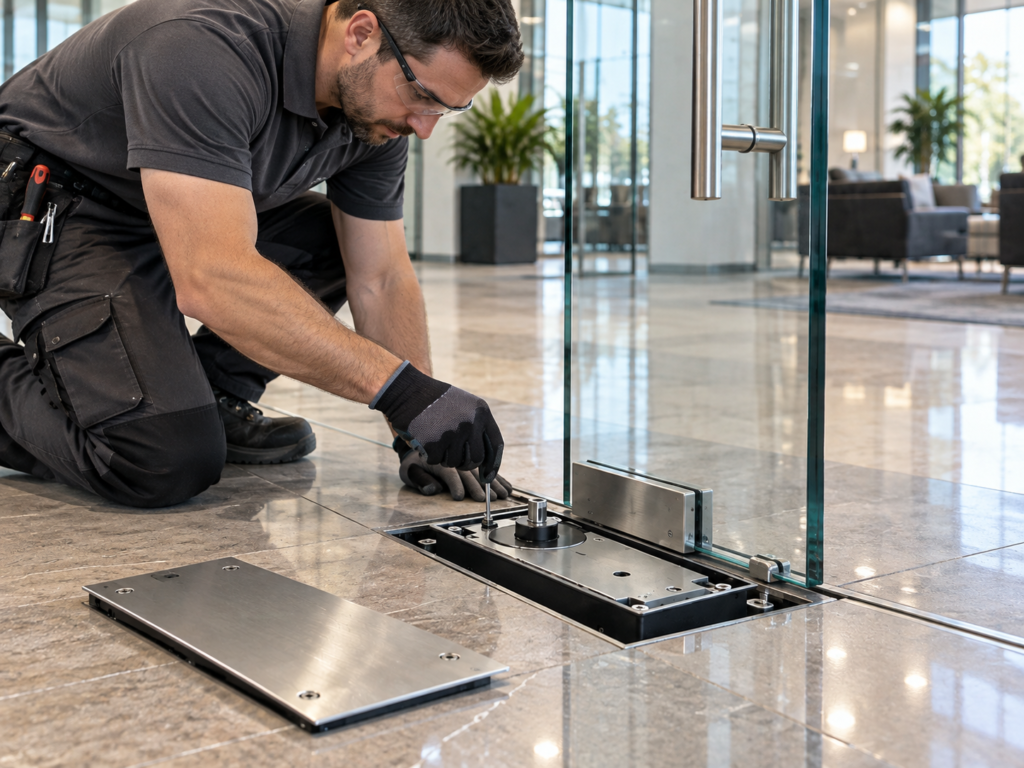
Cement-Box Adjustability Can Simplify Installation
Installation conditions are rarely perfect.
The finished floor may not be completely level, and small alignment differences can affect the gap between the moving door and adjacent glass panels.
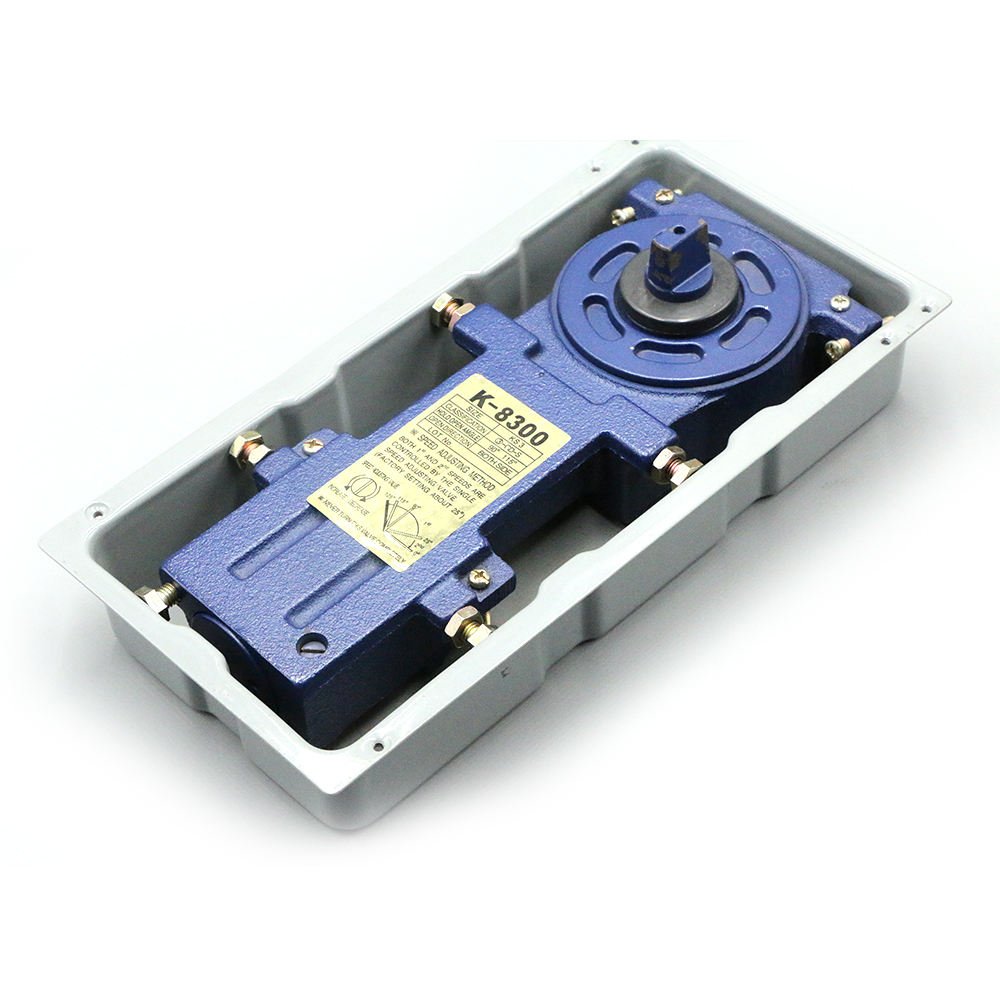
Depending on the floor spring design, the closer body may allow adjustment inside the cement box in one or more directions.
This can help installers correct minor positioning or alignment differences without unnecessary floor rework.
For contractors, these adjustment features can reduce commissioning difficulty.
For distributors, they are worth checking during sample evaluation because two visually similar floor springs may offer very different installation flexibility.
Return-to-center accuracy also matters.
Poor centering can affect door gaps, patch-lock alignment and the overall appearance of a frameless glass entrance.
Compatibility Extends Beyond the Floor Spring Body
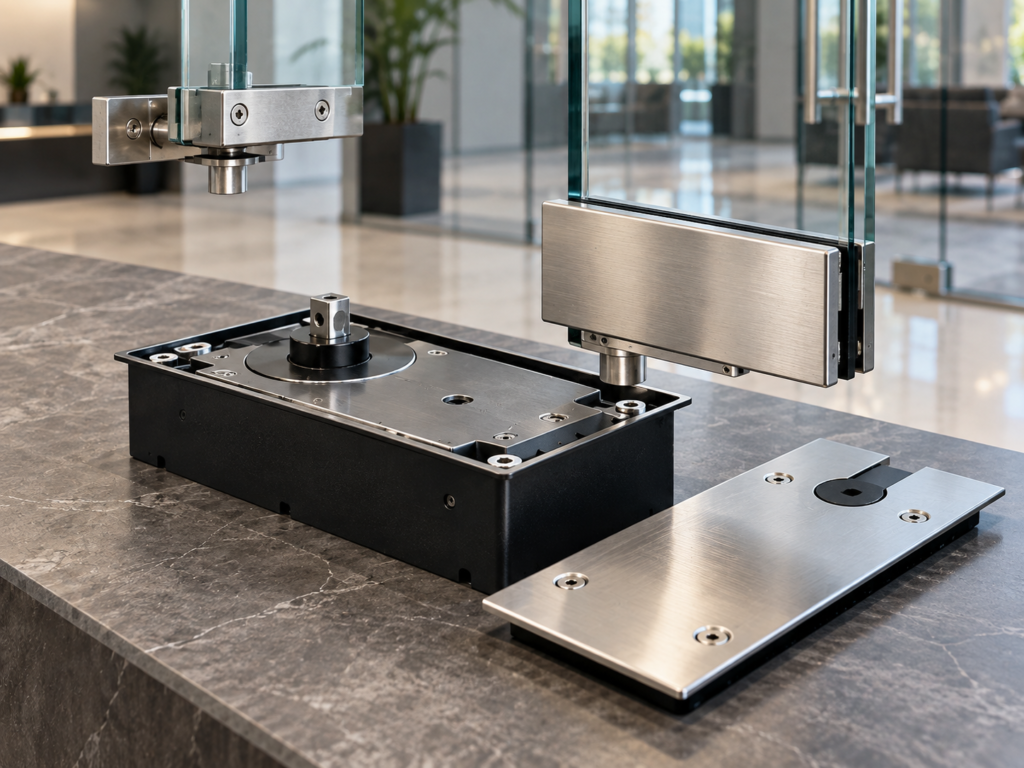
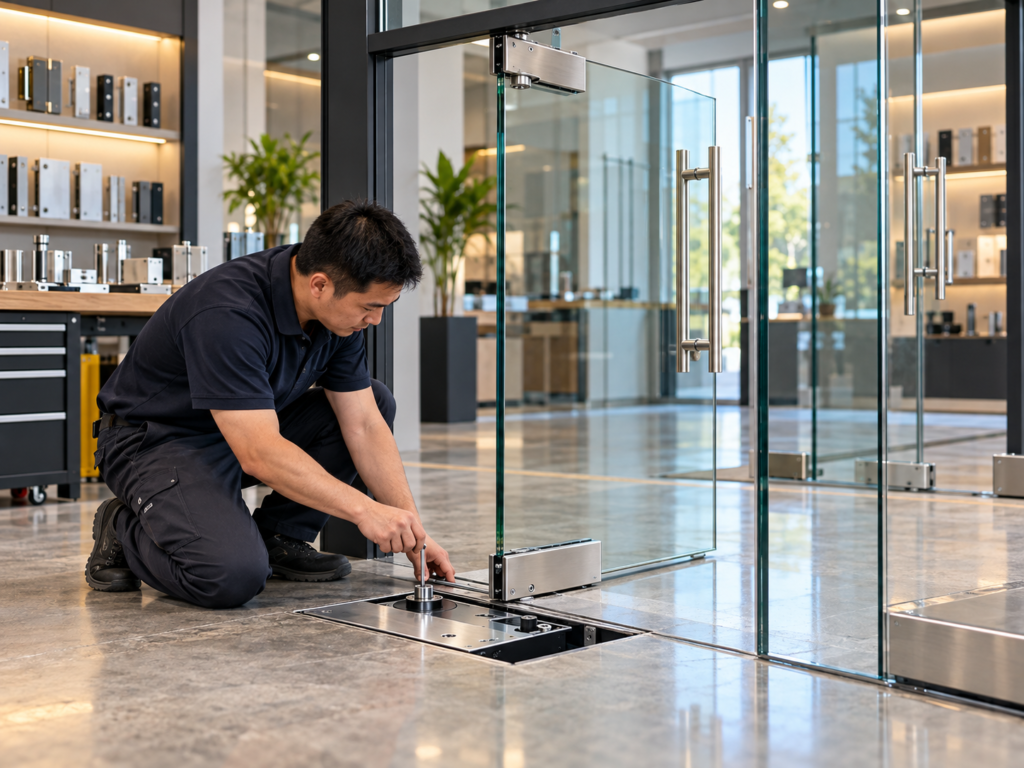
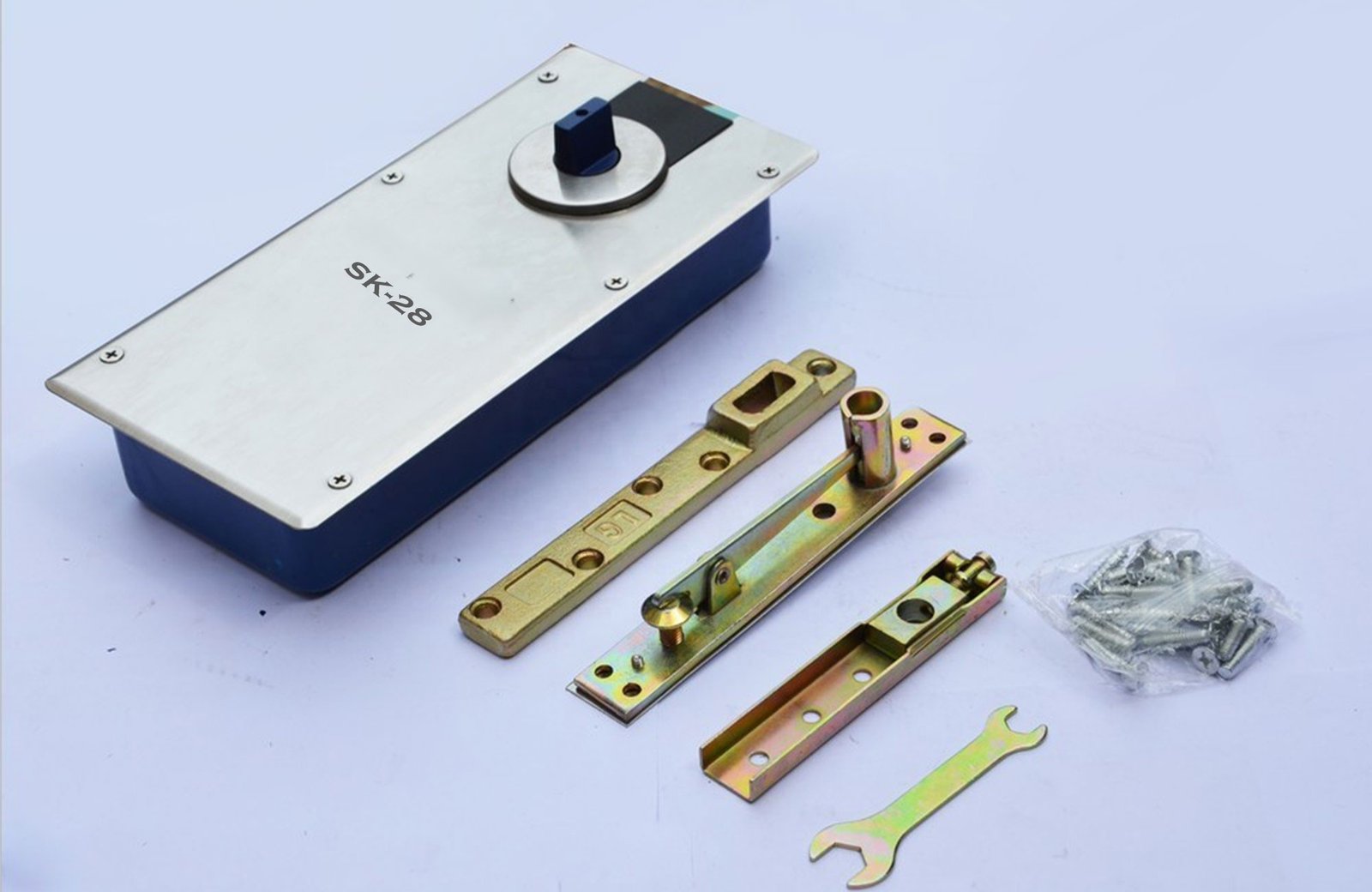
A floor spring operates as part of a complete pivot-door system.
Component
What Needs to Match
Floor spring
Door application and function
Spindle
Profile, height and connection
Bottom patch
Spindle and pivot interface
Top pivot
Door center and geometry
Cover plate
Body size, opening and finish
Cement box
Floor spring body dimensions
A floor spring can have the correct capacity and still be unsuitable if the spindle and bottom patch do not match.
For repeat projects, contractors and distributors benefit from maintaining approved floor-spring and patch-fitting combinations.
Capacity alone is not a complete product identity.
Keep Hold-Open and Non-Hold-Open Versions Clear
Hold-open and non-hold-open models can look very similar.
For warehouse and project control, they should have clear model references and packaging identification.
Whether hold-open is suitable depends on the project specification and applicable safety requirements.
For certain controlled or fire-related applications, the required door behaviour should be confirmed before the product is selected.
The important point for distributors is simple:
Do not treat HO and NHO models as interchangeable stock.
Reliability Should Be Evaluated Beyond Marketing Claims
For contractors, hydraulic leakage or poor closing performance can create expensive callbacks.
For distributors, repeated failures can damage customer confidence.
Reliability should therefore be assessed from the complete product rather than from one material or one marketing statement.
Important areas may include:
machining quality;
hydraulic sealing;
cam and bearing design;
closing consistency;
centering;
adjustment;
test documentation.
Cycle-test data can also be useful, but the number needs context.
A published cycle figure should ideally be reviewed together with the actual test conditions and product specification.
A higher cycle number does not automatically mean the product is suitable for every door.
For markets with large temperature changes, buyers may also review whether closing behaviour remains stable across the expected operating environment.
Coordinate Floor Springs With Patch Fittings
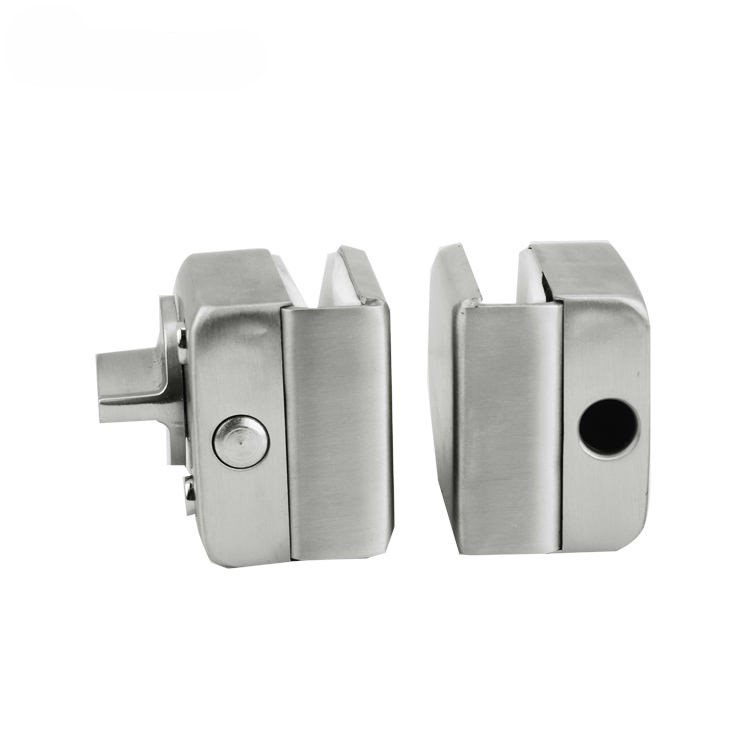
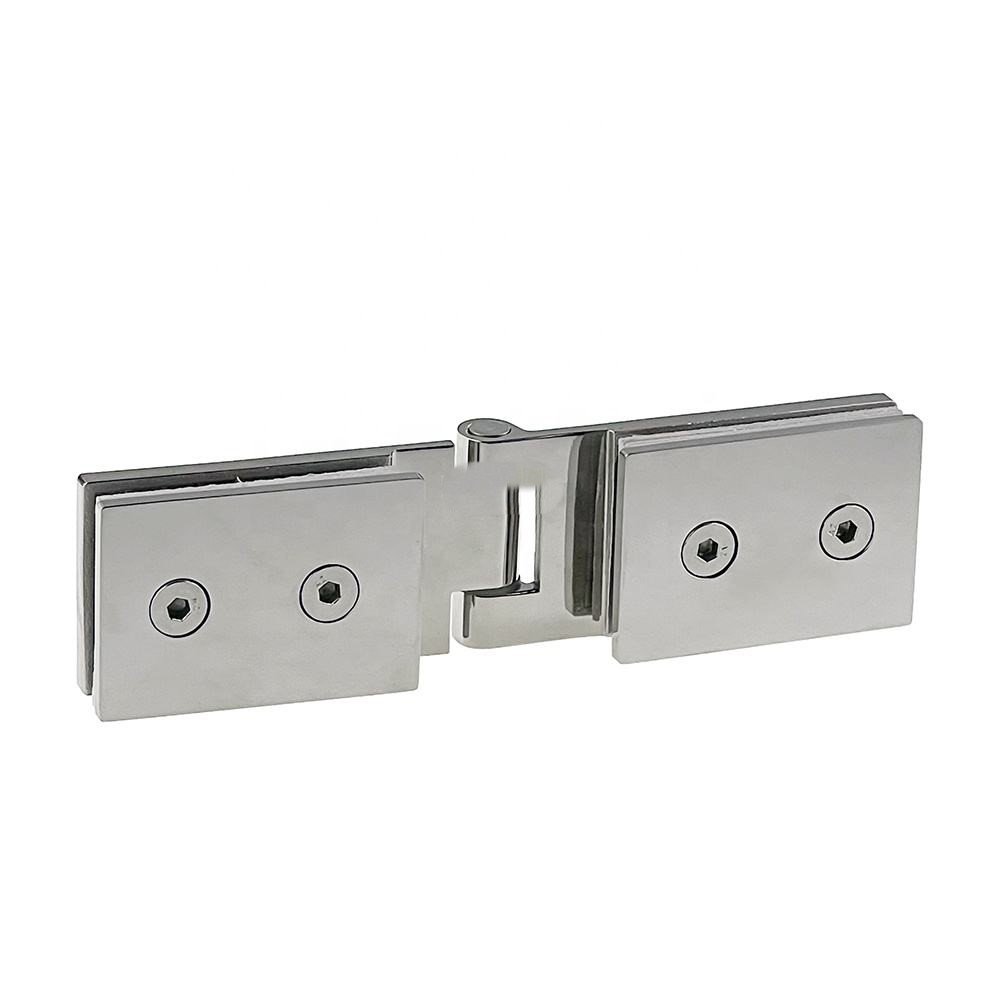
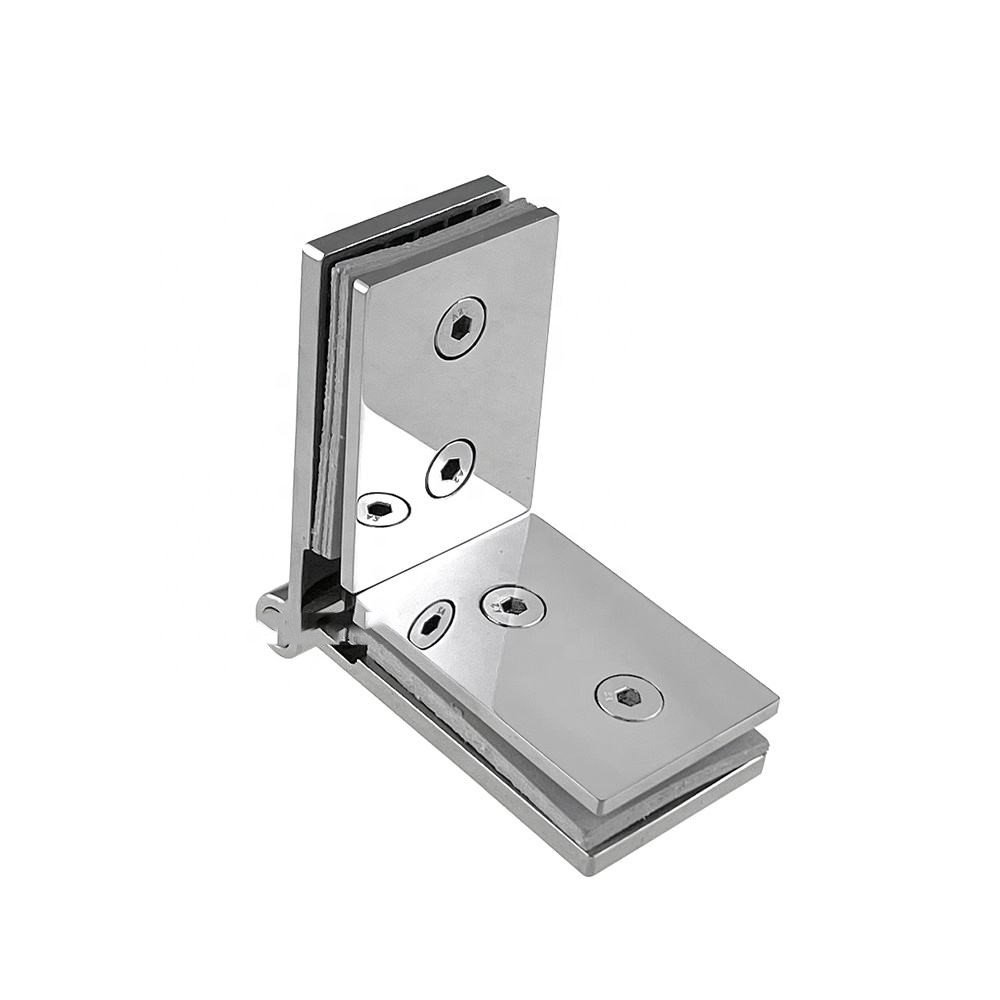
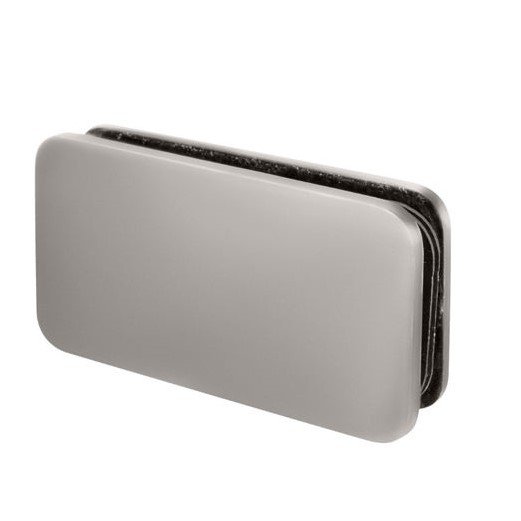
A commercial frameless glass door normally requires more than the floor spring.
The project may also need:
bottom patch;
top patch;
lock patch;
pull handle;
glass door lock;
related fittings.
Purchasing these items independently can create unnecessary compatibility and finish issues.
For a distributor, creating approved hardware combinations can simplify sales and after-sales support.
For contractors, coordinated products reduce the risk of discovering on site that the spindle and bottom patch do not work together.
This is also where mixed hardware purchasing can become useful.
Instead of managing separate orders for floor springs, patch fittings, locks and handles, a supply partner can help coordinate several categories within the same purchasing cycle.
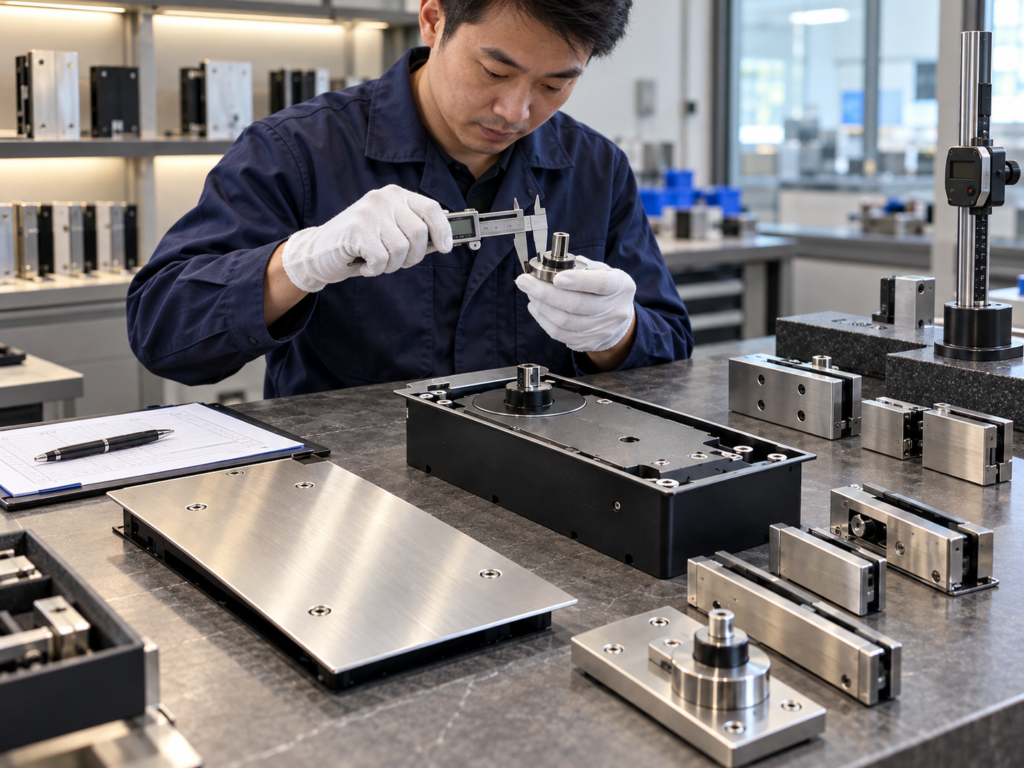
Quality Control Should Focus on Functional Details
“High quality” is not a useful inspection standard by itself.
QC Item
What to Check
Body dimensions
Match the approved model
Spindle
Correct profile and height
Cover plate
Dimensions, finish and fit
Adjustment
Correct operation
Closing performance
Movement and centering where tested
Accessories
Correct and complete components
Packaging
Model and function identification
New models and first bulk orders generally deserve more attention than established repeat products.
QC should focus on the features most likely to create compatibility or service problems.
Approve a Complete Sample Before Bulk Ordering
A loose floor spring on a desk does not reveal every system issue.
Before a large first order, buyers should review:
body dimensions;
spindle;
bottom-patch compatibility;
cover plate;
adjustment functions;
closing and centering;
accessory completeness;
packaging.
Where practical, the sample can be tested in a complete demonstration glass-door system.
The principle is:
Test the system that will actually be installed, not only the individual floor spring.
Stable References Matter for Repeat Orders
Repeat purchasing becomes risky when products are identified only by door weight.
A request such as:
“Send the same 150 kg floor spring”
may still describe several different products.
Repeat-order records should include:
model code;
body dimensions;
spindle;
hold-open status;
cover plate;
compatible patch fitting;
finish;
approved sample or drawing.
If a supplier proposes an “equivalent” product, the important dimensions and interfaces should be checked again.
Common Supply Problems
Choosing Only by Maximum Door Weight
Door width and system geometry also matter.
Stocking Too Many Similar Models
More SKUs can increase inventory without improving coverage.
Ignoring Spindle and Bottom-Patch Compatibility
A suitable closer body can still fail as a complete system.
Mixing HO and NHO Models
Clear model identification is essential.
Comparing Cycle Numbers Without Context
Test conditions matter.
Reordering Only by Capacity
The same kilogram rating does not mean the same product.
Ordering Bulk Quantities Before Sample Testing
Small compatibility problems become expensive when repeated across hundreds of units.
What Buyers Should Provide for a Quotation
For contractors, useful information includes:
door width and height;
estimated door weight;
glass thickness;
required function;
existing patch fittings where applicable;
traffic condition;
quantity;
finish.
For distributors, useful information includes:
target capacity range;
target market;
preferred core models;
HO / NHO demand;
expected quantities;
packaging requirements;
OEM requirements;
patch-fitting compatibility needs.
How Metech Supports Floor Spring Buyers
Metech Hardware works with selected production partners to support glass door contractors, importers, distributors and commercial project buyers.
Depending on the project or market, we can help coordinate:
floor spring model comparison;
core product-range planning;
floor spring and patch-fitting combinations;
spindle and accessory confirmation;
sample evaluation;
finish coordination;
mixed glass-door hardware orders;
OEM and packaging requirements;
pre-shipment inspection;
repeat-order references;
export coordination.
Rather than forcing every buyer into one floor spring series, Metech can help compare suitable options according to application, market positioning and purchasing requirements.
FAQ
Can Adjustable Floor Springs Reduce the Number of SKUs?
Yes, where the model is designed with adjustable closing force. The actual operating range and door conditions still need to be confirmed.
Is Door Weight Enough to Select a Floor Spring?
No. Door width, traffic level and pivot configuration should also be reviewed.
Can Different Floor Springs Use the Same Bottom Patch?
Sometimes, but spindle profile, height and interface must be checked.
Can Metech Supply Floor Springs for Heavy Glass Doors?
Heavy-duty options can be coordinated depending on door weight, width and the complete pivot system. Oversized doors should not be selected by kilogram rating alone.
Should Distributors Stock Both Hold-Open and Non-Hold-Open Models?
That depends on market demand. If both are stocked, they should be clearly separated by model reference.
Can Floor Springs and Patch Fittings Be Ordered Together?
Yes, depending on the selected products. Coordinating them together can reduce compatibility problems.
Looking for a Commercial Floor Spring Supply Partner?
Send us your target floor spring range, door sizes, expected quantities and patch-fitting requirements.
Metech Hardware can help compare suitable models, coordinate samples and prepare a more consistent supply program for project and distribution orders.