When buyers compare floor springs and door closers, they often focus on maximum door weight first.
This is important, but it is not enough.
A floor spring may be able to carry the static load of a 100kg glass door. A door closer may have enough power to close a commercial wooden or aluminum door. But in schools, shopping malls, hotels, hospitals and public buildings, the real question is often not only load capacity.
The real question is fatigue life.
How many times can the hardware open, close, control speed and return the door reliably before internal wear affects performance?
This is why buyers often see claims such as:
500,000 cycles
1,000,000 cycles
Tested for high-traffic use
These numbers are useful, but they should not be read as a guaranteed service life for every project.
A cycle test is performed under specific test conditions. Real doors are affected by door weight, door width, wind pressure, user behavior, installation accuracy, temperature, dust, moisture and maintenance.
The better question is not only:
“How many cycles did this product pass?”
The better question is:
“Under what conditions was it tested, and does that match my real door application?”
For bulk buyers, cycle test data should be evaluated together with product structure, sample testing, adjustment stability, packaging and batch consistency.
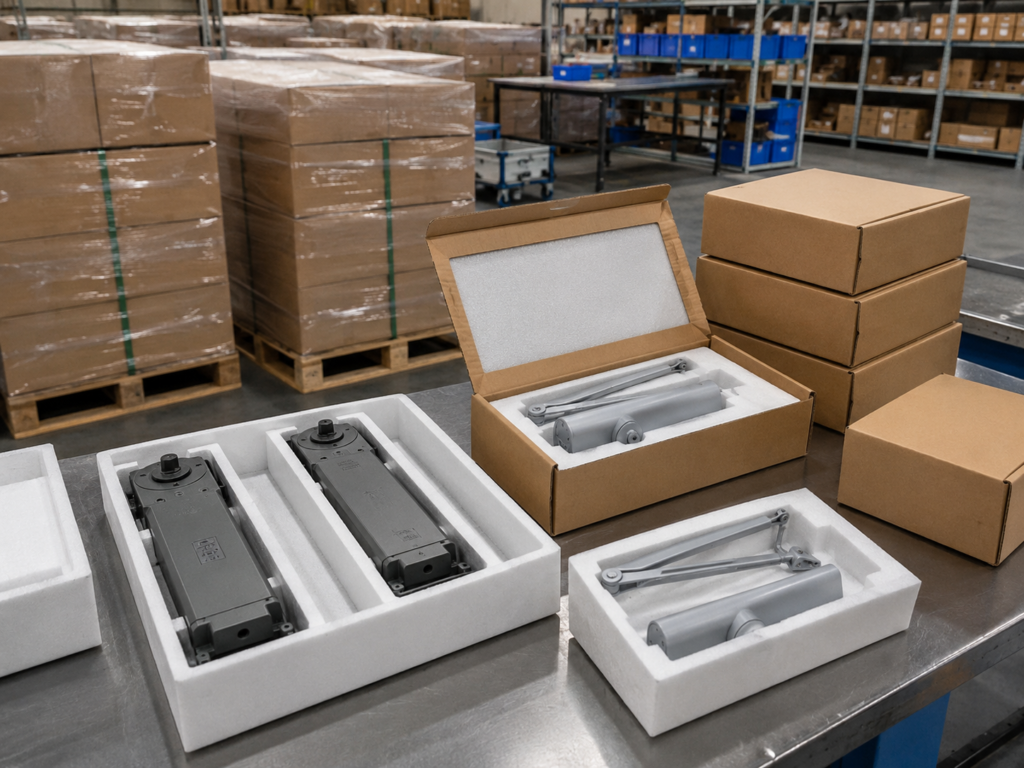
What Is a Cycle Test?
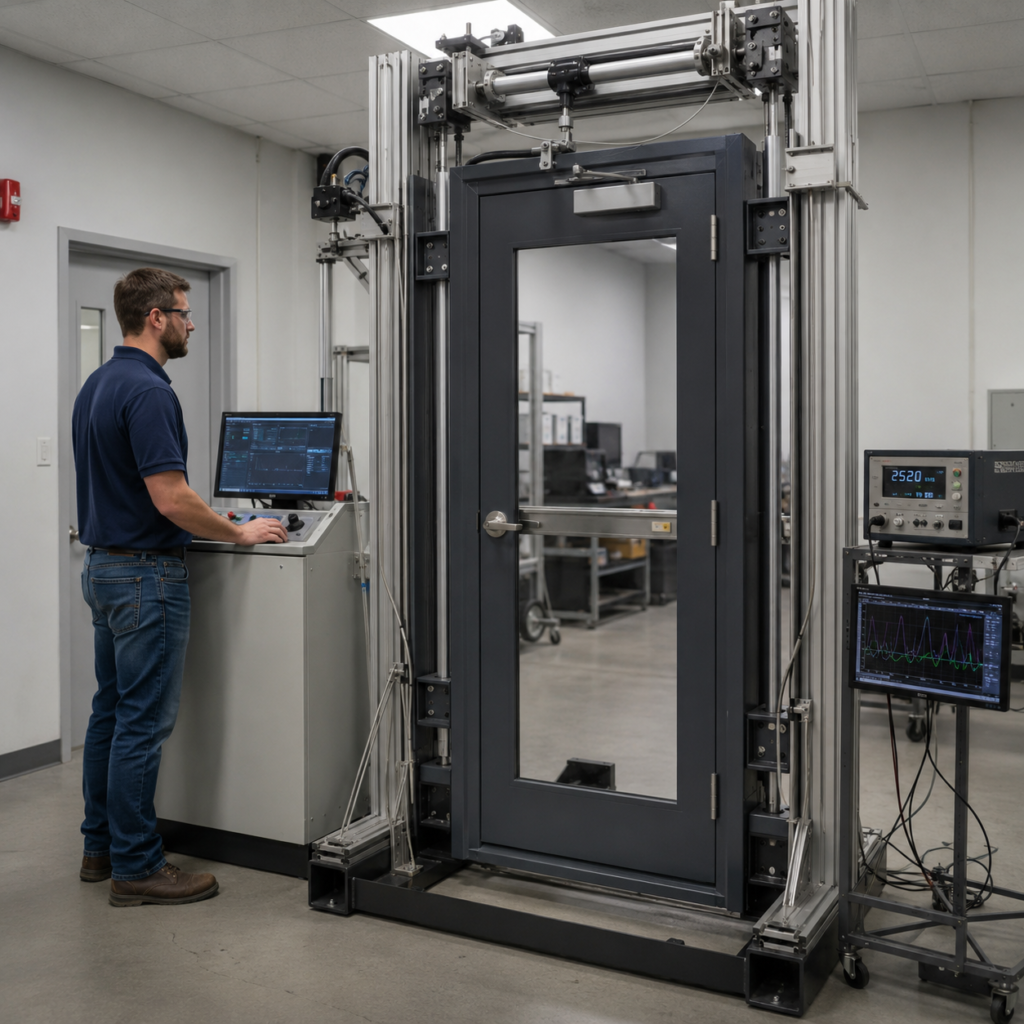
A cycle test is a repeated opening and closing test used to evaluate the durability of a floor spring, door closer or other door-control product.
In many test setups, one cycle usually includes:
- Opening
The door is opened from the closed position to a specified angle, such as 90° or another test angle. - Holding
The door may pause briefly at the maximum opening position. - Closing
The closer or floor spring controls the door as it returns toward the closed position. - Latching
The final part of the closing movement brings the door into the closed position.
During or after the test, the product may be checked for:
- Total cycles completed
- Test door weight or load
- Opening angle
- Closing speed stability
- Latching speed stability
- Oil leakage
- Return accuracy
- Closing force
- Abnormal noise
- Loose parts
- Valve adjustment condition
- Internal wear or failure
Some markets refer to standards such as EN 1154 or ANSI/BHMA A156.4 for door closer durability testing. Buyers should always confirm which standard, test method and test report apply to the specific product.
The cycle number is meaningful only when the test conditions are clear.
500,000 Cycles vs 1,000,000 Cycles
A 500,000-cycle test is already a useful durability reference for many commercial door-control products.
A 1,000,000-cycle test may indicate a higher durability target, stronger internal structure or more demanding test expectation.
However, the larger number does not automatically mean the product is suitable for every door.
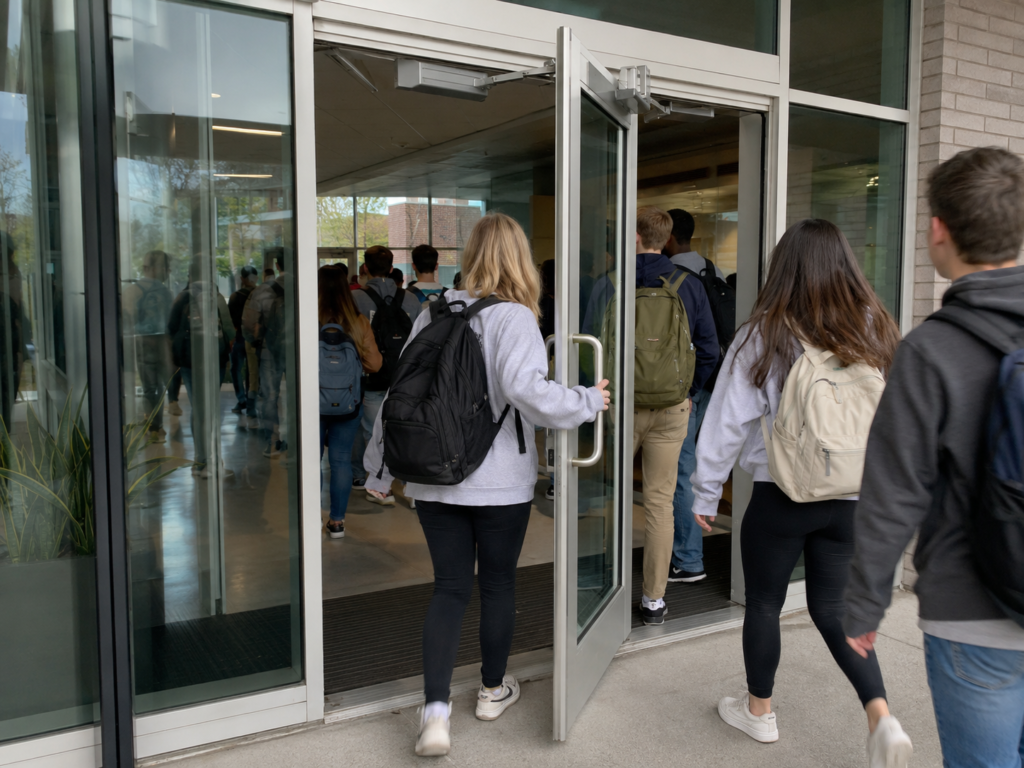
For example, a busy university entrance or shopping mall door may experience very high daily traffic. If a door is used around 2,000 times per day, that equals approximately:
2,000 cycles × 30 days = 60,000 cycles per month
60,000 cycles × 12 months = 720,000 cycles per year
This does not mean a 500,000-cycle product will fail immediately after that number. But it shows why high-traffic projects should not treat cycle ratings as just a marketing number.
A higher cycle number should still be compared with:
- Test load
- Door width
- Opening angle
- Test speed
- Door type
- Product size
- Installation environment
- Adjustment condition after testing
For schools, universities, hospitals, hotels and shopping malls, higher-cycle door hardware is often preferred. But buyers should still ask what load, angle and conditions were used during the test.
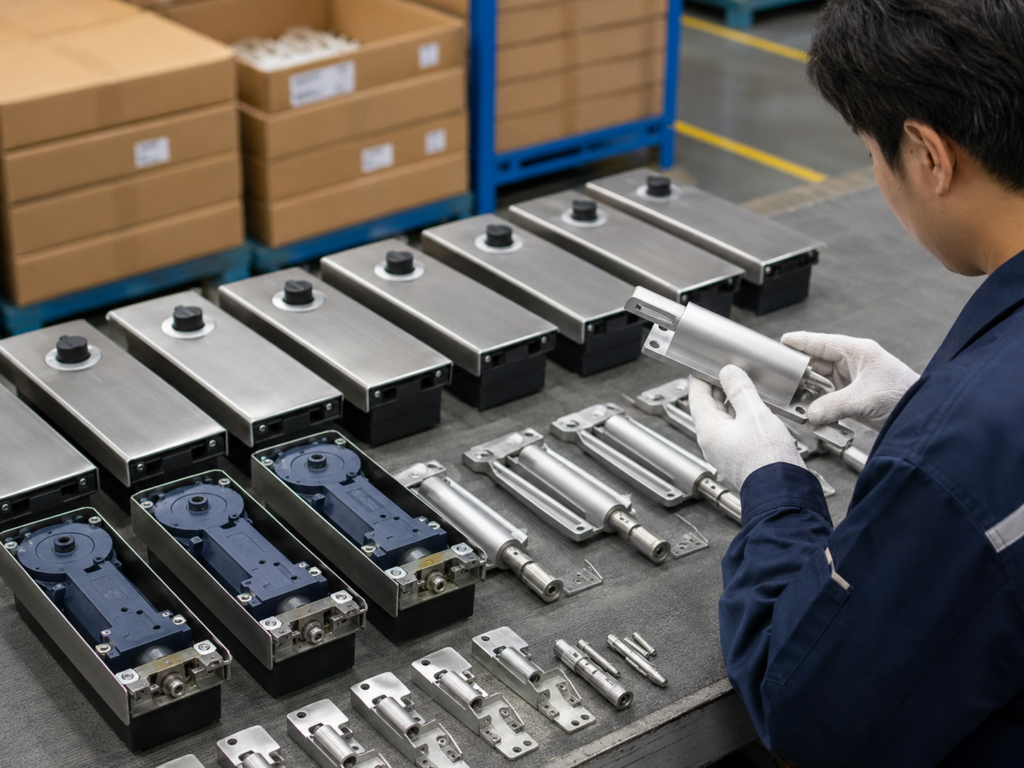
What Actually Wears Out?
When a floor spring or door closer fails, it usually does not break suddenly in half. Failure often starts as gradual internal wear.
Hydraulic Seal Wear and Oil Leakage
Floor springs and hydraulic door closers use oil to control movement speed.
Over repeated cycles, internal pressure, friction, heat and impact can affect seals and O-rings. If the seal performance drops, oil leakage may appear. Once hydraulic oil leaks, the product may lose speed control and the door may close too quickly or inconsistently.
Early oil leakage can be caused by undersized product selection, repeated impact, poor installation, incorrect speed adjustment or sealing quality issues.
Spring Fatigue
The spring stores and releases energy every time the door opens and closes.
After repeated operation, a lower-quality or overloaded spring may gradually lose closing force. The door may still move, but it may not latch reliably, especially against wind pressure or air-conditioning pressure.
Cam, Spindle and Bearing Wear
For floor springs, the spindle, cam and bearing system are especially important.
Heavy glass doors place vertical load and rotational force into the floor spring. Over time, wear in the cam, spindle or bearing area may create looseness. This can affect return-to-center accuracy and cause lock alignment problems.
For frameless glass doors, this may lead to poor closing, uneven gaps or difficulty engaging floor locks and patch locks.
Laboratory Test vs Real Site Conditions
Laboratory tests are controlled. Real sites are not.
In a test rig, the door may be installed with correct alignment, stable temperature, controlled speed and smooth repeated movement.
On a real project, the door may face:
- Users pushing the door aggressively
- Doors being forced open beyond normal use
- Wind gusts at exterior entrances
- Air pressure from HVAC systems
- Dust and cleaning chemicals
- Uneven floors
- Incorrect pivot alignment
- Wrong speed adjustment
- Loose screws or poor installation
- Infrequent maintenance
This is why real service life can be shorter than the cycle test number.
For high-traffic or heavy-door projects, buyers should avoid selecting products too close to the maximum rated capacity. A 30%–50% working margin is often considered, depending on door width, traffic level, wind exposure and site conditions.
This is especially important for floor springs used on wide frameless glass doors, exterior doors and public entrances.
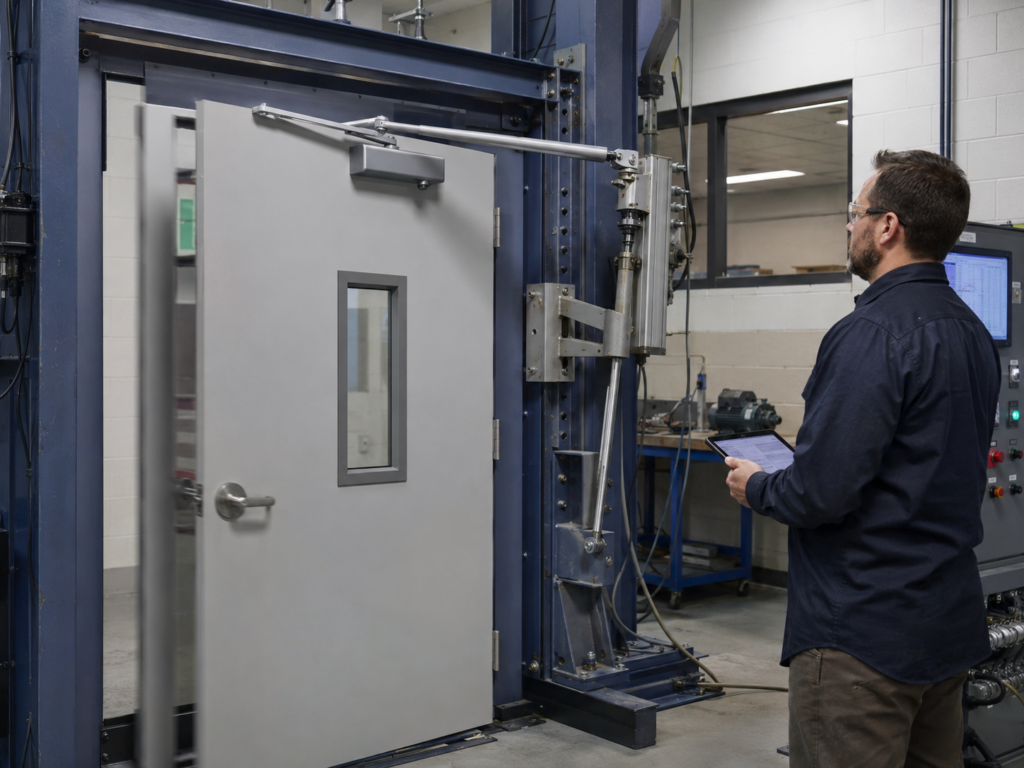
What Should Buyers Check in a Cycle Test Report?
A cycle test report should be read carefully. The cycle number is only one part of the evaluation.
| Check item | Why it matters |
|---|---|
| Test cycle number | Shows the tested durability reference |
| Test load or door weight | Helps judge whether the test matches real applications |
| Door width or arm length | Affects leverage and working stress |
| Opening angle | 90°, 105° or other angles may create different stress |
| Test speed | Very slow testing may not reflect high-traffic use |
| Test environment | Temperature, humidity and corrosion conditions may affect performance |
| Leakage after test | Critical for hydraulic floor springs and door closers |
| Closing speed after test | Shows whether the product still controls movement |
| Latching speed after test | Shows whether the door can still latch reliably |
| Return accuracy | Important for floor springs and double glass doors |
| Noise and looseness | May indicate wear, poor assembly or loose parts |
For bulk buyers, a useful report should explain what was tested, not only display a large cycle number.
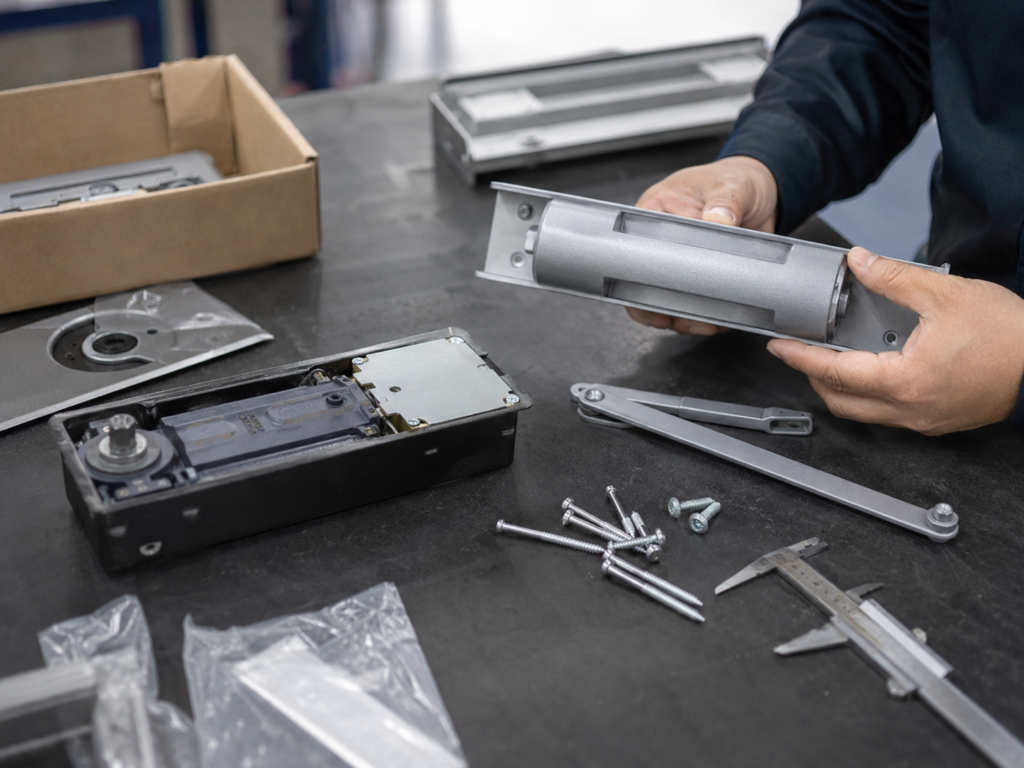
Sample Testing Before Bulk Purchase
Before placing a bulk order, buyers should test samples whenever possible.
Sample testing does not replace laboratory testing, but it helps confirm whether the product matches the buyer’s market, installation habits and project requirements.
For floor springs and door closers, sample testing may include:
- Appearance and finish inspection
- Product weight and structure check
- Cover plate or arm quality
- Speed valve adjustment
- Opening and closing feel
- Closing speed stability
- Latching speed stability
- Hold-open function, if required
- Backcheck function, if required
- Return-to-center accuracy
- Oil leakage observation
- Screw pack and accessories
- Installation template and instruction manual
- Packaging strength for transport
For export buyers, packaging should not be ignored.
Floor springs and door closers are heavy products. Poor packaging can cause scratches, bent cover plates, damaged arms, missing screws or after-sales complaints even when the product itself is acceptable.
Floor Spring Specific Checks
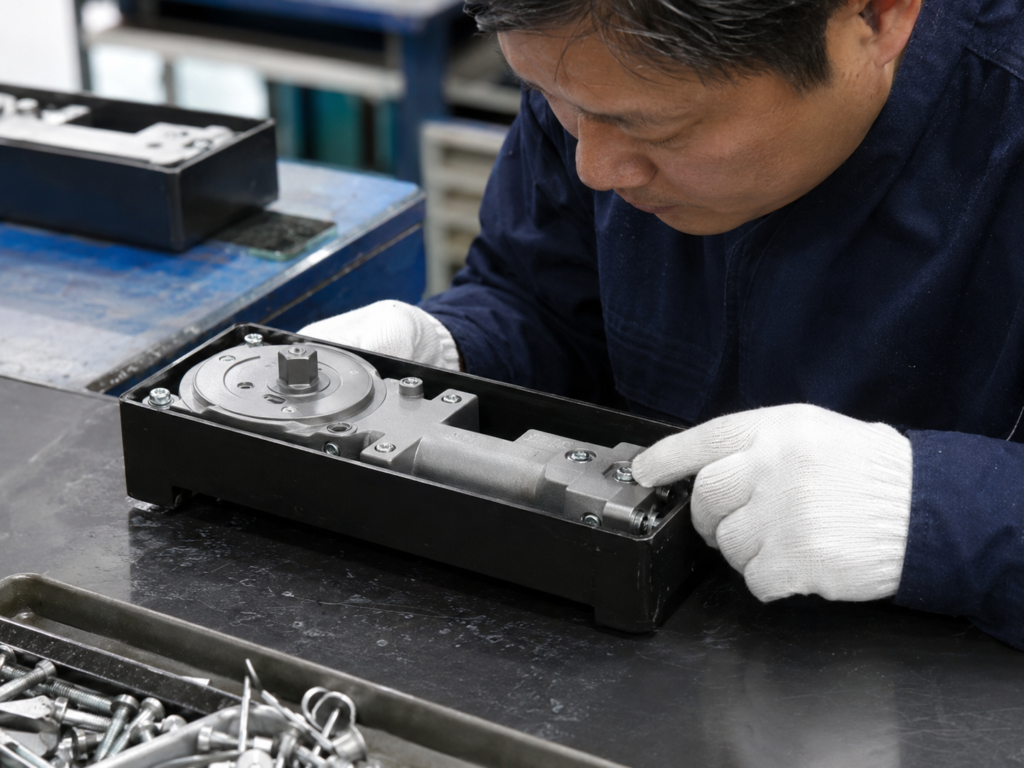
For floor springs, buyers should evaluate both the internal mechanism and the matching glass door hardware.
Important checks include:
- Maximum door weight
- Recommended door width
- Floor spring body structure
- Spindle strength and type
- Cement box size
- Cover plate thickness and finish
- Closing speed valve
- Latching speed valve
- Hold-open angle
- Backcheck function, depending on model
- Return-to-center accuracy
- Oil leakage risk
- Bottom patch compatibility
- Top pivot compatibility
- Installation drawing and cut-out information
A floor spring may pass a cycle test, but it still needs to match the door weight, door width, bottom patch fitting and site condition.
For frameless glass doors, the floor spring should not be evaluated alone. The bottom patch, top pivot and lock position also affect long-term performance.
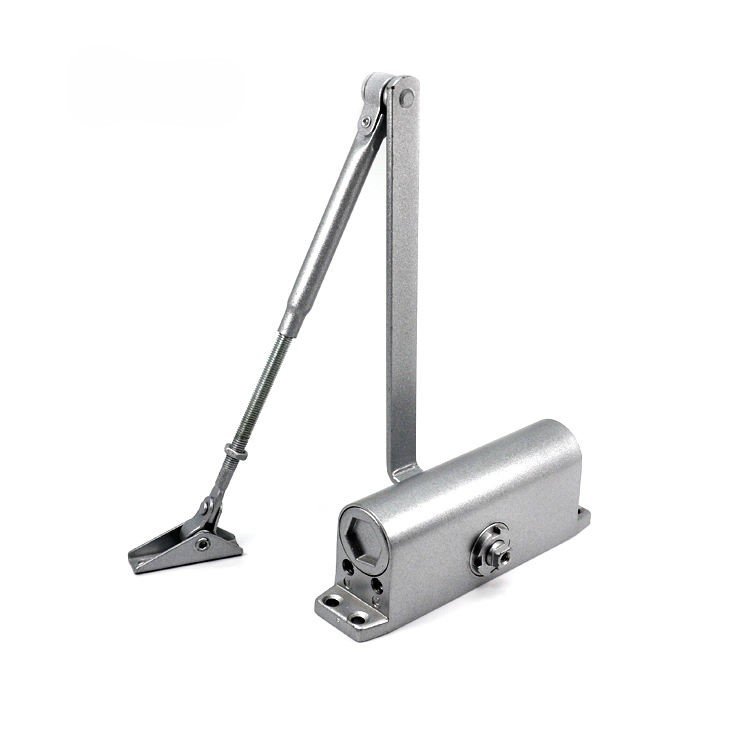
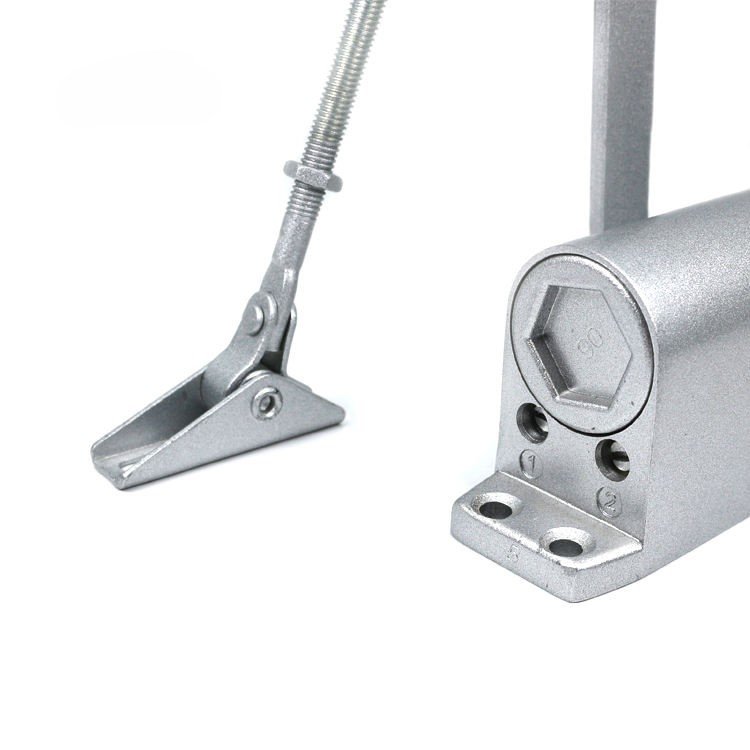
Door Closer Specific Checks
Door closers should be checked differently from floor springs because they are mounted on or inside the door and frame structure.
Important checks include:
- Power size or EN size
- Door width and door weight range
- Arm type
- Mounting method
- Closing speed adjustment
- Latching speed adjustment
- Backcheck, if required
- Delayed action, if required
- Hold-open arm, if allowed by the project
- Opening angle
- Fire door suitability, if applicable
- Surface finish
- Screw pack
- Mounting template
- Instruction manual
- Packaging protection
A door closer with the correct cycle rating but the wrong power size may still fail to close the door properly.
Buyers should also check whether the closer is suitable for the actual door material, such as wooden doors, aluminum doors, steel doors or framed glass doors.
Common Mistakes When Reading Cycle Test Claims
Looking Only at the Cycle Number
500,000 or 1,000,000 cycles means little without knowing the test load, door width, opening angle and test condition.
Treating Test Cycles as Guaranteed Service Life
Laboratory testing is a useful reference, but real project life depends on installation, usage, environment and maintenance.
Checking Load Capacity but Ignoring Fatigue Life
A product may carry the door weight, but repeated use may still cause wear if the door is used in a high-traffic environment.
Ignoring Door Width, Wind and Dynamic Shock
Wide doors, exterior doors and public entrances create additional stress that may not be fully represented by simple load ratings.
Testing One Good Sample Only
One good sample does not always represent a full production batch. Bulk buyers should pay attention to batch consistency.
Ignoring Packaging and Shipping Damage
Heavy door-control products need strong packaging. Poor packaging can create after-sales problems even when the product itself is acceptable.
Choosing the Lowest Price for High-Traffic Projects
Schools, hospitals, shopping malls and hotels may need more durable door-control hardware. A low-cost model may create higher maintenance cost later.
Project Information Required Before Quotation
Before recommending a floor spring or door closer for bulk purchase, please provide:
- Product type: floor spring or door closer
- Door width and height
- Door weight
- Door material
- Indoor or outdoor installation
- Expected traffic level
- Wind or air-pressure condition
- Required opening angle
- Hold-open or non-hold-open requirement
- Backcheck requirement
- Delayed action requirement
- EN size or power size requirement
- Target cycle requirement
- Target market
- Need for test report
- Sample requirement
- Finish requirement
- Quantity
- Logo or OEM packaging requirement
Clear project information helps suppliers recommend the correct model instead of only quoting the lowest price.
How Metech Supports Bulk Buyers
Metech Hardware supplies floor springs, door closers and related door-control hardware for commercial projects and bulk buyers.
We help customers review door width, door weight, usage frequency, project scenario and target market before recommending suitable floor spring or door closer options.
For distributors, contractors and project buyers, sample testing, available test information, surface finishes, logo marking, mixed-product purchasing and export packaging can also be discussed according to order requirements.
Our goal is to help buyers select door-control hardware that matches real project conditions, not only a catalog cycle number.
FAQ
Does a higher cycle test mean the product can hold a heavier door?
No. Cycle testing measures durability under repeated operation, while weight capacity measures load-bearing suitability. Both values should be checked independently.
Does 500,000 cycles mean the product will last 500,000 real openings?
Not exactly. Cycle testing is performed under specific conditions. Real service life depends on door size, installation, usage frequency, environment and maintenance.
Is 1,000,000 cycles always better than 500,000 cycles?
A higher cycle number may indicate a stronger durability target, but it should be compared with test load, door width, opening angle and real project condition.
What is the difference between EN size and cycle rating?
EN size or power size refers to closing force. Cycle rating refers to repeated operation durability under test conditions. They measure different things.
What causes floor springs to leak oil early?
Possible reasons include undersized selection, heavy door load, poor installation, excessive impact, wrong speed adjustment or sealing quality issues.
What should I test on a door closer sample?
Check closing speed, latching speed, backcheck, arm installation, noise, surface finish, screw pack, mounting template and packaging.
Should schools and universities use higher-cycle door hardware?
High-traffic environments usually benefit from more durable door-control hardware, but the final choice should still match door size, usage frequency and budget.
Need Help Evaluating Floor Spring or Door Closer Quality Before Bulk Purchase?
Send us your door size, door weight, usage frequency, project type, target cycle requirement and quantity.
Metech Hardware can help review suitable floor spring and door closer options for your market or project.