Home » Insights » Floor Spring Quality Inspection Guide Before a Bulk Order
Floor Spring Quality Inspection Guide Before a Bulk Order
A floor spring can look perfectly finished and still perform poorly after installation.
For distributors, commercial glass contractors and project buyers, this creates a particularly expensive risk. The floor spring is concealed below the finished floor inside a cement box, so replacing a failed unit can cost far more in labor and disruption than the original hardware itself.
A polished stainless-steel cover plate says very little about the condition of the hydraulic system underneath.
Problems may only become obvious after installation:
oil leakage;
unstable closing speed;
poor return-to-center;
incorrect hold-open function;
difficult valve adjustment;
spindle incompatibility;
cement-box mismatch.
For this reason:
A floor spring should be inspected as a hydraulic and mechanical door-control device—not simply as a metal product.
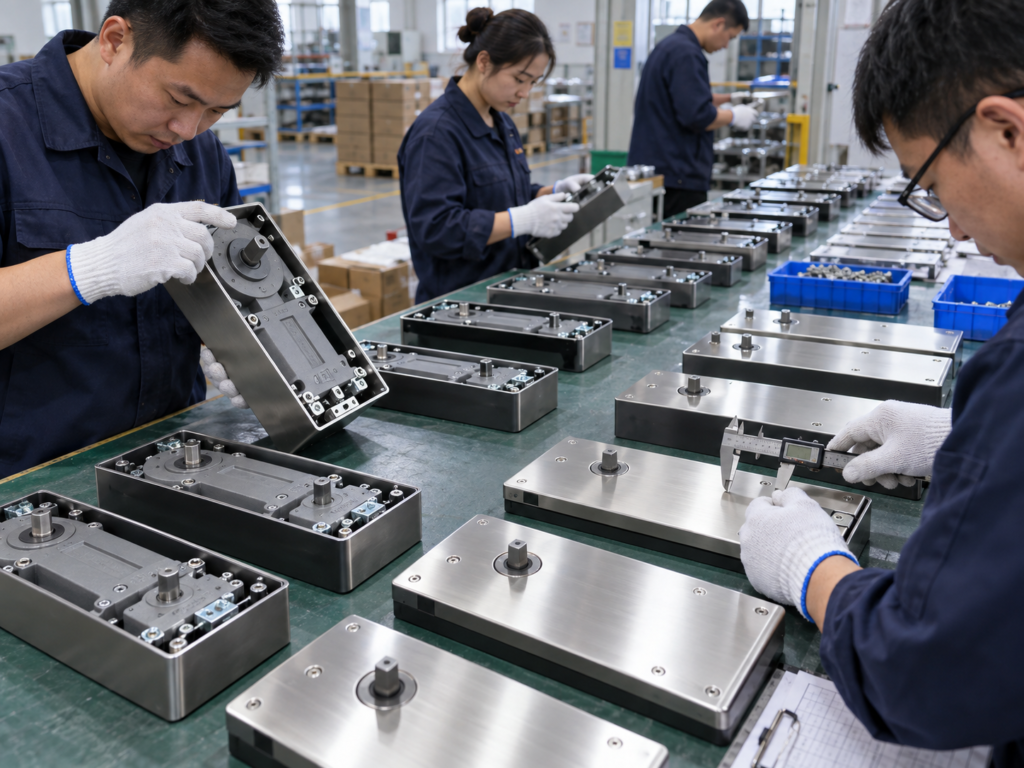
Bulk quality control should combine dimensional inspection, leakage checking, functional testing, compatibility review and packaging control.
1. Define the Approved Specification Before Inspection
The inspector first needs to know exactly what was ordered.
Floor springs with similar external dimensions can have different power ratings, functions and spindle configurations.
Before Pre-Shipment Inspection (PSI), confirm:
Specification
Confirm
Model
Exact approved reference
Closing power
Fixed / adjustable specification
Door application
Intended door size / weight range
Function
Hold-open / non-hold-open
Opening type
Single / double action where applicable
Spindle
Profile and height
Cement box
Approved dimensions
Cover plate
Size and finish
Hydraulic controls
Functions provided by model
Accessories
Complete approved set
The approved drawing, sample, quotation and purchase order should describe the same product.
Without this reference, an inspector can only determine whether a floor spring appears acceptable—not whether it matches the order.
2. Check Body Construction, Dimensions and Cement Box
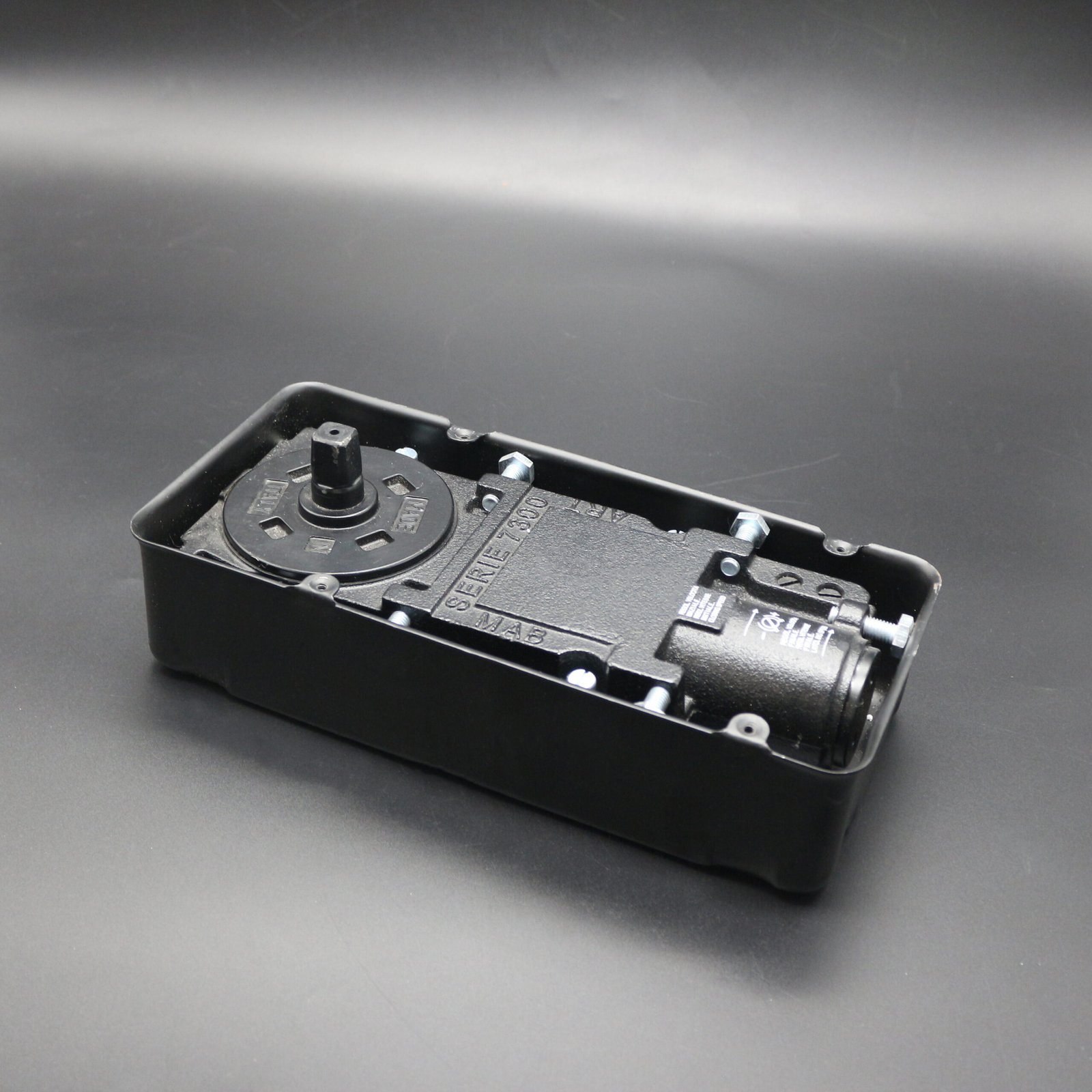
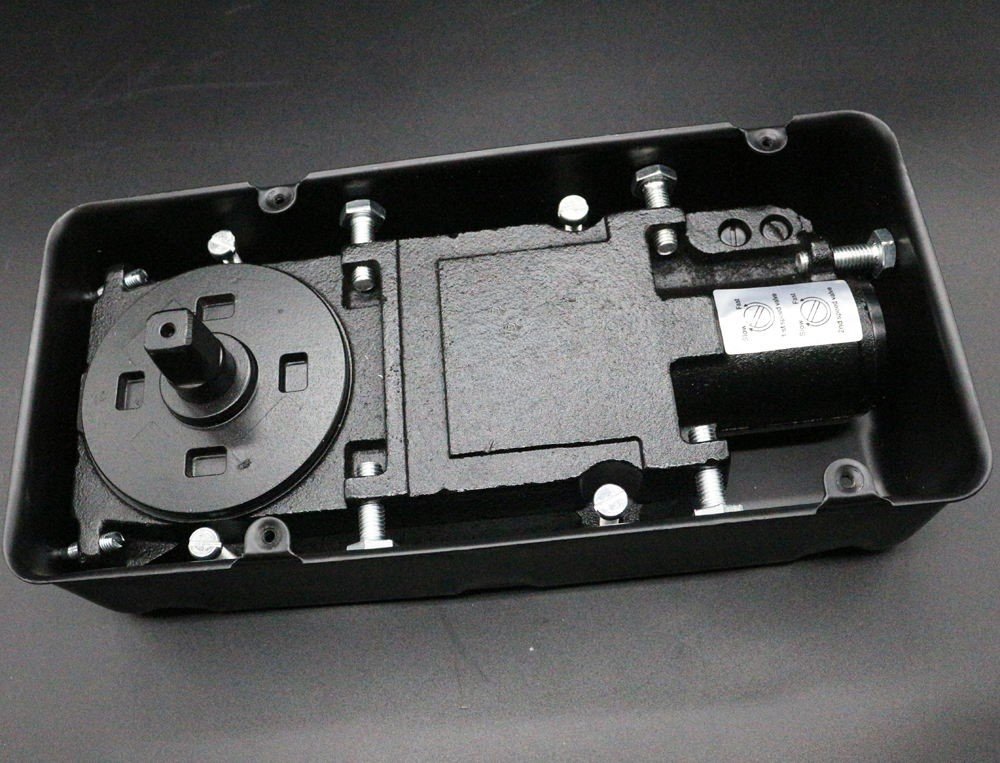
Body construction can be one useful point of comparison between commercial floor spring designs.
Many established commercial models use cast-iron bodies, but the correct inspection principle is still:
Confirm the supplied construction against the approved specification.
Do not rely on weight or tapping sound as a material-identification method.
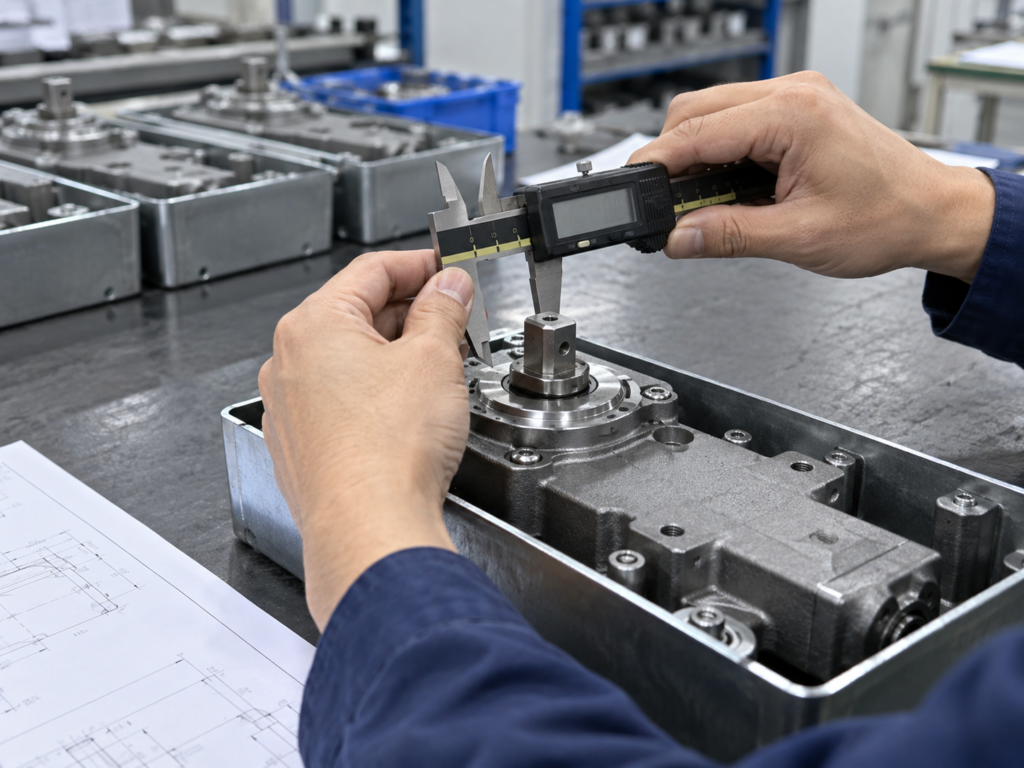
For the batch itself, dimensional inspection is more directly useful.
Depending on the model, check:
body length;
width and height;
cement-box dimensions;
fixing positions;
spindle location;
spindle height;
cover-plate dimensions;
designed adjustment range.
The spindle position is particularly important because it defines the door pivot relationship.
For replacement-oriented markets, cement-box dimensions may also matter because installers often want a replacement unit to fit an existing floor opening.
Production should therefore be compared with the approved drawing or golden sample rather than only a general size description.
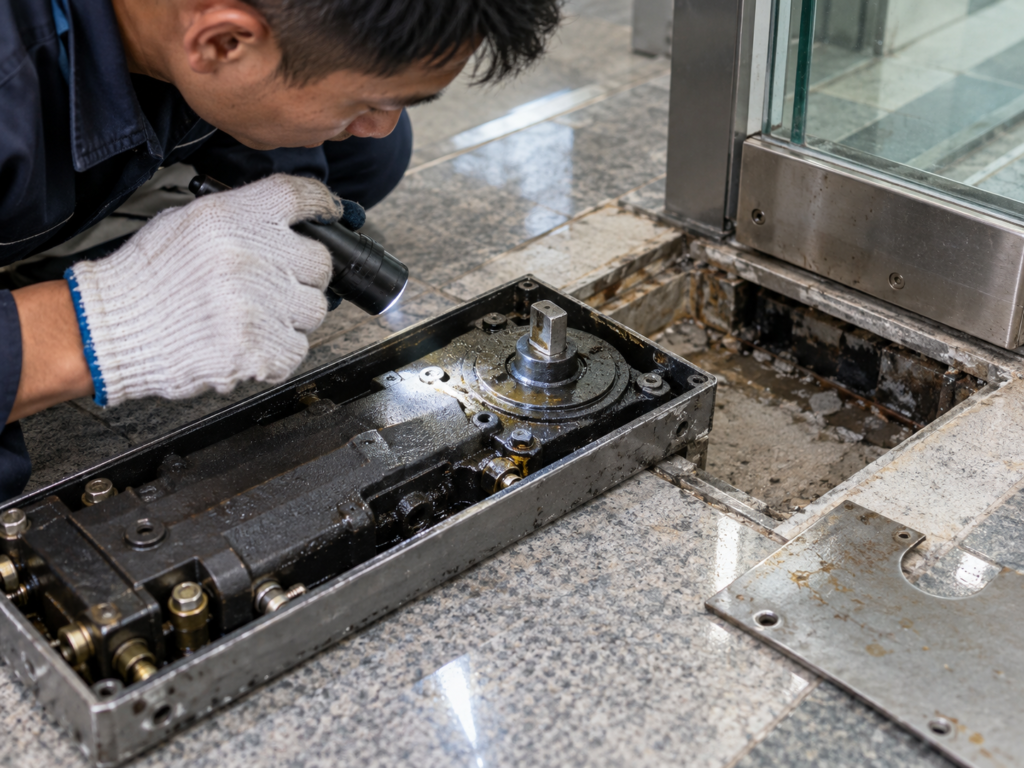
3. Check for Oil Leakage
Hydraulic leakage is one of the clearest warning signs in a floor spring.
Before operating selected samples, inspect:
body joints;
spindle area;
adjustment-valve area;
cement box;
inner wrapping;
carton interior.
Unexplained oil around the hydraulic body or inside the packaging should trigger further inspection.
However, visual inspection alone should not be used to diagnose the exact cause.
Seal quality, machining, assembly and the hydraulic circuit can all influence leakage.
This allows the inspector to see whether oil appears or increases during movement.
4. Test Hydraulic Closing and Final Closing Behaviour
Functional testing is one of the most important differences between floor spring QC and ordinary metal-hardware inspection.
Selected samples should be operated on an appropriate test door or controlled fixture where practical.
Check whether:
closing movement is smooth;
speed adjustment responds correctly;
adjustment changes are progressive;
the door does not suddenly accelerate;
final closing or latching control operates where designed;
performance remains reasonably consistent after repeated operation.
Do not use one universal closing time for every model.
The acceptable behaviour should be based on:
approved model + intended function + controlled test condition
rather than an arbitrary rule such as:
“Every door must close in X seconds.”
5. Test Return-to-Center Consistency
For frameless double-action glass doors, centering performance can directly affect the final appearance and locking system.
During functional testing, review:
return position;
repeatability;
abnormal drift;
excessive free play;
return from both opening directions where applicable.
The door does not need to be described as returning to a theoretical “absolute zero” with no tolerance.
The practical requirement is:
It should return consistently to the approved center position without abnormal drift or excessive mechanical play.
Poor centering can affect:
double-door alignment;
patch locks;
electric locking systems;
glass-panel gaps;
visual alignment at the entrance.
6. Verify Hold-Open, Non-Hold-Open and Other Model Functions
Two floor springs may look nearly identical from the outside while containing different internal mechanisms.
The order may specify:
hold-open;
non-hold-open;
a defined hold-open angle;
backcheck;
adjustable closing power;
separate closing and final-closing control.
Every function should therefore be checked against the exact model specification.
For hold-open models, selected samples should engage and release normally.
For non-hold-open models, the unit should not unexpectedly remain open.
Where backcheck or adjustable power is part of the approved model, those controls should also be verified.
The principle is simple:
Test the functions the product is supposed to have—not functions borrowed from another model.
7. Review Temperature-Stable Hydraulic Performance Where Required
Temperature can affect hydraulic behaviour because fluid viscosity changes as conditions change.
For projects exposed to significant seasonal temperature variation, buyers may want floor springs designed to maintain more consistent closing performance across changing temperatures.
If this is important for the target market, ask the supplier for:
declared operating-temperature information;
technical performance data;
relevant environmental test information where available.
Do not assume that every commercial floor spring has the same temperature range or uses the same hydraulic fluid.
Terms such as “thermostatic oil” should be supported by the actual product specification rather than used as a generic quality label.
For bulk procurement, the important question is:
Does the selected model provide the temperature performance required by the project?
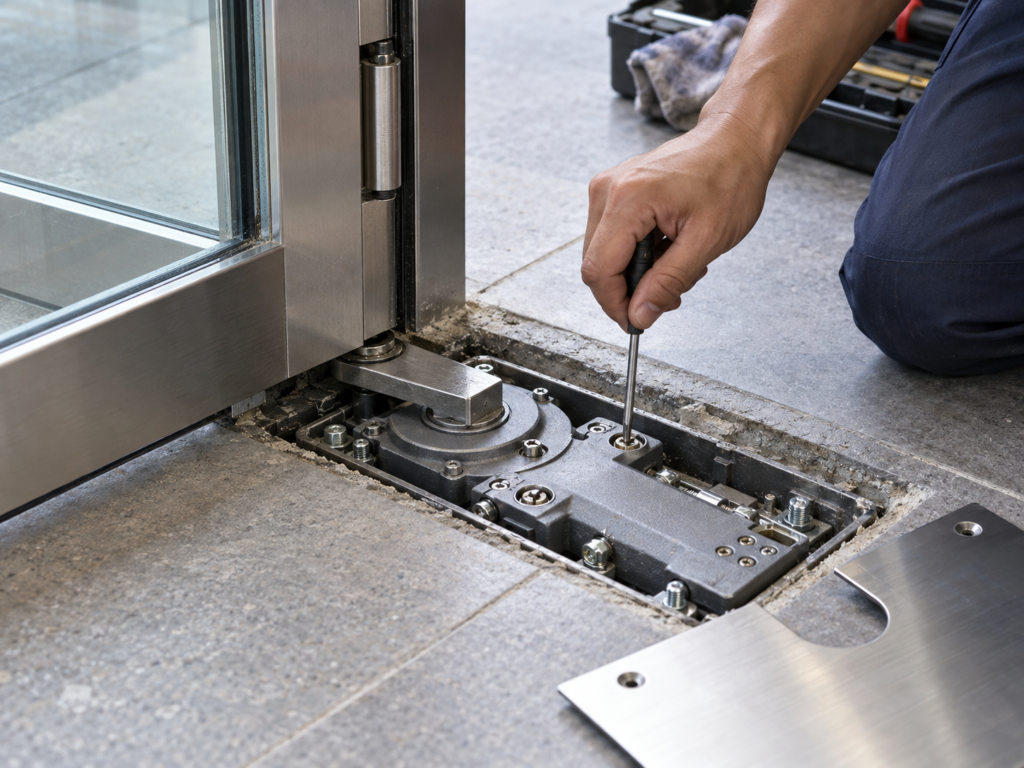
8. Check Cement-Box Adjustment Capability
Installation conditions are rarely perfect.
Many commercial floor springs provide adjustment within the cement box to help installers align the pivot position and finished door.
Depending on the model, this may include adjustment in:
lateral direction;
longitudinal direction;
vertical direction.
The actual range varies by product.
If the approved floor spring is specified with in-box adjustment, check:
adjustment screws are present;
the mechanism moves normally;
adjustment is smooth and controllable;
the floor spring can be secured after adjustment;
no adjustment component is damaged or missing.
Do not apply one universal X/Y/Z adjustment range across different brands and models.
The approved technical drawing should remain the reference.
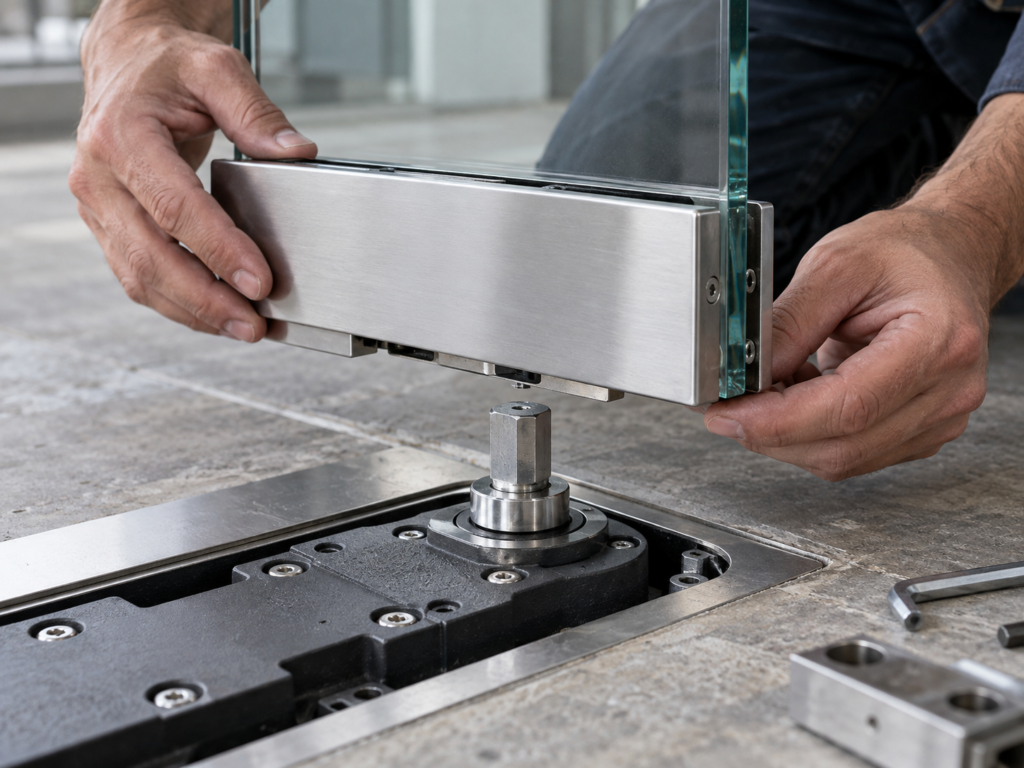
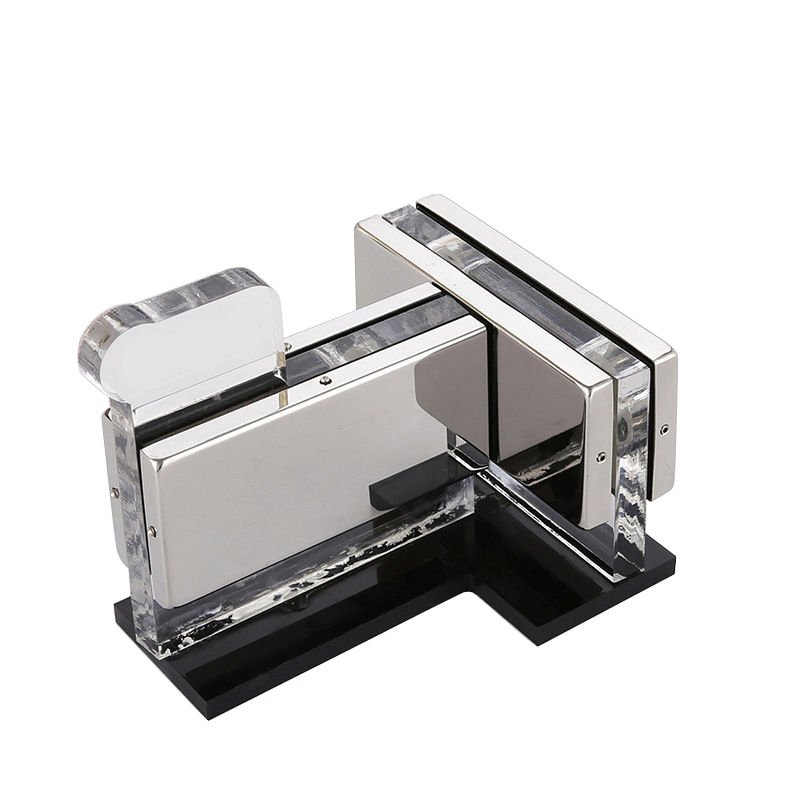
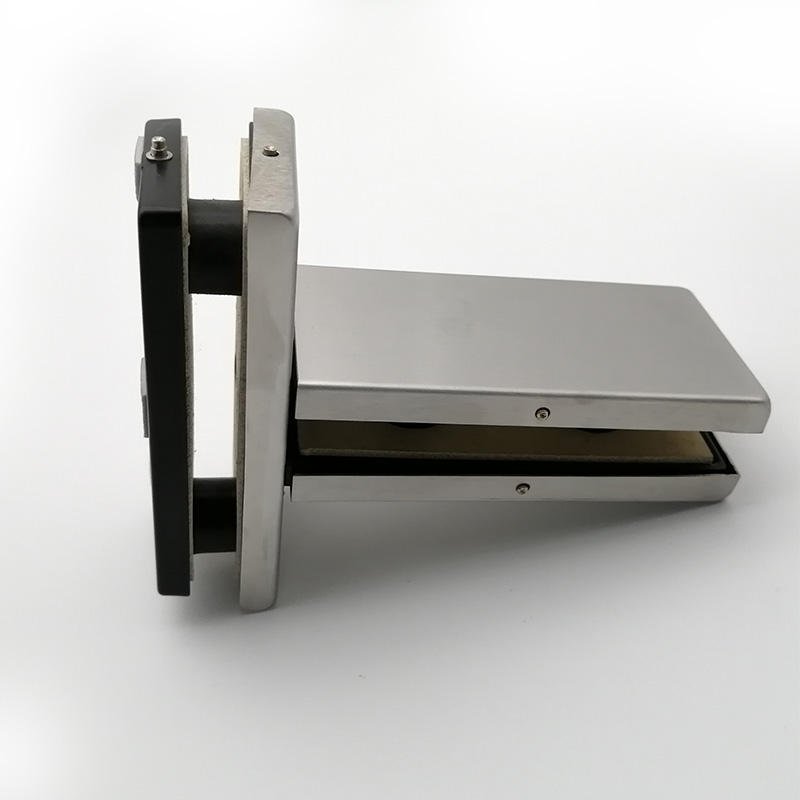
9. Verify Spindle and Bottom Patch Fitting Compatibility
For frameless glass entrances, the floor spring works as part of a pivot system.
Its spindle must match the insert in the bottom patch fitting.
Depending on the system, differences may exist in:
spindle profile;
spindle height;
extension configuration;
bottom-patch insert.
During inspection, confirm:
correct spindle type;
correct height;
machining quality;
absence of visible damage;
compatibility with the intended bottom patch.
This is particularly important when floor springs and patch fittings are sourced from different manufacturers.
A high-quality floor spring is still unusable if its spindle does not match the intended bottom patch fitting.
Where practical, test the two components together before approving bulk production.
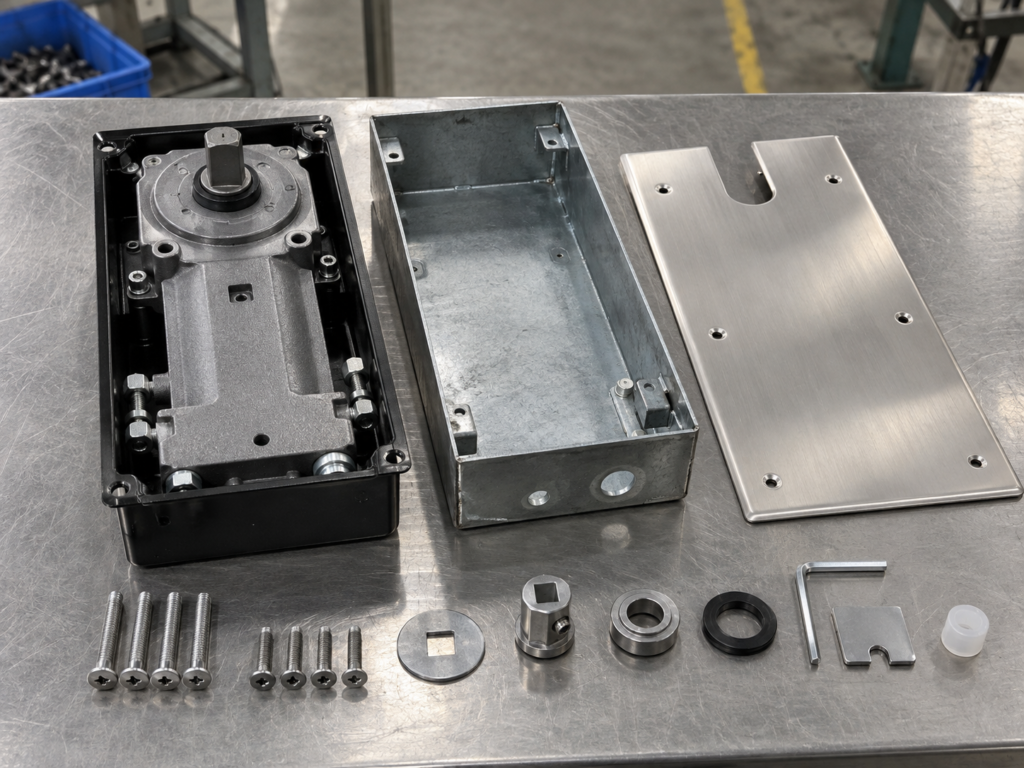
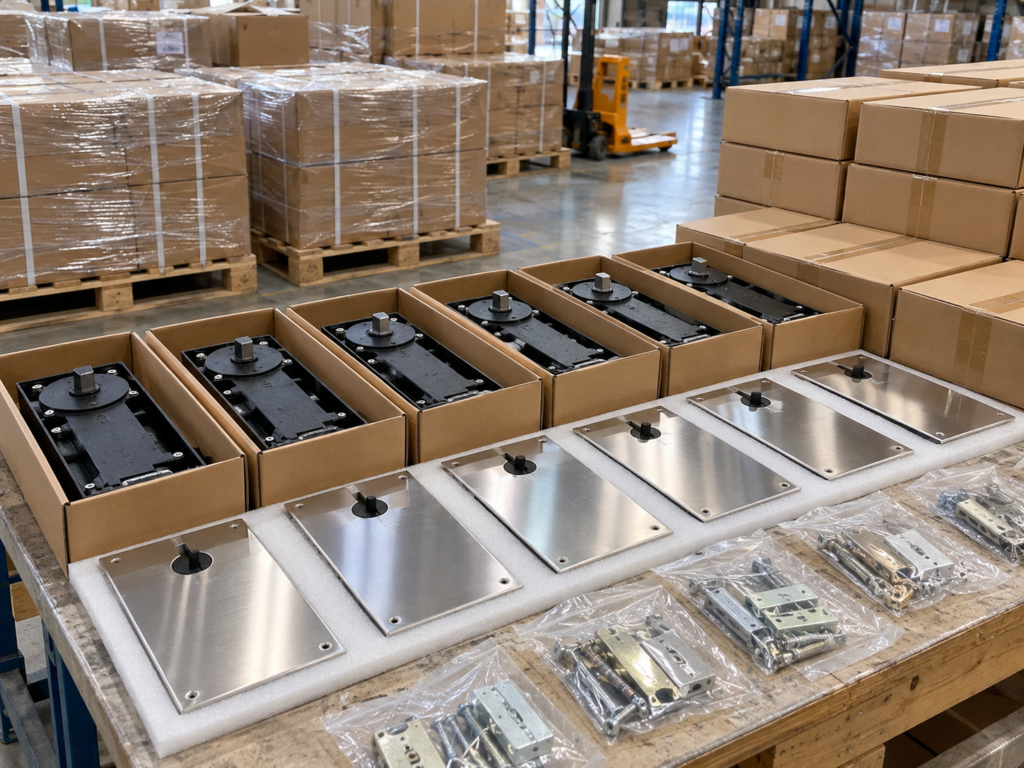
10. Inspect the Cover Plate, Cement Box and Accessories
The hydraulic body is only one part of the complete floor spring set.
The shipment may also include:
cement box;
stainless-steel cover plate;
fixing screws;
spindle accessories;
adjustment components;
installation hardware.
Cement Box
Check:
deformation;
correct dimensions;
fixing points;
body fit;
adjustment mechanism where provided.
Cover Plate
Check:
flatness;
finish;
scratches;
fixing-hole alignment;
fit over the body and box.
A functional floor spring can still generate a customer complaint if the visible cover plate is scratched or poorly fitted.
Accessory completeness should therefore be part of PSI.
11. Perform Controlled Functional Sampling
A bulk shipment does not necessarily require every unit to undergo the same depth of testing.
A practical QC plan may separate inspection into two levels.
Wider Visual and Dimensional Sampling
Used for:
dimensions;
cover finish;
model identification;
cement boxes;
accessories;
packaging.
Smaller Functional Sampling
Used for:
hydraulic closing;
valve response;
return-to-center;
HO / NHO function;
backcheck where provided;
leakage after operation.
The sampling level should depend on:
first order vs repeat order;
quantity;
supplier history;
product complexity;
project risk;
agreed inspection plan.
The important point is that floor spring PSI should include real functional verification, not only visual carton inspection.
12. Review Cycle-Test and Certification Documents Carefully
Cycle-test reports can provide useful evidence about durability claims.
However, the buyer should check more than the headline cycle number.
Review whether the document identifies:
the actual model;
applicable power size;
testing standard or procedure;
test configuration;
claimed performance.
Depending on the target market or project, documentation may reference recognized door-closer standards such as EN 1154 or ANSI/BHMA A156.4.
But a previous test report does not automatically prove that the current bulk batch is correct.
The two processes serve different purposes:
Cycle testing: durability under defined test conditions.
Current-batch QC: whether the products being shipped match the approved specification and function normally.
Both can be useful.
Neither completely replaces the other.
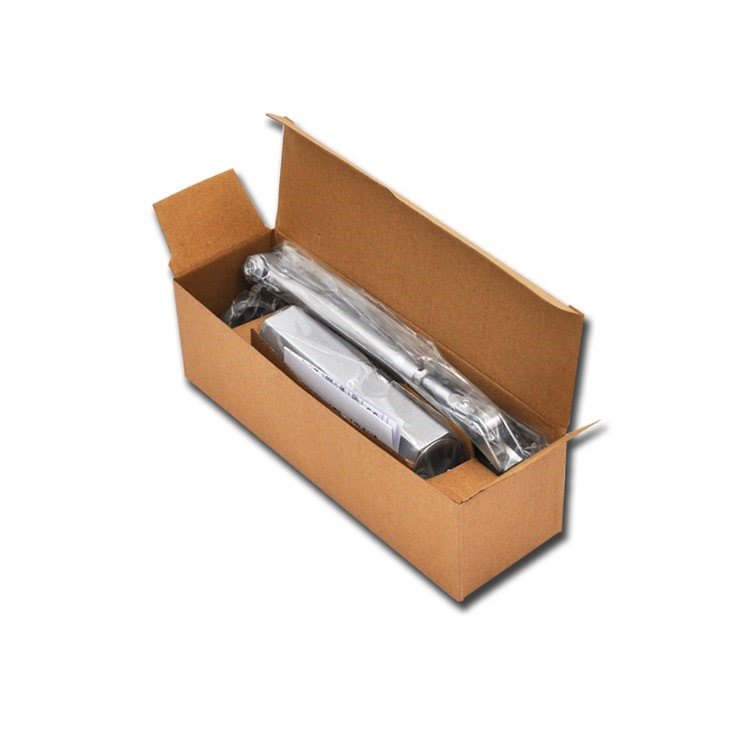
13. Packaging Is Part of Floor Spring QC
Floor springs are heavy precision products containing hydraulic mechanisms and visible decorative components.
Packaging should protect:
hydraulic body;
spindle;
cover plate;
cement box;
accessories.
Check:
individual inner packaging;
separation of metal parts;
protection against scratches;
correct accessory bags;
model identification;
HO / NHO identification where required;
carton strength;
mixed-model separation;
pallet protection where applicable.
Clear identification becomes especially important when one shipment contains several power ratings, functions or finishes.
Floor Spring Pre-Shipment QC Checklist
Item
Check Before Shipment
Model
Matches approved reference
Function
HO / NHO correct
Power specification
Correct model / setting
Body dimensions
Match approved drawing
Cement box
Correct dimensions and fit
In-box adjustment
Functions where specified
Spindle
Correct profile and height
Oil leakage
No unexplained leakage
Closing control
Smooth and adjustable
Final closing
Functions where designed
Return-to-center
Consistent
Backcheck
Works where specified
Cover plate
Correct fit and finish
Patch compatibility
Confirmed
Accessories
Complete
Test documents
Match relevant model
Packaging
Protected and identified
Common Floor Spring Inspection Mistakes
Checking Only the Cover Plate
A clean stainless-steel plate does not prove hydraulic quality.
Testing Only One Closing Cycle
Repeated operation gives a better view of functional consistency.
Ignoring HO vs NHO
External appearance may be almost identical.
Checking Body Size but Ignoring Spindle Position
Compatibility problems may only appear during installation.
Assuming Body Material Guarantees Hydraulic Reliability
Seals, machining, assembly and hydraulic design also matter.
Relying Only on a Cycle-Test Report
A historical report does not replace current-batch inspection.
Ignoring Cement Boxes and Accessories
An incomplete set can delay the entire installation.
How Metech Supports Floor Spring Quality Control
Metech Hardware works with selected production partners to support distributors, glass door contractors, importers and project buyers.
Depending on the order requirements, we can help coordinate:
model and specification comparison;
sample confirmation;
body and dimensional checks;
cement-box comparison;
adjustment-function review;
spindle verification;
HO / NHO confirmation;
selected functional testing;
leakage inspection;
cycle-test documentation where available;
floor spring and patch fitting compatibility;
OEM logo and packaging requirements;
pre-shipment quality checks.
The objective is not simply to confirm that the floor spring looks acceptable.
It is to reduce the risk that the product reaches site with the correct appearance but the wrong function, interface or hydraulic behaviour.
FAQ
Can Floor Spring Quality Be Judged by Weight?
No. Weight may be useful as a secondary consistency reference within one known model, but it does not prove material grade, hydraulic quality or durability.
Should I Order Samples Before Bulk Production?
For a new model or supplier, sample evaluation is strongly recommended. Where practical, retain an approved sample as the reference for bulk production.
Should Every Floor Spring Be Function-Tested?
Not necessarily. The required sampling level depends on the order risk and agreed QC plan, but functional sampling is especially important for hydraulic door hardware.
How Can Oil Leakage Be Checked?
Inspect the body, spindle area, adjustment valves and packaging before testing, then inspect the selected samples again after repeated functional operation.
Does EN 1154 or Another Test Report Mean the Current Batch Is Automatically Good?
No. Certification or cycle-test documentation supports product performance claims, while current-batch QC checks the actual goods being shipped.
Should the Bottom Patch Fitting Be Checked Together With the Floor Spring?
Yes. For frameless glass doors, spindle profile, spindle height and bottom patch insert compatibility should be confirmed together.
Preparing a Bulk Floor Spring Order?
Send us your target floor spring model, door size, approximate door weight, spindle requirement, hold-open function, quantity and related patch fitting information.
Metech Hardware can help coordinate samples, specifications and pre-shipment quality checks before bulk ordering.