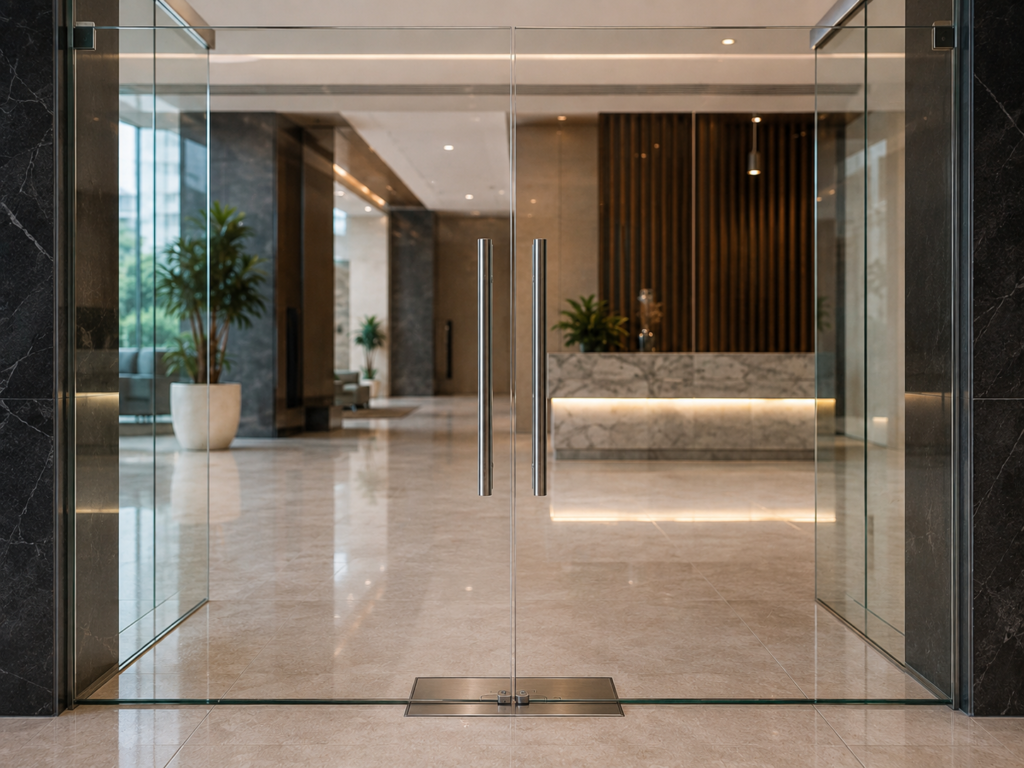
In a busy commercial facility, such as a hotel lobby, retail storefront, office entrance or shopping mall, frameless glass doors operate every day under constant traffic.
Over time, the concealed floor spring carries thousands of opening cycles, repeated user impact, door weight, wind pressure, floor moisture and cleaning water. Eventually, the symptoms of mechanical fatigue may appear.
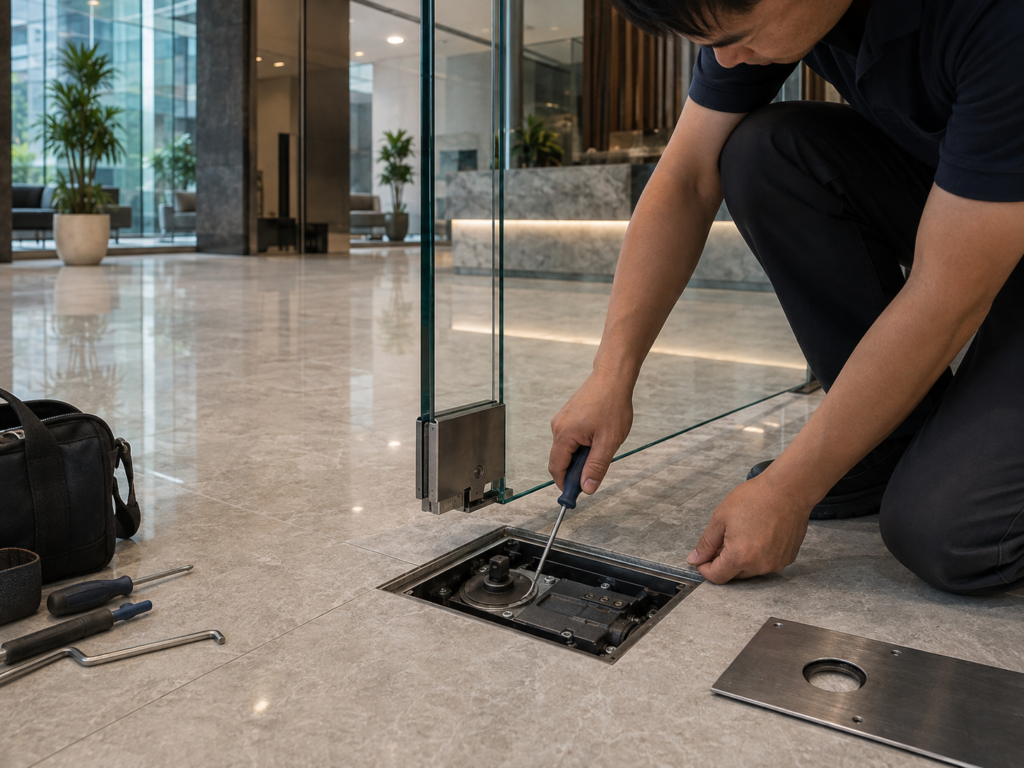
Dark hydraulic oil may leak from beneath the stainless steel cover plate. The door may slam. It may fail to return to the 0° closed position. The glass panel may drop and scrape the floor. The lock may no longer align with the floor socket.
When this happens, the floor spring may need to be replaced.
However, in an existing commercial entrance, floor spring replacement is not a blank-canvas installation. The finished floor may be marble, granite, tile, terrazzo or timber. The glass is already tempered and cannot be modified. The old cement box is already fixed into the concrete slab.
For facility managers, maintenance contractors and glass door installers, floor spring replacement is a strict exercise in dimensional matching.
The goal is often to complete a drop-in replacement: replacing or upgrading the floor spring without unnecessary damage to the existing floor or glass door system.
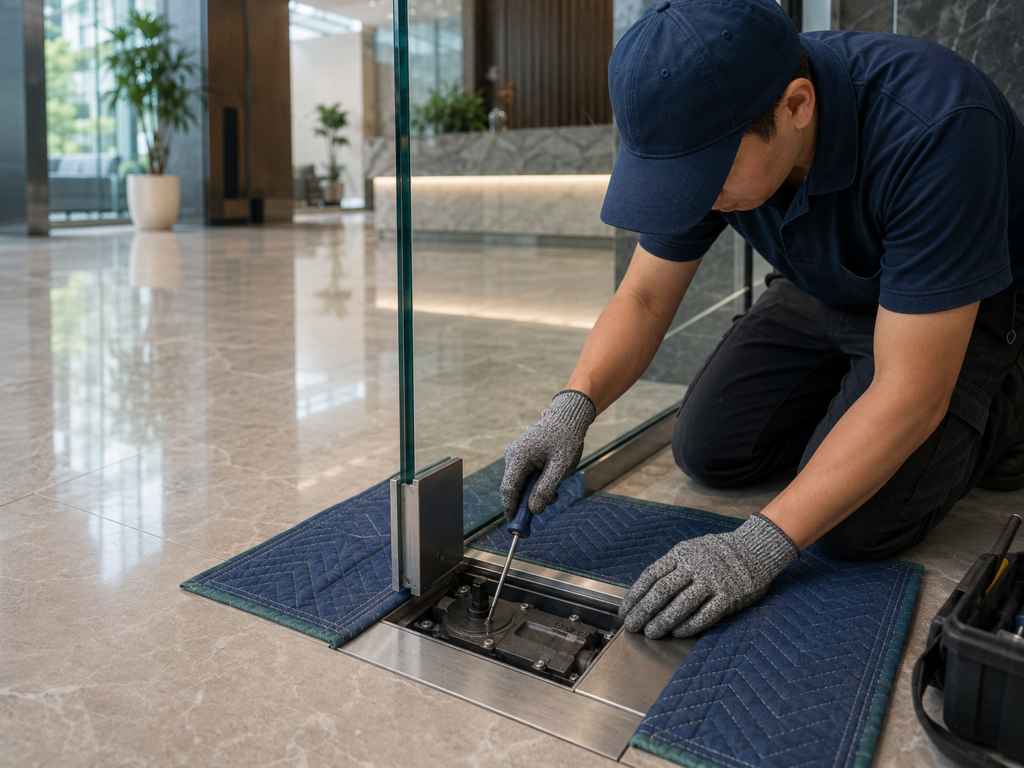
1. Why Existing Glass Door Entrances Need Drop-In Replacement
A failed floor spring affects the entire glass door entrance, not only the closing speed.
When the floor spring loses hydraulic control, the door may close too fast or slam. When the internal cam or spindle connection wears out, the door may no longer return to center. When the bottom patch fitting or spindle insert has play, the door may wobble, click or stop slightly off position.
In hotel lobbies, this affects the guest experience.
In retail storefronts, it affects daily opening, closing and locking.
In office buildings, it affects entrance alignment, traffic flow and long-term maintenance.
The challenge is that many commercial entrances were installed years earlier. The original floor spring model may no longer be available. The old cement box may be a different size from current models. The bottom patch insert may be worn. The existing glass door may be heavy, wide or used more frequently than originally expected.
A direct like-for-like replacement may be convenient, but it is not always the best solution. If the old unit failed early, the replacement should be checked against the real door weight, door width, traffic frequency and site condition.
A successful replacement should match the old installation space while improving compatibility with the current entrance requirement.
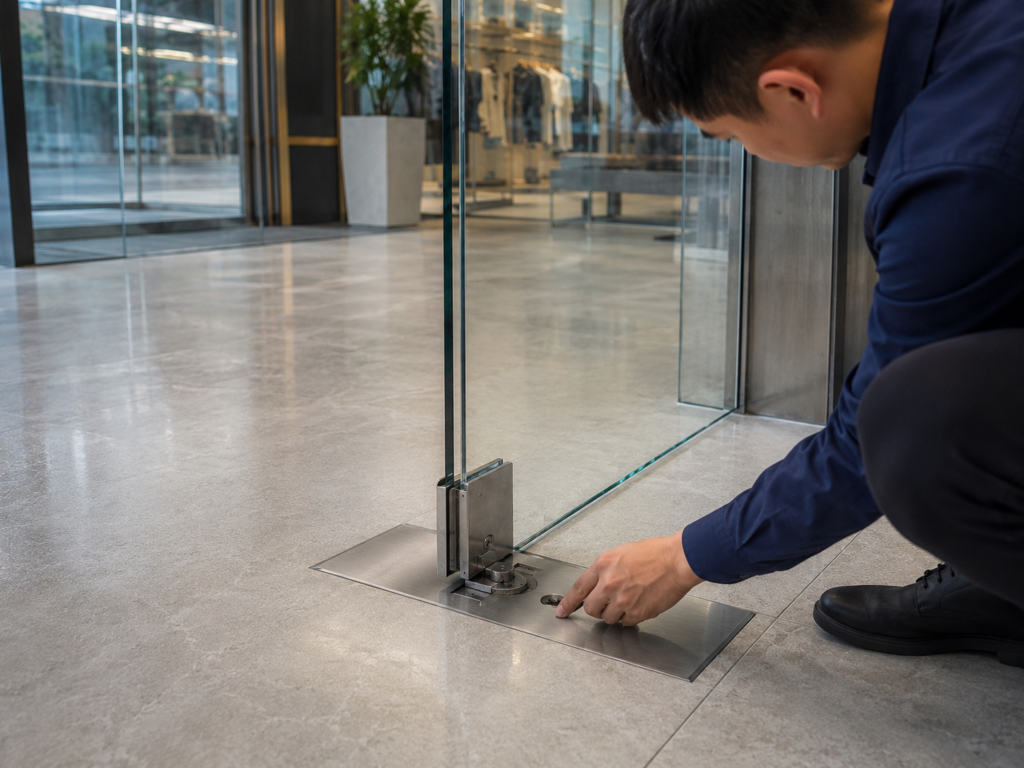
2. Common Replacement Scenarios: Hotels, Storefronts and Office Entrances
Hotel lobby glass entrances often use large frameless glass doors with premium floor finishes. Replacement work should reduce disruption, protect stone or marble flooring and keep the door movement smooth and quiet.
Retail storefront glass doors are opened frequently during business hours. A leaking or poorly centering floor spring can make the entrance look poorly maintained. If the door does not return to center, the bottom lock, patch lock or floor socket may not align properly at closing time.
Office building entrances usually require stable long-term operation. Double glass doors must meet correctly at the center line. If one leaf stops slightly off center, the meeting gap and lock position may be affected.
Shopping malls, clinics, showrooms and commercial interiors may also use floor springs for frameless glass doors. In these projects, the replacement should consider door size, traffic frequency, floor finish and available installation time.
In all these cases, the replacement project should start from the existing door system, not only the old cover plate.
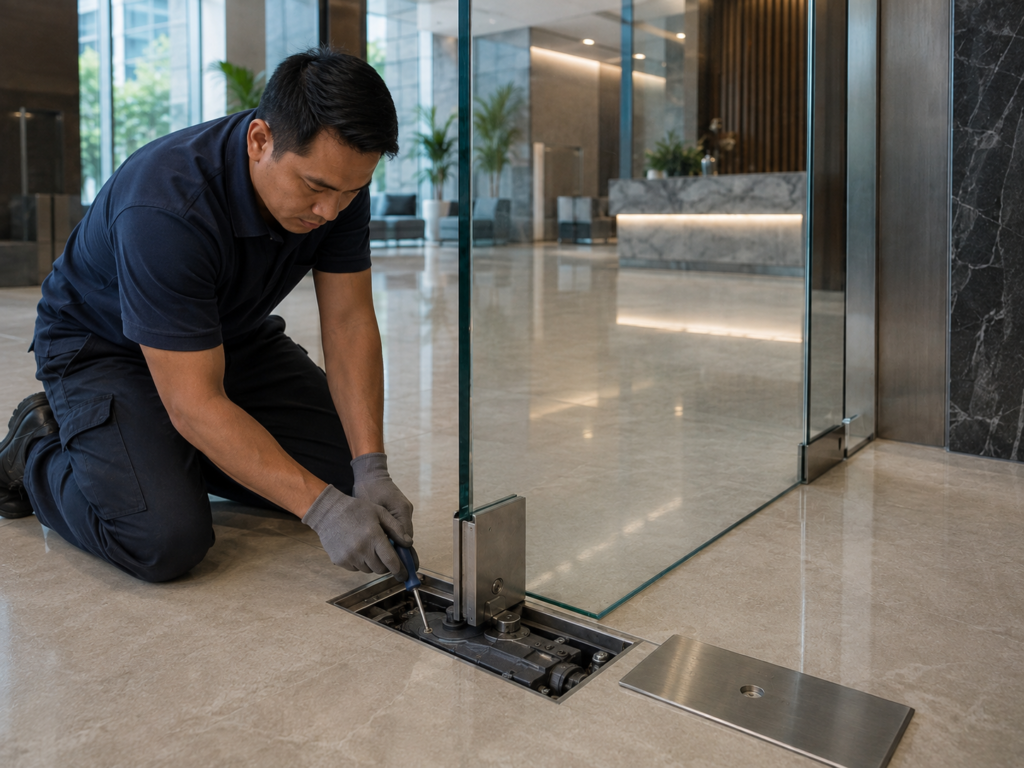
3. Matching the Cement Box Size Before Floor Excavation
The most important question in many replacement projects is simple:
Can the new floor spring fit the old cement box?
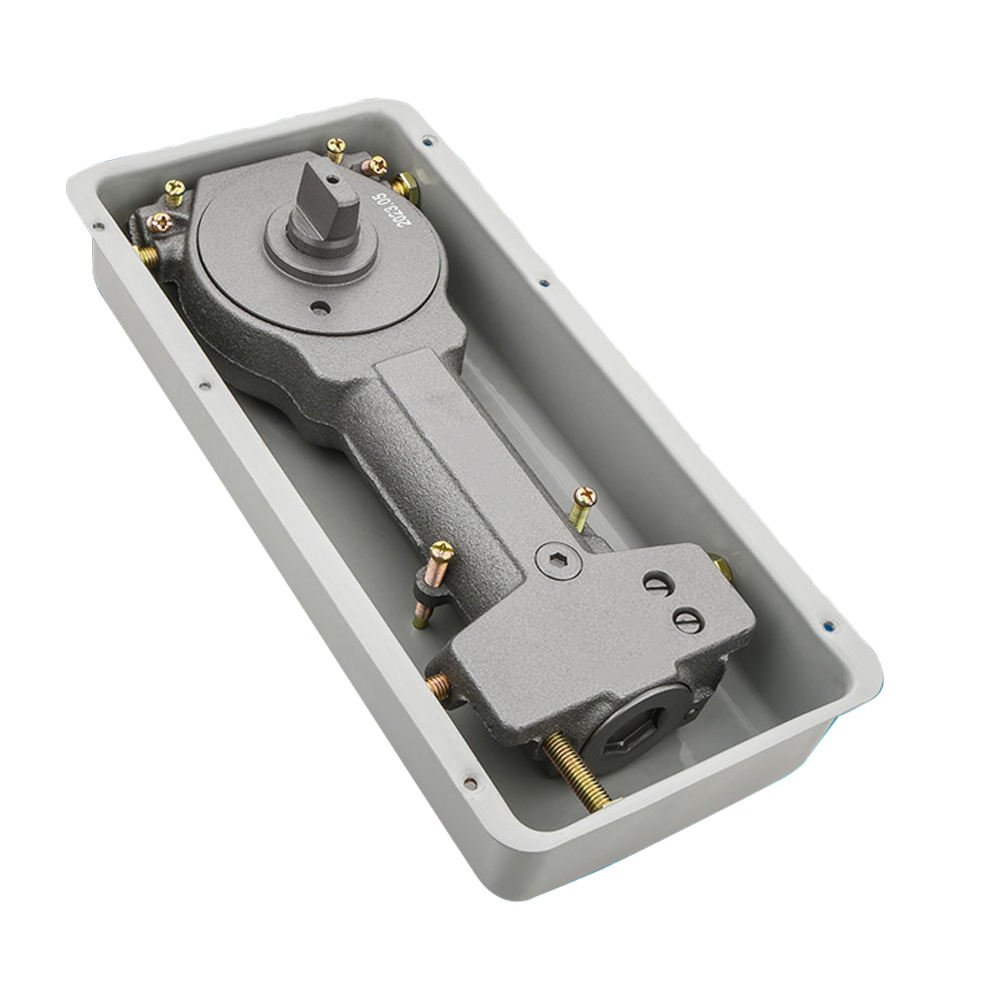
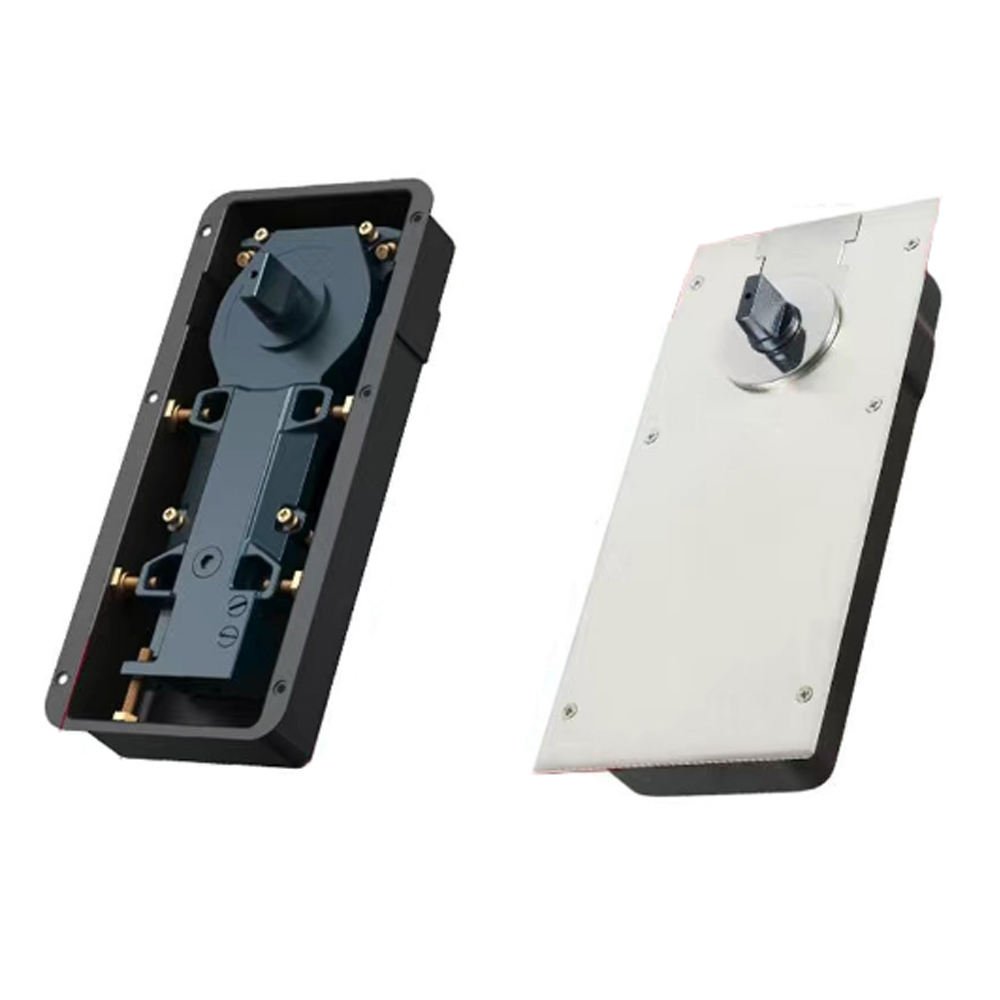
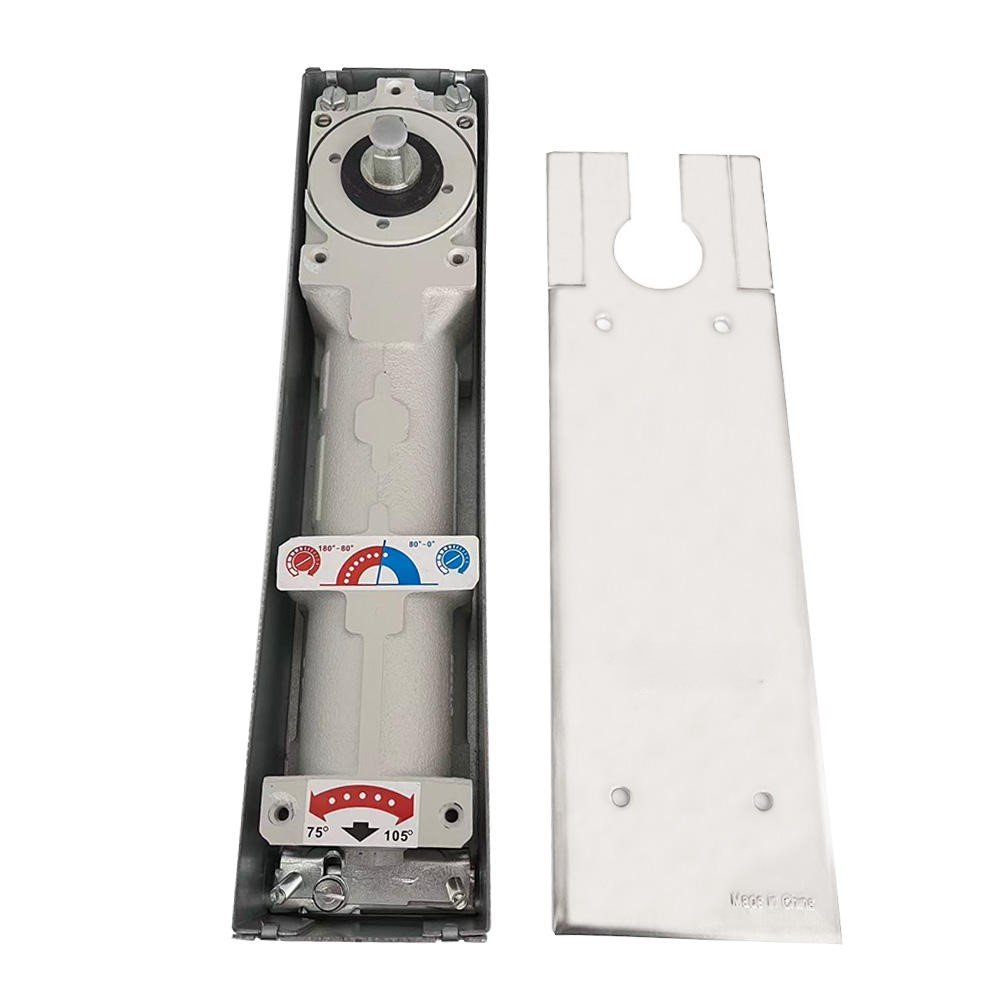
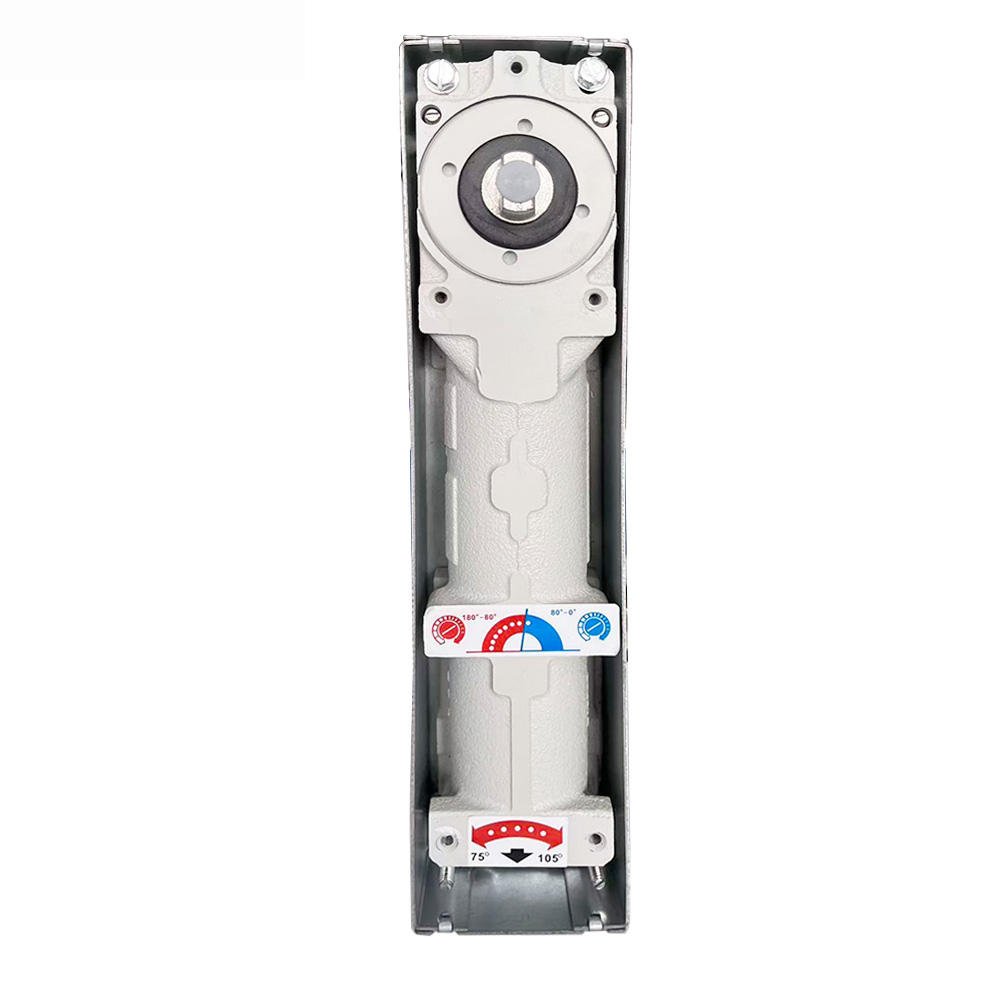
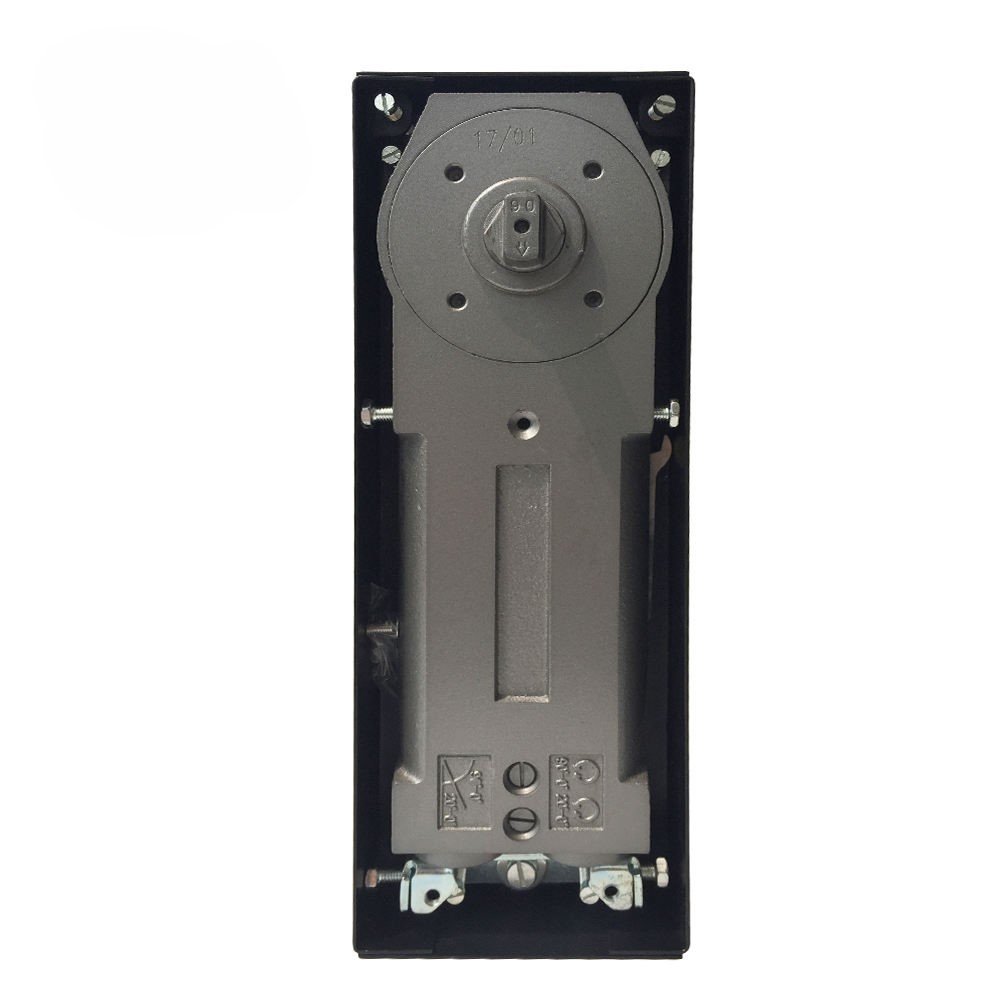
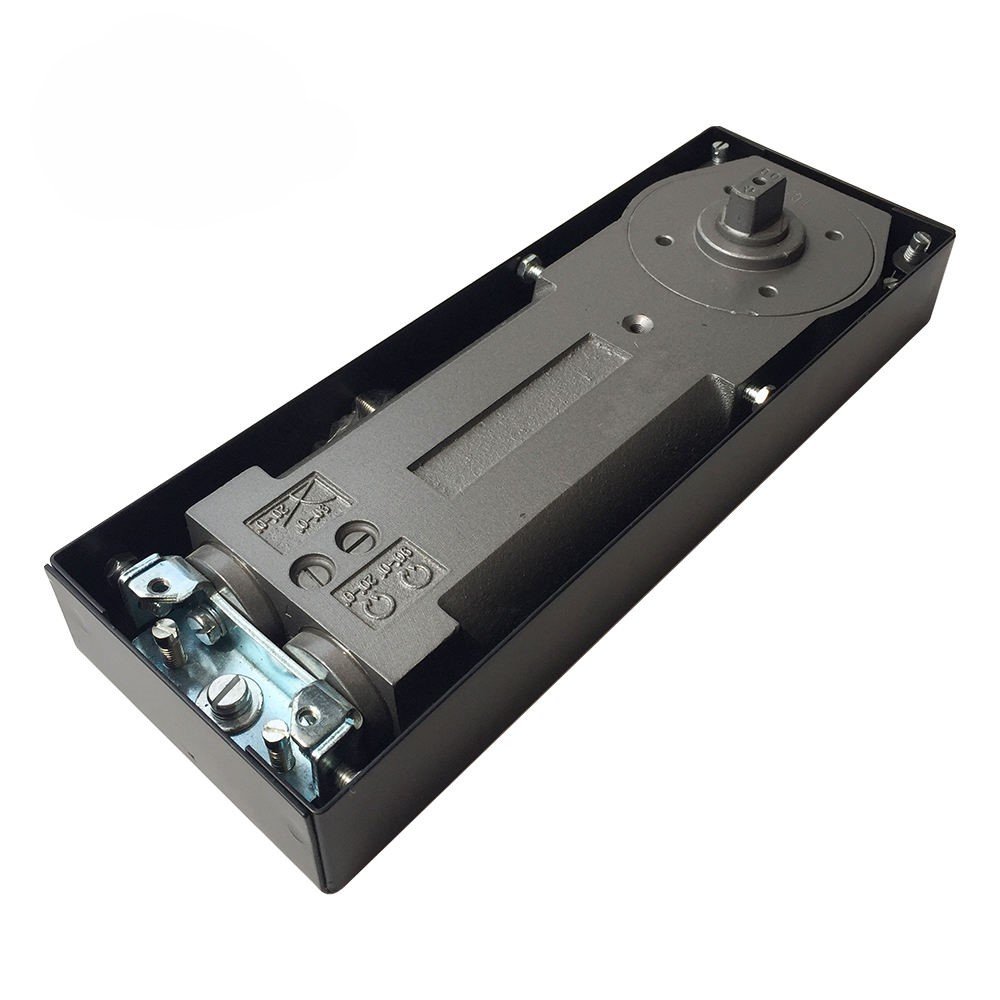
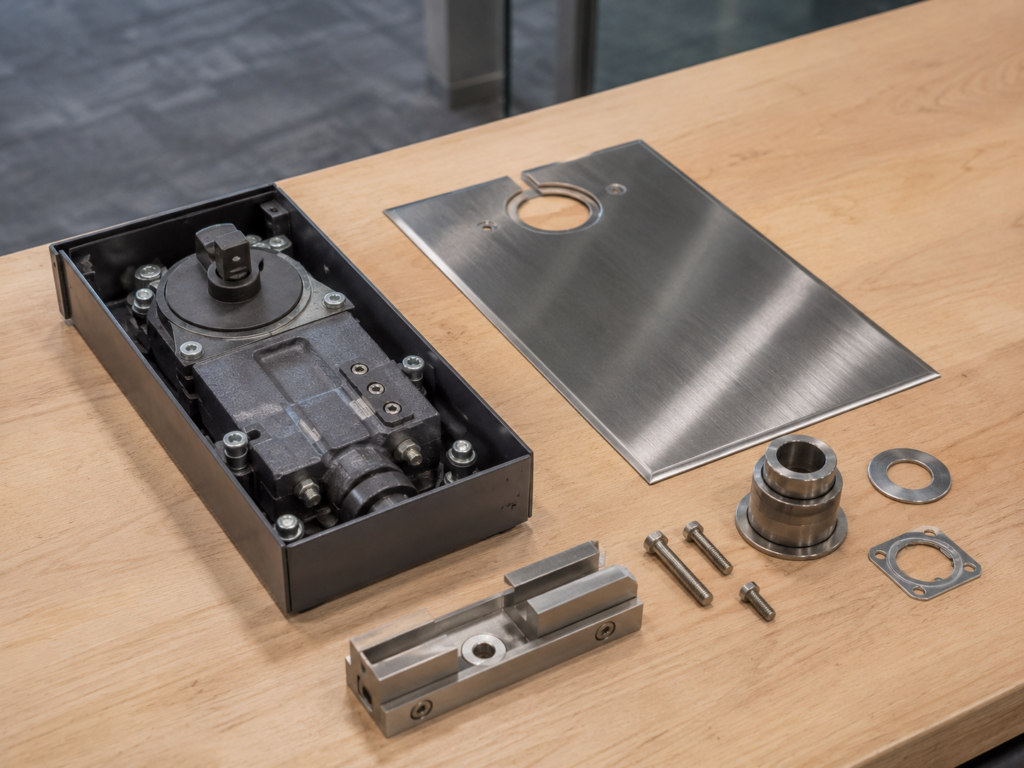
A traditional floor spring is installed inside a metal cement box. This box is grouted into the floor during the original installation. The hydraulic floor spring body sits inside the box, and the stainless steel cover plate finishes the top surface.
If the hydraulic unit fails, the fastest and least disruptive strategy is often to remove the old unit and install a new one into the existing box.
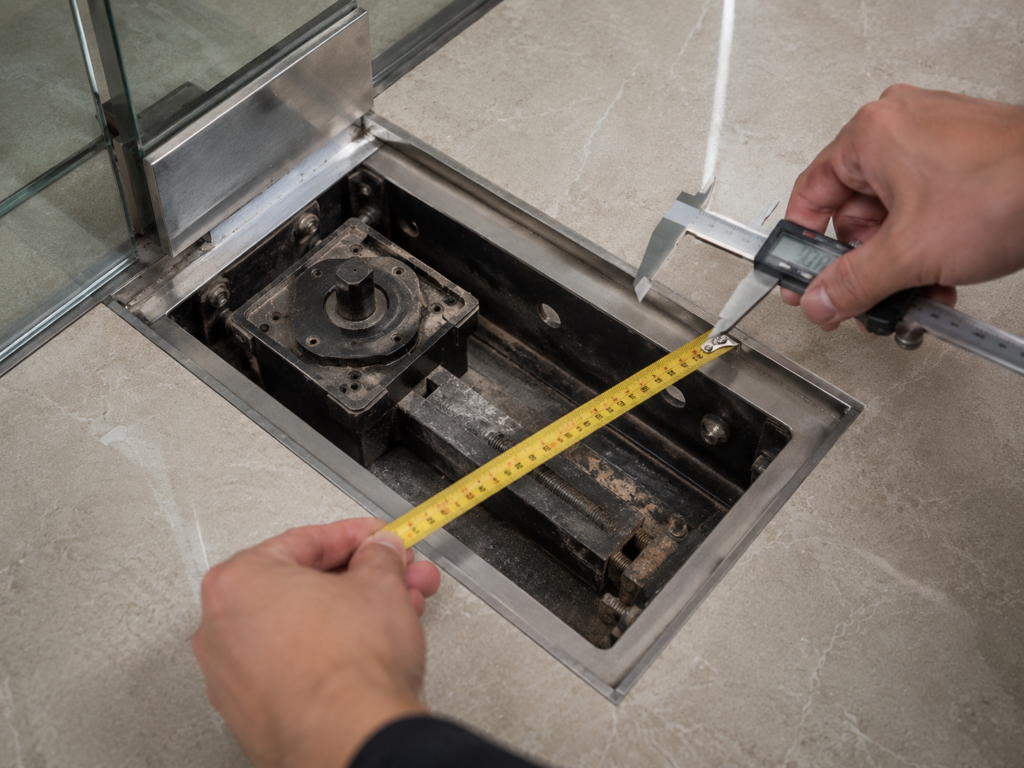
To check whether this is possible, contractors should measure:
- internal cement box length;
- internal cement box width;
- cement box depth;
- cover plate size;
- screw hole position;
- spindle position;
- existing body height;
- finished floor thickness;
- corrosion or damage inside the box.
Many floor springs follow common dimensional footprints, but compatibility must still be confirmed by actual measurement. A new unit may fit the old box and reduce the need for floor cutting, depending on the box size and condition.
If the old cement box is too small, too shallow, badly rusted or positioned incorrectly, floor modification may still be required. If the new cover plate is too small, it may not cover the old floor opening cleanly.
The visible cover plate alone is not enough to confirm replacement compatibility. Clear photos and measurements of the inside box are much more useful.
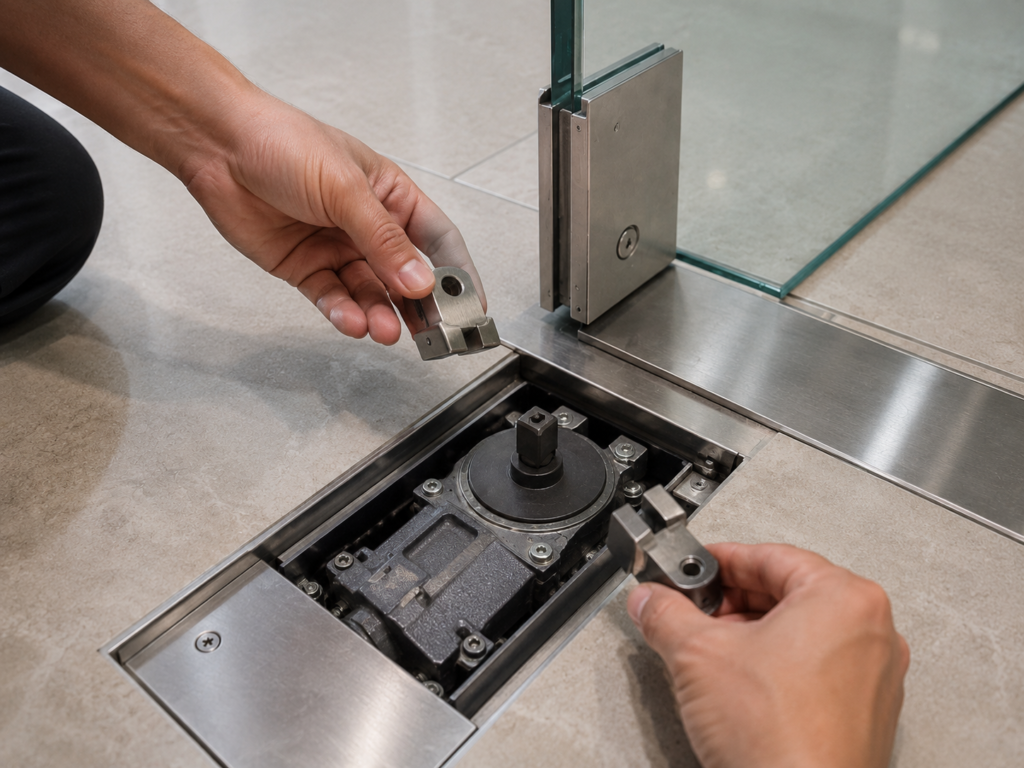
4. Spindle Profile and Bottom Patch Insert Compatibility
Finding a floor spring that fits the floor box is only the first step.
The new floor spring must also connect correctly to the existing glass door through the bottom patch fitting.
The spindle is the protruding metal shaft of the floor spring. It transfers door movement into the bottom patch fitting. Different floor springs may use different spindle profiles, such as:
- flat-tapered spindle;
- square spindle;
- splined or star-shaped spindle;
- supplier-specific spindle profiles.
The bottom patch fitting contains an internal insert that must match the spindle shape.
If the replacement floor spring has a flat-tapered spindle but the existing bottom patch insert is square, the door cannot connect correctly. If the insert is worn, the door may install onto the spindle but still feel loose.
A common post-replacement problem is poor return-to-center. The contractor installs a new floor spring, but the door still stops 3° or 4° off center. In many cases, the problem is not the new floor spring. It may be the old bottom patch insert, which has developed internal play after years of use.
For commercial replacement projects, the bottom patch insert should always be inspected. It is often worth replacing the insert together with the floor spring, especially when the old door has clicking noise, wobbling movement or poor zero-point alignment.
The floor spring and bottom patch fitting should be treated as one pivot connection.
5. Upgrading Load Capacity Without Changing the Floor Box
Floor spring replacement is also the right time to ask why the original unit failed.
If the old floor spring leaked oil after a short service period, slammed repeatedly or failed on a high-traffic entrance, it may have been under-specified for the actual door condition.
The replacement should be checked against door weight, door width, wind exposure and traffic frequency.
A practical glass weight formula is:
Glass weight = 2.5kg per square meter per 1mm glass thickness
For example:
12mm glass weighs about 30kg/m².
A glass door measuring 1.0m × 2.4m × 12mm weighs approximately:
1.0 × 2.4 × 30 = 72kg
A larger door measuring 1.2m × 2.8m × 12mm weighs approximately:
1.2 × 2.8 × 30 = 100.8kg
Door width is also important because a wider door creates more leverage on the spindle and internal mechanism. Traffic frequency, exterior wind, pull handle size and user behavior also affect the working load.
In some replacement projects, a failing 100kg-rated floor spring may be upgraded to a 150kg or 300kg series while still using a similar cement box footprint, depending on the product model and box size. This can provide a better working margin and may reduce early failure risk in demanding entrances.
The goal is not simply to install the strongest model available. The goal is to select a floor spring that fits the existing box while matching the real door load and project condition.
6. Correcting Door Scraping and Return-to-Center Problems
When a glass door scrapes the floor, the cause may not be the floor spring alone.
The glass may have slipped downward inside the bottom patch fitting. The bottom patch gaskets may have compressed. The top pivot may be misaligned. The floor level may have changed during renovation. The old floor spring bearing or spindle connection may also be worn.
During replacement, installers should check the adjustment range of the new floor spring.
Some quality floor springs allow small position adjustments inside the cement box. Depending on the model, this may include:
- vertical adjustment around 2mm to 4mm;
- lateral or longitudinal adjustment around 3mm.
These micro-adjustments can help lift the glass slightly, align the door gap, and correct minor site tolerances in older buildings.
However, adjustment has limits. If the glass has dropped significantly inside the bottom patch fitting, the installer should reposition the glass and inspect the bottom patch clamp. If the door is off axis, the top pivot and bottom spindle alignment should be checked.
A good replacement should restore smooth movement, correct bottom clearance and stable return-to-center.
7. Lock Alignment, Hold-Open Function and Final Testing
Floor spring replacement should always be checked together with the locking hardware.
A glass door that cannot return to the 0° closed position may not lock correctly. Even if the door appears almost closed, a 3° to 5° offset can affect:
- bottom patch lock alignment;
- central patch lock engagement;
- floor socket position;
- electric drop bolt alignment;
- double door meeting gap;
- access control receiver position.
After replacement, the installer should test the closing speed, latch speed, return-to-center accuracy, bottom clearance, door gap and lock engagement.
Hold-open function should also be confirmed.
Some floor springs offer 90° hold-open or 135° hold-open so the door can remain open during delivery, cleaning or high-traffic periods. Other projects require non-hold-open floor springs so the door always closes after use.
Hotels and retail stores may prefer hold-open function in some areas for convenience. Office entrances, safety-related doors or doors with automatic closing requirements may need non-hold-open versions.
Hold-open function should be selected according to the project requirement, door location and local code where applicable.
8. Common Mistakes in Floor Spring Replacement Projects
The first mistake is buying by cover plate size only. A similar cover plate does not mean the floor spring body, spindle profile, screw position or box size is the same.
The second mistake is ignoring cement box dimensions. If the new unit does not fit the old box, floor cutting may be required.
The third mistake is not checking the spindle profile. A mismatch between the spindle and bottom patch insert can cause wobbling, clicking or poor return-to-center.
The fourth mistake is reusing a worn bottom patch insert. A new floor spring cannot perform correctly if the old insert has too much play.
The fifth mistake is replacing like-for-like without checking why the old unit failed. The original floor spring may have been under-sized for the door weight or traffic level.
The sixth mistake is ignoring door scraping as a bottom patch problem. If the glass has slipped downward, replacing only the floor spring may not solve the scraping.
The seventh mistake is forgetting lock and floor socket alignment. A floor spring that does not return correctly can make the lock difficult to use.
The eighth mistake is damaging the finished floor unnecessarily. Before cutting stone, tile or marble, contractors should check whether a drop-in replacement is possible.
These mistakes can often be avoided when the floor spring, cement box, spindle, bottom patch insert and door size are checked together before ordering.
9. What to Confirm Before Ordering
Before ordering a replacement floor spring, buyers should prepare clear door and site information.
Useful details include:
- door width and height;
- glass thickness;
- single or double door;
- approximate door weight;
- existing floor spring photos;
- cement box length, width and depth;
- cover plate size;
- spindle profile photo;
- bottom patch fitting photo;
- top pivot condition;
- current problem;
- oil leakage or no leakage;
- door scraping or not;
- return-to-center condition;
- hold-open or non-hold-open requirement;
- lock type;
- floor socket or electric drop bolt position;
- door location;
- traffic frequency;
- floor finish;
- finish requirement;
- quantity;
- site photos or drawings.
Photos are especially important in replacement projects. Clear pictures of the cover plate, inside cement box, spindle, bottom patch fitting, door gap, floor socket and surrounding floor can help the supplier understand the existing condition.
A good replacement quotation should not be based only on a model number. It should consider the real door, old box, spindle connection and site condition.
10. How Metech Supports Commercial Entrance Maintenance
Metech Hardware supplies floor springs and related glass door hardware for hotel lobbies, retail storefronts, office entrances and commercial glass door projects.
Our floor spring options can support different door weights and project requirements, including standard and heavy-duty models, hold-open and non-hold-open versions, and floor spring series such as 150kg, 300kg and 450kg, depending on product specification.
For replacement projects, Metech can help review existing floor spring photos, cement box size, cover plate dimensions, spindle type, bottom patch fitting, door size, glass thickness, traffic frequency and lock requirement before quotation.
We can also support matched hardware combinations, including bottom patch fittings, top pivots, patch locks, bottom locks, floor sockets, pull handles and other architectural glass hardware.
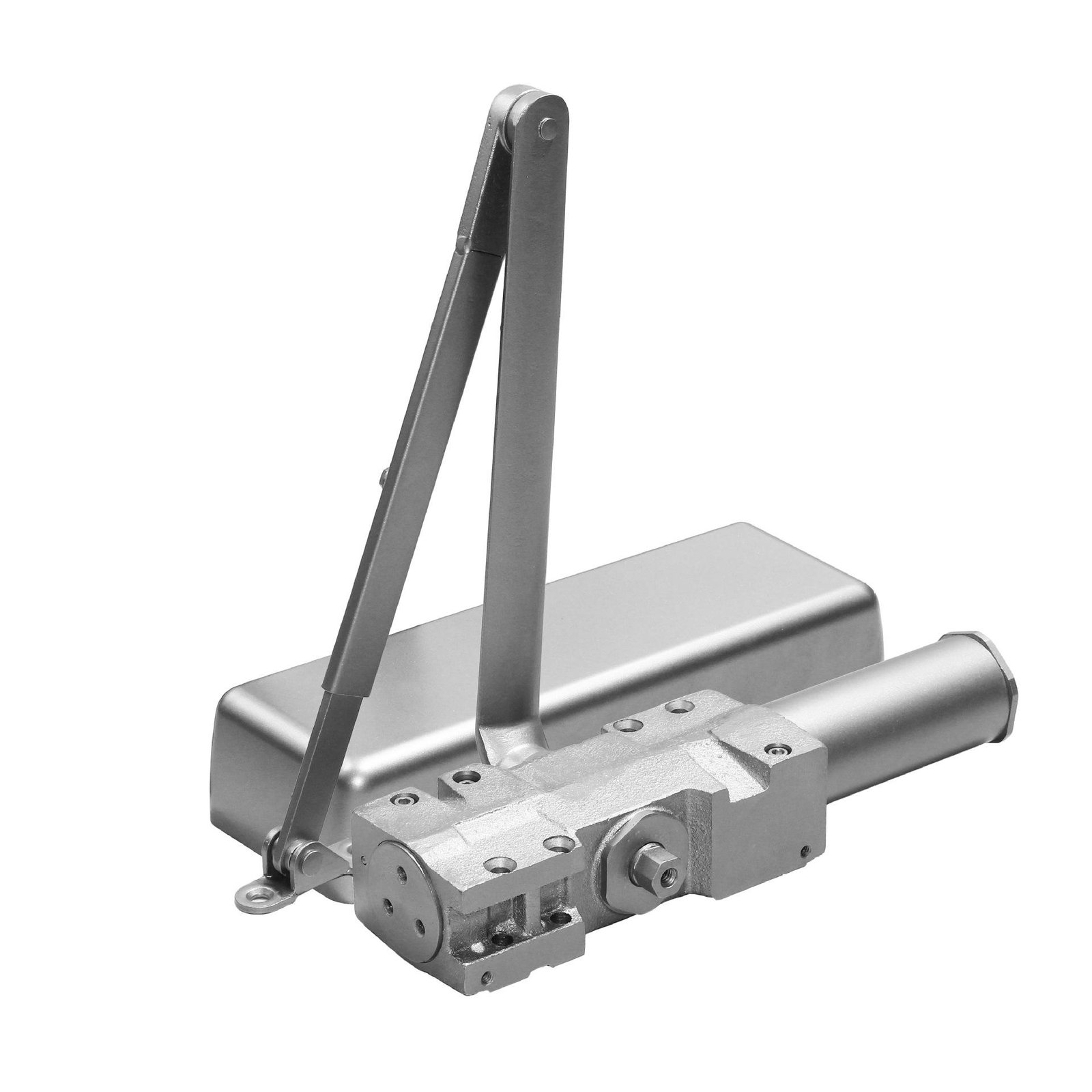
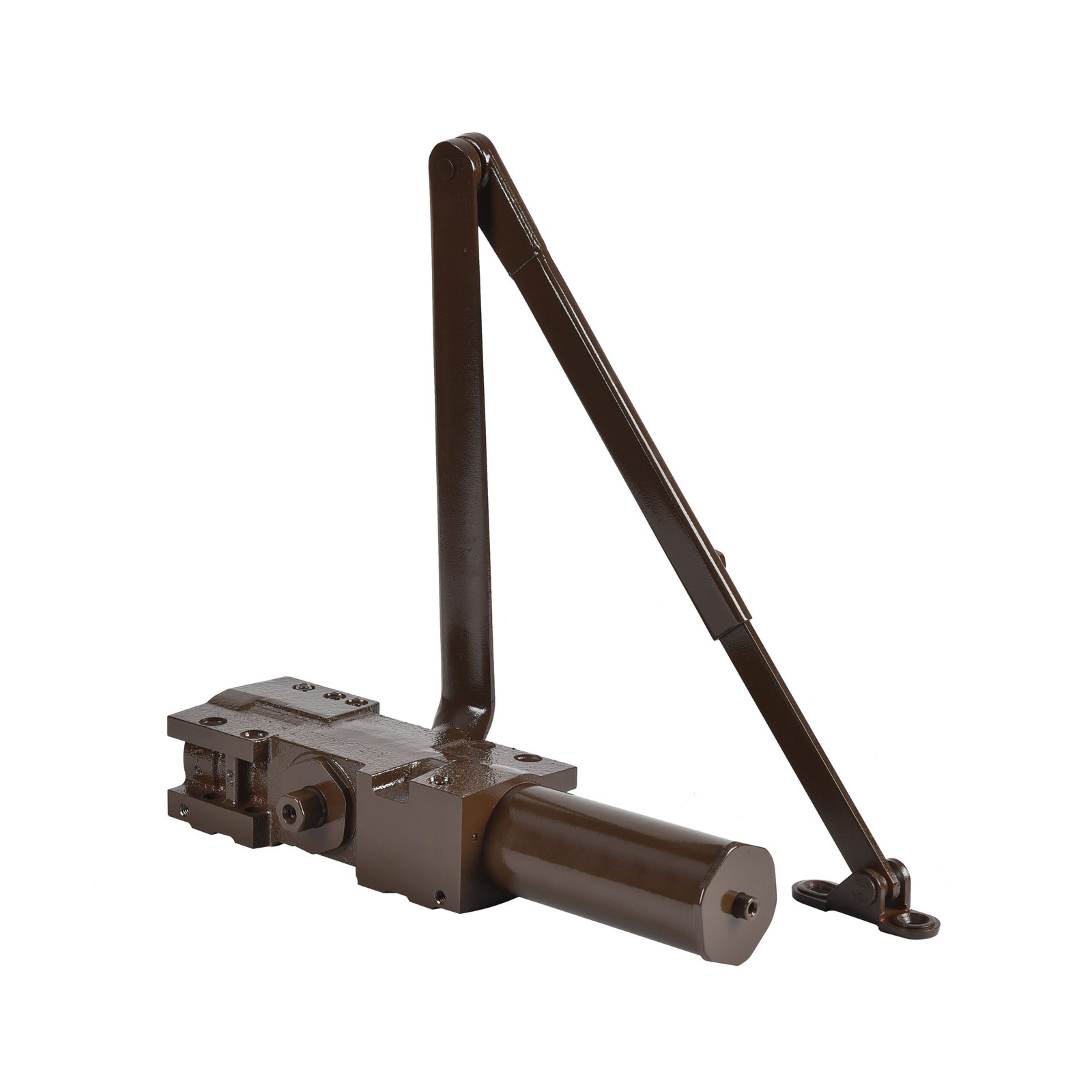
For mixed commercial projects, buyers can combine floor springs with patch fittings, glass locks, door closers, shower hardware, railing hardware and other glass hardware fittings to simplify procurement.
To request a quotation, send the door size, glass thickness, floor spring photos, cement box dimensions, spindle photos, bottom patch photos, current problem, hold-open requirement, finish, quantity and available drawings or site photos.
FAQ
Do I have to remove the glass door to replace the floor spring?
Yes. The glass door usually needs to be safely supported, unbolted and lifted off the spindle before the floor spring body can be removed. This should be handled by trained installers with proper lifting tools.
Can I leave the old cement box in the floor?
Yes, if the existing cement box is structurally sound, not badly corroded and matches the new floor spring body. Reusing the old box can reduce floor damage and installation time.
Why does my newly replaced floor spring make a clicking noise?
A clicking or clunking noise often indicates play between the new spindle and the old bottom patch insert. The insert may be worn or mismatched and should be inspected.
Can a leaking floor spring be refilled?
Standard floor springs are usually sealed hydraulic units. Once oil leakage occurs and hydraulic control is lost, on-site refilling is generally not a practical repair method. Replacement is usually required.
Can I upgrade the capacity without cutting a larger floor hole?
Sometimes. Some higher-capacity floor springs may share a similar cement box footprint with lower-capacity models, depending on the product series. Actual compatibility must be confirmed by cement box measurements.
What should I send before ordering?
Send the door size, glass thickness, existing floor spring photos, cement box dimensions, cover plate size, spindle photos, bottom patch fitting photos, current problem, hold-open requirement, finish, quantity and site photos or drawings.