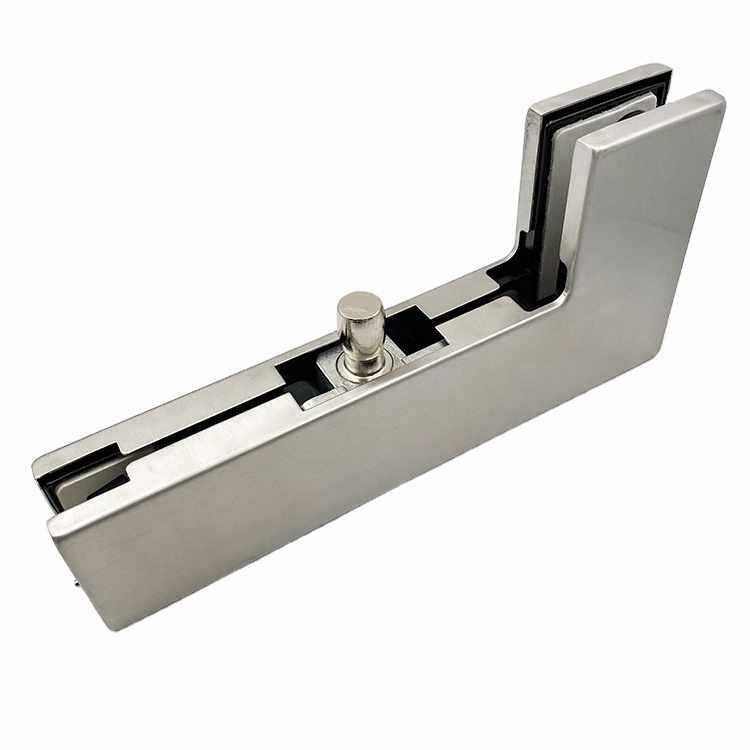
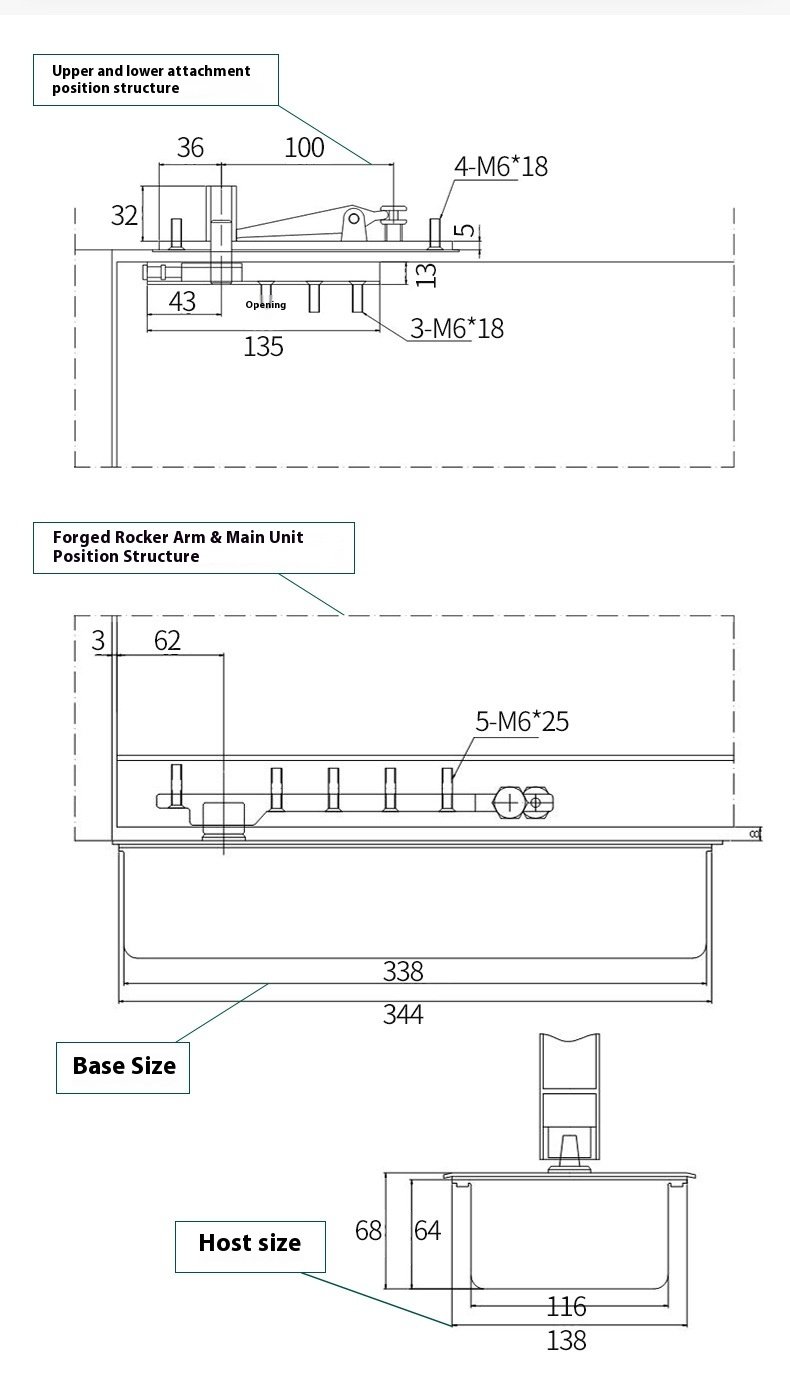
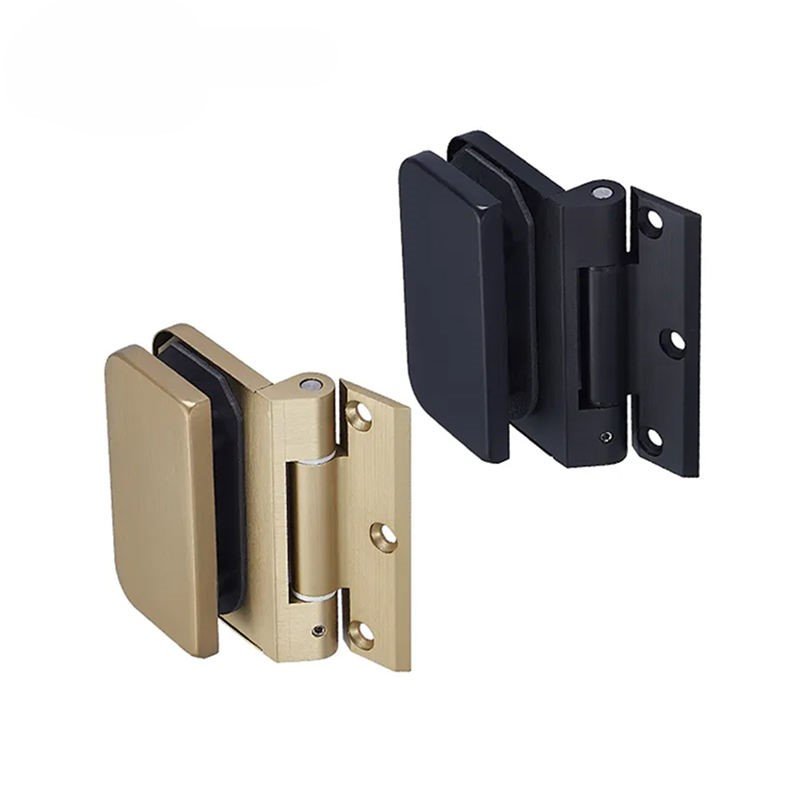
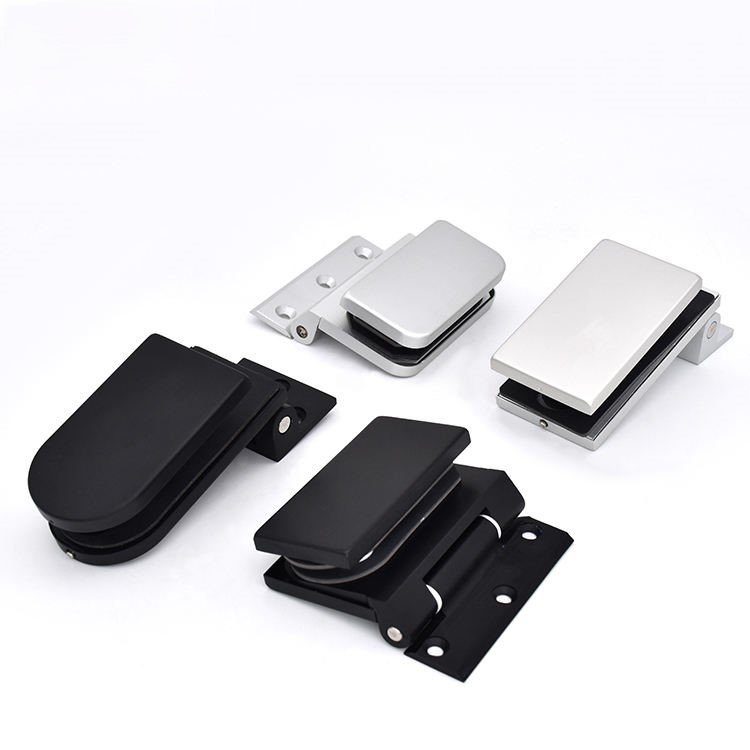
Indoor glass balustrades are often selected because they make a staircase, balcony or mezzanine edge look open and clean. But in real projects, the hardware should not be selected only by appearance.
A glass railing on an indoor staircase or apartment balcony is not the same as a pool fence. There is usually no chlorine, no salt air and no beachfront exposure. The main risk is different. Indoors, the real questions are about the structure behind the glass, the fixing method, the safety gap, the handrail height and how the railing performs when people lean on it every day.
The glass may be transparent, but the load path cannot be vague.
Before choosing spigots, standoffs, base shoes or glass clamps, the project should first confirm where the glass load will go. Is the fixing point on a reinforced concrete slab, a steel stair stringer, a timber stair structure, a side wall, or only a finished stone surface? Is there enough edge distance for anchors? Does the railing need a handrail? What local code applies to the gap, height and line load?
For indoor staircases, apartment balconies, villa stairs and mezzanine edges, glass balustrade hardware should be selected as a working system, not as separate decorative parts.
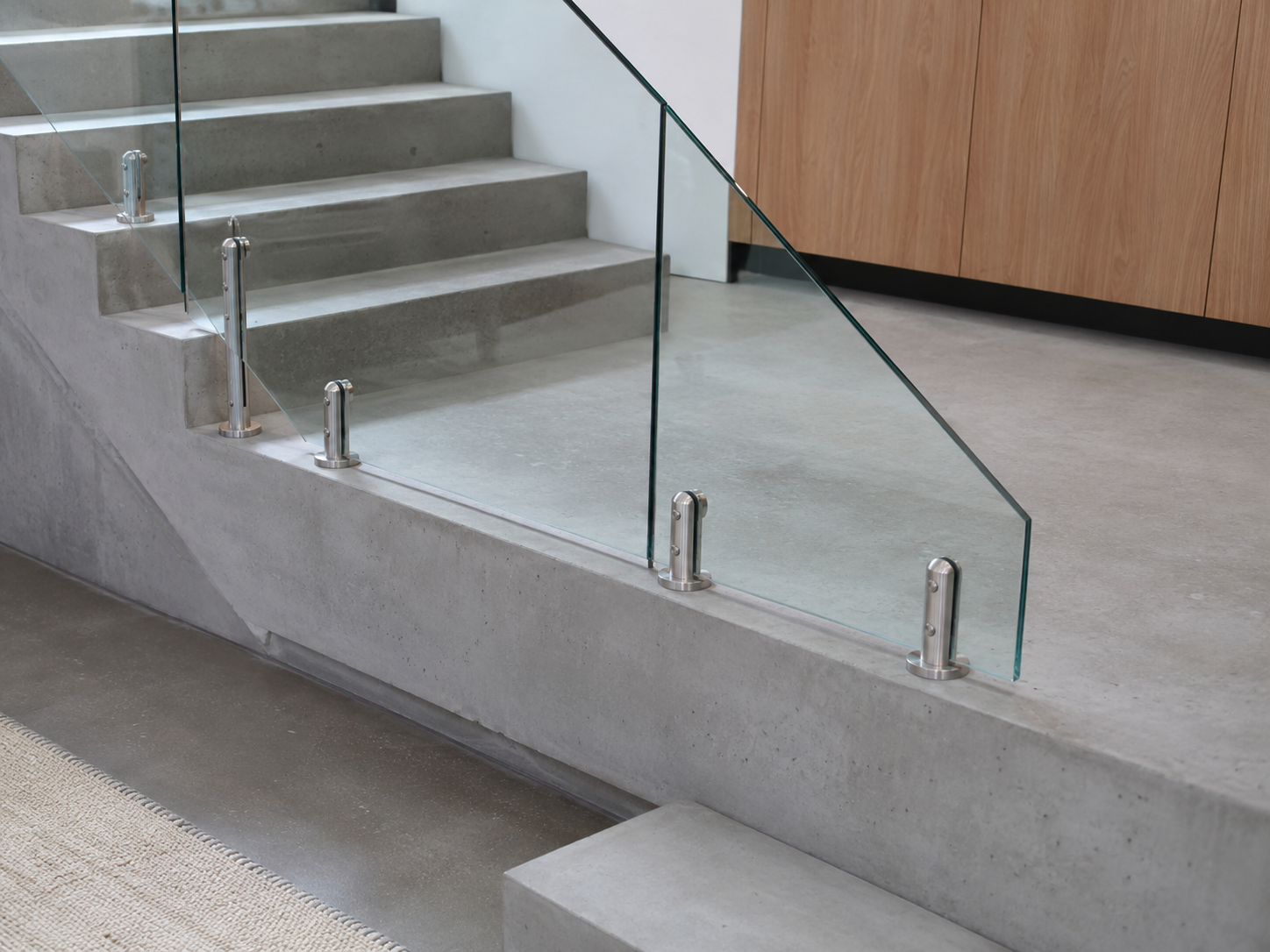
Where This Type of Glass Balustrade Is Commonly Used
This article focuses on indoor and building-related balustrade projects, not pool fence systems or coastal outdoor railings. Common applications include:
- Indoor staircases
- Villa stair railings
- Apartment balconies
- Mezzanine edges
- Loft stair openings
- Residential internal balconies
- Light commercial stair railings
- Showroom or office interior balcony edges
The design requirement is not the same in each case. A villa staircase may focus on a clean frameless appearance. An apartment balcony may need closer attention to child safety gaps and handrail height. A mezzanine edge may require side-mounted standoffs because the floor surface cannot be drilled. A timber staircase may need a different fixing method from a concrete landing.
This is why the first question should not be “which fitting looks best?”
The first question should be “what is the glass fixing into?”
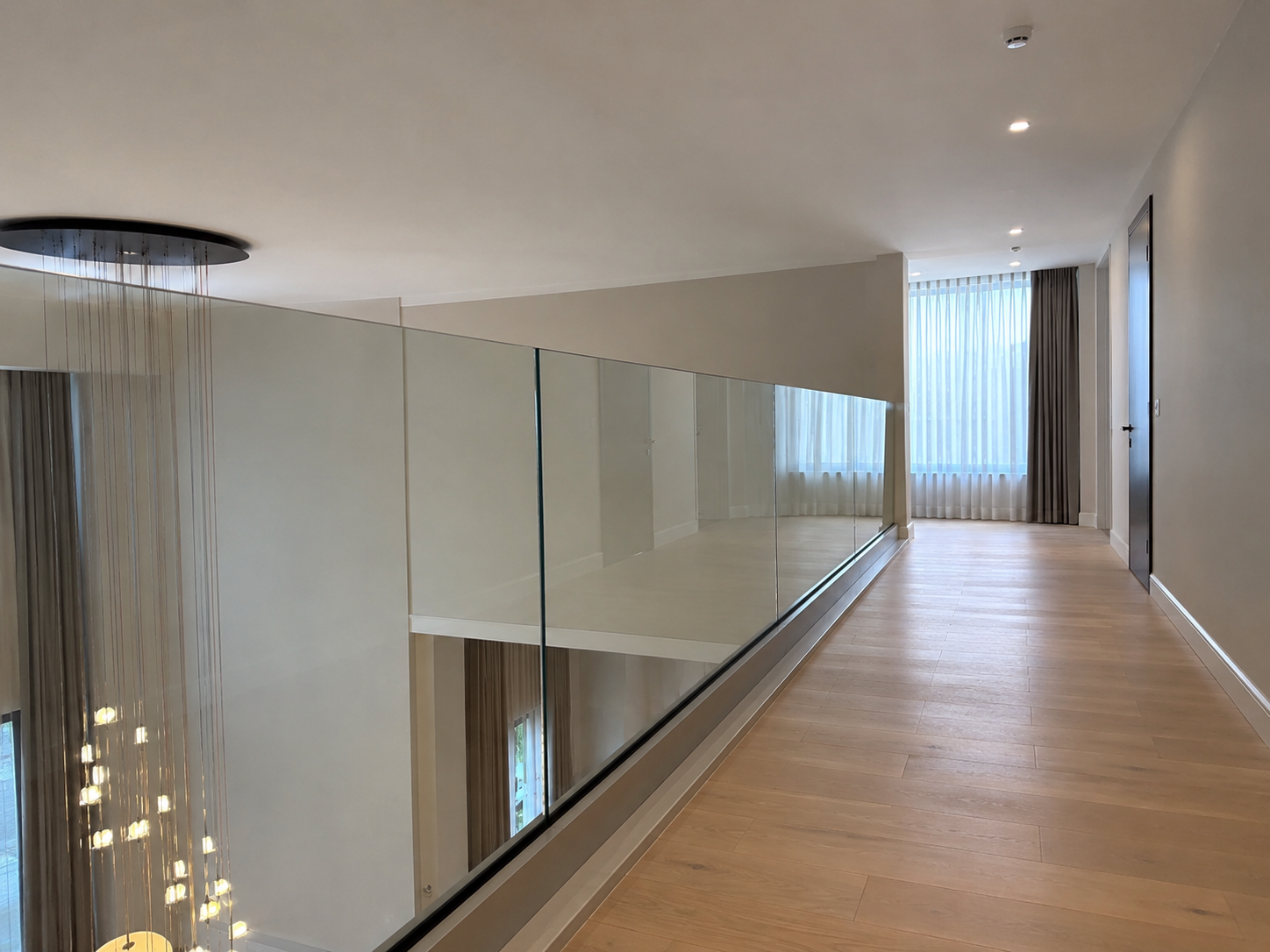
Main Hardware Systems for Indoor Glass Balustrades
Different hardware systems transfer load in different ways. The correct choice depends on the structure, glass specification, fixing direction and code requirement.
| Hardware system | Suitable use | Key point to check |
|---|---|---|
| Glass spigots | Floor-mounted stair and balcony railings | Solid substrate, anchor depth and spacing |
| Standoffs | Side-mounted staircases and mezzanine edges | Concrete, steel or structural side strength |
| Base shoe | Continuous support for frameless balcony or stair runs | Better load distribution, higher installation accuracy |
| U-channel | Light-duty interior fixing or selected decorative railing areas | Structural capacity must be confirmed for guardrail use |
| Glass clamps | Framed or semi-framed railing systems | Glass thickness and fixing surface |
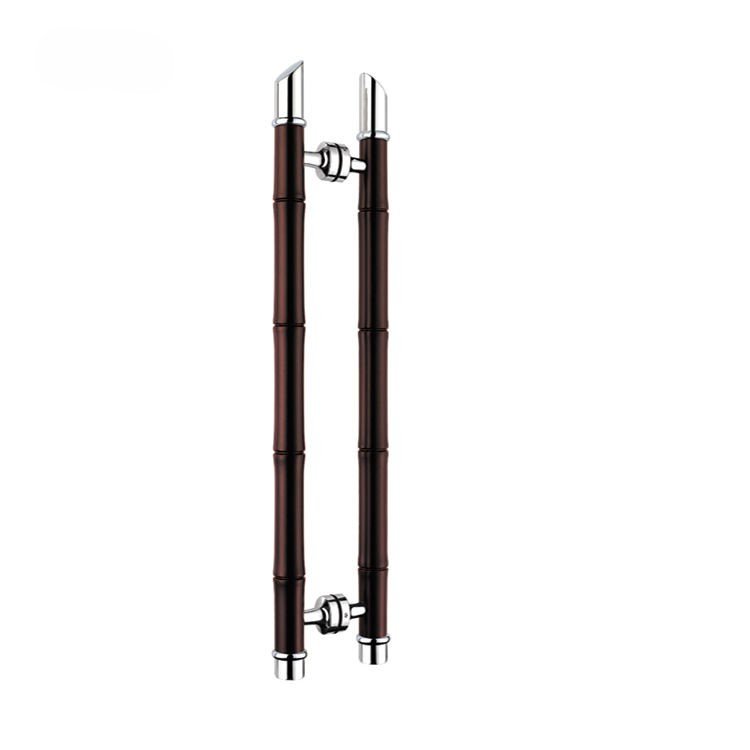
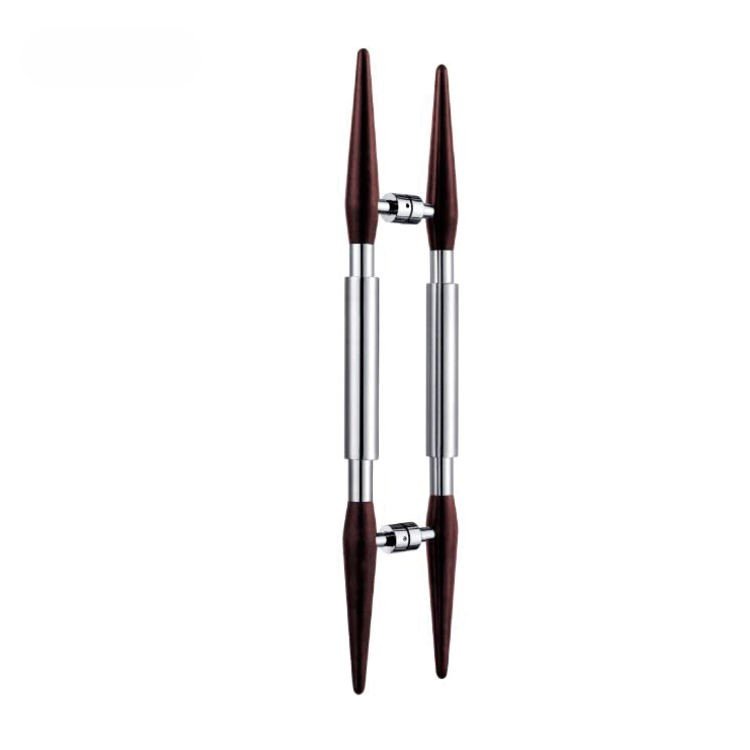
| Handrail / top rail | Residential, public or code-required areas | Improves stiffness and user safety |
A spigot railing and a standoff railing may both look minimal, but they do not work the same way. Spigots transfer force into the floor or landing. Standoffs transfer force into the side of a slab, stair stringer or wall. Base shoe systems support the glass continuously along the bottom edge. U-channel can look clean, but not every U-channel is suitable for a safety guardrail.
The fitting photo alone cannot decide the right system. The structure behind the fitting matters more.
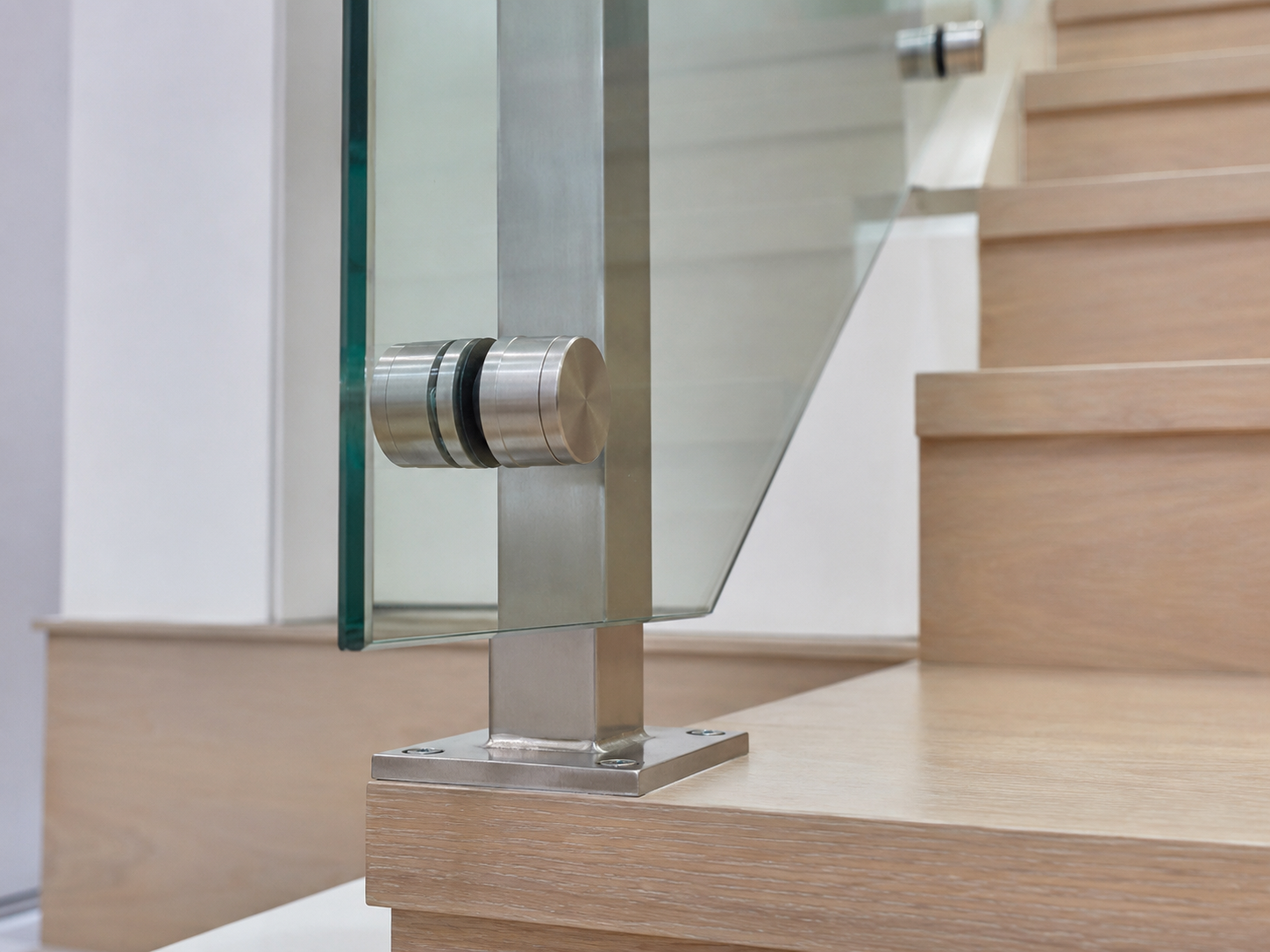
Code Details: Gap, Handrail Height and Line Load
Glass railing hardware should not be selected only by glass thickness or fitting size. For staircase and balcony projects, three code-related details often matter at the same time: gap, height and load.
Baluster gap / glass spacing
Many residential codes use a child-safety rule that prevents a small child from passing through openings in the railing. A common reference is around 100mm / 4 inches, but the exact requirement depends on local code. This affects glass panel width, side gaps, bottom gaps and fixing layout.
Handrail height
Stair and balcony railing height is often controlled by local building code. A common reference range is around 900–1100mm above the finished floor or stair nosing, depending on the project type and jurisdiction. The final height should be confirmed before glass production.
Line load / barrier load
The railing must resist horizontal force from people leaning or pushing against it. For some balcony and public railing projects, line load requirements may fall around 0.74–1.5kN/m, depending on building type and local standard. The exact value must be confirmed by the project engineer or local code.
These numbers should be treated as practical references, not universal rules. Metech can help match hardware with glass thickness, fixing method and project application, but final structural design and code compliance should be confirmed by the project engineer.
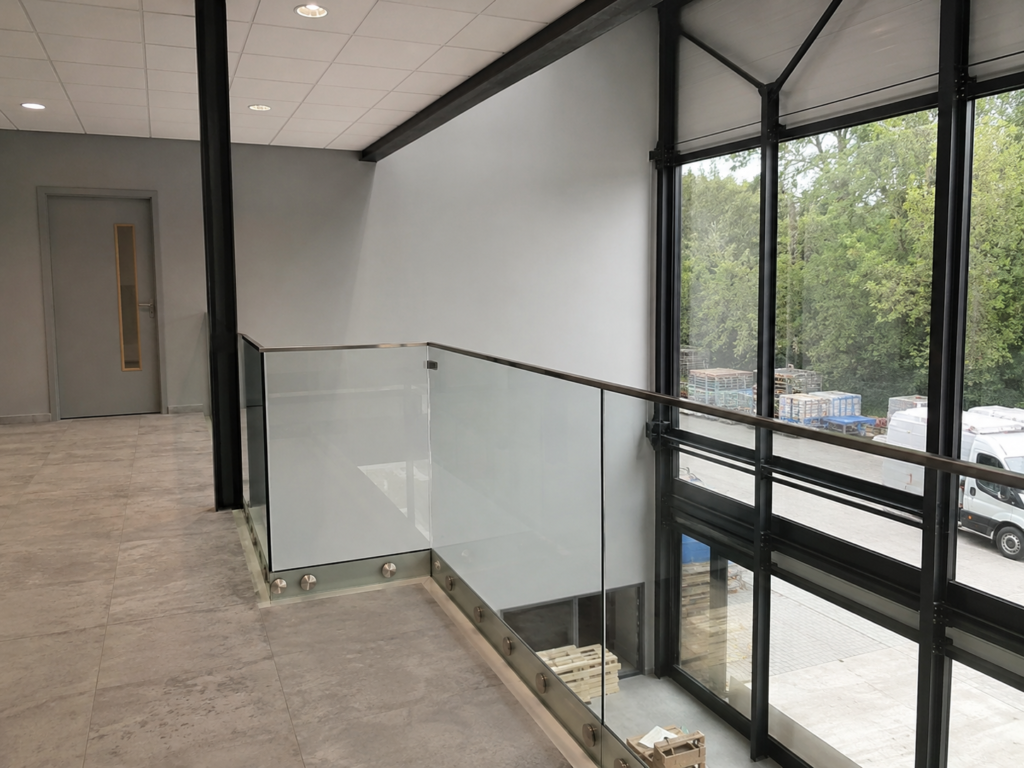
Glass Thickness and Panel Weight Should Be Checked Early
Glass thickness affects hardware selection, handling and installation.
Common glass options for indoor staircases and balcony railings may include 10mm, 12mm, 15mm or laminated safety glass, depending on railing height, span, fixing method and local code.
As a rough reference, tempered glass weighs about 2.5kg per square meter for each 1mm of glass thickness.
| Glass thickness | Approximate weight |
| 10mm glass | About 25kg/m² |
| 12mm glass | About 30kg/m² |
| 15mm glass | About 37.5kg/m² |
Glass weight is only one part of the selection. A railing also needs to resist daily leaning, pushing, vibration and impact. A tall glass panel with weak fixing points may shake after installation even if the glass itself is thick enough.
For this reason, the glass specification, fixing method and substrate condition should be checked together.
Substrate and Fixing Method Matter More Than the Fitting Photo
Many indoor railing problems start from the substrate.
A spigot fixed into a reinforced concrete landing may perform very differently from the same spigot installed through finished marble, thin screed or a weak timber surface. A standoff fixed into a steel stringer may be stable, while the same standoff installed too close to a thin concrete edge may create cracking risk.
Before confirming hardware, the project should check:
- Concrete slab thickness
- Steel stringer or stair structure
- Timber stair framing
- Anchor depth
- Edge distance
- Finished floor build-up
- Marble or tile thickness
- Waterproofing layer for balcony areas
- Underfloor heating or embedded services
- Glass height and panel spacing
Finished stone, tile or timber flooring should not be treated as the structural layer. They may look solid, but the load must transfer into concrete, steel or another reliable structure.
This is especially important for apartment balconies and indoor stair landings. If the anchor is too shallow, too close to the edge, or fixed into a weak layer, the railing may move after installation even when the fitting itself is not the problem.
Choosing Between Spigots, Standoffs, Base Shoe and U-Channel
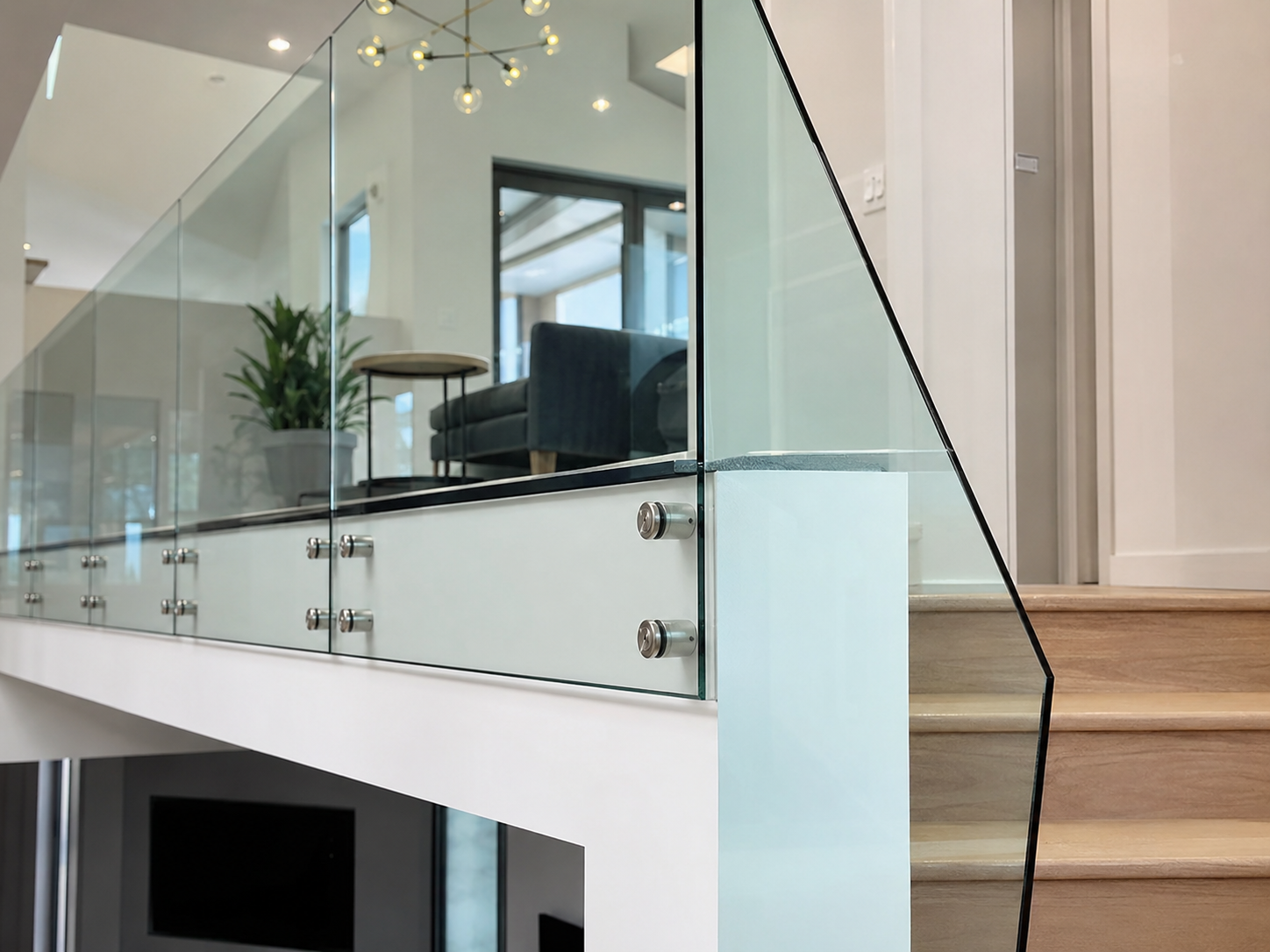
Glass spigots are often used for floor-mounted railings. They work well on concrete landings, balcony slabs and some stair platforms when the substrate is strong enough. They create a light appearance and are easier to install than some continuous systems. The key details are anchor depth, spacing and substrate strength.
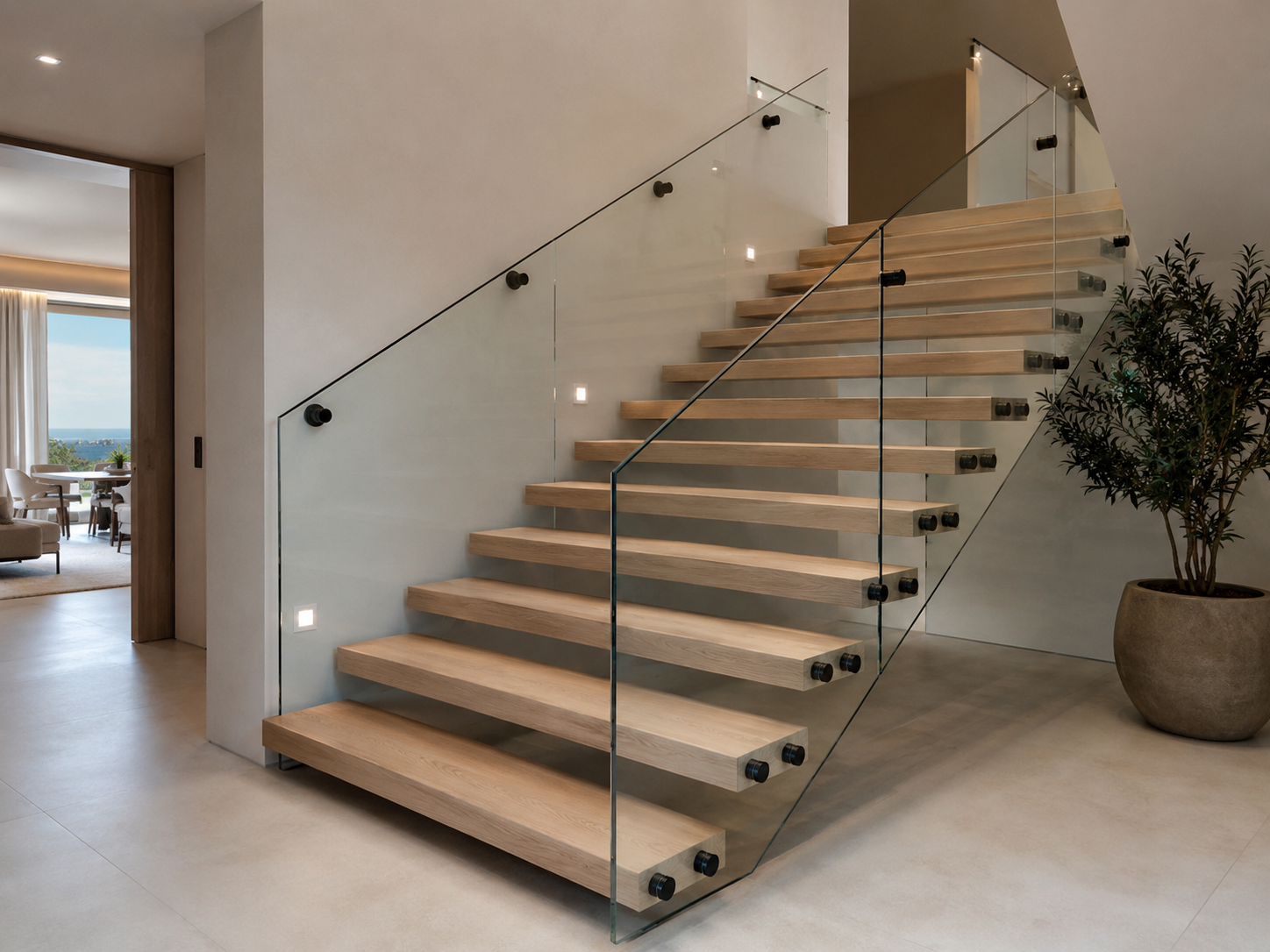
Standoffs are commonly used for side-mounted glass railings. They suit stair edges, mezzanine openings and balcony sides where the top surface should stay clear. Common standoff diameter options may include 38mm or 50mm, depending on glass height, fixing surface and load requirement. The side structure must be strong enough for point fixing.
Base shoe systems support the glass continuously along the bottom edge. They are useful for longer balcony runs or projects needing a clean frameless line. They distribute load more evenly than point fixings, but they cost more and need more careful alignment and anchoring.
U-channel can be used for some interior glass fixing or decorative railing areas, but it should not be treated as automatically suitable for all balcony or guardrail applications. If the glass is used for fall protection, the channel, anchor and substrate capacity must be confirmed.
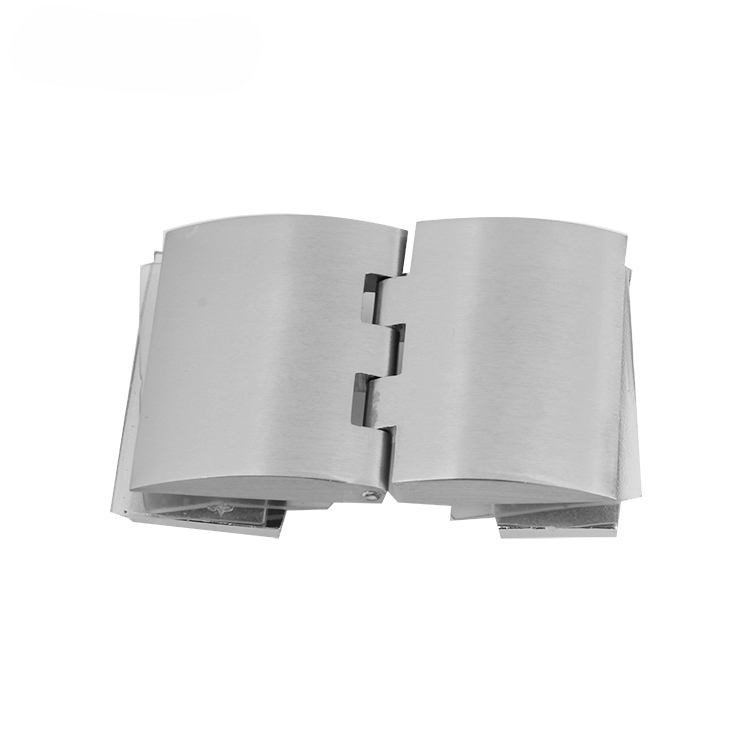
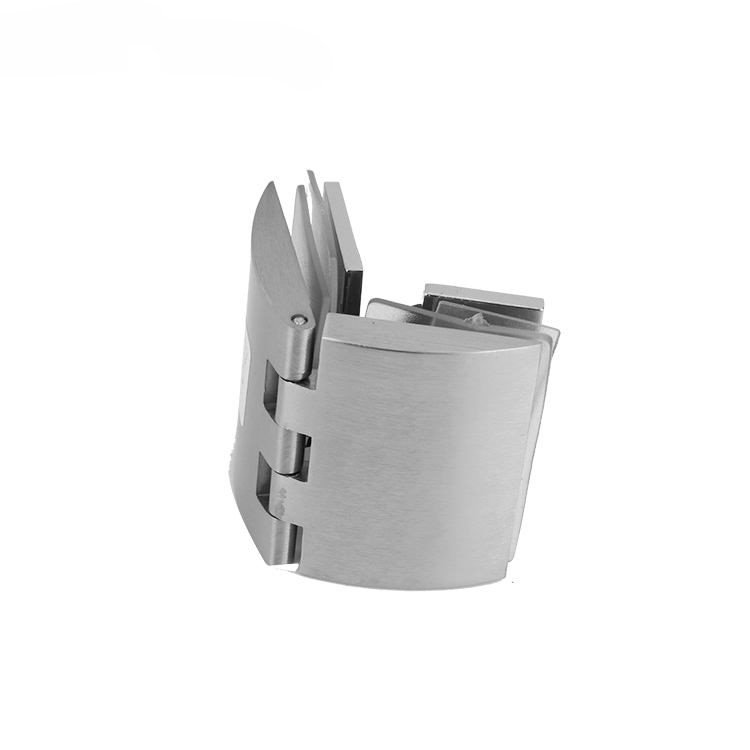
Glass clamps are suitable for framed or semi-framed railing systems. They should match the glass thickness, fixing surface and finish requirement. They are useful when the design does not require a fully frameless look.
For a deeper comparison between spigots, standoffs and base shoes, this page should internally link to the existing Insight article: Spigot vs Standoff vs Base Shoe for Frameless Glass Railings.
Common Problems in Indoor Staircase and Balcony Projects
The substrate is weaker than expected
The finished floor may look strong, but the real structural layer below may be thin, hollow or unsuitable for anchoring.
Anchor positions are too close to the edge
If anchors are too close to the concrete or stair edge, the fixing may not provide enough holding strength. This is especially important for side-mounted standoffs.
The glass panel shakes after installation
Shaking can come from tall glass panels, insufficient fixing points, weak hardware, poor anchoring or a weak substrate. Tightening screws alone usually does not solve the root cause.
The child-safety gap is checked too late
If glass width, side gaps or bottom gaps are decided before checking local code, the finished railing may need rework.
The handrail height is inconsistent
On multi-floor residential projects, small differences in handrail height can create inspection problems and make the building feel inconsistent.
Finish consistency is not controlled
For multi-floor or multi-phase projects, spigots, standoffs, handrail connectors and base shoe covers should be specified with consistent finish references. A later repair or expansion order may look different if finish samples and batch information are not controlled early.
Balcony waterproofing is ignored
For apartment balconies or semi-exterior areas, drilling through finished surfaces can affect waterproofing. Fixing and sealing details should be discussed before installation.
Practical Selection by Application
Indoor staircases
Indoor staircases need careful fixing because users touch and lean on the railing while moving up and down. The project should confirm stair structure, fixing direction, glass height, handrail requirement and anchor position before choosing spigots or standoffs.
Apartment balconies
Apartment balconies need attention to handrail height, child-safety gaps, line load and waterproofing. Spigots, base shoe or side-mounted standoffs may all be possible depending on slab condition and design requirement.
Villa staircases
Villa projects often prefer a minimal appearance, such as black, brushed stainless steel, polished stainless steel or PVD finishes. The fixing method still needs to be practical, especially when the design uses marble, timber flooring or hidden fixing details.
Mezzanine and loft edges
Standoffs or base shoe systems are often considered for mezzanine edges because they can keep the floor line clean. The edge structure must be checked carefully before finalizing the fixing method.
Light commercial interior railings
For showrooms, offices or light commercial interiors, finish consistency and user safety both matter. Hardware should be selected with daily contact, cleaning, maintenance and replacement in mind.
How Metech Supports Glass Balustrade Projects
Metech Hardware supports indoor staircase and balcony glass balustrade projects with stainless steel glass fittings and related architectural hardware.
Our product range includes glass spigots, glass standoffs, base shoe and U-channel options, glass clamps, handrail connectors and matching accessories. Finish options can include brushed stainless steel, polished stainless steel, black and selected PVD finishes depending on the product model and order requirement.
For many indoor applications, SS304 is commonly used. For humid balcony areas or semi-outdoor locations, SS316 may be considered. The final choice should depend on environment, budget and finish requirement.
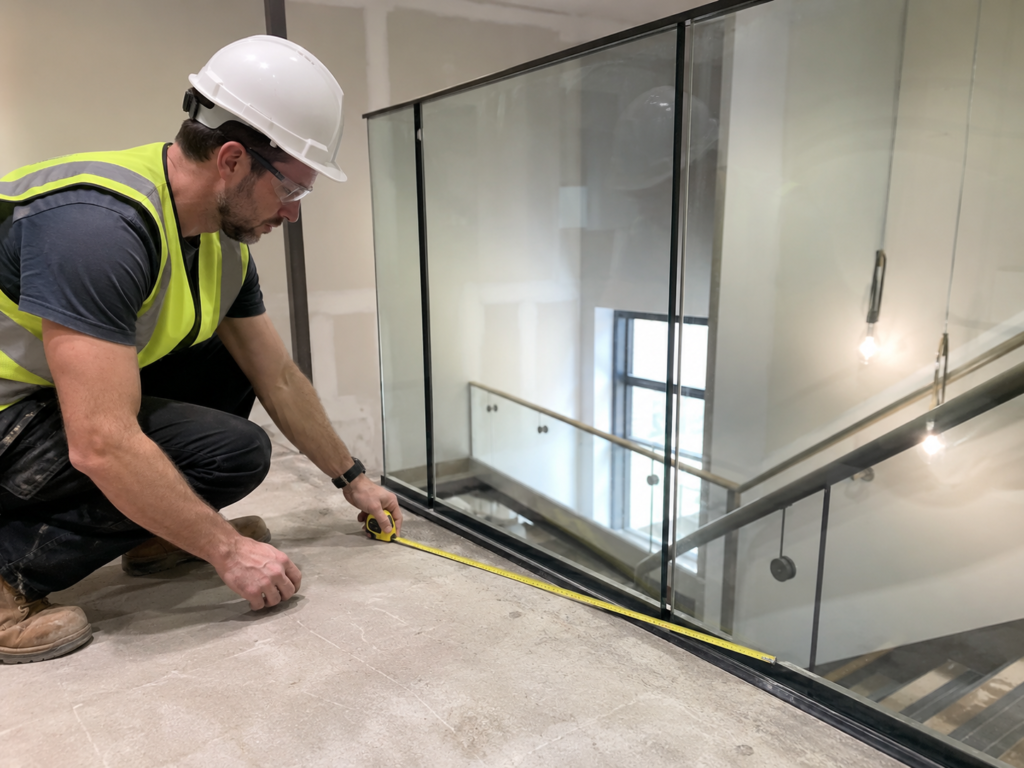
Before recommending hardware, we prefer to check the project type, glass height, glass thickness, fixing method, substrate condition, finish requirement, code-related requirements and estimated order quantity. For structural load and local code compliance, the final design should be confirmed by the project engineer.
For overseas buyers, contractors and distributors, Metech can also support mixed hardware orders, OEM packaging and export packing. This is useful when one project needs spigots, standoffs, clamps, handrail fittings and other glass door hardware in the same shipment.
FAQ
What hardware is used for indoor glass balustrades?
Common hardware includes glass spigots, standoffs, base shoe systems, U-channel, glass clamps and handrail connectors. The correct system depends on the fixing method, glass thickness, substrate and code requirement.
Should I use spigots, standoffs or base shoe for a staircase?
It depends on the stair structure and design. Spigots are floor-mounted, standoffs are side-mounted, and base shoe systems provide continuous support. The substrate and fixing direction should be checked first.
What glass thickness is commonly used for indoor glass railings?
Indoor glass railings may use 10mm, 12mm, 15mm or laminated safety glass depending on height, span, fixing method and local code. The final glass specification should be confirmed by the project engineer.
What gap is allowed for residential glass railings?
This depends on local building code. Many residential codes use a child-safety reference around 100mm / 4 inches, but the exact requirement must be confirmed for the project location.
Can U-channel be used for balcony glass railings?
Sometimes, but it depends on the structural design of the channel, anchors and substrate. U-channel should not be treated as automatically suitable for all balcony or guardrail applications.
Can Metech supply spigots, standoffs, base shoe and glass clamps together?
Yes. Metech can support mixed orders for glass spigots, standoffs, base shoe or U-channel options, glass clamps, handrail connectors and related glass hardware for indoor staircase, balcony and commercial interior projects.
Need Glass Balustrade Hardware for an Indoor Staircase or Balcony Project?
Send us your project type, glass height, glass thickness, fixing method, substrate condition, code-related requirements, finish preference and estimated order quantity. Metech Hardware can help recommend suitable glass balustrade hardware for indoor staircases, apartment balconies and interior railing projects.