In luxury apartments, penthouses, serviced residences, and high-end villas, glass door hardware is judged by a different standard.
It is not only about load capacity. Finished floors, underfloor heating, thin slabs, minimalist interiors, acoustic comfort, and long-term maintenance all change the selection logic.
A hardware system that works well in a commercial lobby may become a problem in a premium residential interior. A traditional floor spring may require deep excavation. A bulky patch fitting may break the clean interior line. A sliding glass door that clicks, rattles, or hits the stopper may make an expensive apartment feel poorly detailed.
For high-end residential projects, the best glass door hardware should protect the finished floor, stay visually minimal, move quietly, feel controlled, and reduce complaints after residents move in.
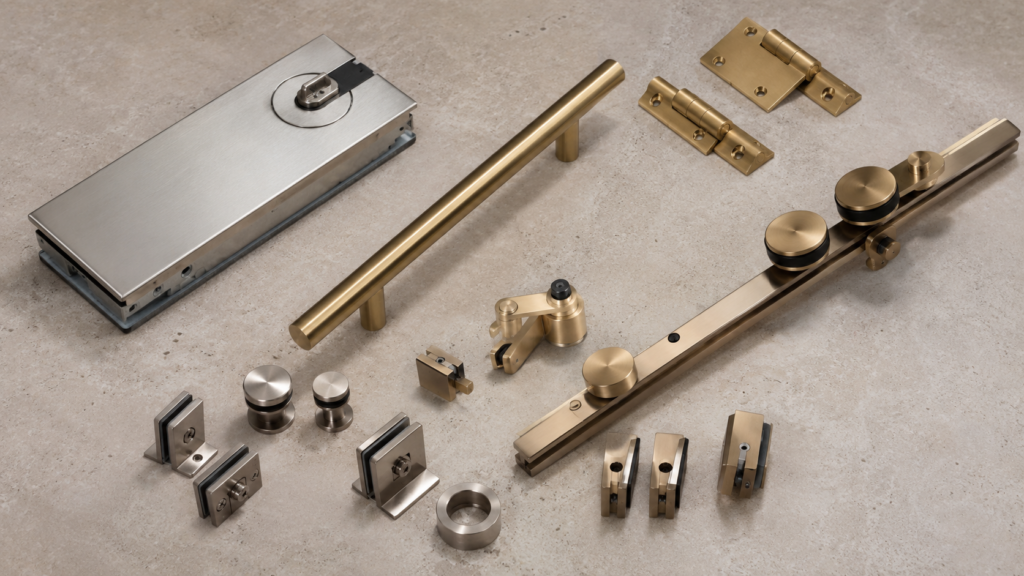
Metech provides minimalist and no-dig glass door hardware solutions for luxury apartment interiors, residential lobbies, kitchen partitions, walk-in closets, study rooms, amenity areas, and serviced apartment projects.
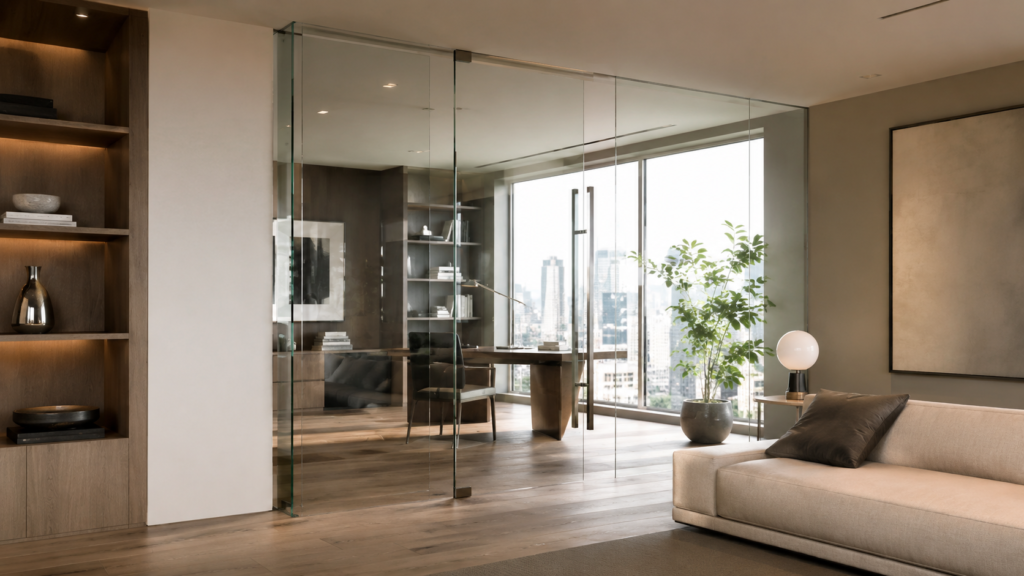
Engineering Criteria for Luxury Residential Projects
1. No-Dig Hydraulic Patch Fittings for Finished Floors
The biggest risk in high-end apartment fit-outs is often the floor.
Many luxury apartments have underfloor heating pipes, concealed electrical conduits, waterproof layers, thin slabs, or finished marble and stone flooring. A traditional floor spring usually requires a recessed floor pocket of around 50mm to 70mm, depending on the model. In many residential interiors, this is risky or not allowed.
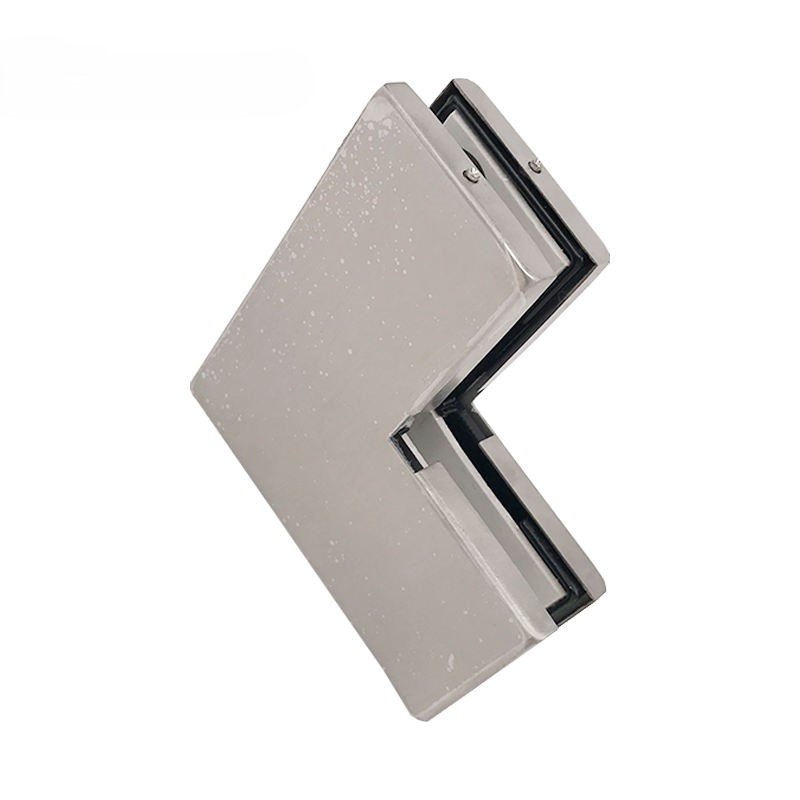
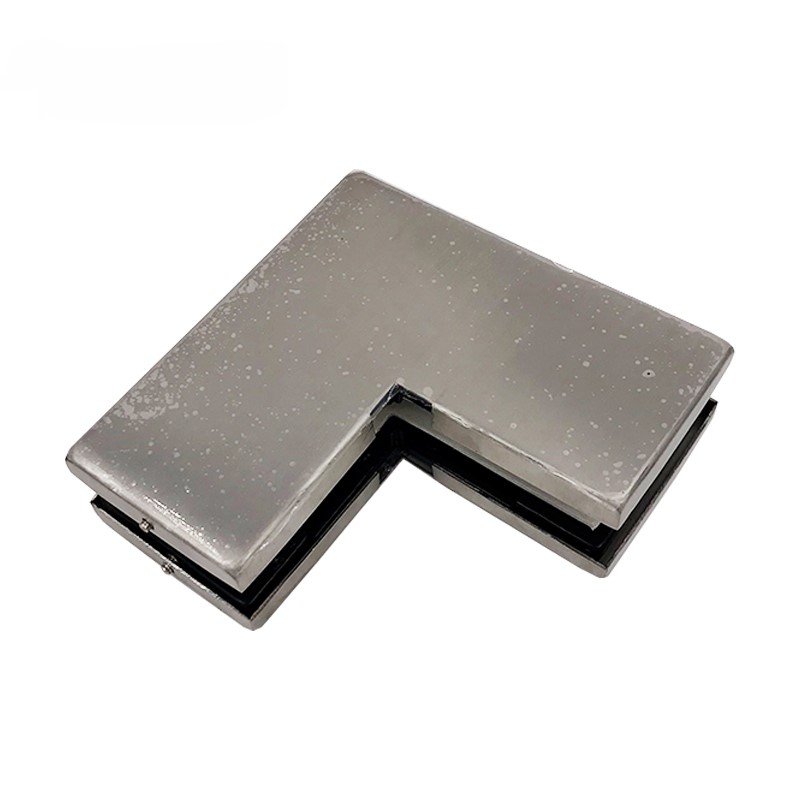
For these projects, a no-dig hydraulic patch fitting or surface-mounted hydraulic pivot system is a better option.
Instead of embedding a floor spring into the slab, the hydraulic mechanism is integrated into the patch fitting or pivot system. For selected models, the hardware can be fixed with surface screws, avoiding deep floor excavation and reducing the risk of damaging underfloor heating or concealed pipelines.
| Requirement | Engineering Value |
|---|---|
| Surface-mounted installation | Avoids deep floor excavation |
| Four-screw fixing structure | Faster installation with lower site risk |
| No floor spring pocket | Helps protect underfloor heating and finished stone floors |
| Built-in hydraulic control | Smooth closing without a traditional floor box |
| Up to 100kg glass door capacity | Suitable for many heavy interior glass doors |
| ±0° centering design | Helps the door return to the correct closed position |
For luxury apartments, this is often the key difference from commercial door hardware: the system must control the glass door without damaging the finished structure.
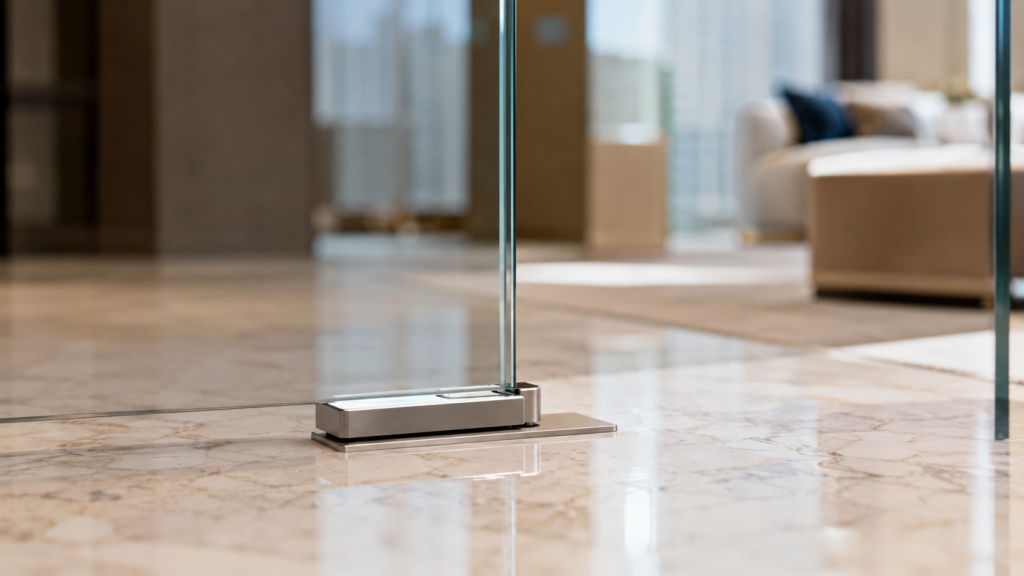
2. Ultra-Slim Hardware for Minimalist Interiors
Interior designers usually want the glass door to look light, clean, and almost floating.
Large commercial patch fittings, exposed screws, oversized handles, and bulky cover plates can interrupt the clean residential scale. In luxury interiors, hardware should create minimal visual interruption.
Instead of using 100mm-tall commercial patch fittings, residential projects should consider ultra-slim hydraulic patches with visible cover heights around 40mm to 50mm, depending on model design. This helps maximize the visible glass area and keeps the door closer to the intended minimalist look.
For high-end apartment interiors, we normally check:
- slim hydraulic patch fitting profile
- low-profile pivot cover design
- compact top pivot or concealed pivot appearance
- slimline pull handles or flush pulls
- reduced screw exposure
- matching finish across pivots, handles, locks, and tracks
- matte black, brushed brass, champagne, gunmetal, brushed nickel, or satin stainless finish consistency
The goal is not to hide every component. The goal is to make the hardware look intentional, refined, and scaled for residential interiors.
3. Quiet Soft-Close Sliding Systems
In residential projects, hardware quality is felt through sound and touch.
A homeowner may not ask about the load rating of a sliding roller, but they will notice if a kitchen glass door scrapes, a walk-in closet door rattles, or a bedroom partition closes with a hard click.
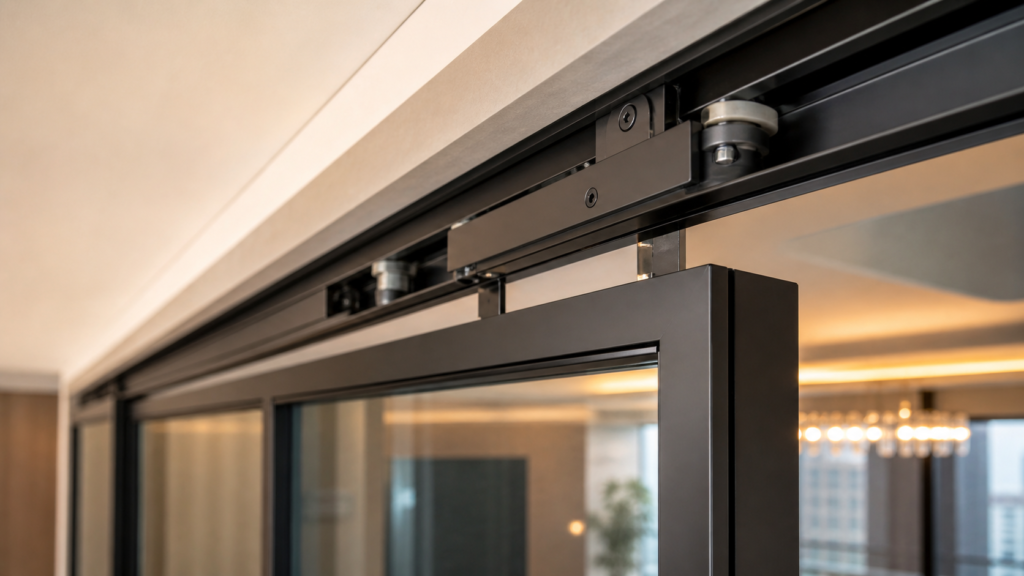
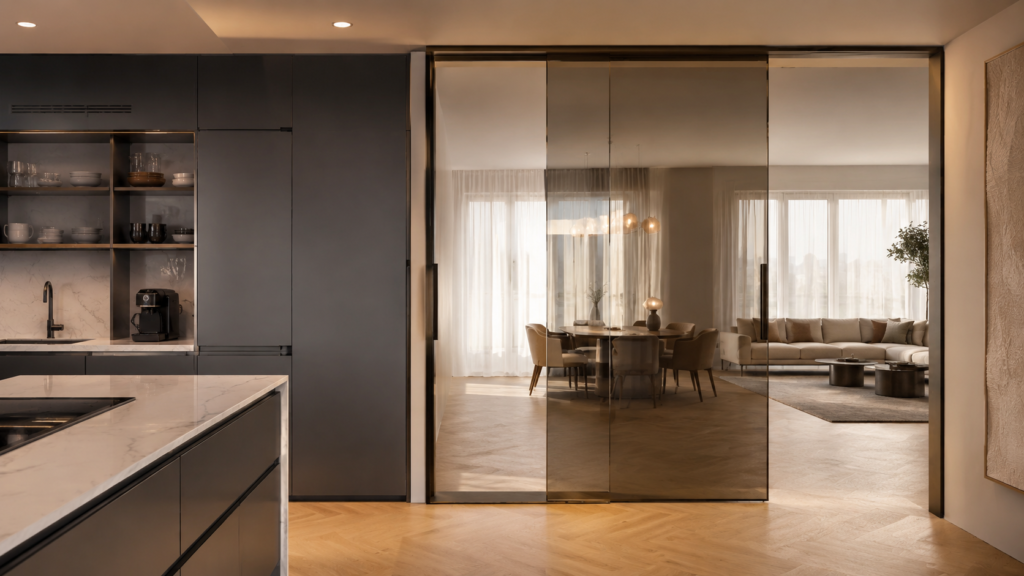
For kitchen partitions, walk-in closets, study rooms, and living room dividers, we recommend a dual-way soft-close sliding system.
A well-designed system uses concealed dampers that engage when the door is around 80mm to 100mm from the final closing point. The door slows down before contact, reducing noise, impact, and finger-pinch risk.
For high-end sliding systems, the carriage rollers should use high-density POM wheels with precision bearings. Compared with ordinary plastic rollers, POM offers better wear resistance, dimensional stability, and smoother rolling performance. A 100,000-cycle quiet wear test is a practical benchmark for premium residential sliding systems.
This helps improve:
- quieter sliding movement
- smoother hand feel
- anti-pinch safety
- reduced impact at the end position
- lower roller and track wear
- better long-term user experience
A residential glass door should not feel heavy, loose, or noisy. It should move predictably and stop softly.
Residential Interior Hardware Schedule
For luxury residential fit-outs, hardware should be selected according to the door type and location.
| Door Type & Location | Hardware Specification Standard |
|---|---|
| Swing doors: studies, master bathrooms, hallways | No-dig hydraulic patch fitting; surface-mounted installation; up to 100kg capacity; hydraulic speed control |
| Interior pivot glass doors | Ultra-slim hydraulic patch; 40mm–50mm visible cover height; ±0° centering design |
| Kitchen sliding glass doors | Heavy-duty top-hung track; dual-way soft-close activation at 80mm–100mm; anti-pinch movement |
| Walk-in closet glass doors | High-density POM rollers with precision bearings; 100,000-cycle quiet wear test; slim visible track |
| Living room or study partitions | Glass hinge, pivot, or sliding system with quiet movement and finish consistency |
| Amenity area glass doors | Floor spring, hinge, or pull handle system with moderate traffic durability |
| Bathroom shower areas | Shower hinges, seal strips, and stabilizer bars selected for water sealing and corrosion resistance |
| Pull handles and flush pulls | Slimline residential profiles matched to the interior scale and finish schedule |
This schedule helps avoid a common mistake: using one type of commercial hardware for every glass door in a residential project.
A lobby door, kitchen sliding door, closet door, study partition, and shower door do not work under the same conditions.
Finish Consistency for Luxury Interiors
In luxury residential projects, hardware finish is part of the interior design.
Matte black, brushed brass, champagne, gunmetal, brushed nickel, polished chrome, and satin stainless steel are all common choices. But finish consistency is more important than the color name.
Project buyers should check:
- finish tone between pivots, tracks, handles, locks, and hinges
- batch-to-batch color consistency
- scratch protection during packaging and installation
- future replacement consistency
- surface durability for frequently touched parts
- whether the same finish can be supplied across different product categories
This is especially important for furnished apartments and multi-unit luxury developments. If one phase uses brushed brass hardware and the next batch has a different tone, the difference will be obvious after installation.
Good hardware should look like part of the interior system, not like replacement parts added later.

Common Problems Caused by Wrong Hardware Selection
Wrong hardware selection in high-end apartment projects often leads to:
- floor cutting problems after interior finishing
- risk to underfloor heating or concealed pipelines
- bulky visible hardware breaking minimalist design
- sliding door noise or rough movement
- hard closing impact
- finger-pinch risk on sliding doors
- door sagging after long-term use
- loose pull handles
- hinge or patch fitting movement
- lock, stop, or magnetic latch misalignment
- finish color difference between batches
- residents complaining after move-in
- replacement parts not matching the original project
For residential projects, the best time to prevent these problems is before ordering, not after handover.
Why Work with Metech
Metech provides one-stop glass door hardware solutions for high-end residential apartment projects, including no-dig hydraulic patch fittings, floor springs, pivots, locks, handles, glass hinges, sliding door hardware, soft-close systems, shower door hardware, glass clamps, and related accessories.
For developers, contractors, distributors, and OEM customers, Metech can support:
- project-based hardware selection
- OEM and private label requirements
- custom finish options
- batch consistency
- export packaging
- repeat order support
- matching hardware across different apartment areas
- solutions for underfloor heating and finished-floor projects
Our goal is to help customers build residential glass door systems that protect finished interiors, move quietly, look refined, and reduce maintenance after residents move in.
Suitable Applications
This high-end residential apartment glass door hardware solution is suitable for:
- luxury apartment interiors
- penthouses
- serviced apartments
- high-end villas
- residential lobbies
- kitchen glass sliding doors
- walk-in closet glass doors
- study room glass partitions
- living room dividers
- apartment gyms and lounges
- residential clubhouse areas
- bathroom shower enclosures
- furnished apartment projects
Different areas require different hardware solutions. A finished-floor interior pivot door may need a no-dig hydraulic patch fitting, while a kitchen or closet glass door may need a dual-way soft-close sliding system.
FAQ
What glass door hardware is suitable for high-end apartments?
High-end apartments may require no-dig hydraulic patch fittings, floor springs, pivots, locks, pull handles, glass hinges, sliding glass door hardware, soft-close systems, glass clamps, and shower door hardware depending on door location.
Why are traditional floor springs difficult to use in luxury apartments?
Traditional floor springs often require a recessed floor pocket of around 50mm to 70mm. This can be risky in apartments with underfloor heating, thin slabs, finished stone floors, waterproof layers, or concealed pipelines.
What is a no-dig hydraulic patch fitting?
A no-dig hydraulic patch fitting integrates hydraulic door control into the patch fitting or pivot mechanism. It can reduce or avoid deep floor excavation, making it suitable for finished floors and underfloor heating projects.
How can apartment sliding glass doors be made quieter?
A dual-way soft-close system can engage around 80mm to 100mm before the final position. High-density POM rollers with precision bearings also help reduce sliding noise and wear.
Why is ultra-slim hardware important for residential interiors?
Large commercial patch fittings can interrupt the clean visual scale of luxury interiors. Ultra-slim hydraulic patches with visible cover heights around 40mm to 50mm help maximize glass visibility and keep the design minimal.
Need a No-Dig Hardware Solution for Your Residential Project?
Send us your project area, door type, glass thickness, door width, door height, estimated door weight, swing or sliding requirement, floor condition, finish schedule, quantity, and OEM packaging needs.
Metech will help recommend a suitable minimalist and no-dig glass door hardware solution for your high-end apartment project.