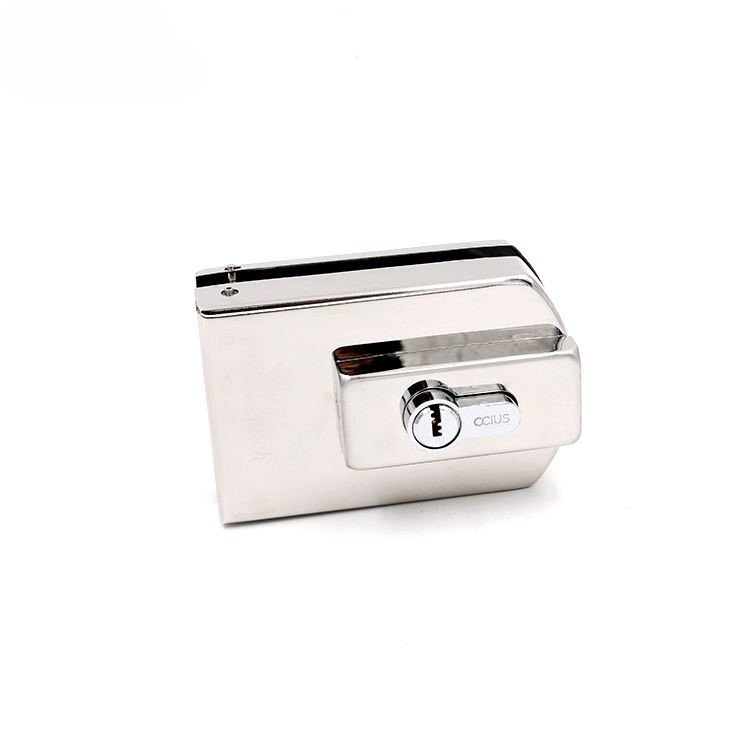
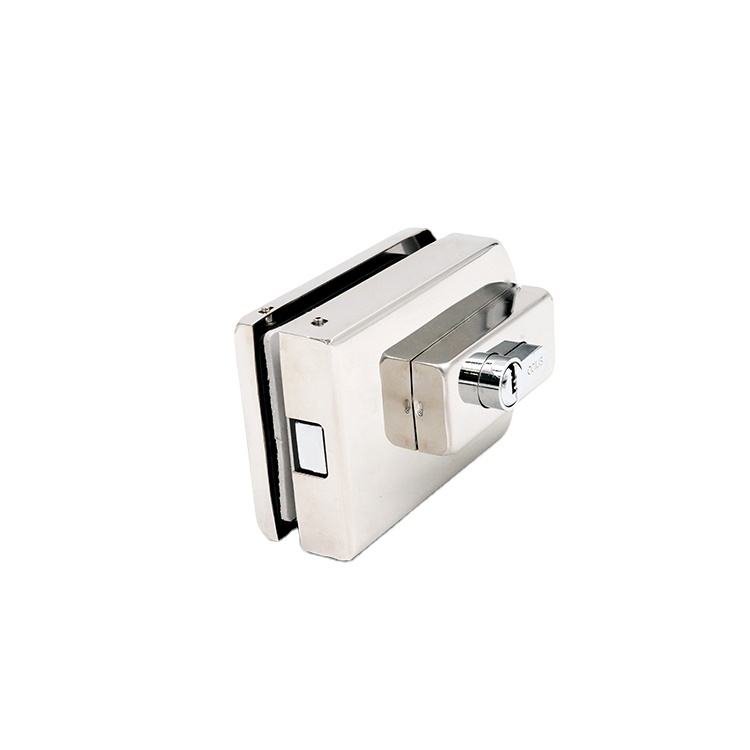
Selecting black, gold, bronze or champagne hardware for a commercial glass door project looks like a simple design decision on paper.
In real use, it is more complicated.
A matte black pull handle, a gold patch fitting or a bronze glass clamp may look perfect in a catalog photo. But after months of daily operation, cleaning and exposure, the real performance of the finish becomes clear.
Commercial architectural hardware faces both physical and chemical stress. Pull handles are gripped thousands of times, sometimes by users wearing rings or carrying keys. Glass clamps and patch fittings may be wiped with cleaning chemicals. Entrance hardware may face humidity, temperature changes, sunlight, sweat, dust or even salt air.
If the finish is selected incorrectly, a black handle may wear through at the grip area and reveal silver metal underneath. A gold fitting may discolor, peel or lose brightness. A powder-coated track may chip at the edge if it is hit by hard tools during installation.
The same color can be produced by different finishing methods, and those methods do not perform the same way.
Finish durability is not decided by color alone.
It is decided by base material, pretreatment, coating process, traffic level, cleaning method and application environment.
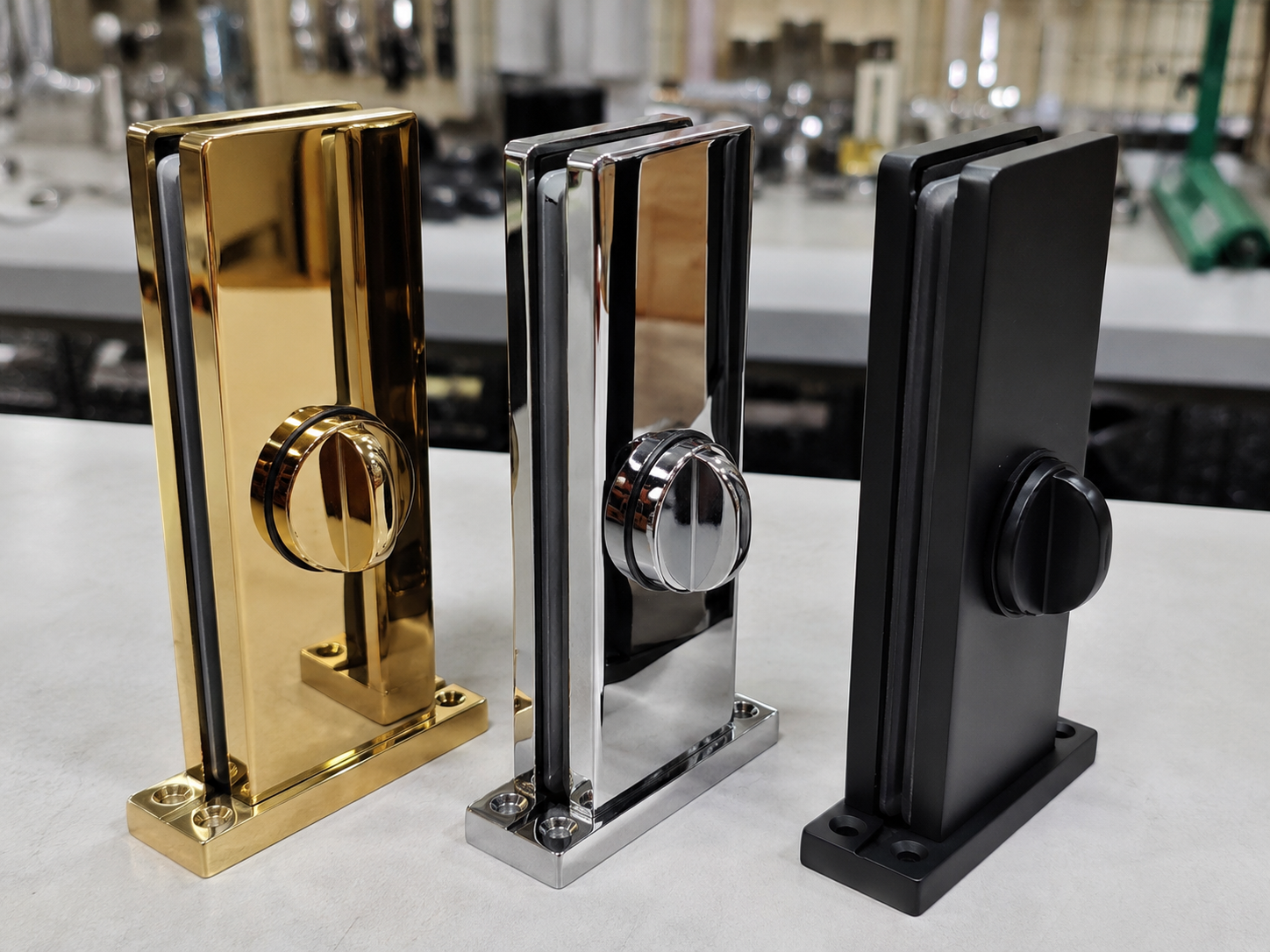
Quick Comparison: PVD, Electroplating and Powder Coating
| Finish Method | Best Use | Main Strength | Main Limitation |
|---|---|---|---|
| PVD coating | Premium handles, hotel hardware, gold, champagne, bronze or black decorative hardware | Better wear resistance and color stability than ordinary decorative plating | Higher cost, depends on base material and process control |
| Electroplating | Chrome, gold, nickel, brass bathroom hardware and decorative parts | Smooth decorative finish and good brightness | Can wear, discolor or peel if process, base material or environment is poor |
| Powder coating | Matte black, white, grey and colored aluminum or steel hardware | Cost-effective color coverage, good for matte finishes and larger profiles | Chipping risk under impact; added thickness may affect precision parts |
| Low-grade painting | Low-budget indoor hardware | Lowest cost | Weak durability, not suitable for heavy commercial use |
| Brushed or polished stainless steel | Natural stainless hardware finish | No colored coating layer to peel | Limited color options |
There is no single finish that is best for every hardware product. A pull handle, patch fitting, U-channel, sliding track, lock and shower hinge all face different wear conditions.
The correct finish should match the product function, base material, environment and budget.

Why Base Material Matters Before Finish
A premium finish cannot compensate for an unsuitable base material.
This is one of the most common mistakes in hardware selection. Buyers may focus on black, gold or champagne color, but the material underneath is just as important as the finish above it.
A finish is only as reliable as the material and surface preparation underneath it.
Stainless Steel
Stainless steel is widely used for pull handles, patch fittings, glass clamps, locks, standoffs and visible commercial hardware.
304 stainless steel is suitable for many indoor offices, retail stores and general commercial projects. 316 stainless steel is often preferred for coastal, poolside, humid or semi-outdoor environments where corrosion resistance matters more.
Stainless steel can be brushed, mirror polished, PVD coated or finished in black depending on product type and project requirement.
Brass
Brass is common in shower hinges, shower handles, bathroom accessories and decorative interior hardware. It is often a good base for chrome, gold and other electroplated finishes.
Brass can create a premium feel, but it still depends on plating quality, cleaning routine and wet-area exposure.
Aluminum
Aluminum is widely used for U-channels, sliding door tracks, profiles, frames and certain architectural systems. It is often anodized or powder coated.
Powder coating is especially common for matte black aluminum profiles and modern interior hardware systems.
Zinc Alloy or Cast Bodies
Some lock parts, patch fitting bodies or decorative hardware components may use zinc alloy or cast materials. These products depend strongly on surface preparation and suitable application environment.
For high-touch, wet or coastal projects, base material should be selected first. Finish should be selected second.
What Is PVD Coating?
PVD stands for Physical Vapor Deposition. It is a vacuum coating process that deposits a hard, thin decorative layer onto a properly prepared metal surface.
In architectural hardware, PVD is often used for premium colors such as:
- Gold
- Champagne gold
- Rose gold
- Bronze
- Black titanium
- Gunmetal
- Custom luxury tones
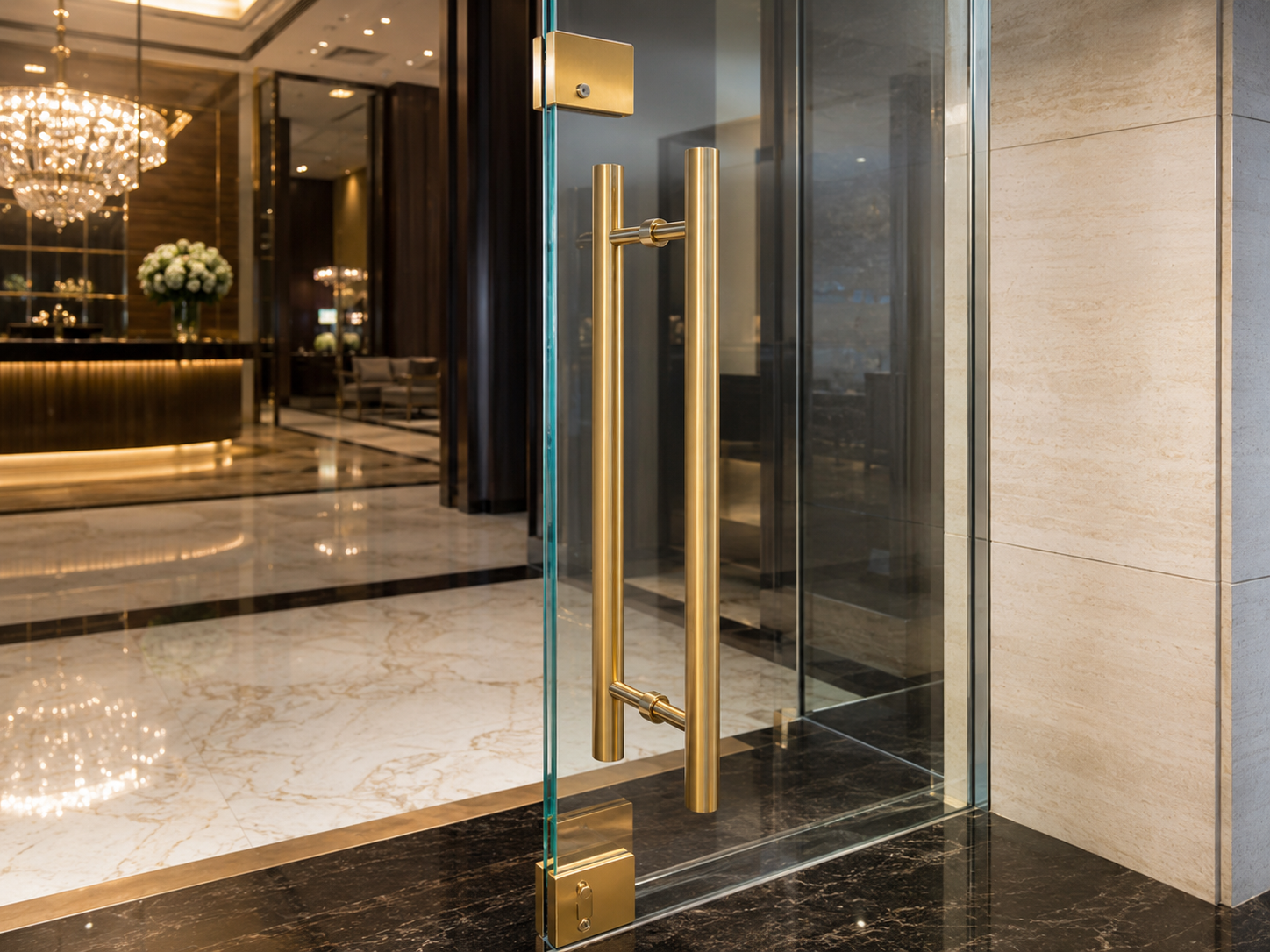
PVD coating is commonly used on hotel pull handles, luxury glass door hardware, shower fittings, patch fittings, locks, standoffs and decorative stainless steel hardware.
Compared with ordinary decorative plating, a well-controlled PVD finish usually offers better wear resistance and stronger adhesion. This makes it suitable for high-touch visible hardware where color durability and appearance matter.
PVD is often selected for:
- Hotel lobby hardware
- Luxury residential hardware
- High-end retail entrances
- Premium shower hardware
- Decorative glass door handles
- Gold or champagne architectural hardware
However, PVD should not be treated as a magic coating.
Its performance still depends on:
- Base material quality
- Surface polishing
- Cleaning before coating
- Coating process control
- Finish thickness
- Color consistency between batches
- Application environment
- Daily cleaning and maintenance
PVD can still be scratched by hard tools, sand particles, rough cleaning or strong impact. Different batches may also show slight color differences, especially for gold, champagne, bronze and rose gold tones.
For salt-air or poolside projects, PVD should still be specified together with a suitable corrosion-resistant base material, such as 316 stainless steel where appropriate.
For premium projects, a physical sample should be confirmed before bulk production.
What Is Electroplating?
Electroplating is a traditional finishing method that deposits a metal layer onto a product surface through a chemical or electrochemical process.
It is commonly used for:
- Chrome finish
- Gold finish
- Nickel finish
- Bronze tones
- Brass bathroom hardware
- Decorative handles
- Shower hinges and clamps
- Some lock and small hardware parts
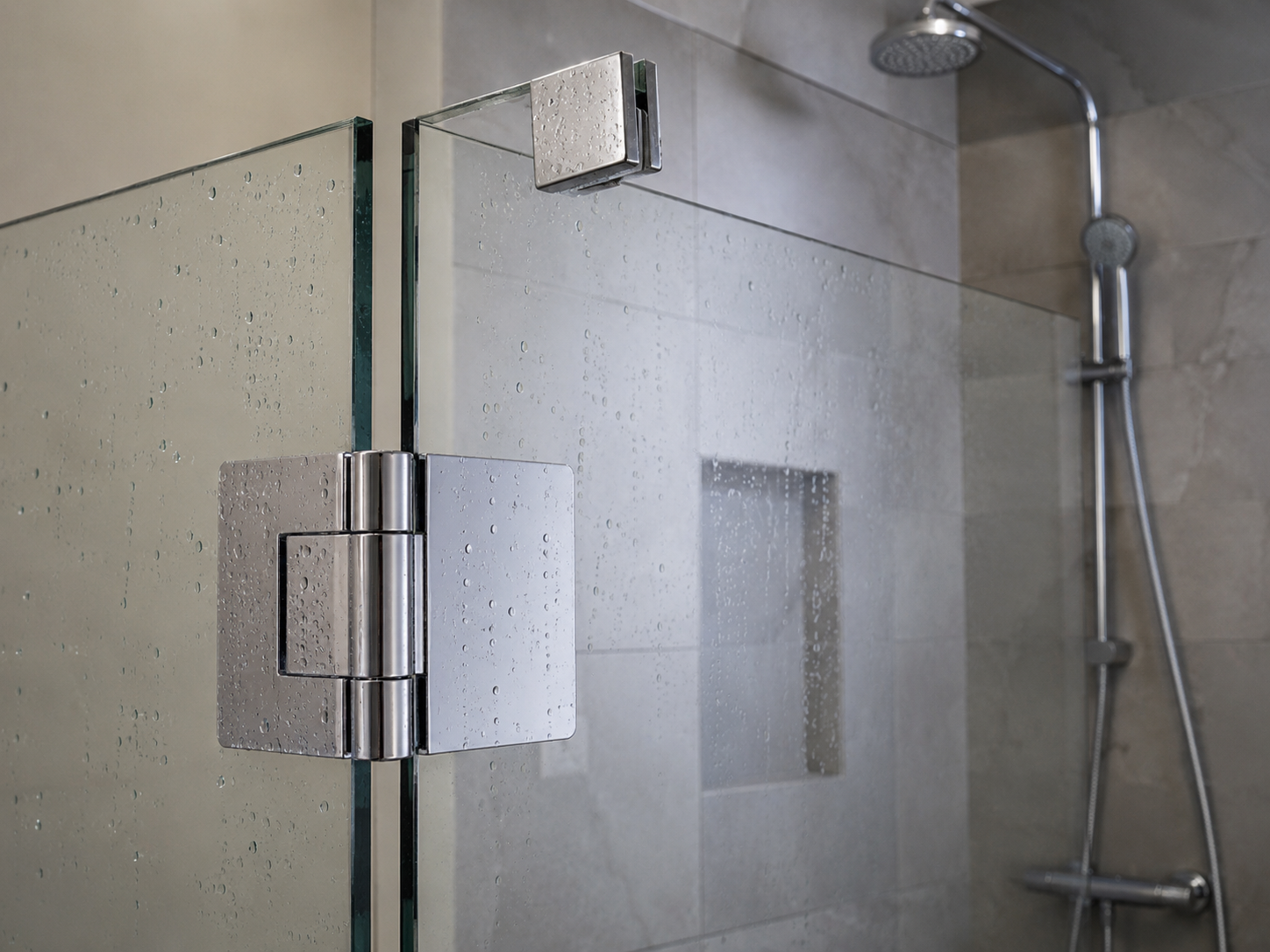
Electroplating can create a smooth, bright and decorative appearance. Chrome bathroom fittings, polished gold handles and decorative brass hardware often use electroplating.
Its advantage is appearance and cost control. A good electroplated finish can work well for indoor decorative hardware, bathroom fittings and suitable commercial applications.
But electroplating is more sensitive to process quality and environment.
Possible problems include:
- Surface discoloration
- Dullness
- Peeling
- Bubbling
- Wear at high-touch areas
- Water marks
- Corrosion from poor base preparation
This does not mean electroplating is a poor finish. It means electroplating should be used in the right application.
For chrome bathroom hardware and decorative brass fittings, electroplating can be a practical and attractive solution. For high-traffic commercial entrances, strong cleaning chemicals, coastal exposure or heavy-friction areas, the finish requirement should be reviewed more carefully.
What Is Powder Coating?
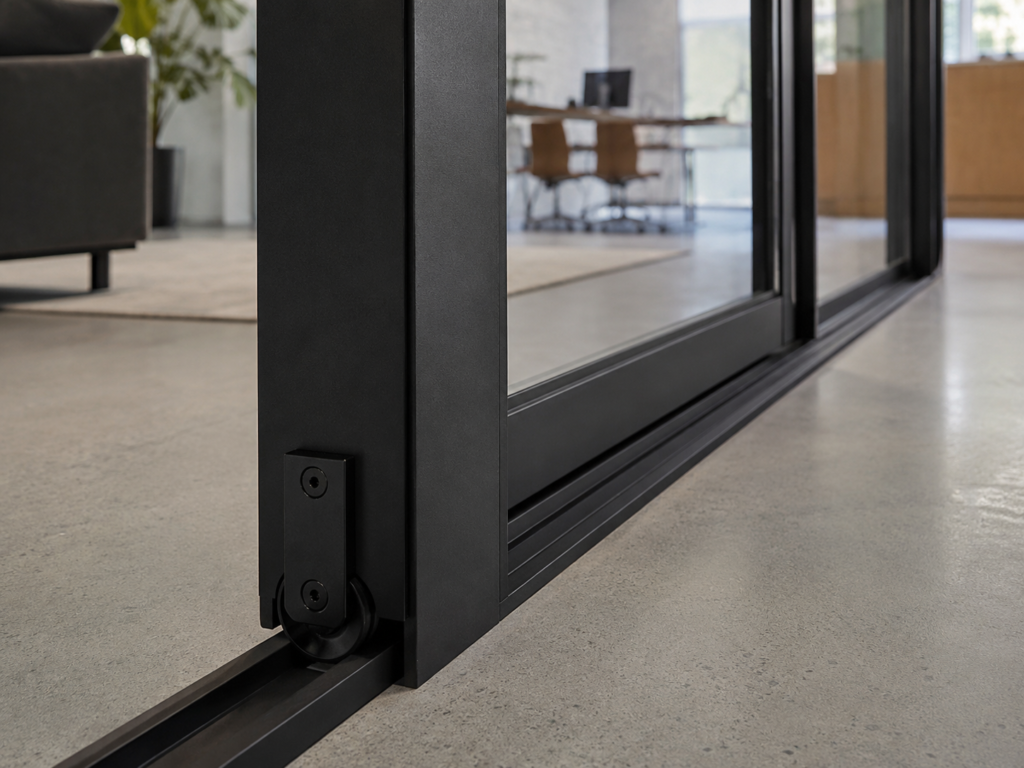
Powder coating uses dry powder applied to the metal surface, usually by electrostatic spraying, then cured by heat. It creates a solid colored coating layer.
Powder coating is widely used for:
- Matte black hardware
- White or grey hardware
- Aluminum profiles
- Sliding door tracks
- Door and window frames
- U-channels
- Large metal surfaces
- Modern interior hardware
Its main strength is color coverage. It is practical for matte black, white, grey and custom solid colors. It is also cost-effective for larger profiles and batch production.
This is why powder coating is common in modern offices, residential interiors, showrooms and black-framed glass systems.
However, powder coating still has limits.
It may create problems when used on precision parts without proper masking or process control. Because powder coating adds measurable coating thickness, it can interfere with internal threads, pivot inserts, tight-tolerance lock components or friction surfaces if these areas are not treated correctly.
Its limitations may include:
- Chipping risk under sharp impact
- Edge wear if protection is poor
- Possible peeling if pretreatment is weak
- Surface polishing in high-touch grip areas
- Wear risk in friction zones
- Dimensional interference on precision components
- Outdoor durability depending on powder grade and pretreatment
Powder coating can be practical for larger profiles and visible cover surfaces, but it may not be suitable for tight-tolerance internal parts, threaded holes or pivot inserts unless those areas are masked or finished separately.
Powder coating is useful, but application control matters.
Scratch Resistance, Corrosion Resistance and Color Stability
Buyers often ask which finish is “more durable.” But durability includes different types of performance.
Scratch Resistance
Scratch resistance means how well the finish resists damage from keys, rings, tools, sand particles, cleaning cloths or daily hand contact.
PVD usually performs better than ordinary decorative plating in high-touch areas. Powder coating may perform well on larger surfaces, but edges, impact points and grip areas need attention.
Peeling and Chipping Risk
Electroplating can peel or bubble if the base preparation, plating process or environment is poor. Powder coating is less likely to peel when the pretreatment is good, but it can chip under sharp impact.
PVD usually has stronger adhesion than ordinary decorative plating when processed correctly, but it still depends on base material and surface preparation.
Corrosion Resistance
Corrosion resistance means how well the hardware resists rust, staining, pitting or discoloration from moisture, salt, sweat, cleaning chemicals or outdoor exposure.
This depends strongly on base material. A premium surface finish on a poor or unsuitable base material may still fail in coastal or humid environments.
For coastal and poolside projects, material grade often matters more than color. 316 stainless steel is often a safer base material than 304 when chloride exposure is high.
Color Stability
Color stability means whether the finish remains visually consistent over time and across production batches.
Gold, champagne, bronze and black finishes may vary between suppliers and production batches. Matte black powder coating can also vary in gloss level, texture and tone.
A finish can be scratch-resistant but still have color variation. It can look beautiful but still be unsuitable for strong coastal exposure. These are separate issues.
Application-Based Finish Selection
The best finish depends on the project environment and how the hardware is used.
Hotel Lobby Hardware
Hotel lobbies usually need premium appearance and consistent finish across a full hardware set.
Suitable options may include:
- PVD gold, champagne or bronze
- Brushed stainless steel
- Mirror polished stainless steel
- 304 stainless steel for indoor areas
- 316 stainless steel for exposed or coastal areas
Hotel hardware often includes pull handles, patch fittings, floor spring cover plates, glass locks and door clamps. These parts should match in finish as much as possible.
Office Glass Door Hardware
Office glass doors need durability, easy maintenance and a professional appearance.
Common choices include:
- Brushed 304 stainless steel
- Matte black powder coating
- Black PVD for higher-end projects
- Polished stainless steel for selected premium areas
For many offices, brushed stainless steel remains a safe and practical option because it hides fingerprints and minor scratches better than mirror polish.
Retail Storefront Hardware
Retail storefront hardware is touched frequently and directly affects the entrance image.
Suitable finishes may include:
- Brushed 304 stainless steel
- Black PVD
- Higher-grade powder-coated matte black
- PVD gold or champagne for premium retail brands
Low-grade painted black finishes should be avoided in high-touch storefront areas because the grip zone may wear quickly from hands, rings and keys.
For high-traffic colored pull handles, black PVD or another higher-grade finish system should be considered instead of low-grade painting or thin decorative plating.
Shower and Bathroom Hardware
Shower hardware faces moisture, soap, cleaning chemicals and water marks.
Common finish options include:
- Chrome electroplating on brass
- PVD on brass or stainless steel
- Brushed stainless steel
- Matte black finish
- 304 or 316 stainless steel depending on exposure
For bathroom and shower hardware, finish selection must consider both appearance and cleaning routine. Harsh cleaners can damage poor plating, coating or polished surfaces.
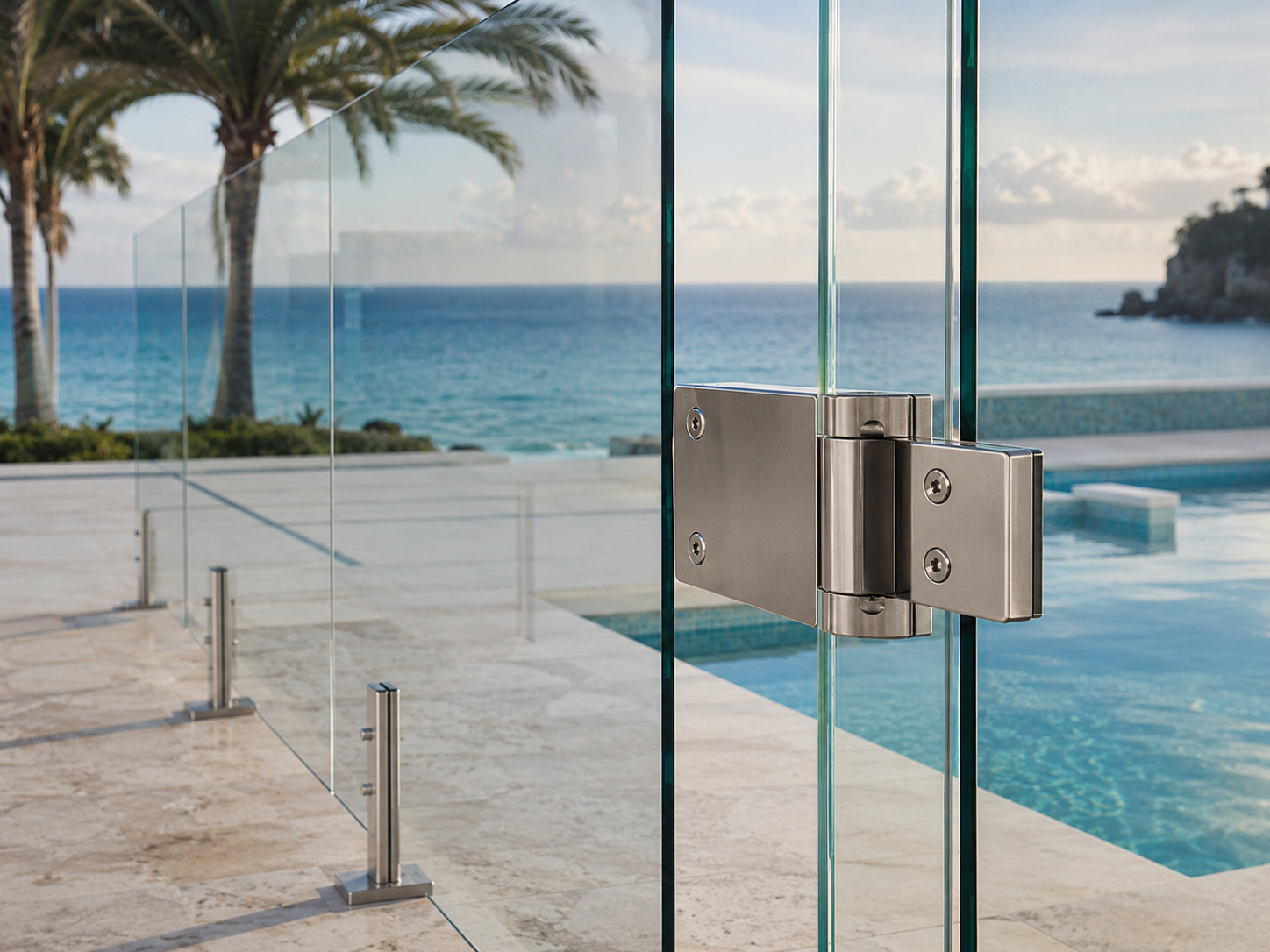
Coastal and Poolside Hardware
Coastal and poolside projects need more attention to corrosion resistance.
Suitable choices may include:
- 316 stainless steel base
- Brushed stainless steel
- Polished stainless steel
- PVD on suitable corrosion-resistant base material, depending on exposure
- Carefully selected finishes with proper maintenance
Low-grade plating, simple painting or unsuitable base materials should be avoided in strong salt-air environments.
For coastal projects, the first question should often be material grade, not color.
Product-Based Finish Selection
Different hardware products face different types of wear.
Pull Handles
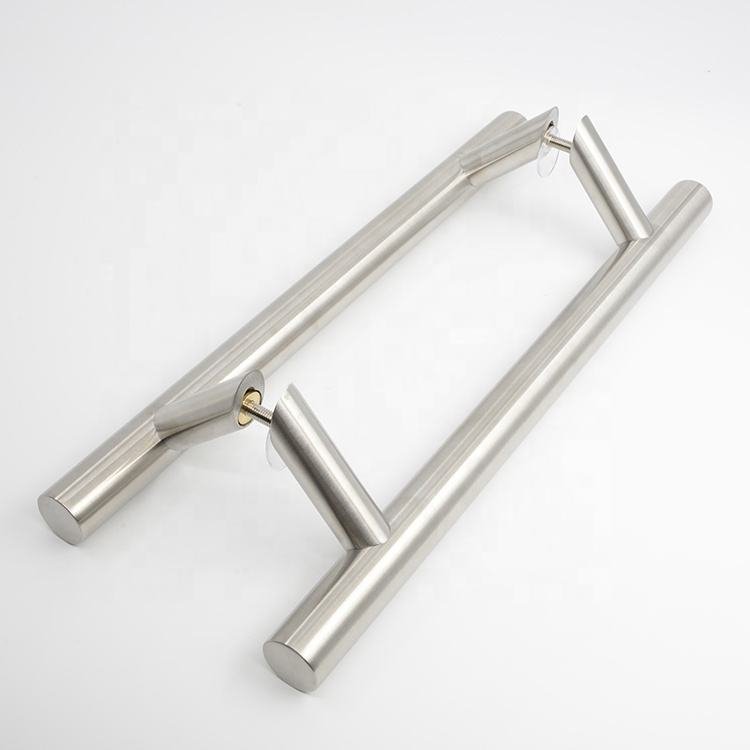
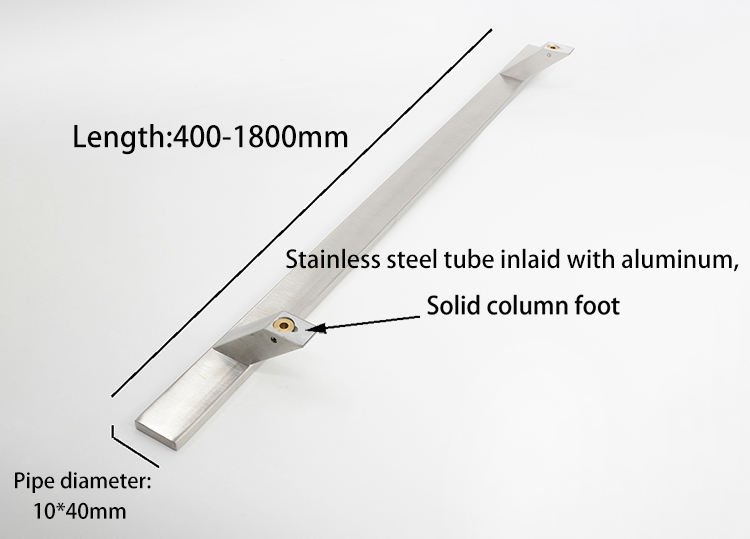
Pull handles are high-touch hardware. The finish must resist fingerprints, sweat, rings, keys and cleaning. For premium color handles, PVD is often a strong choice. For general commercial use, brushed stainless steel is practical.
Patch Fittings and Floor Spring Covers
Patch fittings and floor spring covers are highly visible on frameless glass doors. Finish consistency matters because they are seen together with pull handles and locks.
Brushed stainless steel, polished stainless steel, matte black and PVD finishes may be used depending on project style.
For internal inserts, pivot interfaces and threaded areas, coating thickness and fit should be considered carefully.
Glass Clamps and Shower Hinges
Glass clamps and shower hinges may face moisture, cleaning chemicals and user contact. Brass, stainless steel, chrome plating, brushed finish, matte black and PVD may all be used, but the correct choice depends on wet-area exposure and project level.
Sliding Door Tracks and U-Channels
Sliding door tracks, U-channels and aluminum profiles often use brushed aluminum, anodizing or powder coating. For black tracks, the installer should consider whether the visible surface is decorative or whether the area will face frequent friction from rollers or guides.
Locks and Small Hardware
Locks, keyholes, latch areas and small accessories may face frequent contact and scratching. Black or gold finishes around keyholes and lock bodies should be selected carefully because tools and keys may wear the finish faster than normal hand contact.
Finish Consistency Across a Full Hardware Set
A project rarely uses only one hardware item.
A full glass door or partition system may include:
- Pull handles
- Patch fittings
- Glass locks
- Floor spring cover plates
- Shower hinges
- Glass clamps
- Sliding tracks
- U-channels
- Standoffs
If these finishes do not match, the whole system can look inconsistent.
This is especially important for:
- Matte black
- Gold
- Champagne
- Bronze
- Rose gold
- Custom PVD colors
- Brushed stainless steel grain direction
- Mirror polish brightness
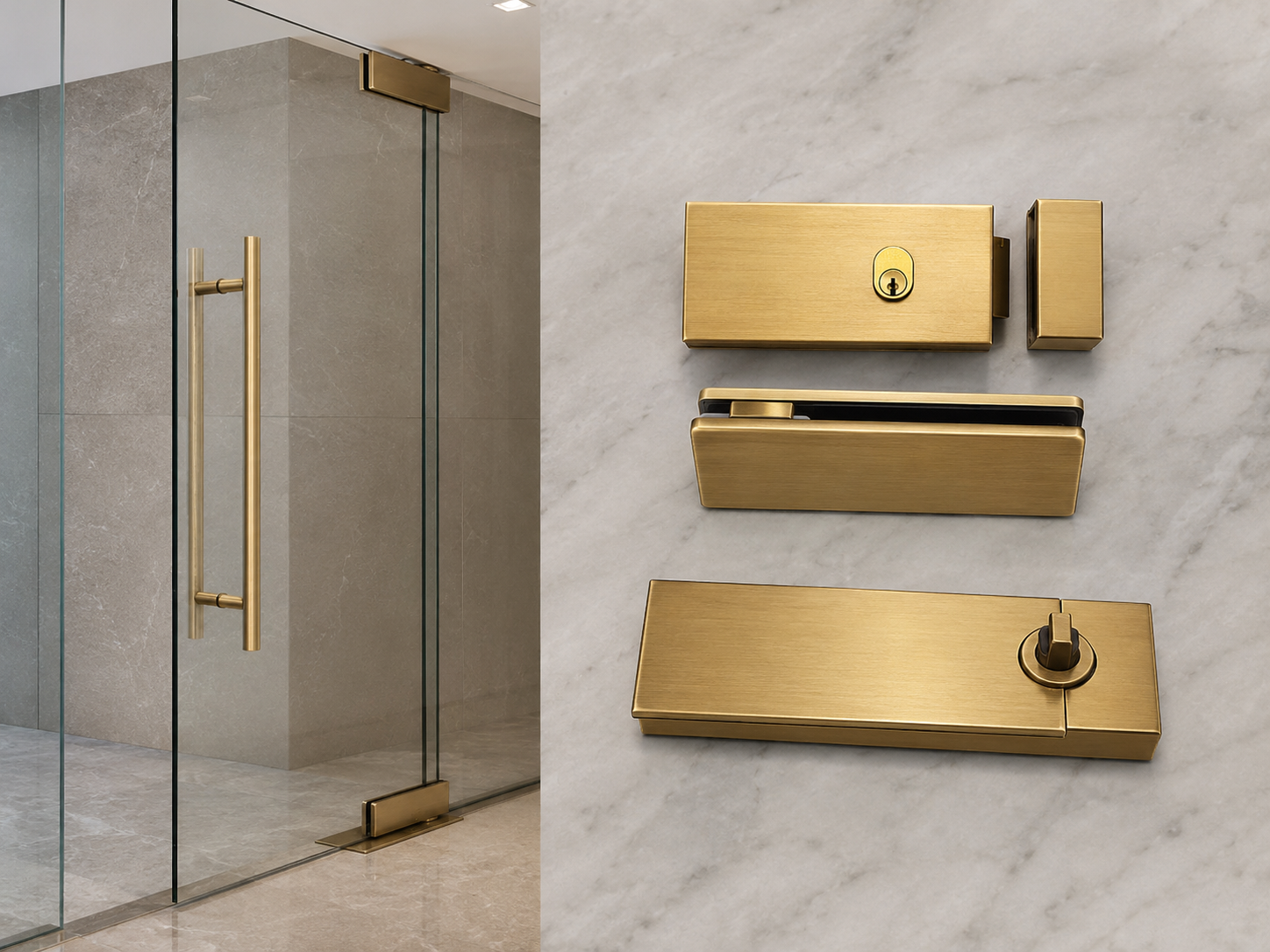
Different suppliers may use different tones. Even two “matte black” finishes can have different gloss levels. Two “gold PVD” finishes may look different under warm hotel lighting.
For premium projects, it is better to confirm a physical sample or finish board before bulk production. Phone photos are not reliable enough for final color approval because lighting and screen display can change the color.
Whenever possible, visible hardware should come from a coordinated supply source or be checked against the same project sample.
Cost Difference: Why PVD Is More Expensive
PVD is usually more expensive than ordinary decorative plating or basic powder coating.
The cost difference comes from several factors:
- Higher polishing requirement
- Careful surface cleaning before coating
- Vacuum coating equipment
- Longer process control
- Batch color control
- Higher appearance requirement
- Lower tolerance for visible defects
Electroplating cost depends on plating type, layer quality, base material, environmental treatment and finish requirement. It can be economical for many decorative applications, especially chrome and certain bathroom hardware finishes.
Powder coating is often cost-effective for larger profiles, aluminum parts and matte color finishes. It is practical for black frames, tracks and some modern architectural hardware.
Low-grade painting is the cheapest option, but it is usually not suitable for high-touch commercial hardware.
The price difference is not only about color. It reflects surface preparation, process control, durability expectation and quality consistency.
Common Mistakes Before Choosing a Finish
Choosing color before material
A black, gold or chrome finish may look good, but the base material must match the environment.
Assuming PVD never scratches
PVD is usually more durable than ordinary decorative plating, but it is not scratch-proof.
Using electroplating in the wrong environment
Electroplating can work well indoors, but wet areas, strong cleaners and high-touch locations require more careful selection.
Using powder coating on precision parts without checking tolerance
Powder coating adds thickness. Internal threads, spindle inserts, lock parts and tight assembly areas may need masking or separate treatment.
Using powder coating in high-friction areas without checking wear risk
Powder coating is useful for matte color surfaces, but friction zones and impact edges need attention.
Mixing black finishes from different suppliers
Matte black, satin black and black PVD may look different in the same project.
Expecting premium finish to save low-grade base material
A good finish cannot compensate for unsuitable material in wet, coastal or high-traffic applications.
Ignoring coastal exposure
For coastal hardware, corrosion-resistant base material such as 316 stainless steel may matter more than surface color.
Confirming finish only by photo
Photos are affected by lighting, camera settings and screen display. Samples are better for final approval.
Forgetting batch color consistency
Gold, champagne and bronze finishes should be checked carefully for hotels, villas and premium retail projects.
Practical Selection Guide
Choose PVD if:
- Premium gold, champagne, bronze or black finish is required
- The project is a hotel, villa or high-end retail space
- The hardware is touched frequently
- Better color durability is needed
- Budget allows a higher finish level
Choose electroplating if:
- Chrome, gold or decorative finish is needed
- The hardware is for bathroom or interior decorative use
- Budget needs to be controlled
- The environment is not too harsh
- Process quality is confirmed
Choose powder coating if:
- Matte black or custom solid color is needed
- The part is an aluminum profile, frame, track or larger surface
- The project is a modern interior
- Cost and color coverage matter
- Impact and friction risk are manageable
- Tight-tolerance areas can be protected or controlled
Choose brushed or polished stainless steel if:
- Natural metal finish is acceptable
- Peeling risk should be avoided
- Maintenance and durability are priorities
- The project needs practical commercial hardware
- Color coating is not required
The best finish is not always the most expensive one. It is the finish that fits the base material, project environment, user contact level and budget.
How Metech Supports Hardware Finish Selection
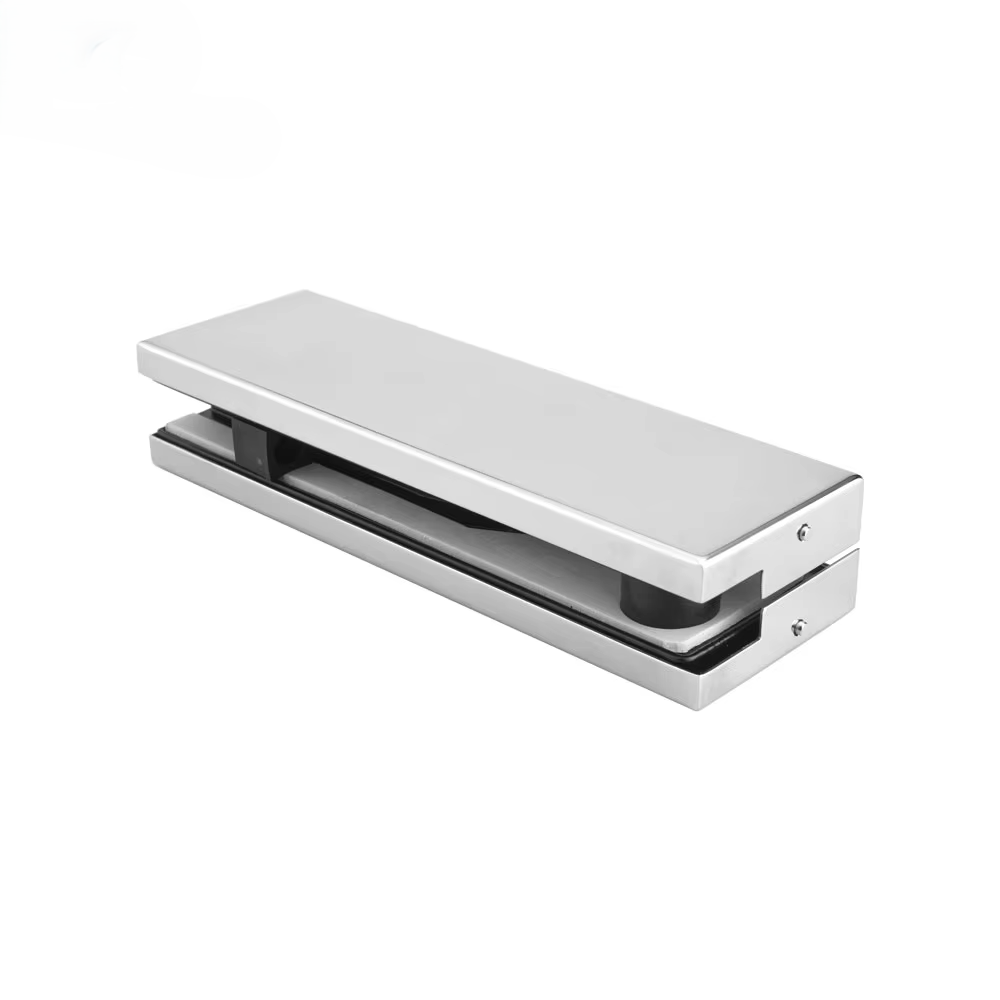
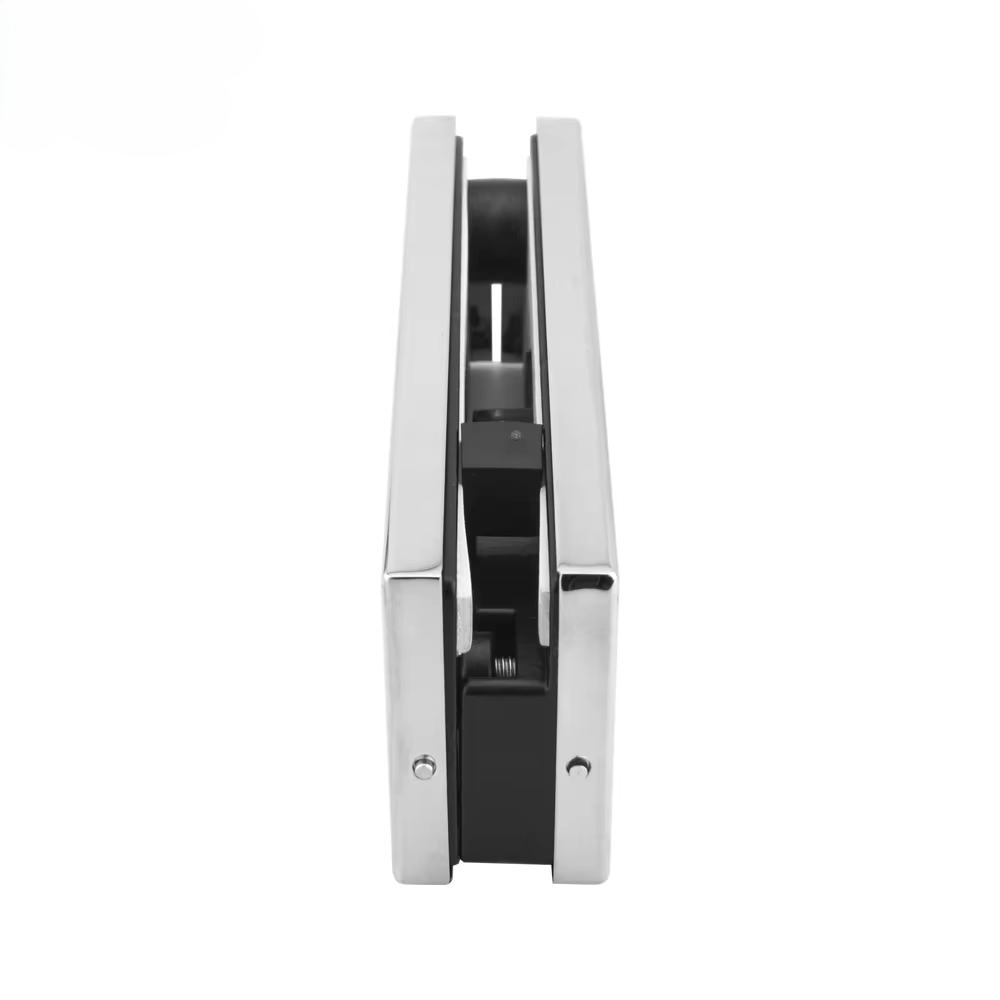
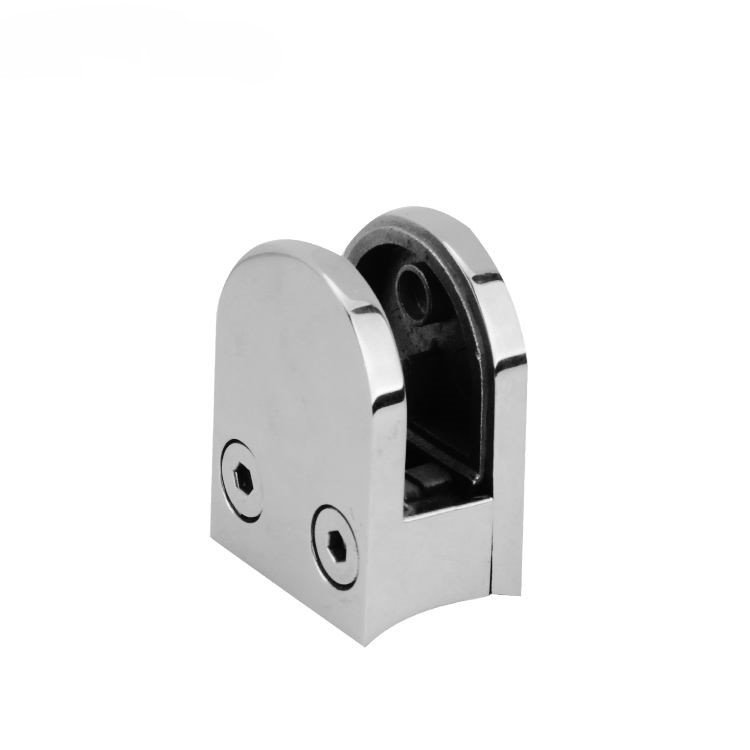
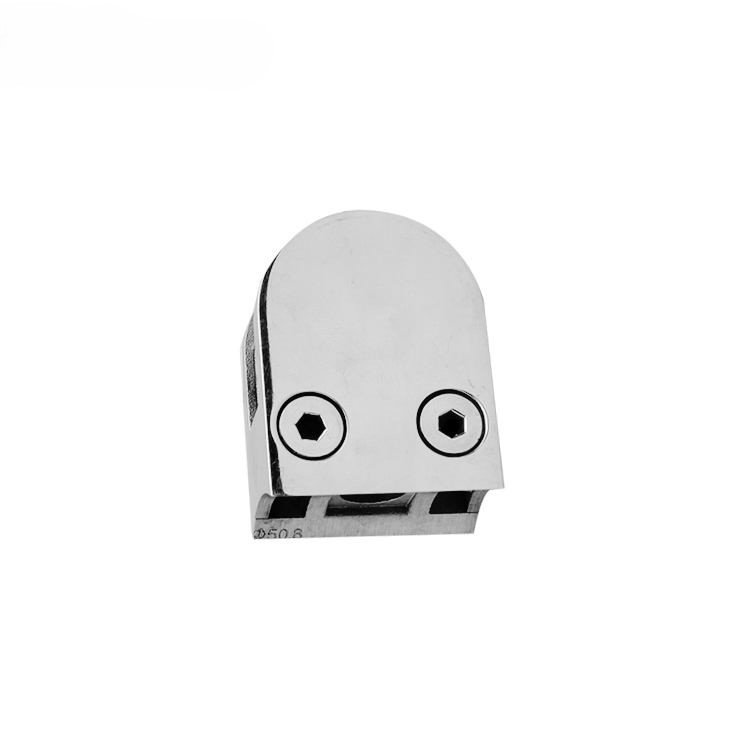
Metech Hardware supports finish selection for architectural glass and door hardware projects, including pull handles, patch fittings, glass locks, shower hinges, glass clamps, floor spring cover plates, sliding systems, U-channels and related fittings.
Available material and finish options may include:
- 304 stainless steel
- 316 stainless steel
- Brass
- Aluminum
- Brushed stainless steel
- Mirror polished stainless steel
- Matte black
- Chrome
- Gold
- Champagne
- Bronze
- PVD finish
- Electroplating
- Powder coating, depending on product type
Before recommending a finish, we prefer to check:
- Product type
- Base material preference
- Finish color
- Application environment
- Indoor, outdoor, coastal or wet-area condition
- Traffic level
- Quantity
- Sample requirement
- Whether the finish must match other hardware
- Reference photo or physical finish sample
For overseas buyers, contractors and distributors, Metech can help coordinate visible hardware finishes across handles, locks, patch fittings, glass clamps, shower hardware and related architectural fittings.
We can also support mixed hardware orders, helping buyers combine pull handles, patch fittings, glass locks, shower fittings, sliding hardware and other visible hardware in coordinated finishes and export-ready packing.
FAQ
Is PVD better than electroplating?
PVD usually offers better wear resistance and color stability than ordinary decorative plating, especially for premium color hardware. But the final performance still depends on base material, process quality and application environment.
Is powder coating good for matte black door hardware?
Yes, powder coating can be practical for matte black hardware, especially aluminum profiles, frames and larger surfaces. For high-touch handles, precision fittings or friction areas, wear and tolerance should be checked carefully.
Does PVD coating scratch?
PVD is more wear-resistant than many decorative finishes, but it is not scratch-proof. Hard tools, sand particles, rough cleaning and strong impact can still damage it.
Why did my matte black door handle turn silver?
This usually happens when a high-touch handle uses low-grade paint, thin decorative plating or an unsuitable black finish. Daily friction from hands, rings and keys can wear through the black layer and reveal the metal underneath.
Which finish is best for coastal hardware?
For coastal hardware, base material is critical. 316 stainless steel is often preferred. The surface finish should then be selected according to exposure, maintenance and project appearance.
Which finish is best for shower hardware?
Chrome electroplating on brass, brushed stainless steel, 304 or 316 stainless steel and PVD finishes can all be used depending on the project level, cleaning routine and moisture exposure.
Why is PVD more expensive?
PVD usually requires better polishing, cleaner surface preparation, vacuum coating equipment, tighter batch control and stricter appearance requirements. These factors increase cost.
Can matte black finishes from different suppliers look different?
Yes. Matte black can vary in gloss level, texture and tone. It is better to confirm physical samples if several hardware types must match in the same project.
Can Metech match the same finish across handles, locks and patch fittings?
Yes. Metech can help coordinate finishes across pull handles, patch fittings, locks, glass clamps, shower fittings and other visible hardware according to project requirements.
Need Help Choosing the Right Hardware Finish?
Send us your product type, base material, finish color, application environment, quantity and matching requirement. Metech Hardware can help recommend suitable PVD, electroplated, powder-coated or stainless steel finishes for glass door hardware, shower fittings, handles, locks and architectural hardware projects.