Glass doors and partitions in restaurants and cafés are not used only to make the space look bright. They affect how the restaurant operates every day.
A café may want to open its frontage to the street during mild weather. A restaurant may need to close an air-conditioned dining area from a terrace. A private dining room may need a glass partition that keeps the room bright but still gives guests a sense of separation. A mall restaurant may need a transparent frontage that can be opened during business hours and locked after closing.
The door may look transparent, but the working condition is not light-duty.
In food-service spaces, glass hardware has to handle customer flow, staff movement, repeated cleaning, drink spills, grease, fingerprints, noise control and daily opening cycles. The right hardware is not selected by appearance alone. It should match the door type, opening width, glass thickness, panel weight, cleaning condition, locking requirement and how the restaurant actually operates.
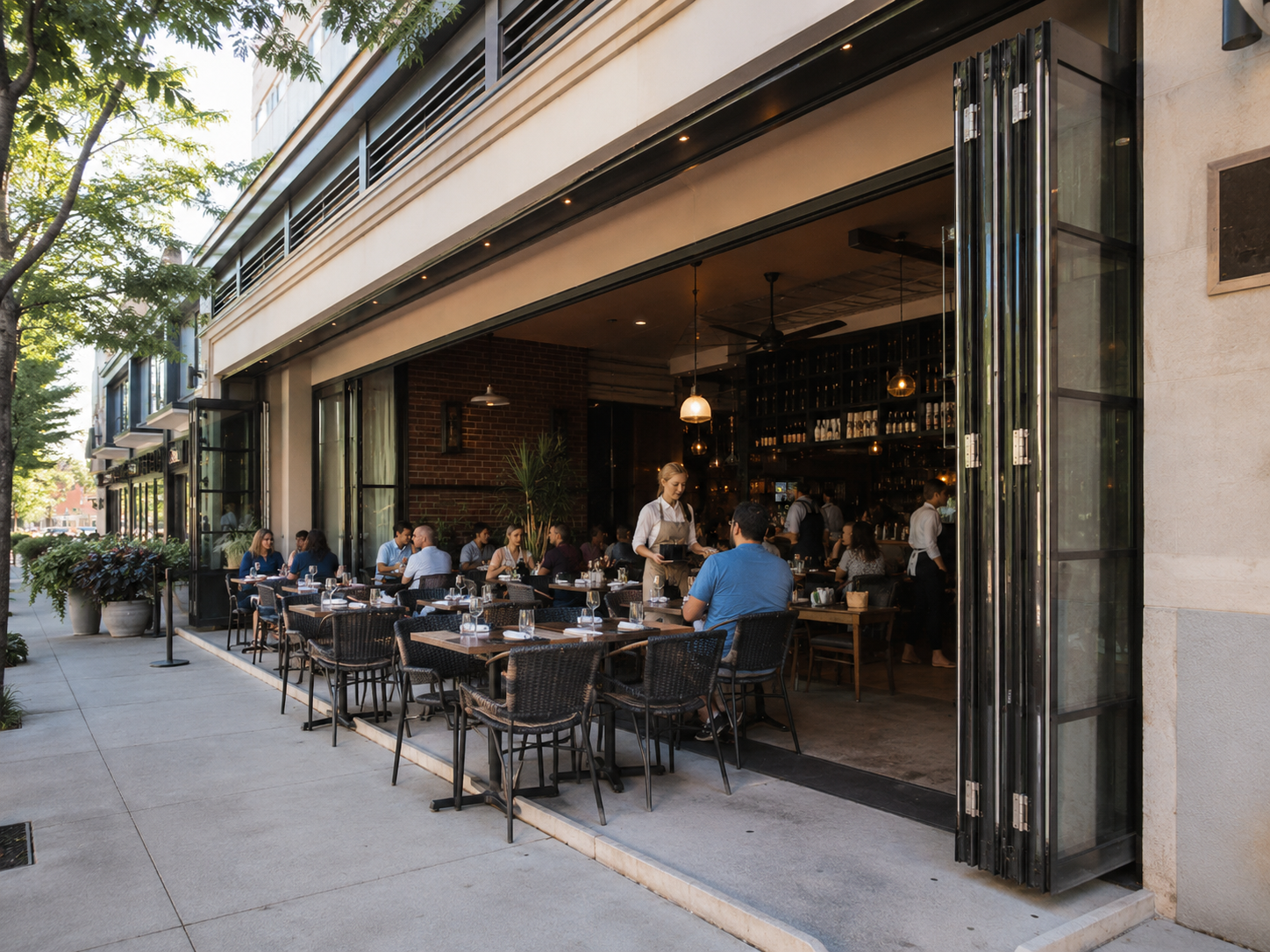
Where Glass Door and Partition Systems Are Used in Restaurants and Cafés
Restaurant and café projects often use several types of glass systems in the same space. Common applications include:
- Restaurant frontage
- Café entrance
- Indoor-outdoor dining boundary
- Terrace enclosure
- Private dining room partition
- Mall restaurant glass frontage
- Hotel restaurant entrance
- Kitchen or service area partition
- Booth divider
- Bar counter or dessert shop screen
- Takeaway counter glass divider
These areas do not all need the same hardware. A wide restaurant frontage may need folding glass doors. A private dining room may use sliding glass doors or fixed glass partitions. A main entrance may use a swing glass door with floor spring and pull handle. A counter screen may only need fixed clamps and connectors.
The first question should be: how does this area work during a normal business day?
Does the door stay open for long hours? Is it closed every night? Do staff pass through it while carrying trays? Will customers touch the glass and handles constantly? Is the floor cleaned with water every day? Is the door near the kitchen, where grease and moisture may affect the fittings?
These details decide the hardware more than the rendering does.
Main Glass Door and Partition Types for F&B Projects
A restaurant project may combine folding doors, sliding doors, swing doors and fixed glass partitions. Each system solves a different problem.
| Door / partition type | Suitable use | What to check before ordering |
|---|---|---|
| Folding glass doors | Wide frontage, terrace opening, indoor-outdoor dining area | Opening width, panel quantity, glass weight, track type, alignment and locking |
| Sliding glass doors | Private room, service corridor, space-saving divider | Track, roller, floor guide, soft-close, handle and lock position |
| Swing glass doors | Entrance, staff route, private room entrance | Floor spring, patch fitting, closing speed, pull handle and lock |
| Fixed glass booth dividers | Seating separation, booth divider, counter screen | Glass clamp, U-channel, bracket strength and cleaning access |
| Frameless glass frontage | Visibility and commercial appearance | Locking, handle, patch fitting and bottom fixing |
The right solution is not always the most expensive one. It depends on opening width, available space, traffic flow, cleaning method and how the restaurant uses the opening.
Folding Glass Doors for Restaurant Frontage and Terrace Openings
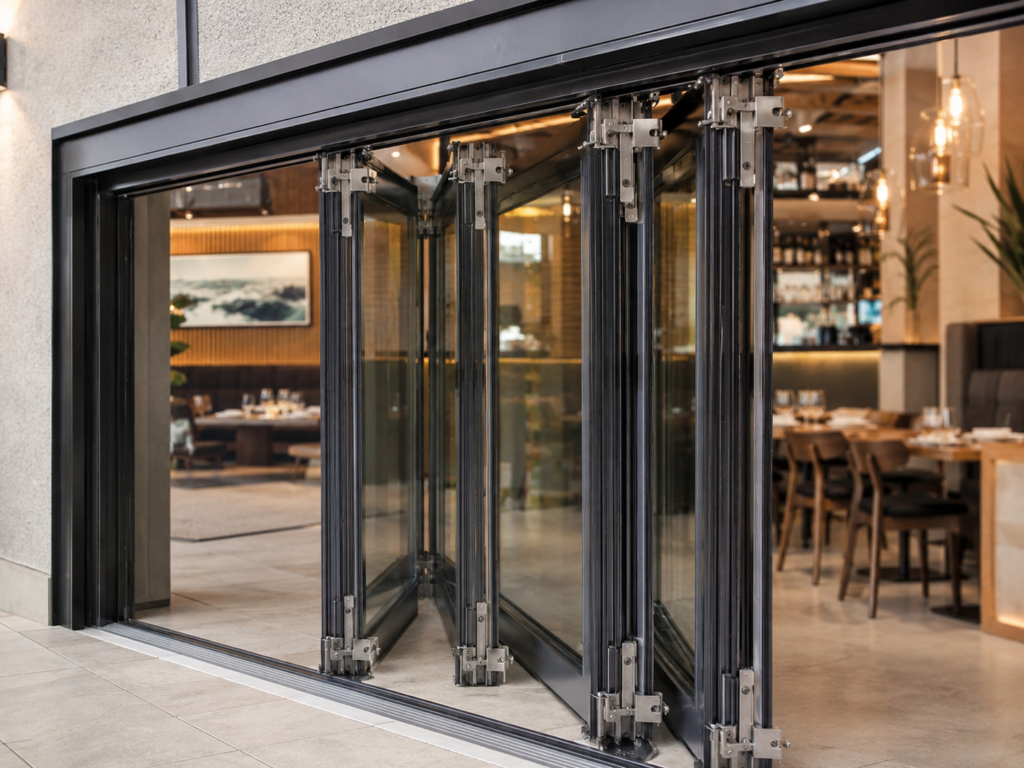
Folding glass doors are useful when a restaurant or café needs a wide opening. During business hours, the panels can be folded to connect indoor seating with a terrace or outdoor dining area. After closing, the same panels can return to form a glass boundary.
This makes folding doors attractive for:
- Street-facing restaurants
- Café frontage
- Semi-outdoor dining areas
- Terrace enclosures
- Mall restaurants with wide display openings
- Indoor-outdoor dining concepts
- Private dining rooms that need flexible layout
But folding doors are not simply several glass panels connected together.
The more panels a folding system has, the more important alignment becomes. Each panel adds weight, hinges, rollers, track points and locking points. If the track is not straight, the floor is uneven, or the panel weight is not calculated correctly, the system may become hard to fold, noisy or difficult to close.
For example, a 3.0m × 2.4m opening using 12mm tempered glass can easily exceed 210kg before adding rollers, hinges, handles and locking hardware. This weight must be transferred either through the top structure, the bottom track, or a combination of both depending on the system design.
Before selecting folding glass door hardware, the project should check:
- Opening width
- Number of panels
- Glass thickness
- Estimated panel weight
- Top-hung or bottom-rolling structure
- Beam or floor condition
- Floor level tolerance
- End-panel locking requirement
- Daily opening frequency
- Indoor, semi-outdoor or exterior exposure
- Finish requirement
For a restaurant frontage, the folding system must be easy for staff to operate. If a door requires too much force, staff may avoid opening it fully. If alignment is poor, the panels may drag or fail to close neatly at the end of the day.
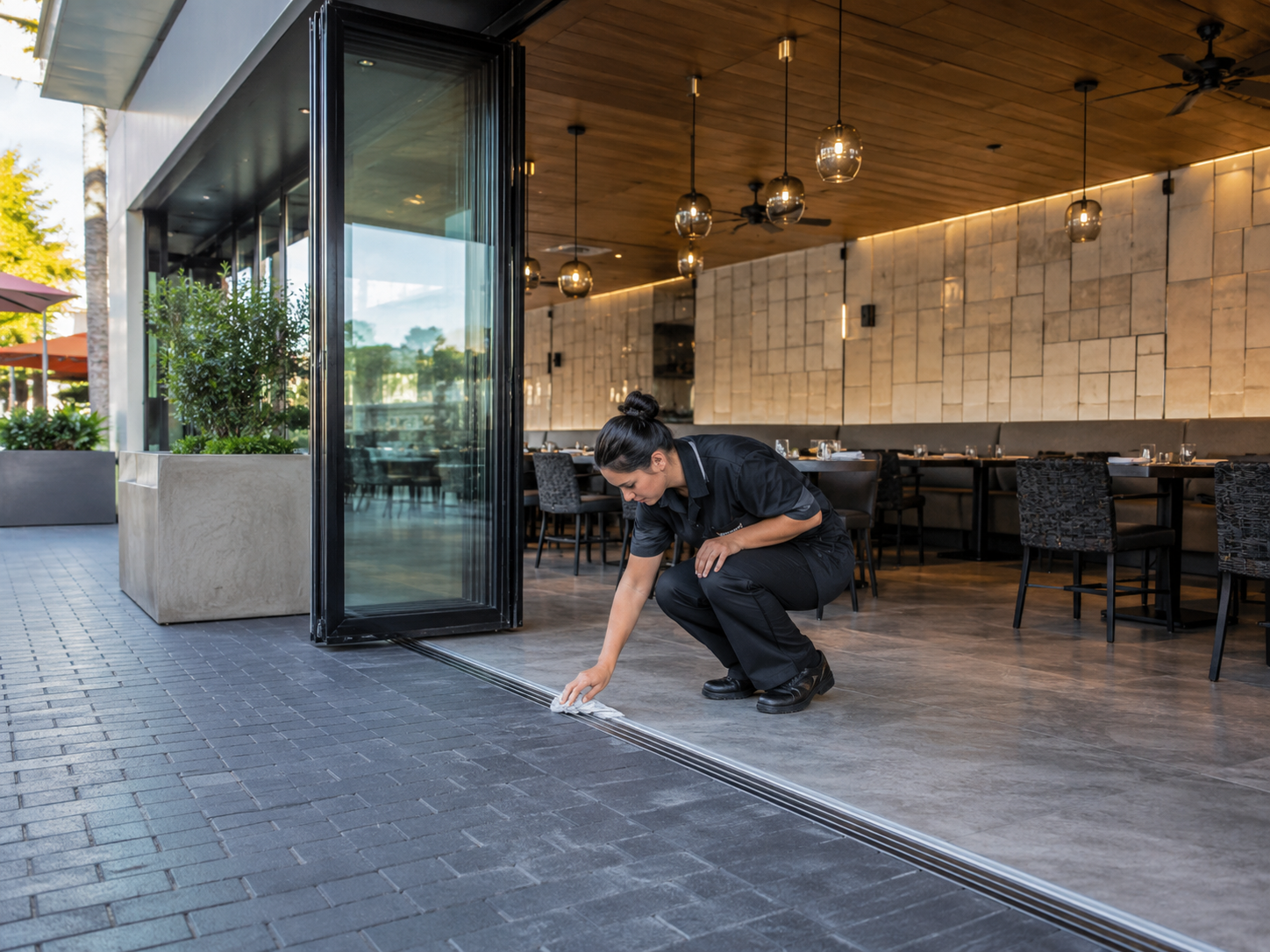
Top-Hung vs Bottom-Rolling Folding Systems
Folding glass doors usually need a clear load path. The project should know whether the system carries weight from above or from the floor.
Top-hung folding systems carry the panel weight from the overhead track. This can keep the floor cleaner and reduce the need for a deep bottom track. In some systems, the floor track can be minimized, kept flush, or replaced by discrete guide and locking points, depending on the design.
This is helpful for restaurants because staff and customers do not want to step over a deep floor channel. It also makes trolley movement and floor cleaning easier.
The constraint is structural. The overhead lintel, beam or ceiling structure must be strong enough to carry the dead load of the glass panels. A standard decorative ceiling or hollow drywall frame is not enough for heavy glass folding doors.
Bottom-rolling folding systems carry more weight through the bottom track and rollers. This can be useful for renovation projects where the upper structure cannot support heavy hanging loads.
The trade-off is cleaning. In a restaurant or café, a bottom track can collect crumbs, dust, spilled drinks, grease and cleaning water. If the track is deep or difficult to access, the rollers may become noisy, stiff or hard to operate after months of daily use.
Neither system is automatically better. The right choice depends on structural support, floor condition, cleaning method and how often the door is operated.
Sliding Glass Partitions for Private Dining and Flexible Zones
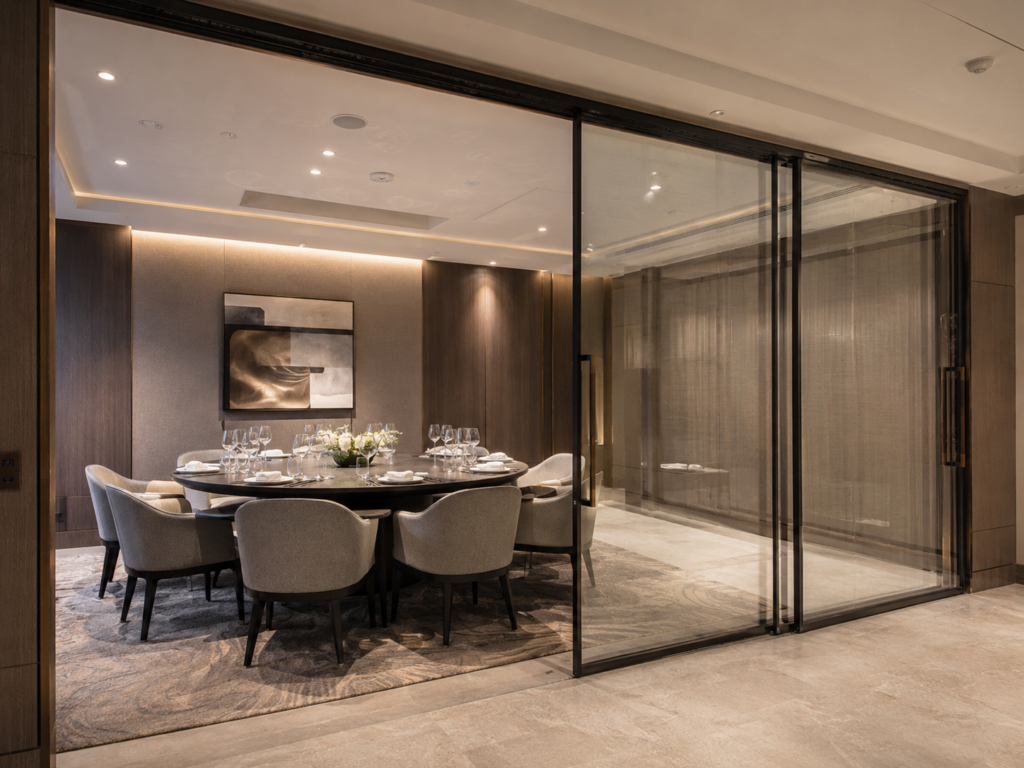
Sliding glass doors can be useful in restaurants and cafés where swing space is limited. They are commonly used for private dining rooms, service corridors, café back rooms, kitchen-side partitions or small interior dividers.
In restaurant spaces, the most important sliding door concerns are usually:
- Quiet movement
- Stable floor guide
- Easy cleaning around the guide
- Soft closing
- Handle position
- Lock alignment
- Enough wall space for the panel to slide
Soft-close dampers are especially useful near dining tables. A heavy sliding panel that closes too hard can create noise, vibration and poor user experience. In many systems, the damper engages near the final 50–100mm of travel, depending on the design, to slow the door before it reaches the end stop.
For quieter movement, POM or polyurethane rollers with sealed precision bearings are often preferred, depending on the system design. The exact roller and load rating should be selected according to panel weight and supplier specifications.
This article does not repeat the full sliding door selection logic. For a detailed sliding system guide, the page can internally link to: Sliding Glass Door Hardware Solutions for Offices, Showrooms and Residential Interiors.
For restaurant use, the extra point is cleaning. A floor guide or lower track should not become a trap for food crumbs, dust, cleaning water or grease. The design should allow daily cleaning without affecting door movement.
Swing Glass Doors and Floor Springs for Dining Entrances
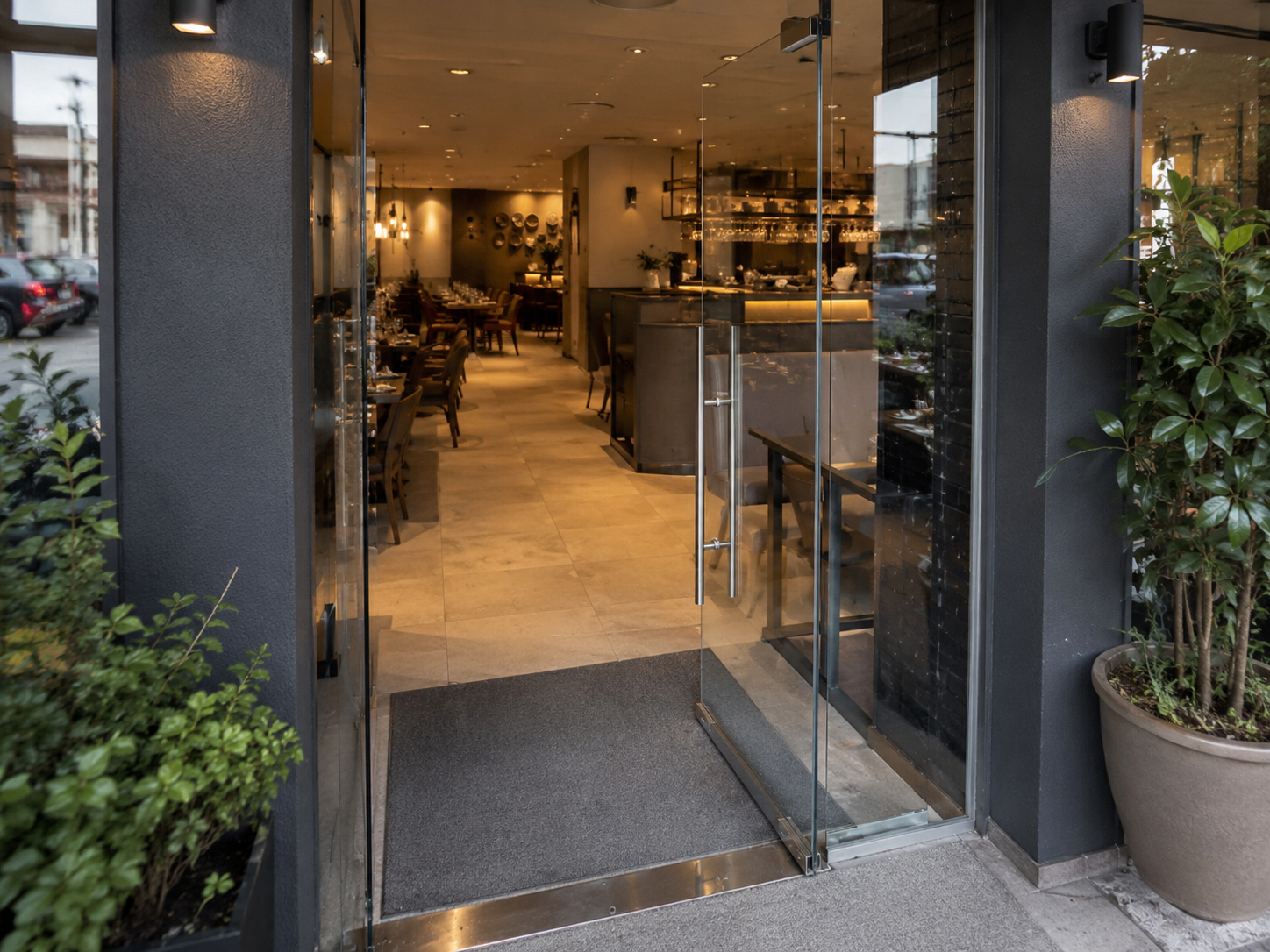
Many restaurants and cafés still use swing glass doors for entrances, private rooms and service areas. A frameless glass swing door can work well when the opening is not too wide and the project needs a familiar door experience.
Common hardware may include:
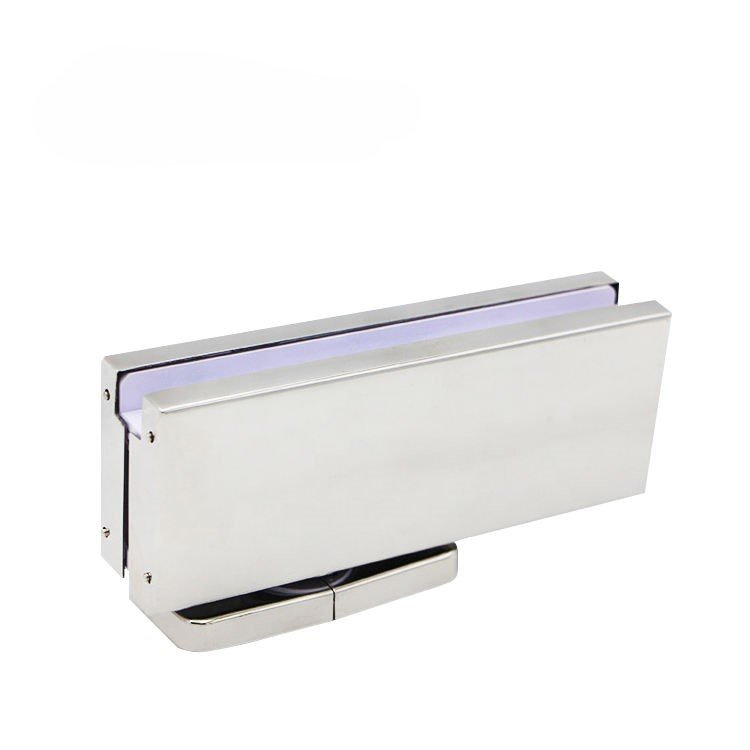
- Floor spring
- Top and bottom patch fitting
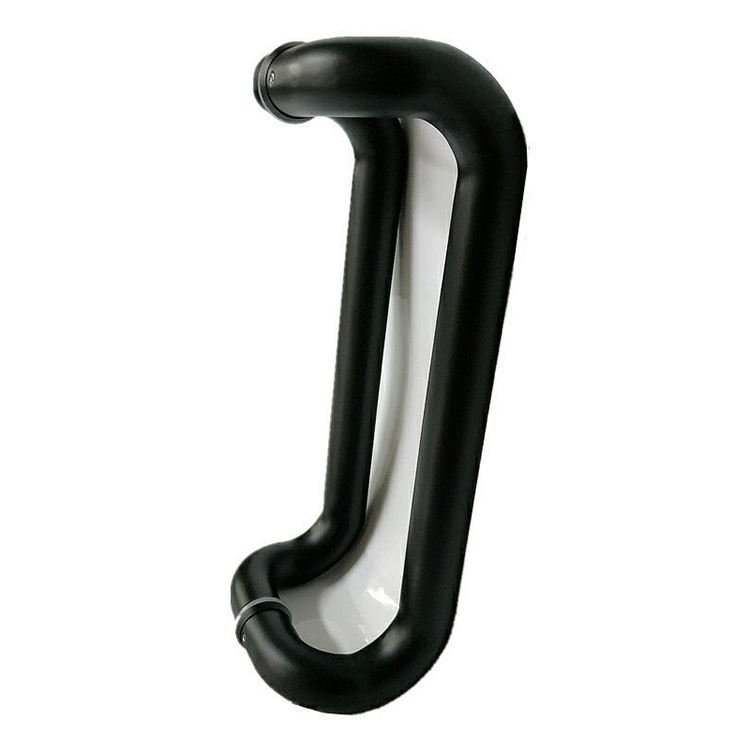
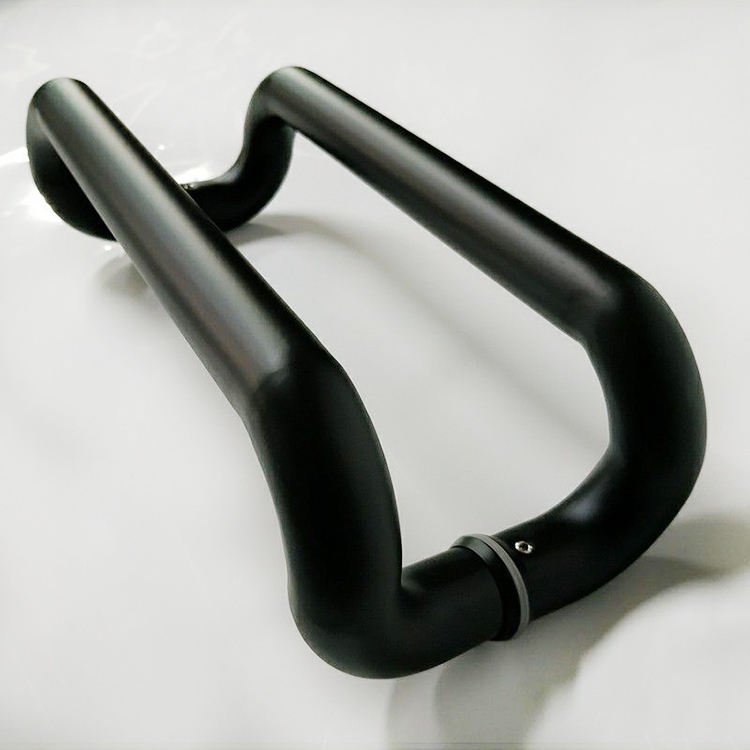
- Pull handle
- Glass door lock
- Top pivot
- Door closer or speed-control function
- Strike plate or keeper
For restaurant entrances, the door should not close too fast or too slowly. If it closes too fast, it may feel unsafe for customers. If it closes too slowly, the air-conditioned area may lose cooling and the entrance may feel uncontrolled.
The floor spring or closer should match the glass door size, width and weight. A wider door creates more leverage and needs more careful door control. In a restaurant, the door may be opened by customers, staff, delivery riders and cleaning workers throughout the day, so the hardware should be selected for real use, not only for the first installation test.
Fixed Glass Booth Dividers and Counter Screens
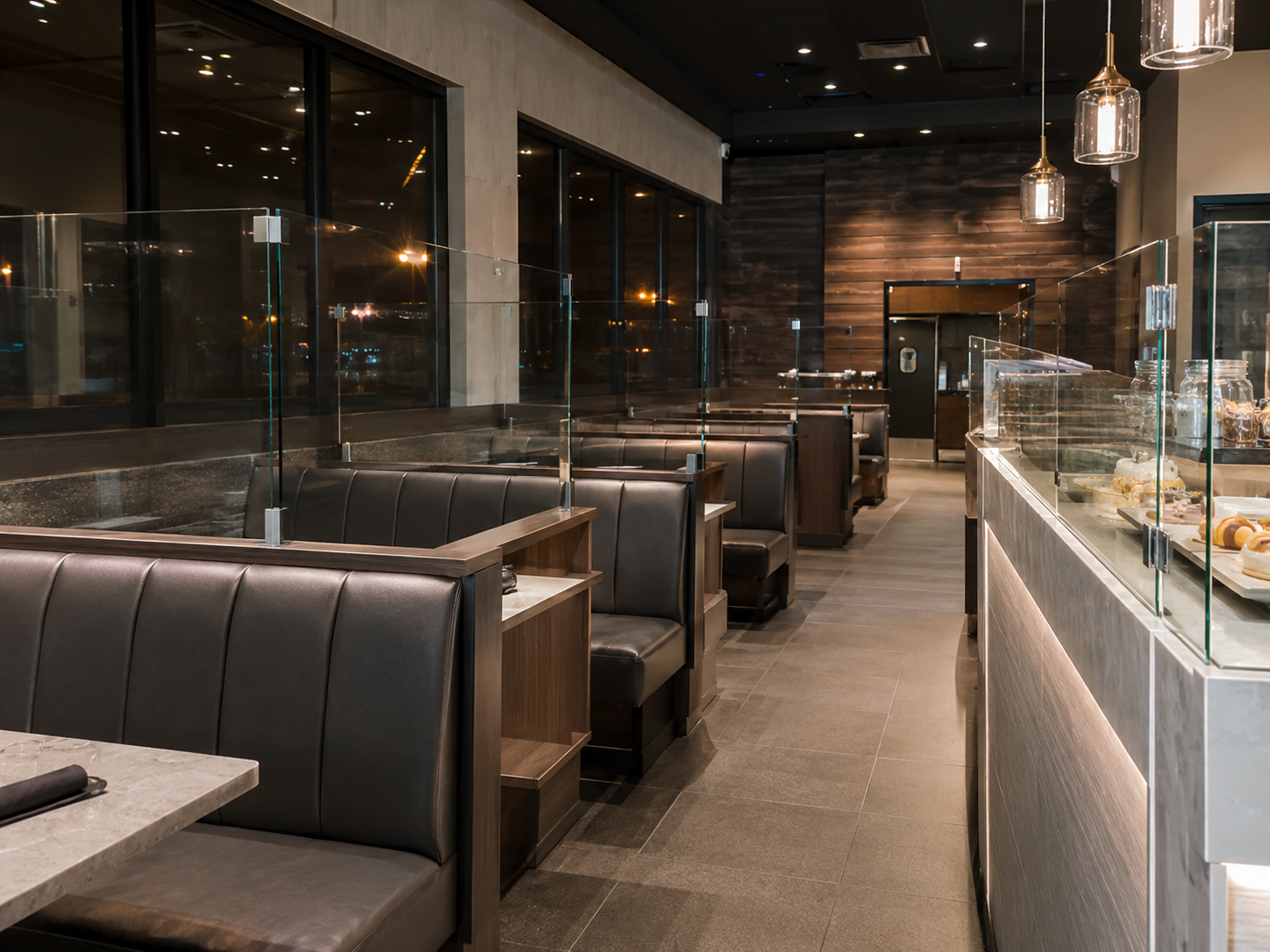
Not every glass division in a restaurant needs to move. Many restaurants use fixed glass screens for booth separation, counter protection, dessert display areas, takeaway counters or light dining-zone separation.
Common fixed glass hardware may include:
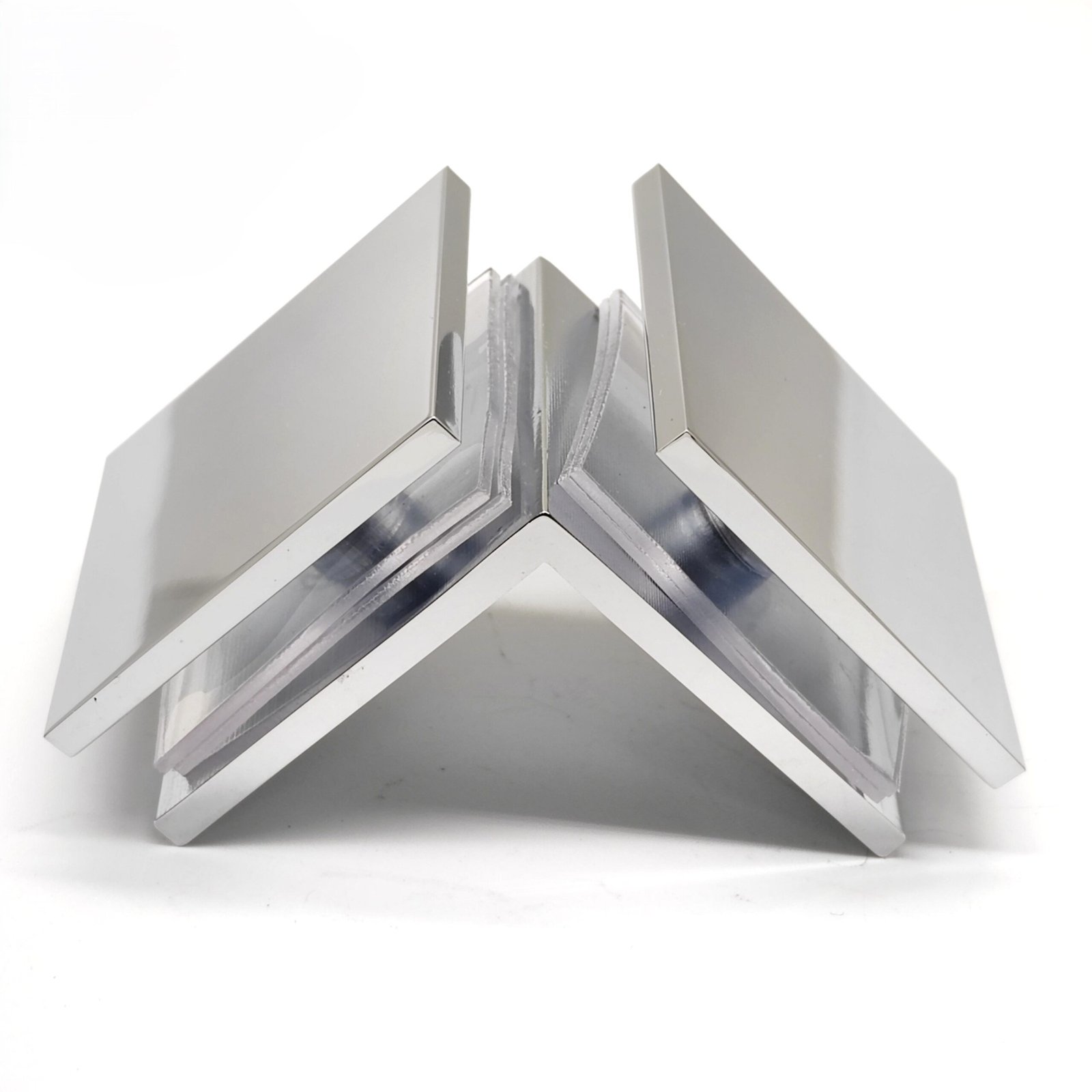
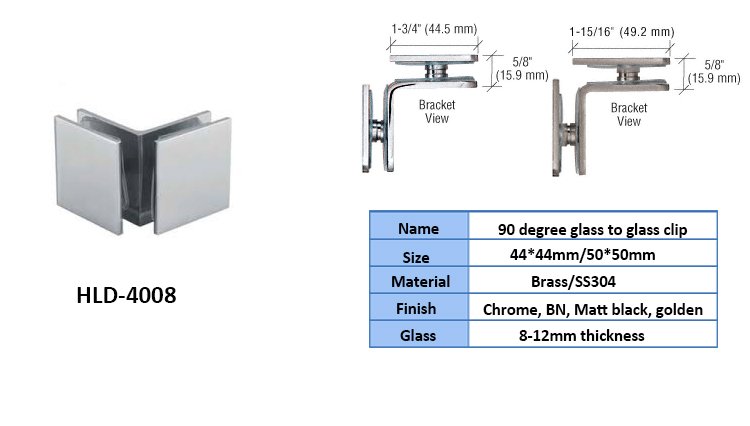
- Square glass clamps
- Round glass clamps
- D-style glass clamps
- U-channel
- Glass-to-wall connectors
- Glass-to-glass connectors
- Stainless steel brackets
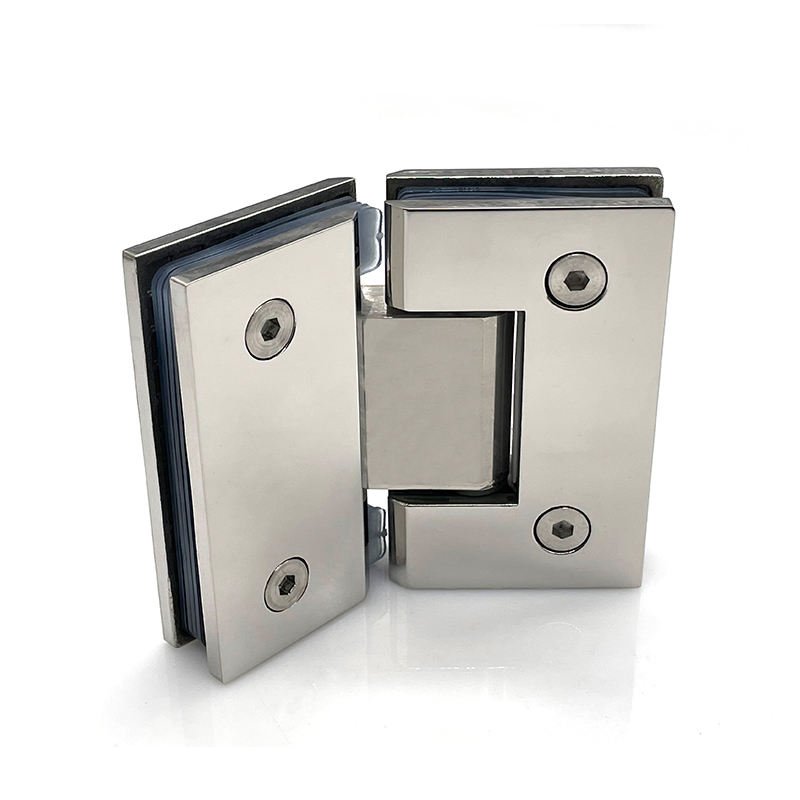
- Adjustable positioning hinges for selected counter screens
Fixed glass dividers may use 8mm, 10mm or 12mm glass depending on height, fixing method and project requirement. Low booth dividers may not need the same hardware as tall freestanding screens. A tall glass screen near a busy walkway should be checked more carefully for stability and impact resistance.
The fixing surface also matters. Glass clamps may be fixed to timber booth structures, metal frames, countertops, concrete floors or wall surfaces. The hardware should match both the glass thickness and the substrate.
In food-service areas, fixed glass hardware should also be easy to clean. Complicated grooves, exposed screw areas and dirt traps can become a maintenance problem.
Cleaning, Moisture and Daily Maintenance Matter
Restaurant and café hardware faces conditions that many office interiors do not.
Food-service spaces often have:
- Fingerprints on glass and handles
- Drink spills near the floor
- Grease near kitchen or service areas
- Frequent floor cleaning
- Cleaning chemicals
- Staff moving quickly through openings
- Customers pushing or pulling doors in different ways
- Repeated contact with handles, locks and clamps
This affects hardware selection.
Exposed lower tracks or floor guides should be easy to clean. Hardware finish should be practical for repeated wiping. Handles should be comfortable and not too sharp or difficult to grip. If the door is near a kitchen or service area, stainless steel hardware may be easier to maintain than finishes that show fingerprints or scratches quickly.
For many indoor restaurant projects, SS304 stainless steel is commonly used. For semi-outdoor terraces, humid areas or coastal locations, SS316 may be considered depending on the environment. The final material choice should depend on budget, cleaning conditions, exposure and finish requirement.
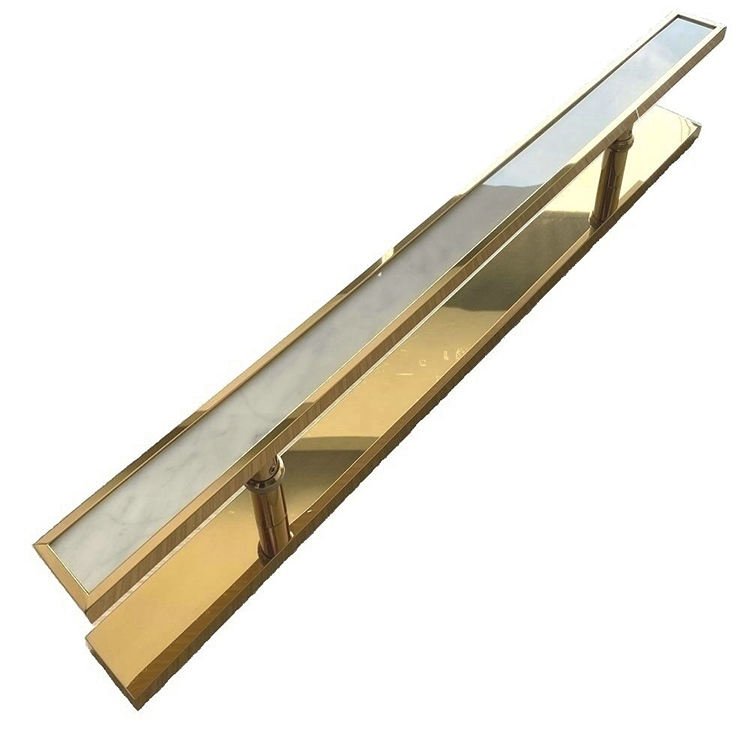
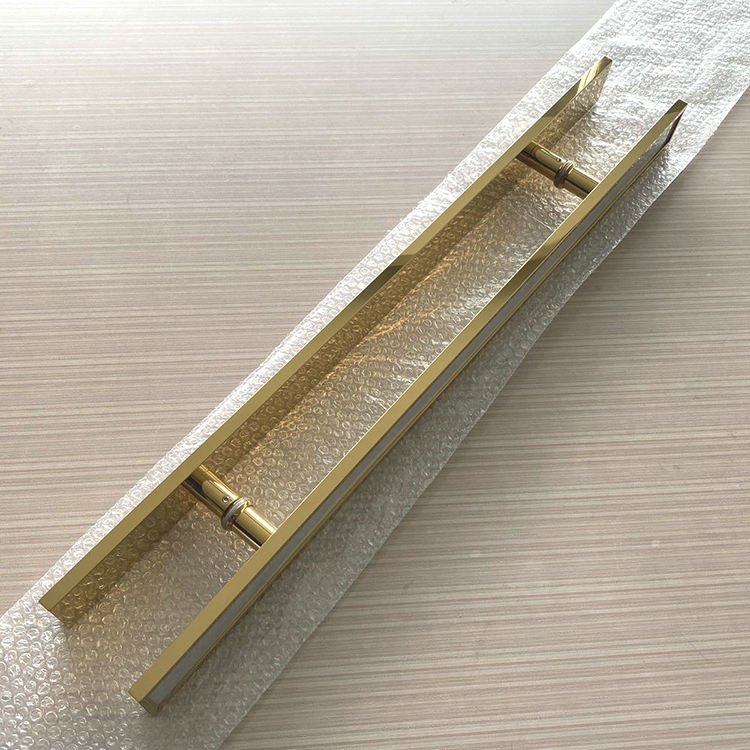
Black, brushed stainless steel, polished stainless steel and selected PVD finishes may all be used, but finish should be selected with maintenance in mind. A finish that looks good in a sample may behave differently after daily cleaning and repeated customer contact.
Locking After Business Hours
Restaurants and cafés often use glass systems differently during the day and at night.
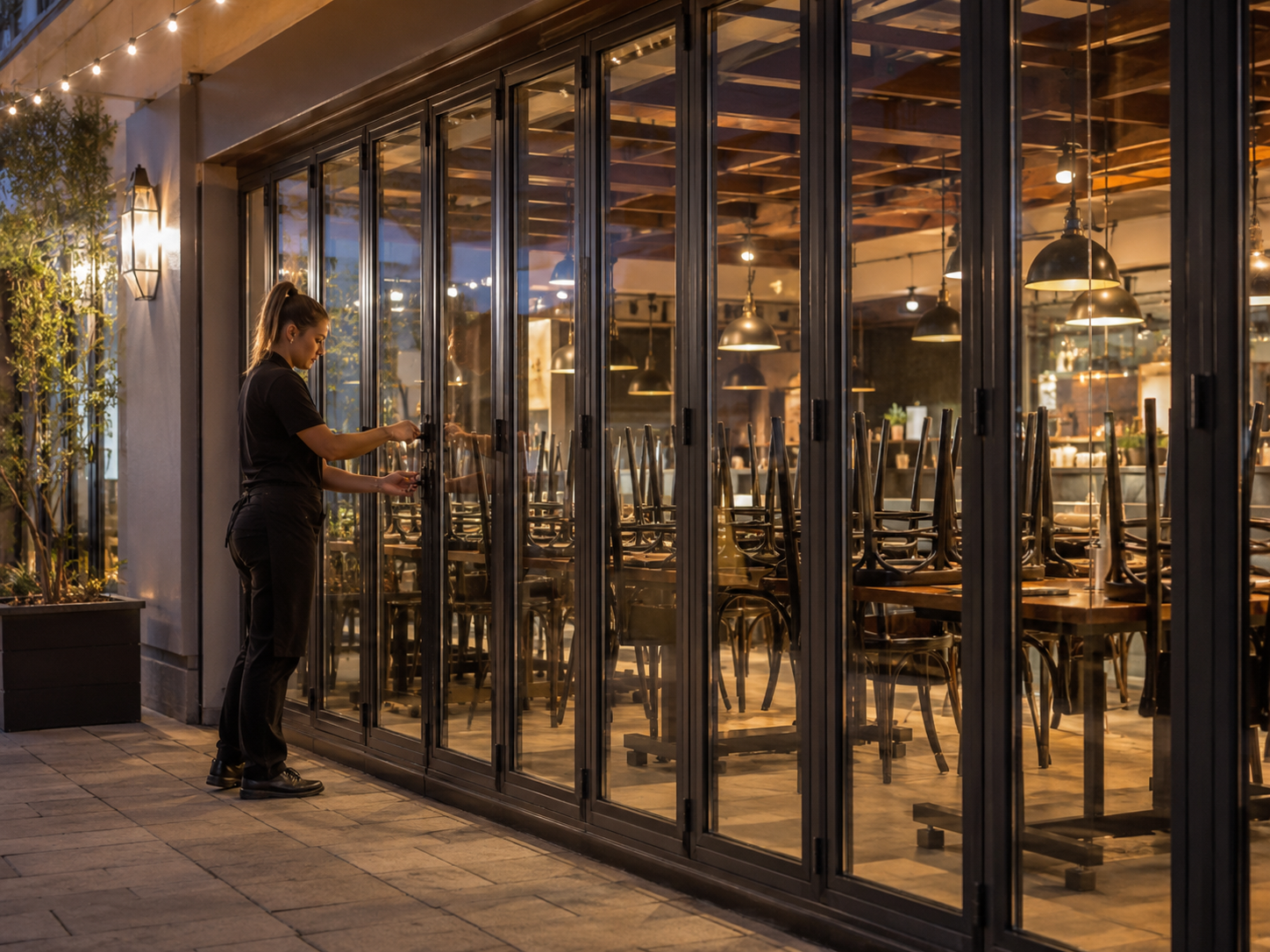
During opening hours, the frontage may remain open, the folding panels may be parked, or the entrance door may be used continuously. After business hours, the same system needs practical locking.
Possible locking points may include:
- Glass door lock
- Patch lock
- Floor lock
- Center lock
- Sliding door lock
- Folding door end-panel lock
- Pull handle and lock combination
The locking solution should be planned before glass production, especially for frameless glass systems. Glass holes, cut-outs, lock position and handle position should be confirmed early because tempered glass cannot be modified after tempering.
Hardware should support practical daily locking. It should not be presented as a complete security system unless the project has a separate security design. For restaurants in malls or commercial streets, the final locking requirement may also need to follow landlord or property management rules.
Customer Flow and Staff Routes
Glass doors in restaurants are used by different people in different ways.
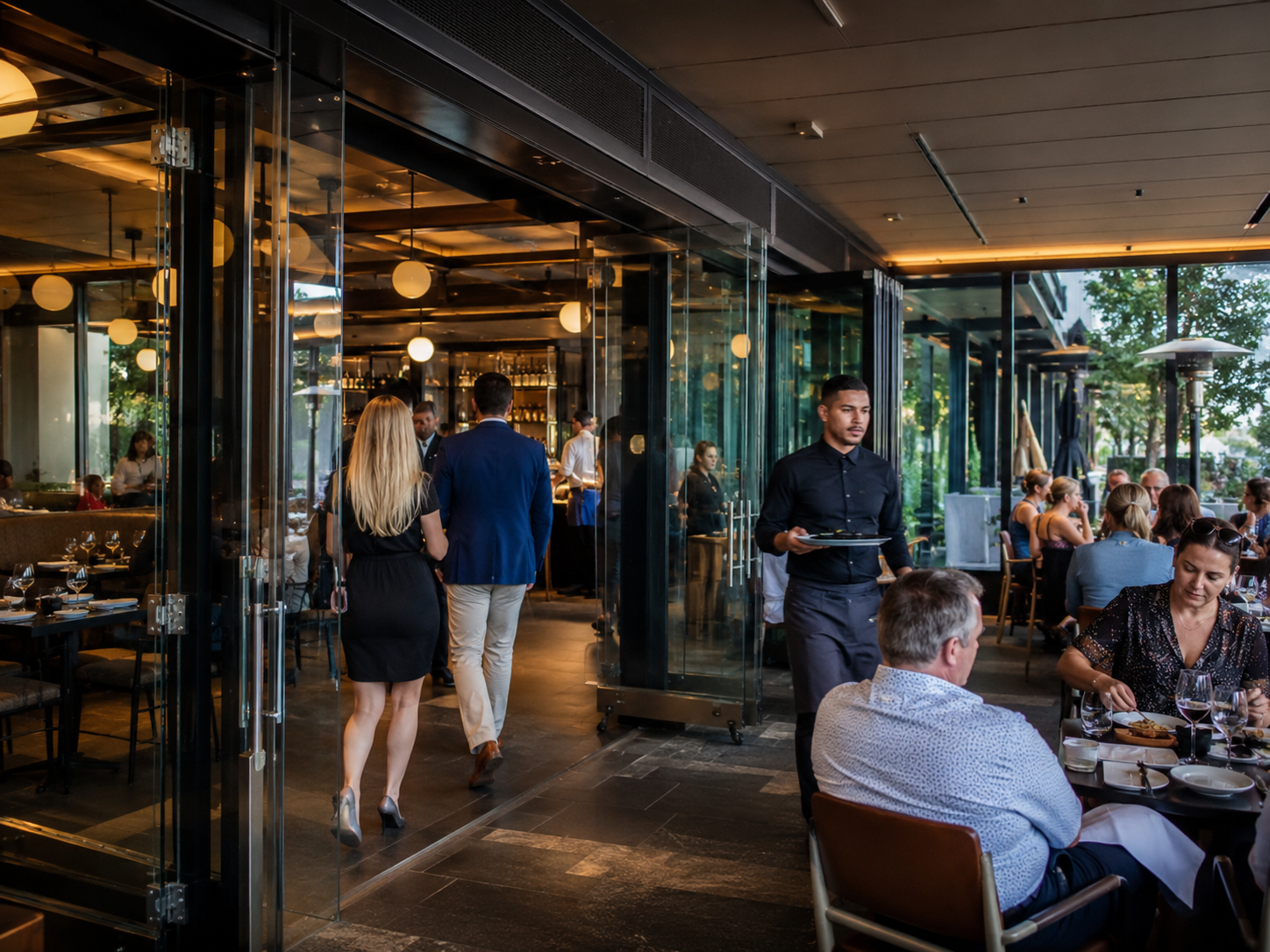
Customers may enter slowly, look through the glass, push the wrong side of a door or stop near the entrance. Staff may carry trays, move quickly between areas or pass through the same opening many times per hour. Delivery riders may use the entrance during busy takeaway periods. Cleaning workers may move equipment through the opening after closing.
Hardware should support this flow.
For wide frontages, folding doors can keep the entrance open and reduce congestion. For private dining rooms, sliding doors can save space and keep the aisle clear. For service areas, swing doors may be easier for staff if the opening is used frequently. For counter dividers, fixed glass partitions may be enough if the glass does not need to move.
A good restaurant glass system is not only about how it looks when closed. It should also work smoothly during busy service hours.
Hardware Selection Matrix for Restaurant and Café Areas
| Application zone | Possible glass structure | Hardware group | What to check |
| Restaurant frontage | Folding glass door or swing glass door | Folding track, hinge, guide, floor spring, patch fitting, lock and pull handle | Opening width, panel weight, locking, customer flow and closing method |
| Café terrace boundary | Folding or sliding glass system | Track, roller, guide, soft-close option and end locking | Cleaning access, semi-outdoor exposure, floor level and daily opening frequency |
| Private dining room | Sliding door, swing door or fixed glass partition | Sliding kit, floor guide, glass lock, patch fitting, clamp or U-channel | Noise, privacy, space saving and handle position |
| Booth divider / counter screen | Fixed glass panel | Glass clamp, U-channel, connector or bracket | Glass height, impact risk, cleaning access and substrate |
| Kitchen or service partition | Swing door, fixed partition or sliding divider | Floor spring, patch fitting, stainless steel clamp, guide and handle | Grease, moisture, staff route and easy maintenance |
This table should be used as a starting point. Final hardware selection still depends on glass thickness, panel size, substrate and project requirements.
Common Problems in Restaurant and Café Glass Door Projects
Choosing folding doors only by opening width
Opening width is important, but it is not enough. Panel weight, panel number, track type, floor level and locking points must also be checked.
Installing bottom tracks in high-debris areas
A bottom recessed track near dining tables or open kitchens can collect crumbs, spilled drinks and mop water. If the track is difficult to clean, rollers may become stiff or noisy.
Ignoring top beam strength for top-hung systems
A heavy folding system should not be mounted to a decorative ceiling or weak frame. If the top structure deflects, panels may sag, rub or fail to close properly.
Using light-duty hardware in high-contact areas
Restaurant entrances and dining boundaries are touched many times per day. Light-duty fittings may loosen, make noise or feel unstable after daily use.
Omitting damping on heavy sliding panels
A sliding partition near dining tables should close in a controlled way. Without soft-close or suitable stopping control, the panel may create noise and vibration.
Glass door closes too fast or too slowly
Floor spring or closer speed should be adjusted for customer safety, air-conditioning control and comfort.
Lock position is decided too late
Patch locks, sliding locks, floor locks and pull handles may require glass holes or cut-outs. These must be confirmed before tempering.
Finish looks good at first but is hard to maintain
High-touch areas show fingerprints, scratches and cleaning marks more quickly. Finish selection should consider daily wiping and long-term appearance.
Staff route is not considered
A beautiful glass system can still be inconvenient if it blocks service routes, takeaway counters or cleaning access.
How Metech Supports Restaurant and Café Projects
Metech Hardware supports restaurant and café glass door projects with architectural glass hardware and related door control fittings.
Our product range can include floor springs, patch fittings, top and bottom pivots, glass door locks, pull handles, sliding door kits, rollers, tracks, floor guides, soft-close options, glass clamps, U-channel, folding door hardware options and stainless steel accessories.
Before recommending hardware, we prefer to check the project type, opening width, glass thickness, estimated panel weight, door type, daily traffic, mounting condition, cleaning condition, locking requirement and finish preference.
For overseas buyers, contractors and distributors, Metech can also support mixed hardware orders, OEM packaging and export packing. This is useful when one restaurant or café project needs floor springs, locks, handles, sliding hardware, clamps and other glass fittings in the same shipment.
FAQ
What glass door hardware is commonly used in restaurants and cafés?
Common hardware includes folding door hardware, sliding door kits, floor springs, patch fittings, glass door locks, pull handles, glass clamps, U-channel and stainless steel connectors.
Are folding glass doors suitable for restaurant frontage?
Yes, folding glass doors can be suitable for wide restaurant frontage or indoor-outdoor dining areas. The project should check opening width, panel number, glass weight, top-hung or bottom-rolling structure, guide condition and locking requirement before ordering.
Should a café use top-hung or bottom-rolling folding doors?
It depends on the structure and cleaning condition. Top-hung systems can keep the floor cleaner, but the overhead beam must support the panel weight. Bottom-rolling systems reduce load on the top structure, but the bottom track must be easy to clean.
Should a restaurant use sliding or swing glass doors?
Sliding doors save opening radius and work well for partitions or private rooms. Swing glass doors feel more familiar for entrances and can work well with floor springs, patch fittings and pull handles.
What should be checked before ordering folding glass door hardware?
Important details include opening width, panel quantity, glass thickness, estimated panel weight, floor level, top beam condition, track position, guide condition, daily opening frequency and locking requirement.
Can glass doors be locked after business hours?
Yes. Glass doors can use patch locks, floor locks, center locks, sliding locks or folding door end-panel locks depending on the system. Lock position and glass cut-outs should be confirmed before glass tempering.
Can Metech supply floor springs, locks, handles and sliding hardware together?
Yes. Metech can support mixed orders for floor springs, patch fittings, glass door locks, pull handles, sliding door kits, rollers, floor guides, glass clamps and related fittings for restaurant and café projects.
Need Glass Door Hardware for a Restaurant or Café Project?
Send us your restaurant or café project type, opening width, glass thickness, door type, estimated panel weight, daily traffic, mounting condition, cleaning condition, locking requirement and finish preference. Metech Hardware can help recommend suitable glass door and partition hardware for restaurant frontage, café interiors and commercial dining spaces.