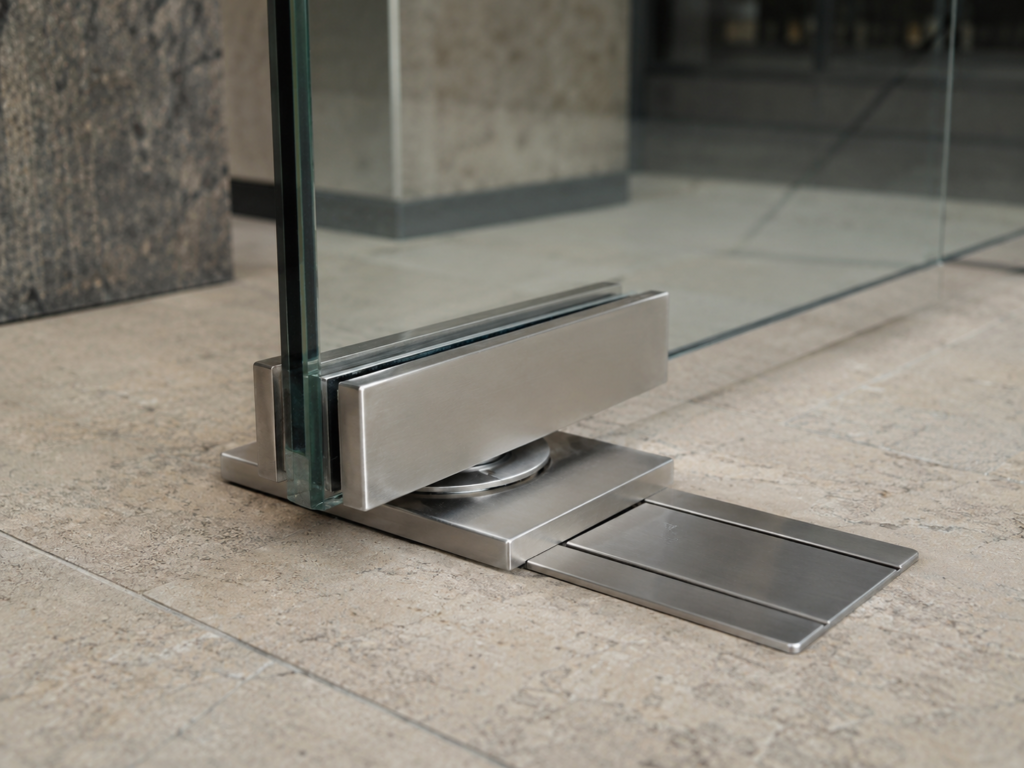
In commercial glass door projects, the door-control hardware is often hidden in the floor. From the outside, a hydraulic floor spring and an automatic floor operator may look similar after installation.
Both can sit below a stainless steel cover plate.
Both can connect to the bottom patch fitting through a spindle.
Both can be used with frameless glass swing doors.
But underneath the floor plate, they are completely different systems.
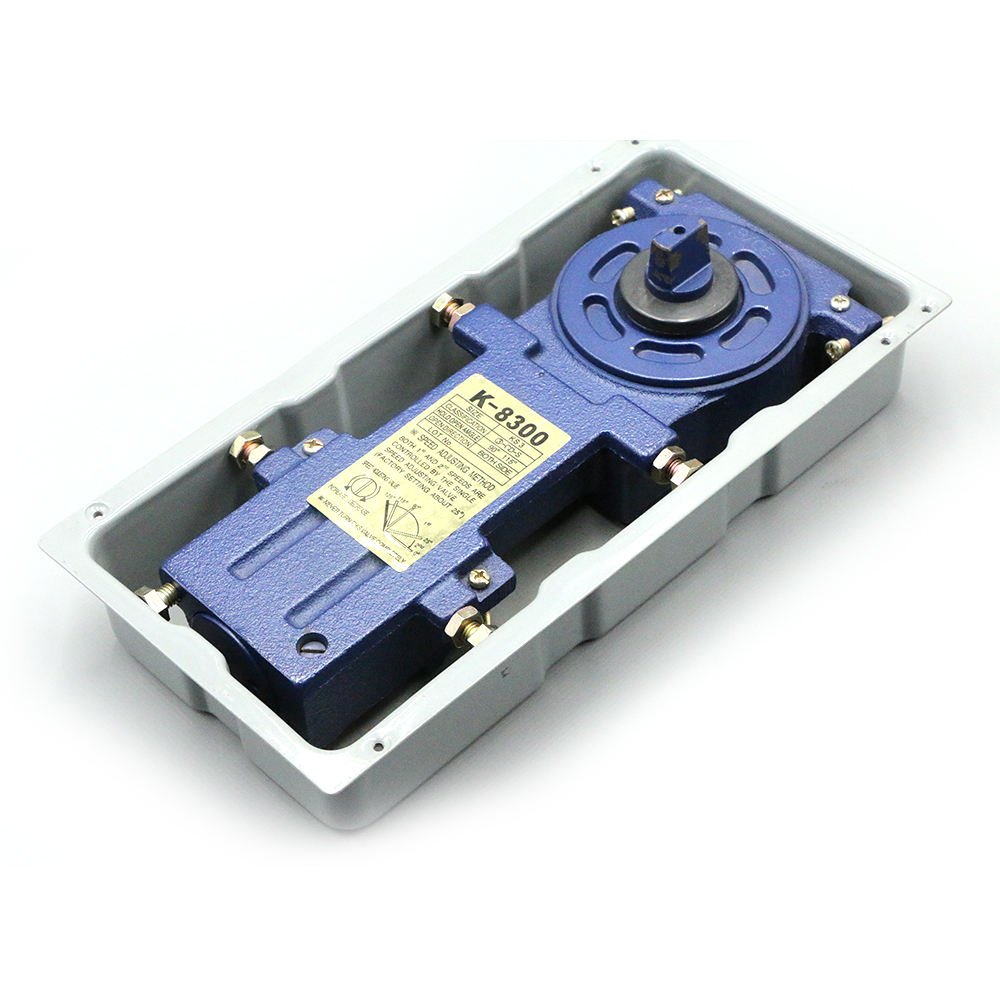
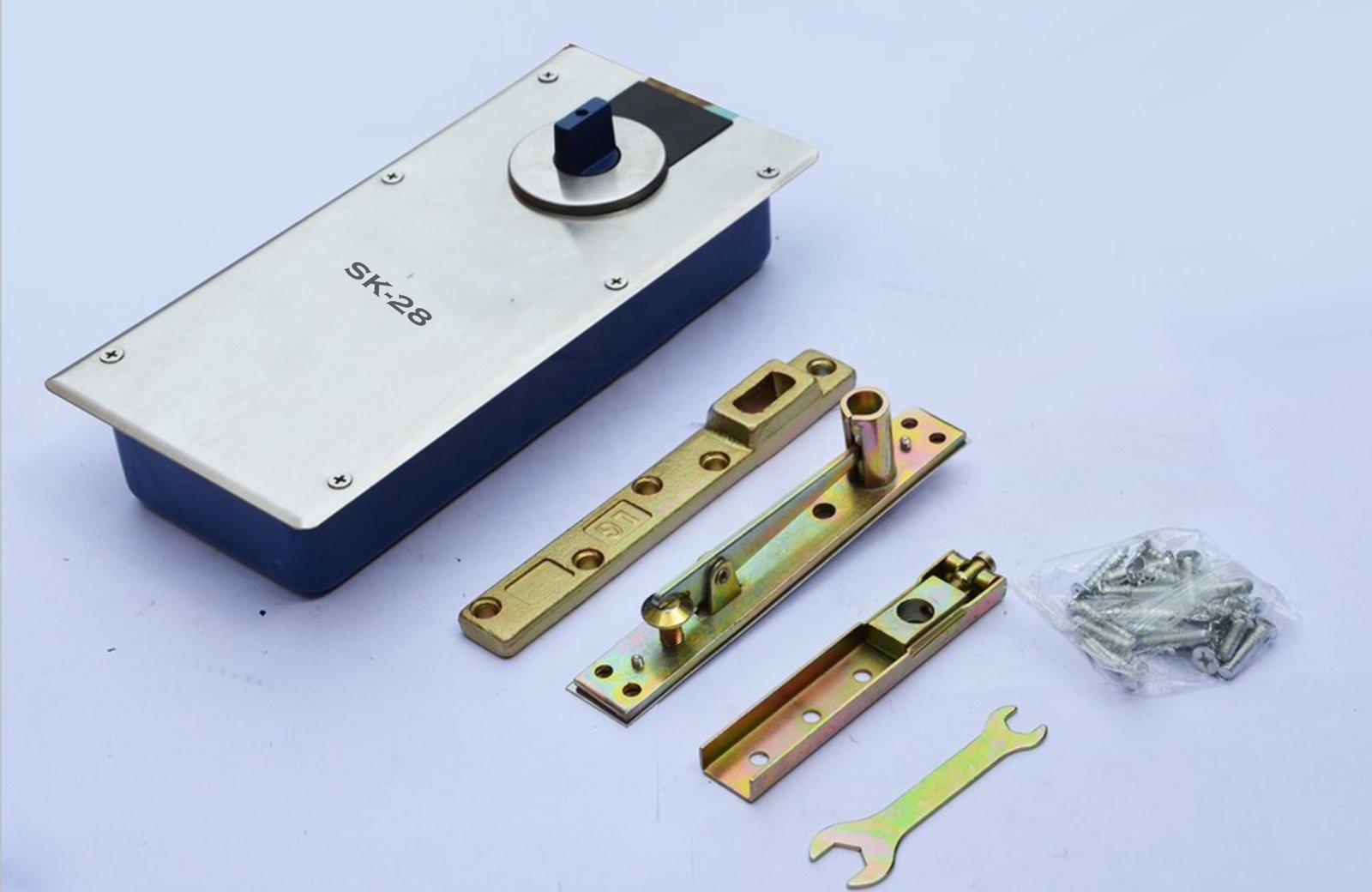
A hydraulic floor spring is a mechanical door-control device. It allows a user to push the door open manually, then controls the closing movement through a spring and hydraulic oil system.
An automatic floor operator is a motorized door-control system. It uses a motor, gearbox, controller, sensors and access-control signals to open and control the door automatically.
The real question is not only:
“Which one looks more modern?”
The better question is:
“Does this door only need controlled manual closing, or does it need automatic opening, touchless access and access-control integration?”
If the door only needs reliable manual closing, a hydraulic floor spring may be enough. If the door needs sensor activation, disabled access, hands-free use or electric locking integration, an automatic floor operator may be required.
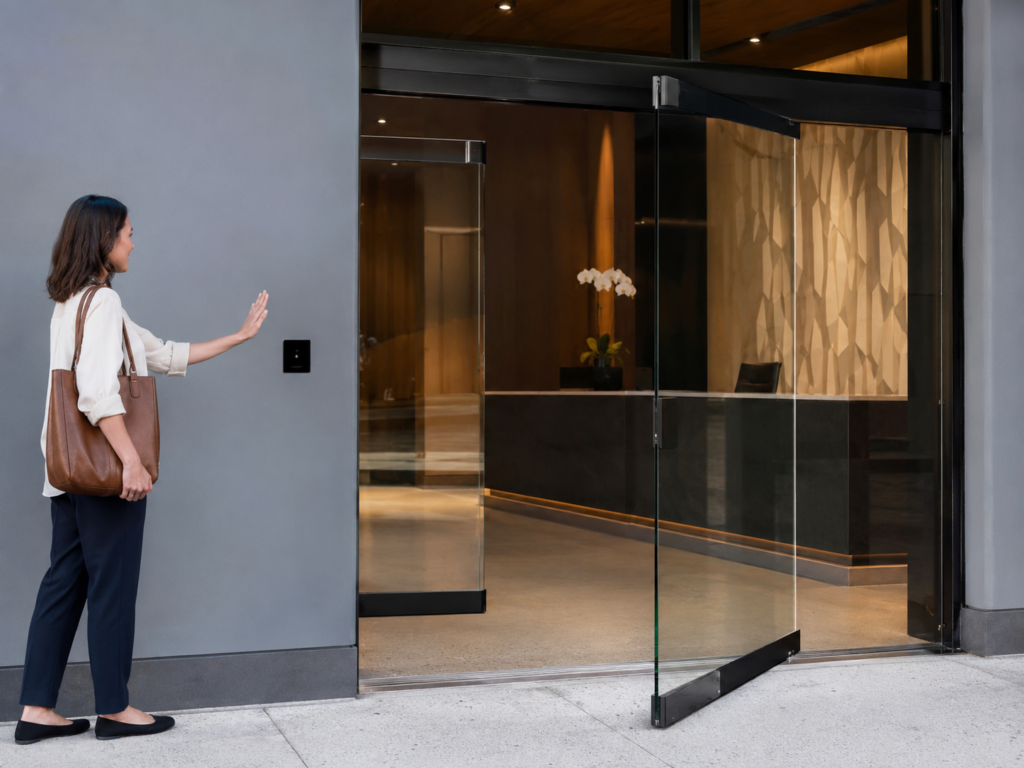
Quick Comparison: Hydraulic Floor Spring vs Automatic Floor Operator
| Item | Hydraulic Floor Spring | Automatic Floor Operator |
|---|---|---|
| Door opening | Manual pushing or pulling | Motorized opening |
| Door closing | Spring and hydraulic control | Motor-controlled or assisted closing |
| Power supply | Not required | Required |
| Sensors | Not normally used | Touchless sensor, radar, push button or safety sensor |
| Access control | Mainly mechanical lock | Can integrate electric lock and controller |
| Installation | Floor box, spindle and patch fitting | Floor box, wiring, controller and commissioning |
| User experience | Manual operation | Automatic or touchless operation |
| Cost level | Lower | Higher |
| Maintenance | Mainly mechanical | Mechanical and electrical |
| Suitable use | Standard commercial glass doors | Hospitals, accessible entrances and premium automated doors |
This comparison is only a starting point. The final choice depends on door size, door weight, traffic level, available floor depth, power supply, access-control requirement and site conditions.
What Is a Hydraulic Floor Spring?
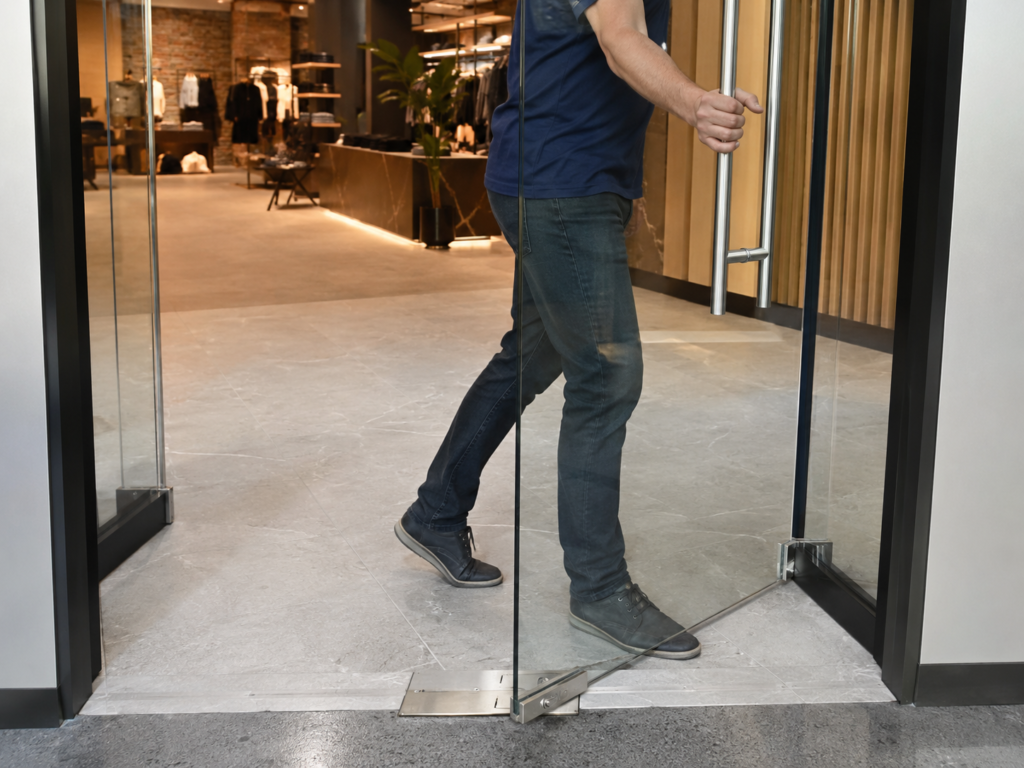
A hydraulic floor spring is one of the most common door-control devices for frameless glass swing doors.
It is installed into the floor and connected to the glass door through a bottom patch fitting. When a user pushes or pulls the door open, the floor spring allows the door to rotate. After the door is released, the internal spring and hydraulic system control the closing movement.
A hydraulic floor spring can usually provide:
- Controlled closing speed
- Latching speed adjustment
- Return-to-center function
- Optional hold-open function, depending on model
- Support for single or double glass doors
- Mechanical operation without power supply
The key point is simple:
A hydraulic floor spring does not open the door automatically.
It only controls the door after someone has manually opened it.
This makes it suitable for many normal commercial applications, such as retail stores, office entrances, hotel interior doors, restaurant entrances and general frameless glass doors.
A high-quality hydraulic floor spring is mechanically simple and durable, but it still requires correct sizing, installation and adjustment.
What Is an Automatic Floor Operator?
An automatic floor operator is a motorized system installed at floor level.
Instead of relying on a person to push the door open, the operator uses a motor and gearbox to drive the spindle and swing the door open. The controller receives signals from sensors, push buttons, card readers or access-control devices.
An automatic floor operator may be connected with:
- Touchless wave switch
- Push button
- Radar or motion sensor
- Active infrared safety sensor
- Card reader
- Keypad
- Access-control controller
- Remote-control signal
- Electric lock or drop bolt
- Emergency release system
Depending on the system design, the operator can adjust opening speed, closing speed, hold-open time and activation method.
This makes it suitable for projects where the door needs to open automatically for users, such as hospitals, clinics, accessible entrances, aged-care facilities, premium office buildings, hotels and selected commercial entrances.
The key point is:
An automatic floor operator is a motorized door-control system, not only a closing device.
Push Force and Accessibility
One of the biggest practical differences is opening force.
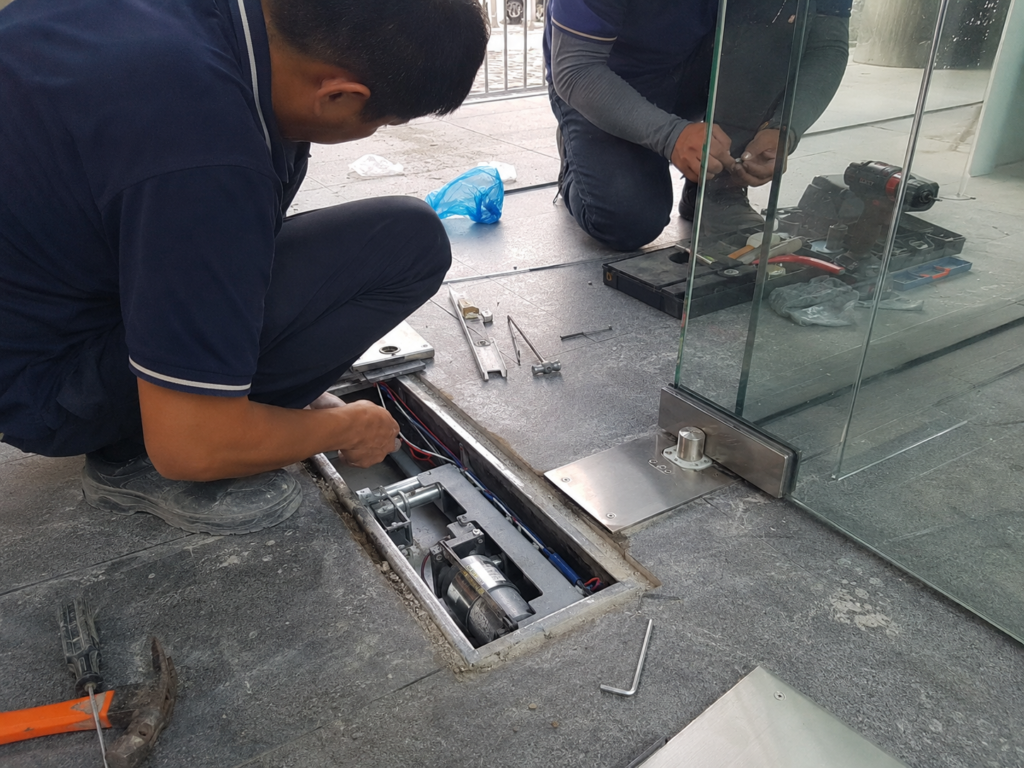
With a hydraulic floor spring, the user must physically push or pull the door open. On a light interior door, this may not be a problem. But on a heavy exterior glass door, the required opening force may be uncomfortable for wheelchair users, elderly visitors, patients or staff carrying equipment.
For projects with accessibility requirements, the manual opening force should be checked against local regulations.
An automatic floor operator reduces the need for manual pushing because the motor opens the door after receiving a signal. This is why it is often considered for:
- Hospital entrances
- Clinic doors
- Aged-care facilities
- Accessible commercial entrances
- Public buildings
- Premium office lobbies
- Doors used by people carrying equipment or luggage
However, automatic operation does not remove the need for proper safety review. Door speed, hold-open time, sensor placement and electric lock behavior should still be checked according to the project environment.
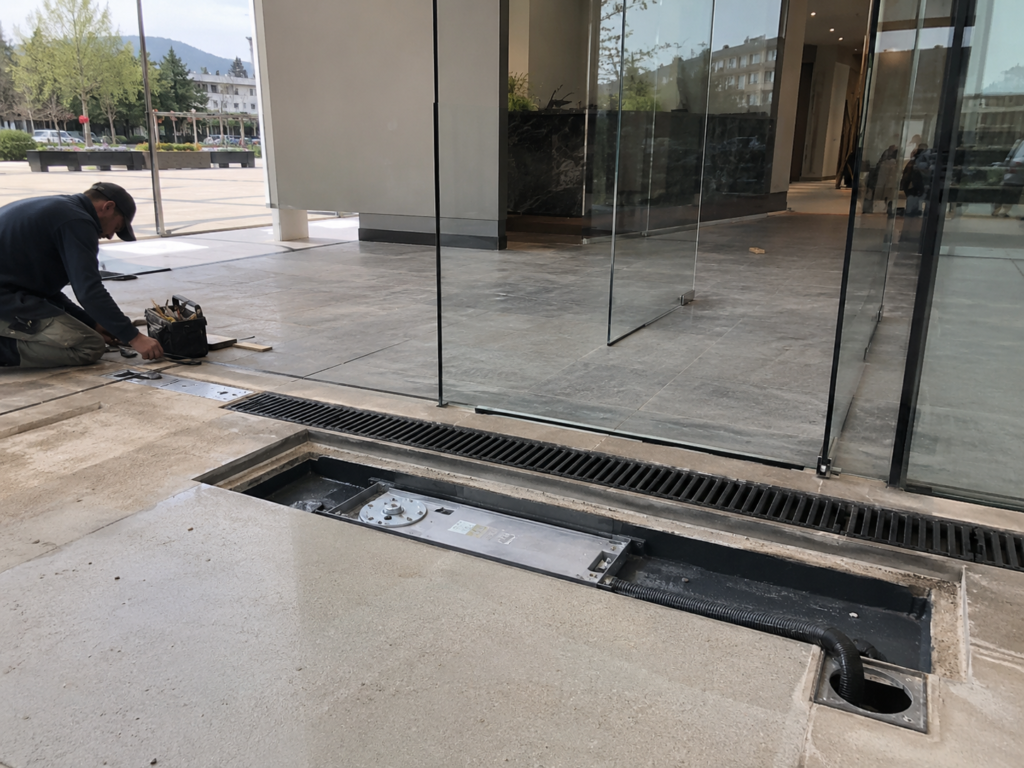
Floor Excavation, Power Supply and Drainage
The on-site installation requirements are very different.
Hydraulic Floor Spring
A hydraulic floor spring requires a floor recess, cement box, spindle alignment, bottom patch fitting and top pivot alignment.
It does not require power supply or signal wiring.
This makes it practical for many standard new installations and replacement projects.
Automatic Floor Operator
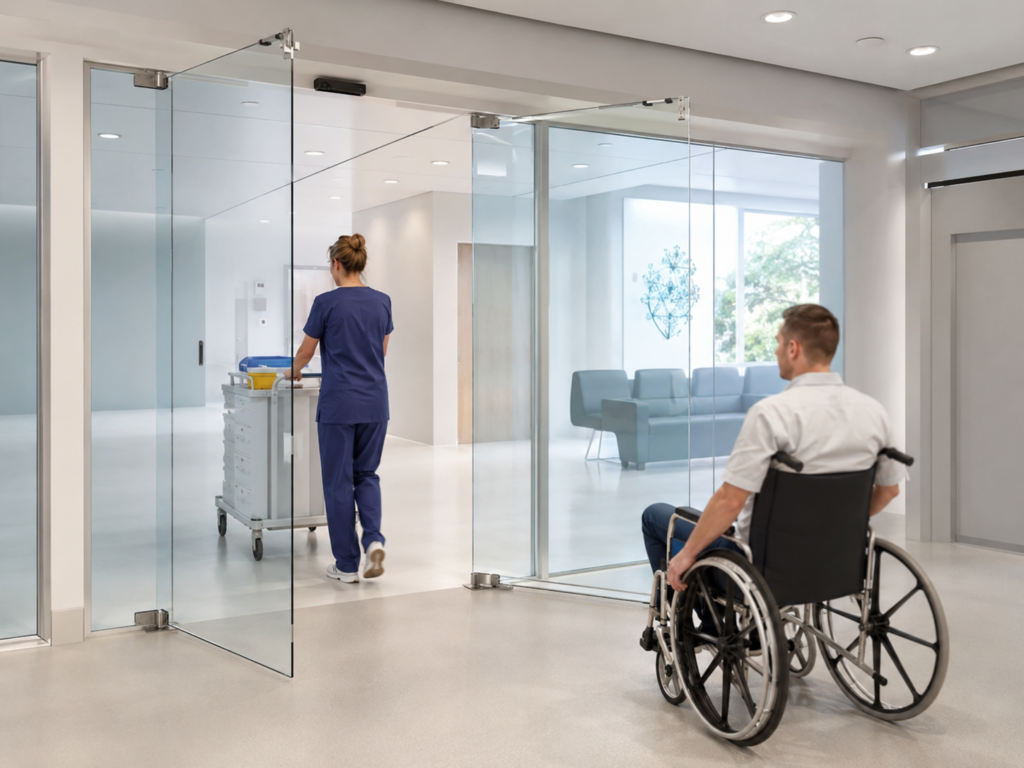
An automatic floor operator usually requires a larger and more carefully prepared floor box because it contains motorized and control components.
The project should confirm:
- Available floor depth
- Floor box dimensions
- Power supply route
- Control cable route
- Sensor cable route
- Electric lock wiring
- Controller position
- Drainage and waterproofing
- Maintenance access
- New installation or retrofit condition
This is especially important in buildings with finished marble floors, underfloor heating, waterproofing layers, post-tension slabs or underground services.
Poor drainage or water accumulation can damage electrical components and shorten system life. Drainage and waterproofing should be reviewed carefully, especially for exterior entrances, semi-outdoor doors or entrances that are frequently cleaned with water.
An automatic floor operator requires both mechanical installation and electrical coordination.
Sensors, Access Control and Electric Locks
A hydraulic floor spring can work as a standalone mechanical device.
An automatic floor operator usually works as part of a system.
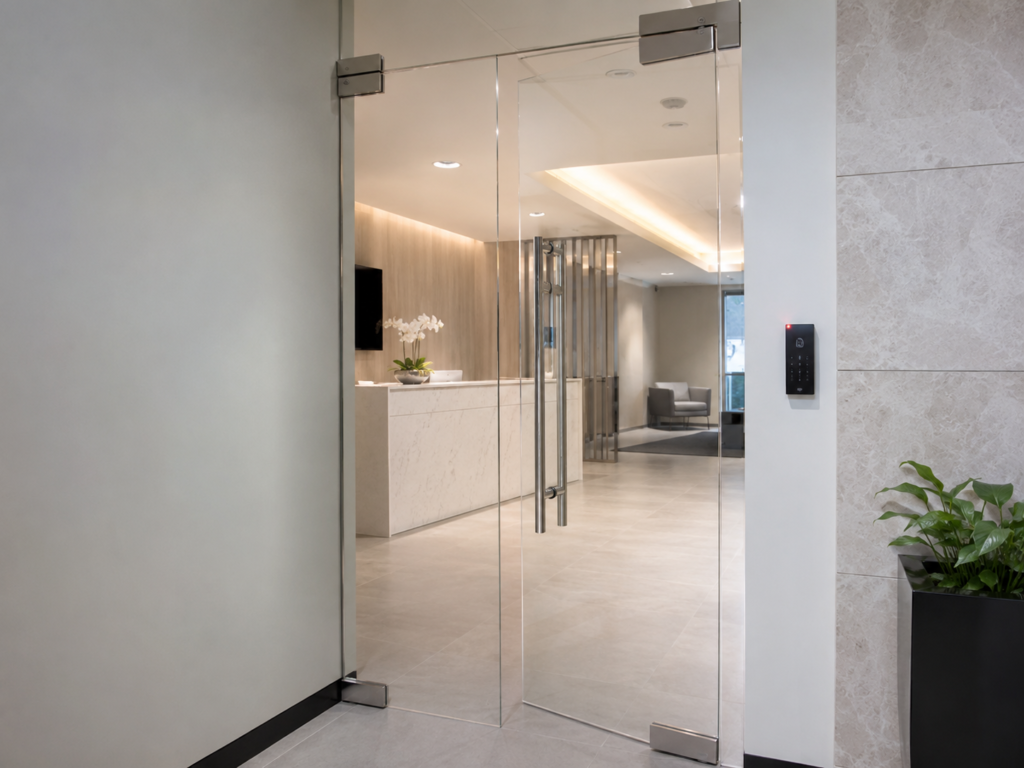
A typical automatic swing glass door system may include:
- Automatic floor operator
- Touchless activation switch
- Safety sensor
- Access-control controller
- Electric lock or drop bolt
- Push button
- Power supply
- Emergency release logic
- Door-control settings
The operator, sensor and lock must be coordinated.
For example, if an electric lock is used, the lock should release before the operator begins to move the door. If a safety sensor is used, it should monitor the door movement area and help reduce the risk of contact with people or obstacles.
For automatic swing doors in public, healthcare or accessible environments, safety sensors are commonly required or strongly recommended depending on local standards and project risk level.
This does not mean every project needs every device. A simple automatic entrance may use only a push button or touchless switch. A more complex entrance may require access control, electric locking and safety sensors together.
Power Failure and Emergency Behavior
Power-failure behavior is another major difference.
A hydraulic floor spring is mechanical. If the building loses power, the floor spring continues to operate in the same way.
An automatic floor operator depends on electricity. The project should confirm how the operator, electric lock and access-control system behave during power failure.
Important questions include:
- Can the door be pushed manually during power failure?
- Does the motor disengage or allow free-swing movement?
- Does the electric lock release or remain locked?
- Is a backup power supply required?
- Is the door part of an escape route?
- What do local fire and life-safety regulations require?
For public entrances, healthcare projects and escape routes, lock release behavior during power failure must be checked carefully by the project contractor.
Fail-safe and fail-secure lock logic should be selected according to the actual door function, security requirement and local regulations.
Where Each System Is Suitable
| Project scenario | System often considered | Reason |
|---|---|---|
| Standard retail glass door | Hydraulic floor spring | Simple, reliable and cost-effective |
| Office building manual entrance | Hydraulic floor spring | Stable closing without power |
| Hotel lobby glass door | Hydraulic floor spring or automatic floor operator | Depends on automation and guest experience requirements |
| Hospital or clinic entrance | Automatic floor operator | Touchless access and easier passage |
| Aged-care facility | Automatic floor operator | Reduces manual pushing effort |
| Accessible commercial entrance | Automatic floor operator | Can connect push button or sensor |
| Access-control office door | Depends on locking requirement | Lock, controller and door movement must be reviewed together |
| Existing door without power supply | Hydraulic floor spring | Easier mechanical replacement |
| Premium automated glass entrance | Automatic floor operator | Motorized opening and controlled user experience |
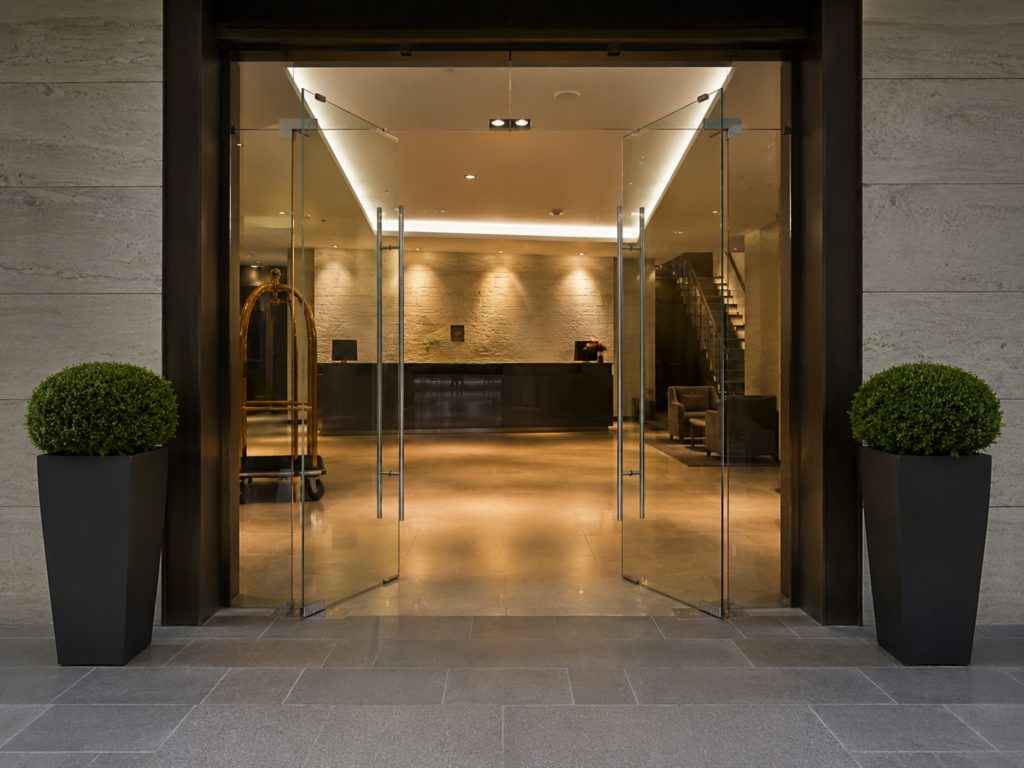
A hydraulic floor spring is not outdated. It is still the correct solution for many standard commercial glass doors.
An automatic floor operator is not just a luxury upgrade. It is necessary when the door must open automatically or work with sensors, access control and electric locking.
Common Selection Mistakes
Thinking an Automatic Operator Is Just a Motorized Floor Spring
They may look similar after installation, but the internal structure, wiring, maintenance and system design are different.
Thinking a Hydraulic Floor Spring Can Open the Door Automatically
A hydraulic floor spring can control closing, but it cannot actively open the door. If automatic opening is required, a motorized operator is needed.
Buying an Operator Without Planning Sensors and Locks
An automatic floor operator is only one part of the system. Sensors, push buttons, electric locks and controllers may also be required.
Ignoring Floor Depth, Power and Drainage
Automatic operators require floor preparation, power supply, signal wiring and drainage planning. These should be checked before ordering.
Forgetting Power-Failure Behavior
The project should confirm manual opening, lock release behavior, backup power and local safety requirements.
Automating a Heavy Door Without Checking Door Size
Automatic floor operators also have door weight and width limits. A heavy or oversized glass door must be checked before automation.
Project Information Required Before Quotation
Before recommending a hydraulic floor spring or automatic floor operator, please provide:
- Door width and height
- Glass thickness
- Estimated door weight
- Single or double-door layout
- Indoor or outdoor installation
- Whether automatic opening is required
- Opening method, such as sensor, push button or card reader
- Whether touchless operation is required
- Whether access control is required
- Whether an electric lock is required
- Whether safety sensors are required
- Power supply condition
- Available floor depth
- Floor condition and drainage condition
- Whether floor cutting is allowed
- Existing floor spring or new installation
- Required opening angle
- Hold-open time requirement
- Finish requirement
- Project quantity
- Logo or packaging requirement
Photos, drawings, wiring plans and door schedules can help confirm the correct system.
How Metech Supports Automatic Swing Glass Door Projects
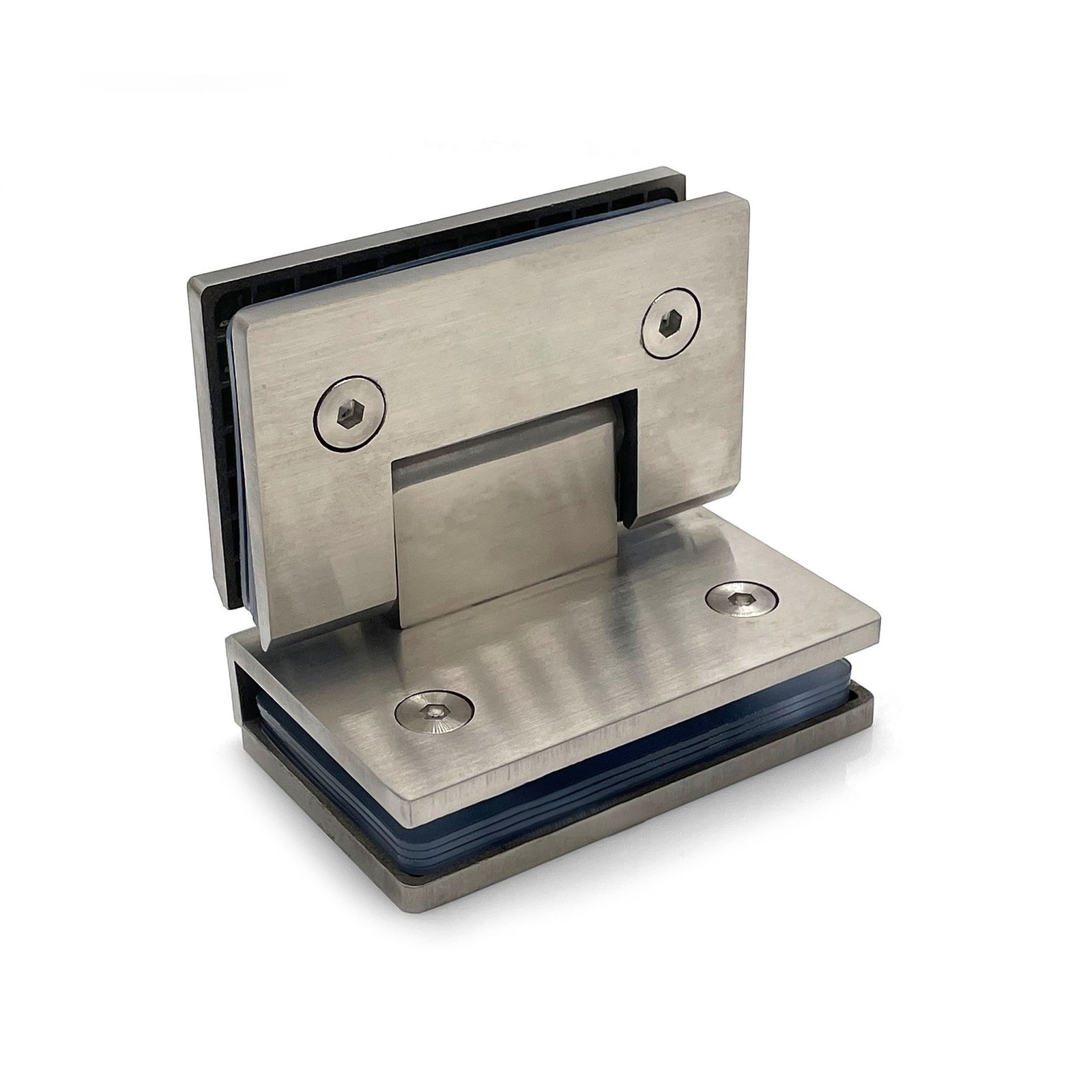
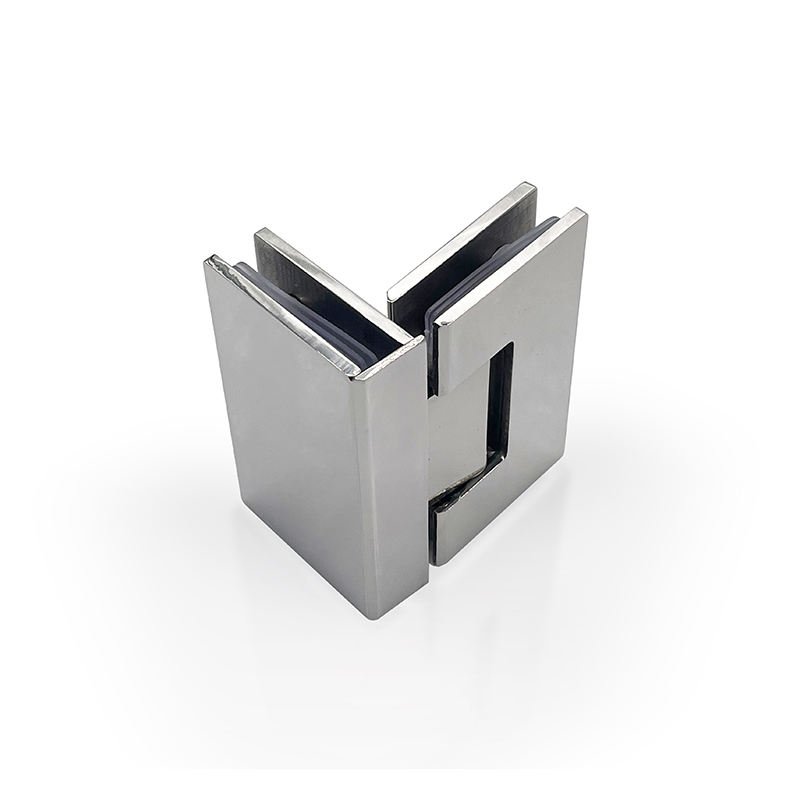
Metech Hardware supplies hydraulic floor springs, automatic floor operators, patch fittings, glass door locks, electric locking hardware and related glass door fittings for commercial swing door projects.
We help buyers review door size, glass thickness, estimated door weight, installation environment, automation requirement, power condition and access-control needs before recommending a suitable hardware combination.
For hospitals, clinics, hotels, office buildings, accessible entrances and commercial retrofit projects, coordinated hardware packages, surface finish options, logo marking, mixed-product purchasing and export packaging can also be discussed according to order requirements.
Metech provides hardware selection support. Final wiring, commissioning and site installation should be handled by qualified local professionals.
FAQ
Is an automatic floor operator the same as a floor spring?
No. They may look similar from the floor, but they are different systems. A hydraulic floor spring controls manual door closing, while an automatic floor operator uses a motor to open and control the door.
Can a hydraulic floor spring open a door automatically?
No. A hydraulic floor spring cannot open the door by itself. It only controls closing after someone manually pushes or pulls the door open.
Can I replace an existing hydraulic floor spring with an automatic floor operator?
In some cases, yes. But the floor opening may need to be enlarged, power and signal cables must be routed, and drainage should be planned. Floor depth and site structure must be checked first.
Does an automatic floor operator need power?
Yes. It requires power supply and usually needs wiring for sensors, switches, locks or access-control signals.
Can automatic floor operators work on heavy glass doors?
Yes, depending on the model. The door weight, door width, glass thickness, usage frequency and wind exposure must be checked before selection.
Are automatic floor operators waterproof?
They should not be treated as waterproof. Because they include electrical components, drainage and waterproofing should be reviewed carefully, especially for exterior or frequently cleaned entrances.
Is an overhead automatic operator better than a floor operator?
It depends on the door structure. Overhead operators may be easier to protect from floor moisture, but fully frameless glass entrances often prefer in-ground operators to keep the appearance clean and minimal.
What happens during a power failure?
It depends on the operator design and lock type. The project should confirm manual opening, lock release behavior, backup power and local safety requirements before installation.
Need Help Choosing Between a Floor Spring and an Automatic Floor Operator?
Send us your door width, door height, glass thickness, estimated door weight, access-control requirement, opening method and floor condition.
Metech Hardware can help review whether a hydraulic floor spring or automatic floor operator is more suitable for your glass door project.