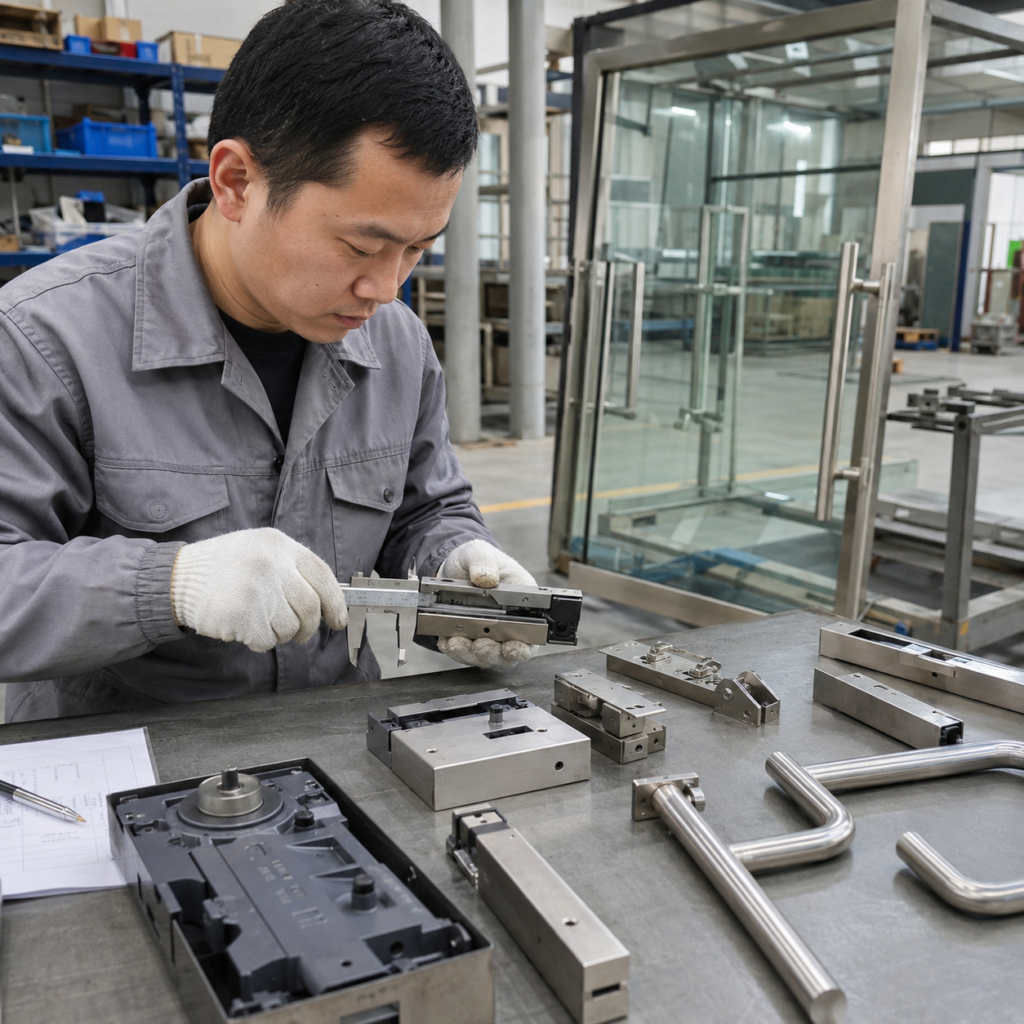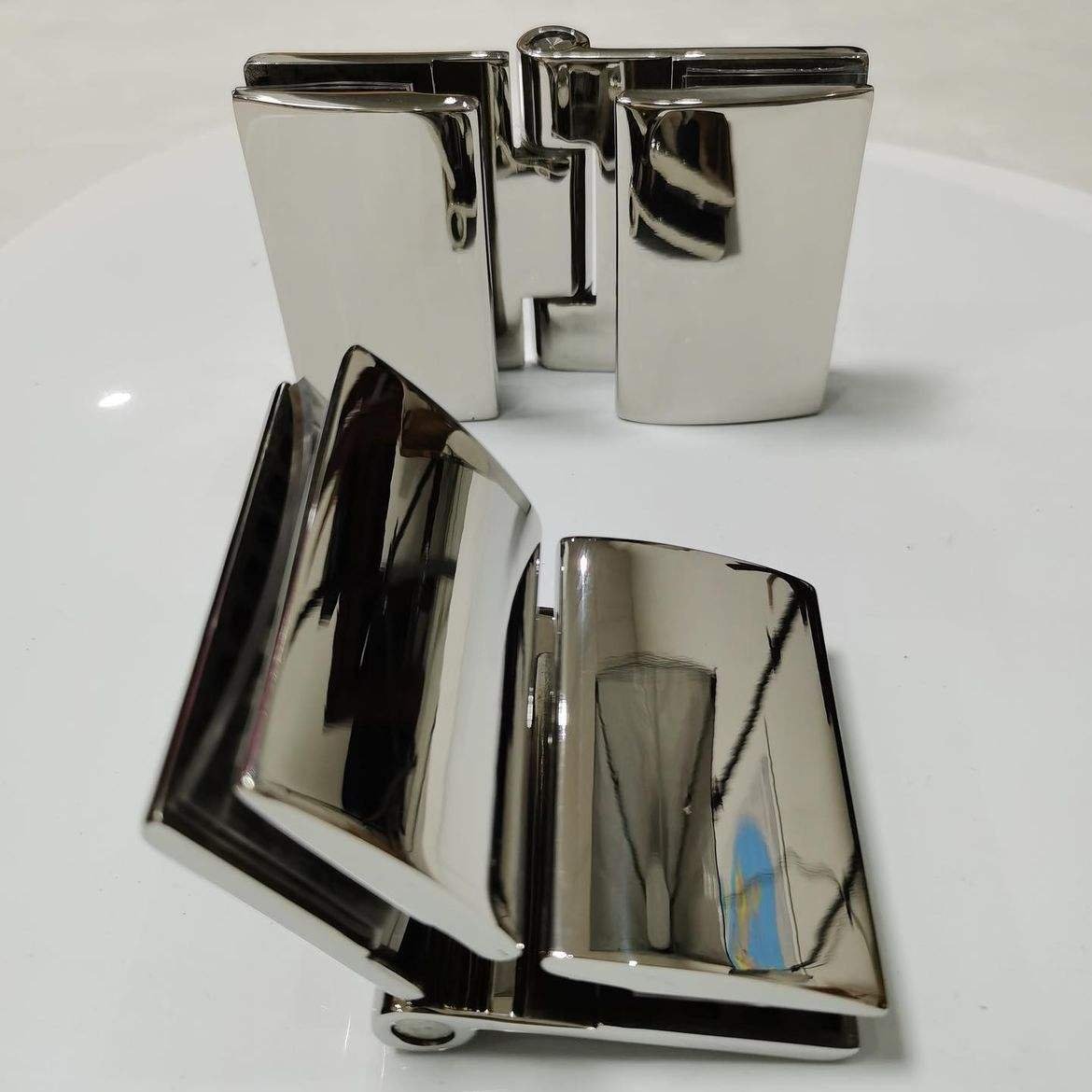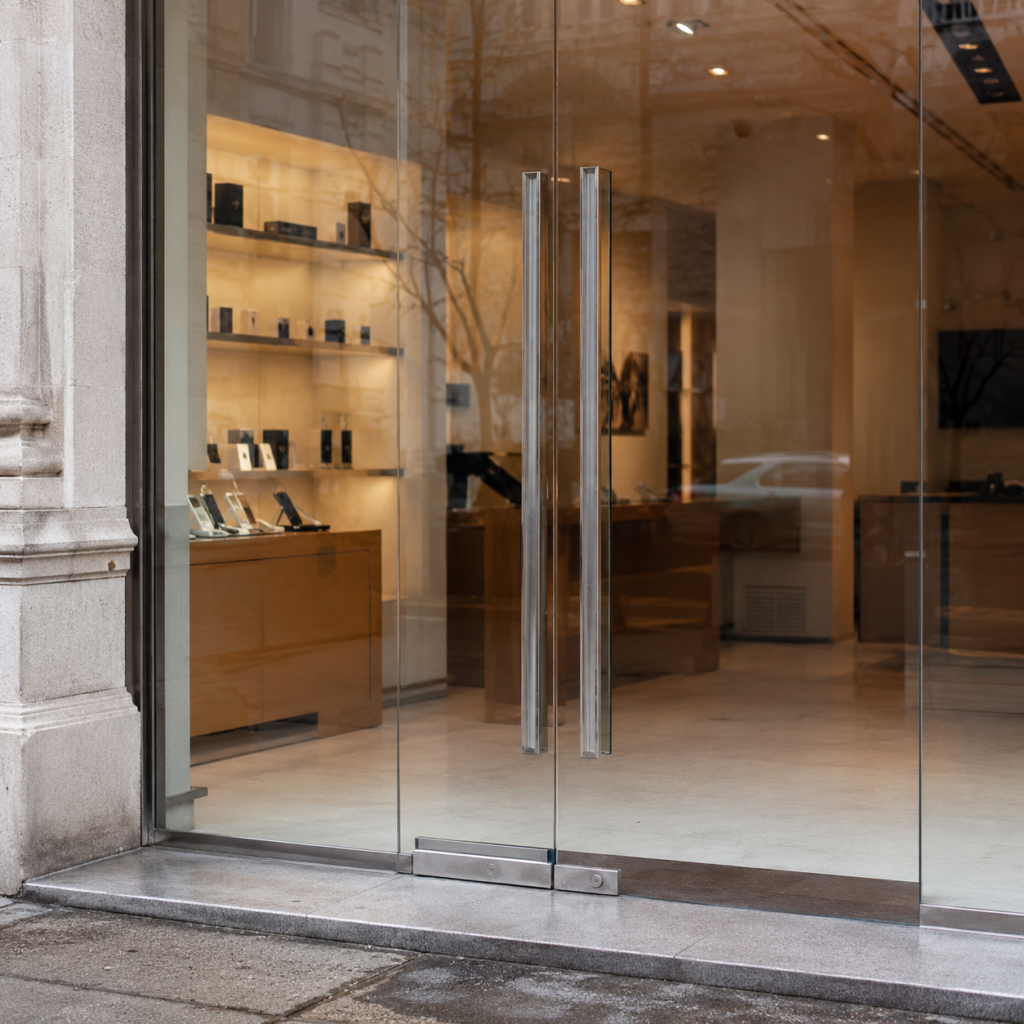
A retail storefront glass door has two jobs.
During business hours, it must stay easy to open, close accurately, and keep the shopfront clean and transparent. After closing time, it becomes the shop’s first security line.
For street-facing shops, the challenge is harder than most indoor glass doors. The hardware has to handle wind load, road dust, rain splash, humidity, delivery carts, rough customer use, and night-time locking. If the floor spring loses control or the door no longer returns to center, even a good lock may fail to engage properly.
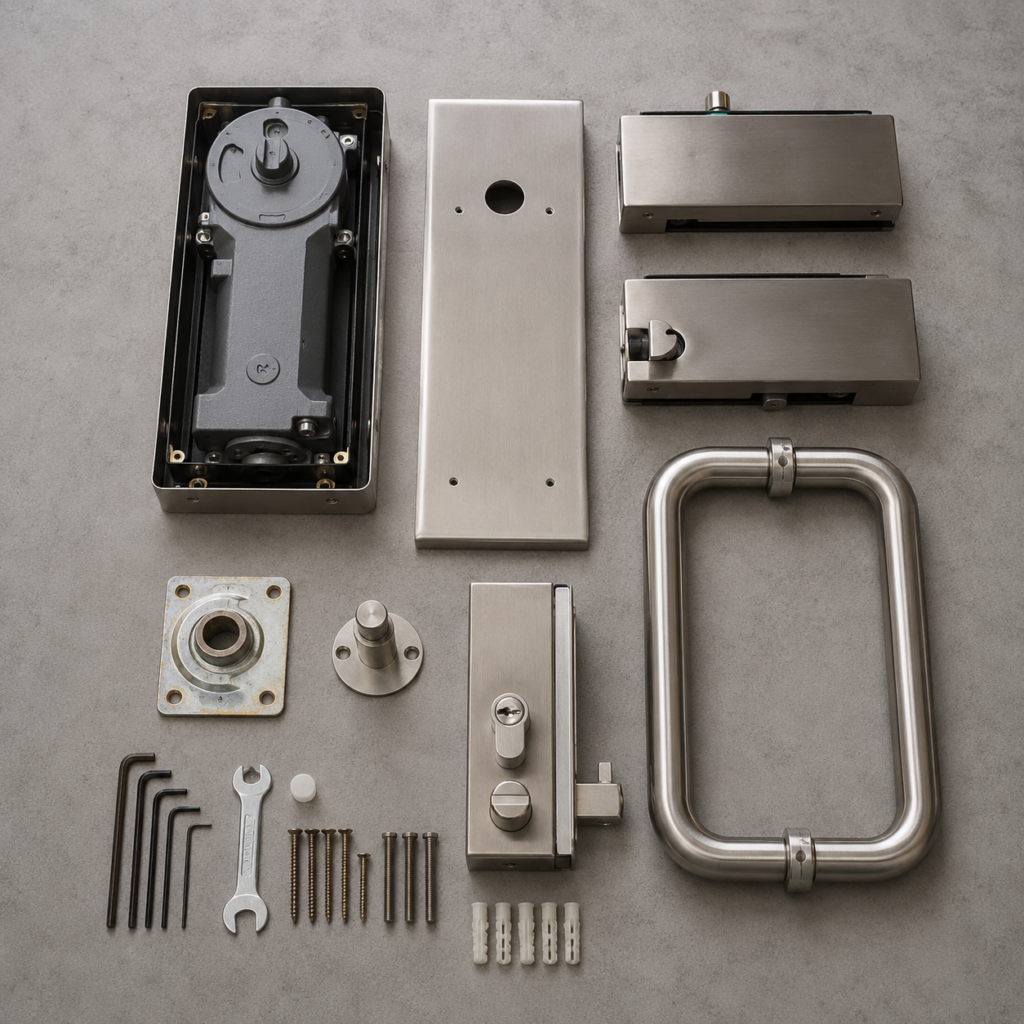
That is why storefront glass door hardware should be selected as a complete system: floor spring, patch fittings, bottom patch lock, top pivot, pull handle, floor socket, and visible cover plates must work together.
Metech provides retail storefront glass door hardware solutions for street shops, shopping mall stores, showrooms, cafés, boutiques, jewelry stores, electronics stores, and chain store entrances.
What We Check First for Storefront Glass Doors
| Selection Point | Why It Matters |
|---|---|
| Exterior exposure | Affects sealing, corrosion resistance, and floor spring protection |
| Security level | Determines lock body, deadbolt, cylinder, and floor socket requirements |
| Door weight and width | Determines floor spring load and pivot stability |
| Centering accuracy | Affects closing, locking, and air-conditioning loss |
| Customer traffic | Affects cycle test and durability |
| Rough operation | Requires stronger handles and back-check control |
| Storefront appearance | Affects brand image and shop visibility |
For retail doors, the real question is not only:
“Can the door open and close?”
The better question is:
“Will it still close to center, lock smoothly, resist outdoor exposure, and look clean after months of daily business use?”
1. Weather, Dust, and Corrosion Resistance
Street-facing shop doors sit directly at ground level. Dust, rain splash, cleaning water, humidity, and temperature changes all affect the bottom hardware.
For exterior shopfront glass doors, the floor spring should not be selected only by load capacity. We normally recommend checking:
- sealed floor spring body
- dust and water resistance rating
- anti-rust treatment on body, screws, spindle, and cover plate
- stainless steel cover plate thickness
- corrosion-resistant patch fittings and locks
- hydraulic oil performance under local temperature conditions
For demanding exterior shop entrances, project specifications may require an IP-rated sealed floor spring body, such as IP68 dust and water resistance, together with hydraulic oil suitable for a working temperature range such as -20°C to 50°C.
These values should be confirmed against the actual model datasheet. For outdoor retail use, sealing and temperature stability are not small details. Once water, dust, or low-temperature oil thickening affects the hydraulic system, the door may close slowly, fail to return to center, or become difficult to lock.
2. Security Locking for Unattended Shops
Retail stores are often unattended at night. This makes the glass door lock much more important than in an office building with 24-hour security.
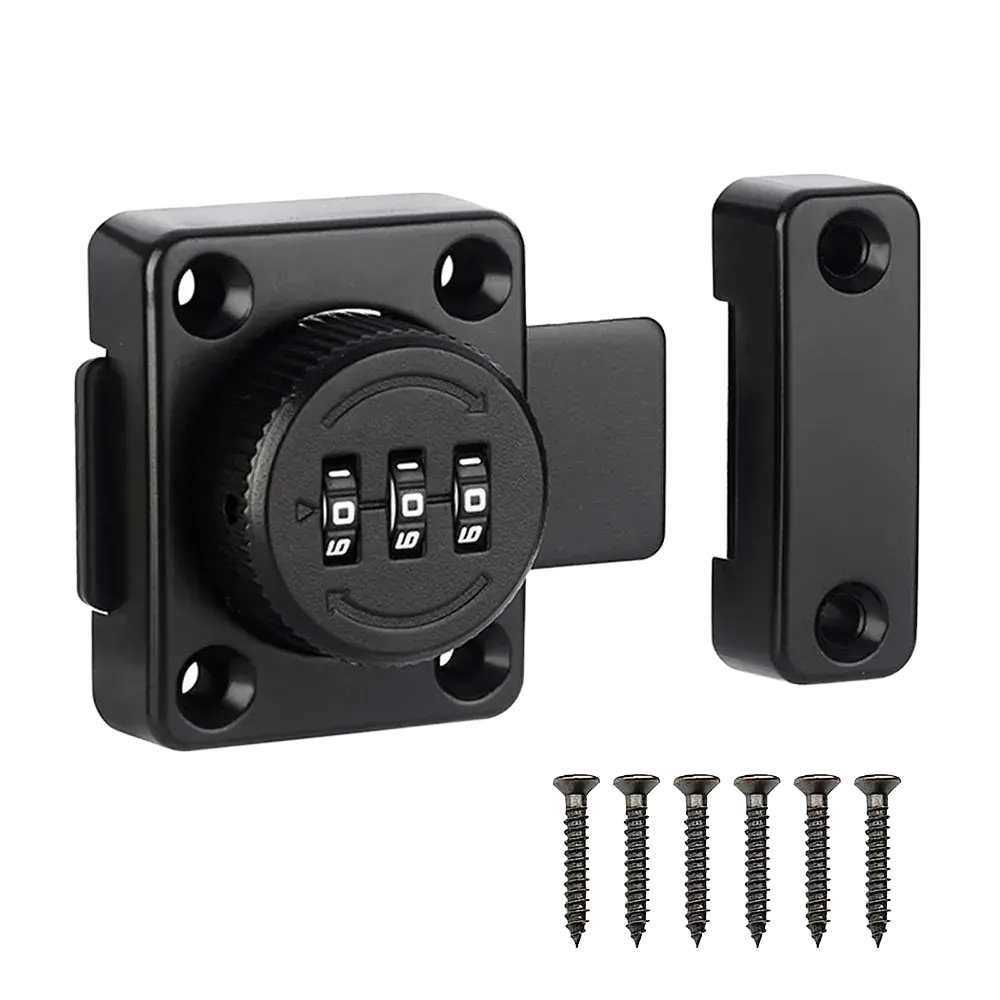
For frameless shop doors, a bottom patch lock or heavy-duty glass door lock should be checked from the structure, not only from the appearance.
Key points include:
| Security Part | Recommended Check |
|---|---|
| Bottom patch lock | Reinforced lock body and stable glass clamping |
| Deadbolt | Minimum 20mm deadbolt throw for stronger floor engagement |
| Lock cylinder | Anti-drill cylinder or project-specified security cylinder |
| Floor socket | Strong fixing and accurate position |
| Door alignment | Prevents lock misalignment after long-term use |
| Floor spring centering | Helps the door return to the lockable position |
A strong lock only works when the door returns accurately.
In many storefront projects, the lock is blamed when the door cannot be locked smoothly. But the real cause is often poor centering, door sagging, loose patch fittings, or a floor socket filled with dust.
For retail security, the lock and floor spring must be selected together.
3. Centering Accuracy and Energy Loss
For retail stores, door centering accuracy affects more than locking. It also affects indoor temperature control.
If the door does not return to the correct closed position, the shop may lose air-conditioning in summer or heating in winter. For cafés, fashion stores, phone shops, and street-facing retail spaces, even a small gap can increase energy loss and reduce customer comfort.
For storefront glass doors, we recommend checking floor spring centering accuracy. For higher-grade shop entrances, a target such as ±0.5° centering accuracy can help improve:
- lock alignment
- door closing consistency
- reduced air leakage
- better indoor temperature control
- improved storefront security
This is why centering accuracy should be treated as a performance requirement, not just an installation detail.
4. Rough Customer Use and Back-Check Protection
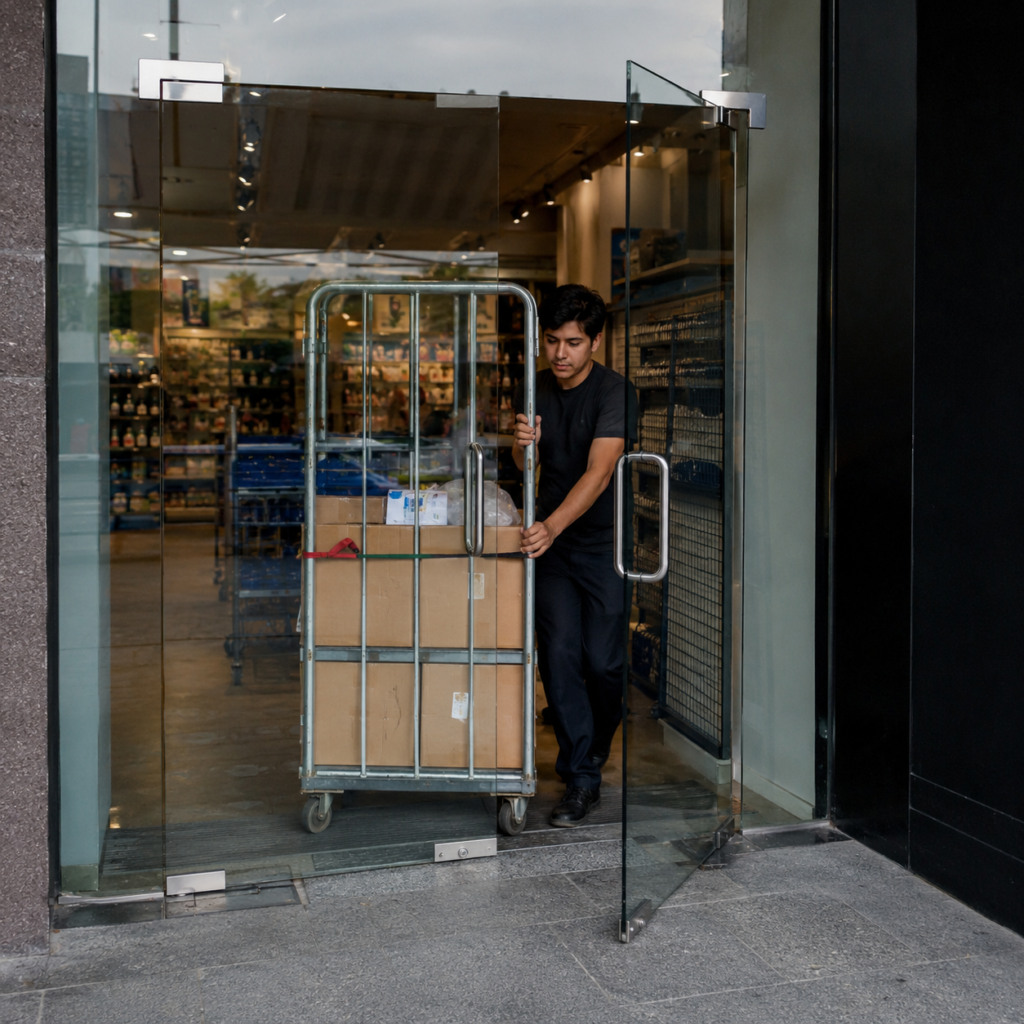
Retail doors are not used gently every time. Customers push with different force. Staff move goods through the entrance. Delivery carts may pass in and out. Wind can also pull the door open suddenly.
For this reason, we recommend using a floor spring with back-check function for exterior or high-traffic shop doors.
A properly designed back-check system starts hydraulic cushioning before the door reaches its maximum opening angle, typically around 70° to 85°, depending on the model design. This slows the door down before impact and helps protect:
- floor spring spindle
- bottom patch fitting
- top pivot
- glass edge
- wall or door stop area
- handle fixing structure
In impact-prone storefront use, back-check can significantly reduce impact-related wear. Where the model has supporting test data, this reduction may be stated as a measurable value, such as up to 40% lower impact-related hardware wear.
For public-facing retail doors, back-check is often a small feature that prevents expensive maintenance later.
5. High Traffic and Floor Spring Durability
Storefront doors may open hundreds of times per day, especially in shopping malls, commercial streets, cafés, bakeries, convenience stores, and chain stores.
For this type of use, we normally recommend:
| Floor Spring Factor | Recommended Requirement |
|---|---|
| Cycle test | 500,000 cycles or above |
| Load capacity | Select with safety margin, not at the limit |
| Door width range | Wider doors need stronger closing control |
| Closing speed | Adjustable |
| Latching speed | Adjustable for final lock alignment |
| Centering accuracy | Prefer ±0.5° for better locking and sealing |
| Back-check | Recommended for rough use or exterior doors |
| Sealing | IP-rated body for outdoor exposure where required |
| Hydraulic oil | Suitable for local temperature range |
A floor spring that can carry the door on day one is not enough. For retail doors, it must keep closing control, centering accuracy, and lock alignment after long-term daily use.
6. Storefront Appearance and Brand Consistency
A shopfront glass door is part of the store display. The hardware should be strong, but it should not make the entrance look heavy or messy.
For retail projects, we normally check:
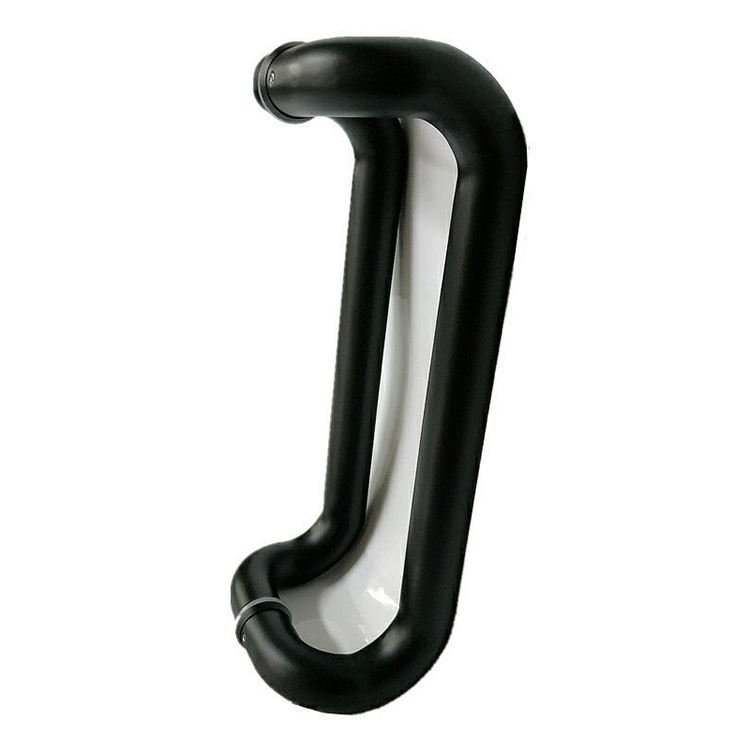
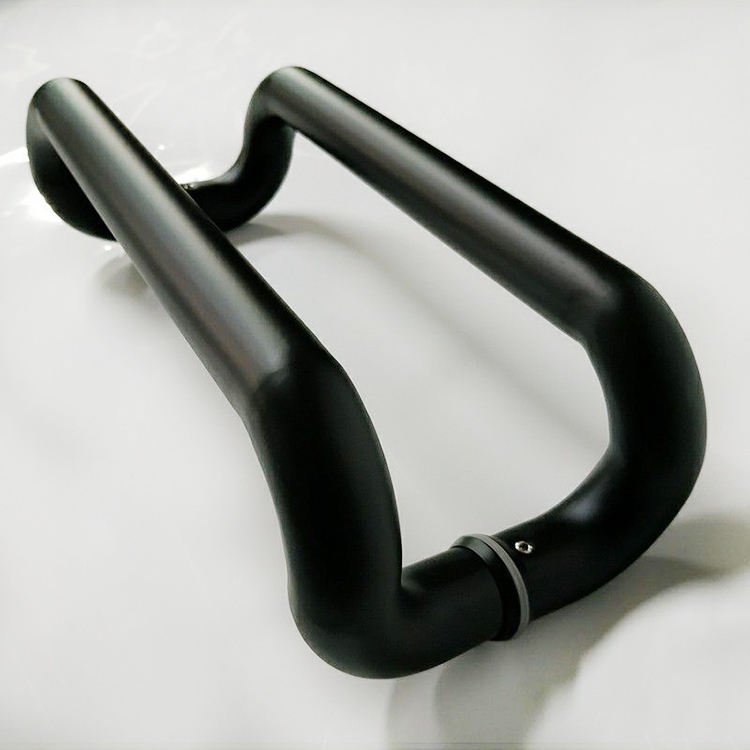
- pull handle style and length
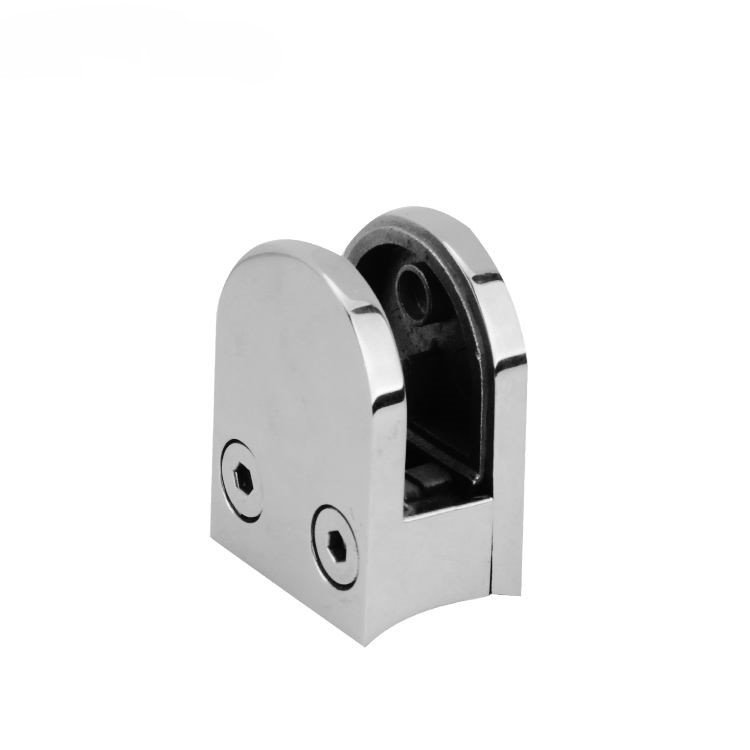
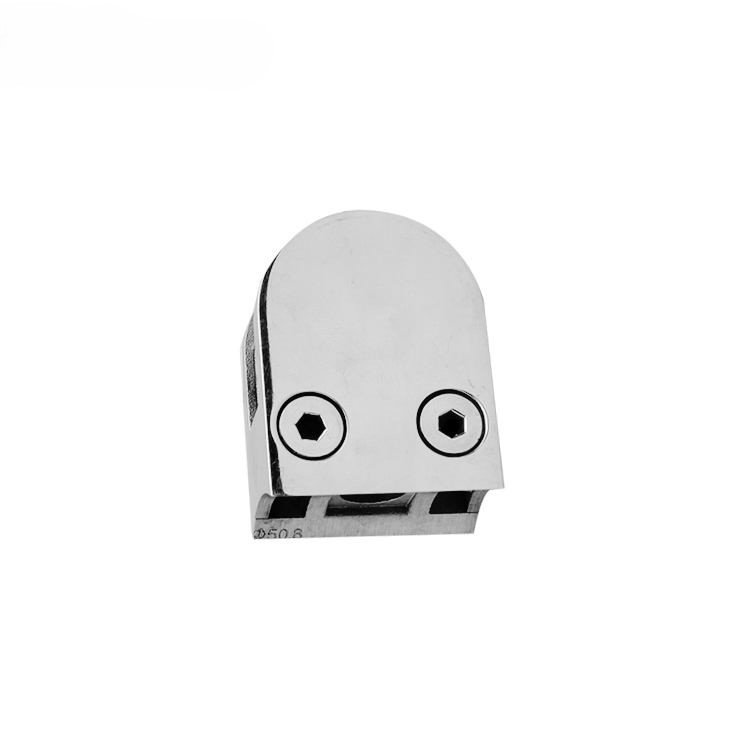
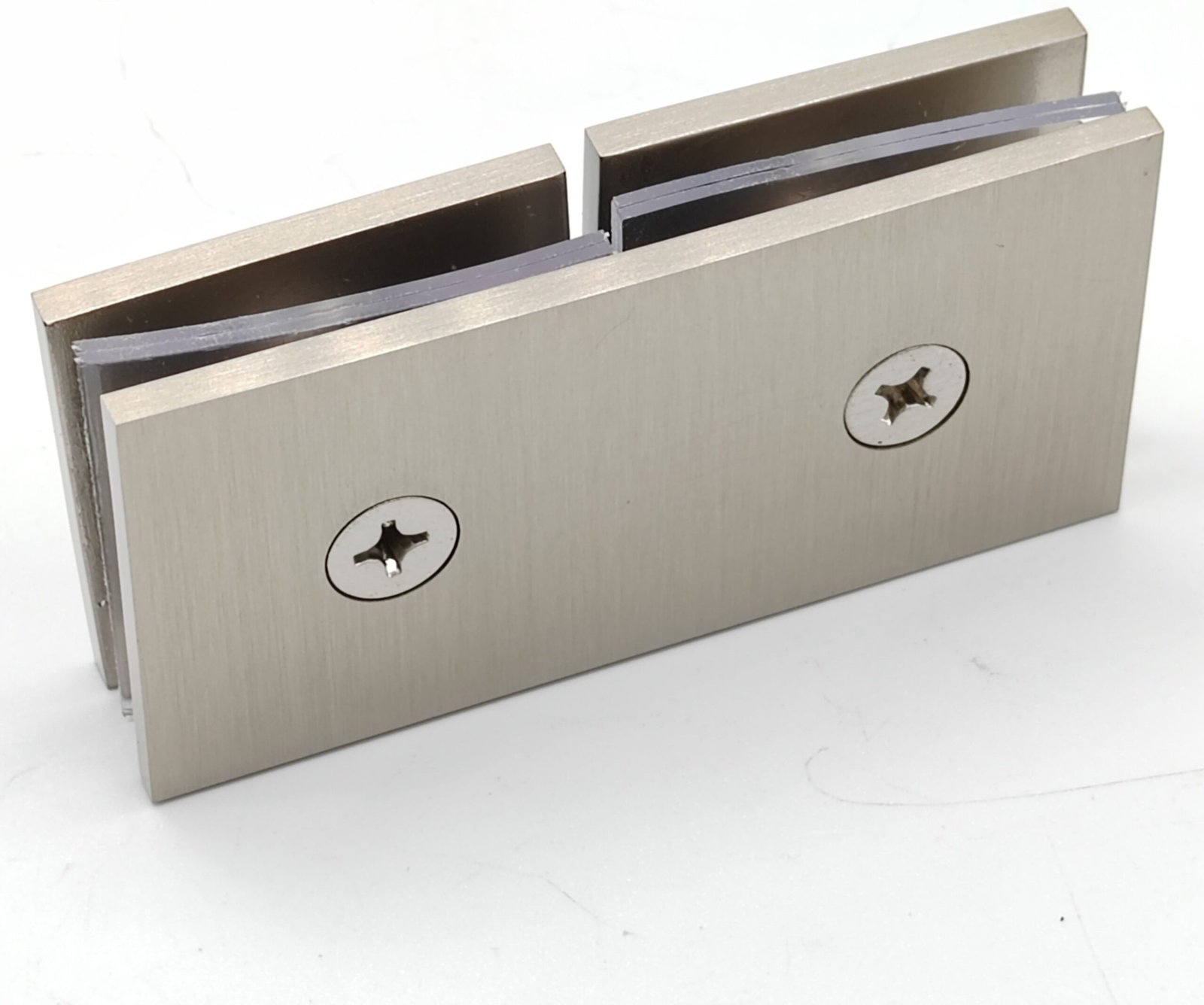
- patch fitting size and finish
- lock body appearance
- floor spring cover plate finish
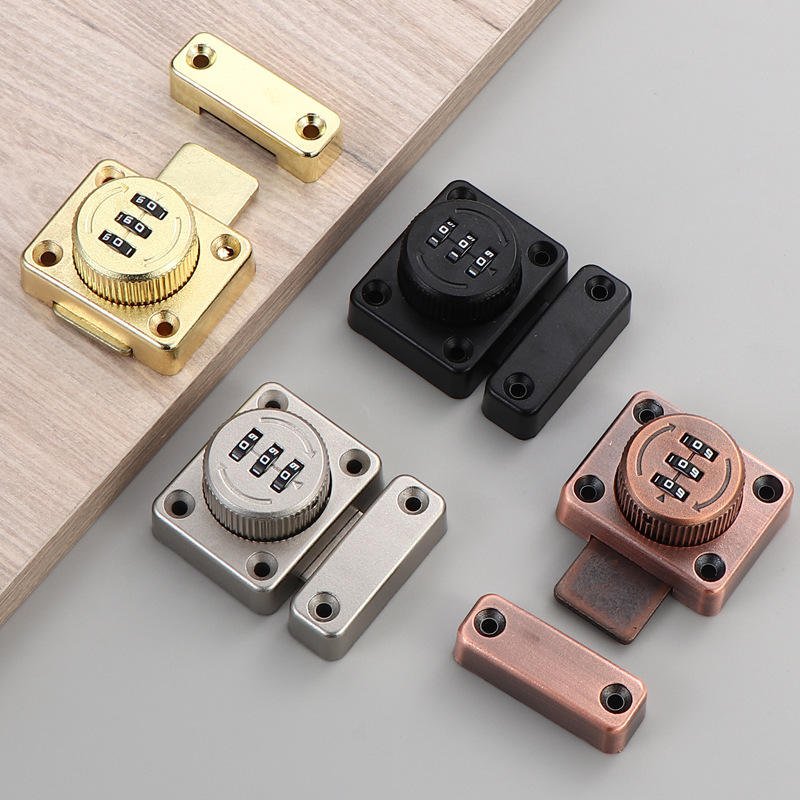
- SSS, PSS, matte black, gold, or custom finish
- batch consistency for chain stores
- replacement consistency for future store expansion
For chain stores, this matters even more. A brand may open multiple stores in different cities. If the handle finish, lock style, or patch fitting size changes between projects, the storefront loses its standard look.
Good storefront hardware should protect the shop without damaging the visual identity of the brand.
Recommended Hardware System
| Door Position | Recommended Hardware | Main Function |
|---|---|---|
| Door bottom | Weather-resistant heavy-duty floor spring | Controls closing, centering, and return |
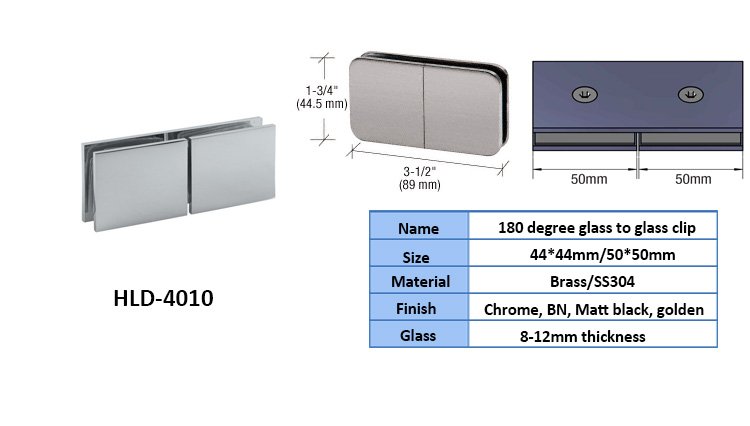
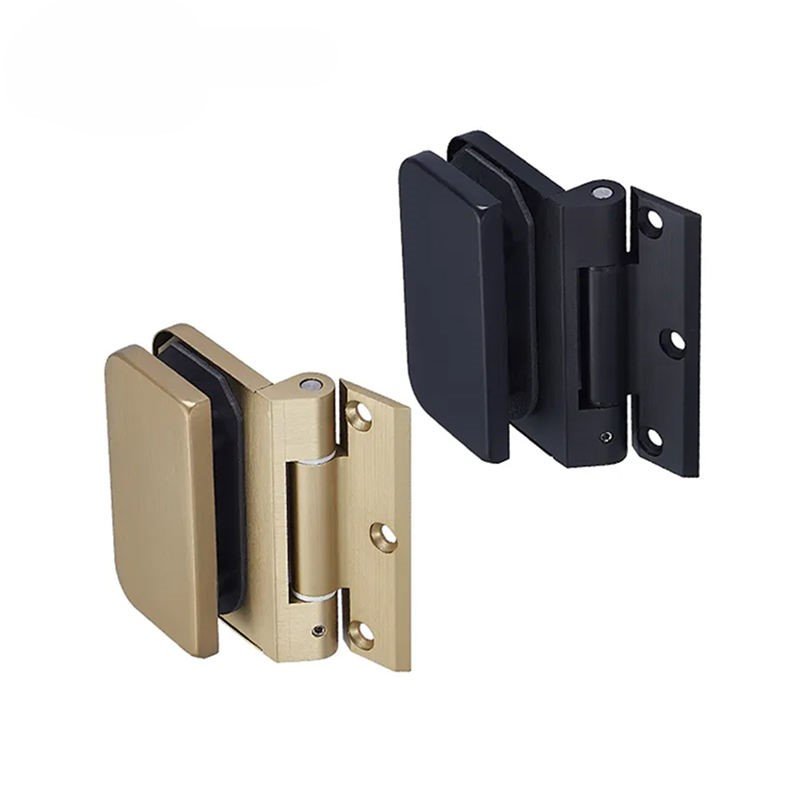
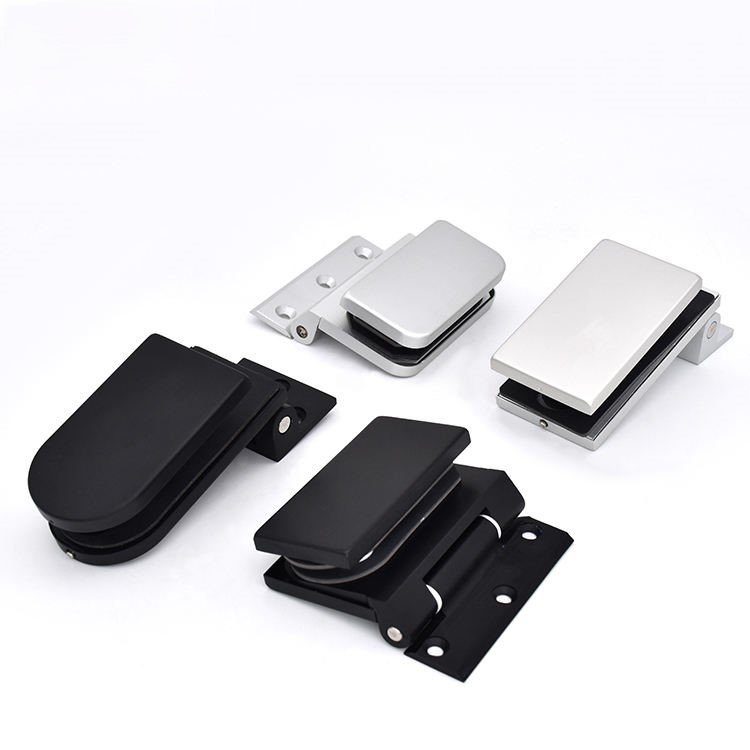
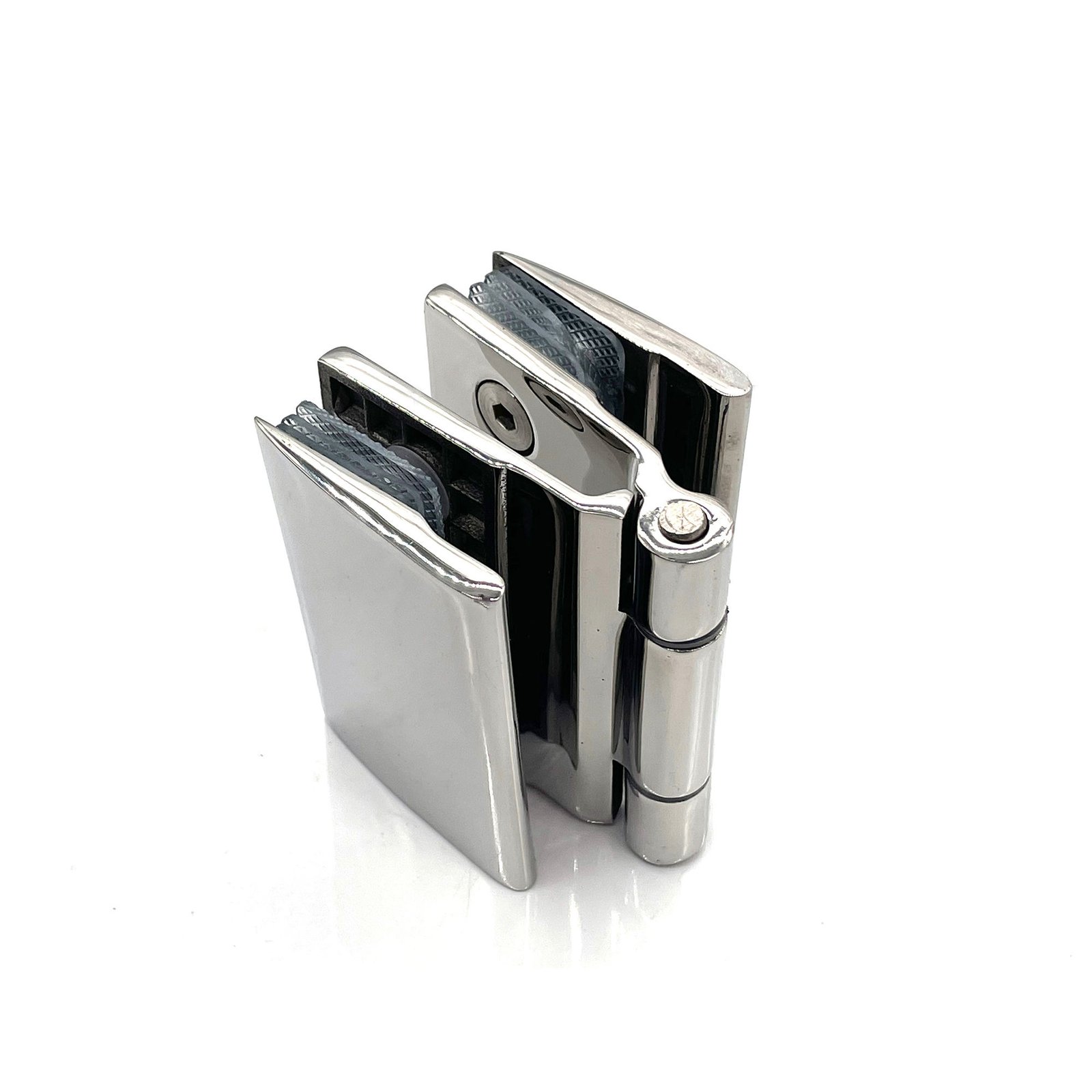
| Bottom glass corner | Bottom patch fitting / bottom patch lock | Connects glass to floor spring and supports security locking |
| Top glass corner | Top patch fitting | Keeps the glass leaf aligned |
| Head or transom | Top pivot | Maintains the rotation axis |
| Locking area | Heavy-duty glass door lock | Supports after-hours security |
| Floor locking area | Floor socket / strike plate | Receives the deadbolt |
| Door surface | Stainless steel pull handle | Supports customer operation and storefront appearance |
| Visible hardware | Matching cover plates and finishes | Keeps the storefront clean and consistent |
For retail doors, these parts should not be purchased as separate decorative items. The system must match in glass thickness, spindle position, lock alignment, finish, and structural strength.
Common Problems from Wrong Hardware Selection
Wrong hardware selection often causes:
- door cannot return to center
- lock does not align with floor socket
- shop door cannot be locked smoothly at night
- air-conditioning escapes through door gaps
- floor spring loses control after dust or water exposure
- door opens too fast and hits the wall
- patch fitting becomes loose
- pull handle starts shaking
- visible hardware rusts or scratches
- replacement parts do not match chain store standards
These are not just maintenance issues. They affect security, customer access, energy cost, and brand appearance.
Why Work with Metech
Metech provides one-stop retail storefront glass door hardware solutions, including floor springs, patch fittings, bottom patch locks, glass door locks, pull handles, top pivots, floor sockets, and stainless steel accessories.
For retail contractors, distributors, and chain store projects, Metech can support:
- OEM and private label requirements
- custom finish options
- export packaging
- batch consistency
- hardware matching recommendations
- repeat order support
- project-based selection according to door size and environment
The goal is simple: help retail storefront doors close accurately, lock securely, resist outdoor exposure, and maintain a clean brand appearance.
Suitable Applications
This solution is suitable for:
- street-facing retail shops
- shopping mall stores
- fashion boutiques
- jewelry stores
- mobile phone stores
- electronics stores
- showrooms
- cafés and bakeries
- convenience stores
- chain store entrances
- commercial shopfront glass doors
FAQ
What hardware is needed for a retail storefront glass door?
A typical frameless retail storefront glass door needs a floor spring, bottom patch fitting or bottom patch lock, top patch fitting, top pivot, glass door lock, pull handle, floor socket, and matching cover plates.
What floor spring is suitable for exterior shopfront doors?
For exterior shopfront doors, we recommend a heavy-duty floor spring with 500,000-cycle testing, sealed body construction, anti-rust treatment, adjustable closing speed, adjustable latching speed, accurate centering, and back-check function where required.
Why is centering accuracy important for retail glass doors?
Centering accuracy affects lock alignment, door sealing, and indoor temperature control. For higher-grade storefront doors, ±0.5° centering accuracy can help the door return to the correct closed position more reliably.
What lock is best for frameless retail glass doors?
For retail storefronts, bottom patch locks or heavy-duty glass door locks with strong deadbolt engagement are commonly used. For higher security, a minimum 20mm deadbolt throw and anti-drill cylinder can be specified.
Is back-check function necessary for retail glass doors?
It is recommended for doors exposed to rough use, wind, or delivery carts. Back-check can start hydraulic cushioning around 70° to 85° and reduce impact on the pivot system and glass door hardware.
Can Metech supply storefront hardware for chain stores?
Yes. Metech can support chain store projects with floor springs, patch fittings, locks, pull handles, finish options, OEM requirements, export packaging, and repeat order consistency.
Need a Hardware Recommendation for Your Retail Storefront?
Send us your door width, door height, glass thickness, estimated door weight, indoor or exterior location, traffic level, lock requirement, finish requirement, and quantity.
Metech will help recommend a suitable secure and weather-resistant retail storefront glass door hardware solution for your project.